When searching for a reliable portable solar backup station, understanding how the mango power e review portable solar backup station compares is key. The EnginStar Solar Generator 300W stands out as the best overall choice, thanks to its balanced performance and affordability. For those prioritizing rapid charging, the EF ECOFLOW Delta 3 Classic offers impressive solar compatibility, while the Jackery Explorer 300 remains a compact, easy-to-use option for everyday use. Buyers face tradeoffs between capacity, size, and price—more power often means bulkier units, and more features can drive costs up. Keep reading for a detailed breakdown of the top picks and what matters most in this category.

Get pet supplies delivered free with Prime
- Fast, free delivery on millions of items
- Prime Video, Amazon Music and more included
- Member-only deals all year
Complete the kit


Key Takeaways
- The top-ranked options balance power capacity with portability, making them suitable for both outdoor adventures and emergency use.
- Solar charging compatibility varies, with some units supporting faster, more flexible solar inputs—important for remote or off-grid use.
- Battery chemistry impacts longevity and safety; units with LiFePO4 batteries tend to last longer and handle deeper discharges better.
- Build quality and ease of use significantly influence long-term satisfaction, especially for beginners or frequent travelers.
- Pricing varies widely; the best value picks offer solid performance without the premium price tag, but more expensive models often include advanced features.


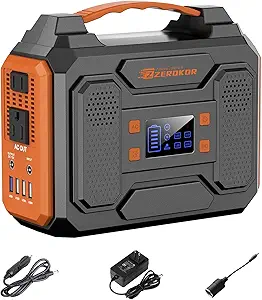
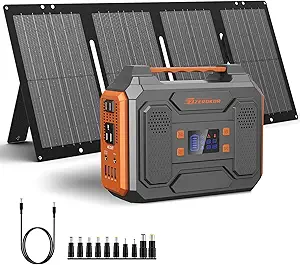


| mango power e review portable solar backup station | Weight | Power Output | Capacity |
|---|---|---|---|
| EnginStar Solar Generator 300W | — | 300W | — |
| EF ECOFLOW Portable Power Stat | More than 20 lbs | — | — |
| Portable Power Station 300W MA | 4.6 lbs | 300W | — |
| BLUETTI Elite 100 V2 Portable | 25 lbs | — | 1024Wh |
| Jackery Solar Generator 1000 V | 23.8 lbs | — | 1070Wh |
| Portable Power Station 300W | about 5 lbs | 300W | — |
| Portable Solar Generator 300W | — | 300W | — |
| Jackery Explorer 300 Portable | 7.5 lbs | — | 292Wh |
| EnginStar Portable Power Stati | 6.5 pounds | 300W | 296Wh |
| ALLWEI Portable Power Station | 6.4 lbs | — | 256Wh |
More Details on Our Top Picks
EnginStar Solar Generator 300W Portable Power Station 296Wh Lithium Battery Backup with Dual 110V Pure Sine Wave Outlets for Camping and Road Trips
The EnginStar Solar Generator stands out for its compact size and lightweight design, making it ideal for outdoor activities like camping and short trips. Compared to the larger BLUETTI Elite 100 V2, it sacrifices capacity but offers easier portability, which is a key advantage in limited space or weight-sensitive scenarios. However, its 296Wh capacity limits usage to smaller devices and cannot handle high-power appliances like microwaves. The inclusion of pure sine wave outlets ensures stable power for sensitive electronics, while the multiple recharging options—including solar—add to its versatility. The tradeoff is that solar panels are sold separately, and it may not support appliances requiring more than 300W. This pick makes the most sense for outdoor enthusiasts who prioritize portability over high capacity or power-hungry devices.
Pros:- Lightweight and easy to carry
- Multiple recharging options including solar
- Pure sine wave outlets for safe electronics
Cons:- Limited capacity to support high-power appliances
- Solar panel sold separately
- Brief warning indicator when powering on AC outlets
Best for: Hikers, campers, and travelers needing lightweight backup power for small devices
Not ideal for: Homeowners needing to power large appliances or run extended backup systems
- Power Output:300W
- Battery Capacity:296Wh
- Battery Type:Lithium
- Dimensions:9 x 5.5 x 7.5 inches
- USB Ports:3 (including USB C 18W)
- Recharge Time:7 hours via AC wall adapter
Our verdict“This is a practical choice for outdoor users who need portable, reliable power for small devices but not for high-demand appliances.”
EF ECOFLOW Portable Power Station Delta 3 Classic with Solar Charge Cable
The EcoFlow Delta 3 Classic excels with its 1800W continuous output, making it suitable for powering multiple appliances simultaneously and even sensitive electronics. Unlike the smaller EnginStar, it provides enough capacity and power for more demanding devices, including small kitchen appliances or power tools. Its rapid recharging—0-80% in just 45 minutes—and app monitoring give it a clear edge for users who need quick turnaround times and remote management. The downside is that its weight and size make it less portable, and its higher price reflects its advanced features. Solar recharging is supported, but the solar panel is sold separately, which adds to the overall cost. This model is best suited for campers or emergency prep that require high power and fast recharging, but not for those seeking a lightweight, budget-friendly option.
Pros:- High continuous power output up to 1800W
- Fast recharge from 0-80% in 45 minutes
- Smart app for remote monitoring
Cons:- Relatively heavy and bulky
- Solar panel sold separately
- Higher cost compared to smaller units
Best for: Outdoor enthusiasts or emergency planners needing high power and fast recharge capabilities
Not ideal for: Backpackers or users with limited space who prioritize portability over high power
- Wattage:1800W
- Battery Capacity:1800Wh
- Output Wattage:1800W
- Dimensions:7.9″L x 11.1″W x 15.7″H
- Charging Time:70 minutes
- Weight:More than 20 lbs
Our verdict“This is a great choice for those who need powerful, fast recharging portable power, but it’s less practical for lightweight travel needs.”
Portable Power Station 300W MARBERO 237Wh Camping Solar Generator Backup Lithium Battery with Pure Sine Wave 110V AC Outlet, USB C, USB A, DC for Outdoors Camping, Emergency, Home
The MARBERO M823 offers a compact, lightweight solution with a 237Wh capacity, ideal for casual camping, short emergencies, or light outdoor use. Its multiple outputs—including AC, USB, and DC—are comparable to the EnginStar, but with a slightly smaller battery. The built-in LED lanterns and multiple recharging options enhance its outdoor usability. However, with only 300W support, it cannot run high-demand appliances for long, and its battery capacity may fall short during extended outages. Solar panels are sold separately, which adds to the overall cost. This device makes the most sense for users seeking a budget-friendly backup for small electronics rather than sustained power for larger devices or long-term use.
Pros:- Lightweight and portable at under 5 lbs
- Multiple charging options including solar
- Built-in LED camping lanterns
Cons:- Limited to 300W output
- Battery capacity may be insufficient for extended use
- Solar panel sold separately
Best for: Casual campers or emergency kit owners needing lightweight power for small devices
Not ideal for: Users requiring sustained power for high-wattage appliances or longer outages
- Battery Capacity:237Wh
- Power Output:300W
- Weight:4.6 lbs
- Recharge Time:6 hours (wall), 8 hours (car)
- Number of Outlets:8
Our verdict“This is a cost-effective, portable backup for small electronics, best suited for short-term or light-duty outdoor use.”
BLUETTI Elite 100 V2 Portable Power Station with Solar Cable 1024Wh 1800W
The BLUETTI Elite 100 V2 offers a substantial 1024Wh capacity, making it one of the most capable options in this lineup. Its 1800W AC output supports multiple devices simultaneously, surpassing smaller units like the EnginStar and MARBERO for higher-demand appliances. Its fast 70-minute charging ensures minimal downtime, while its 11 ports provide extensive connectivity. Compared with the EF ECOFLOW Delta, it offers similar power but at a lighter weight for its capacity. The main limitation is that it requires either solar or AC input for charging, which might not always be accessible, and it can produce up to 30 decibels of noise, which may bother sensitive environments. Ideal for emergency backup or remote work setups that need high capacity without excessive weight.
Pros:- High capacity with 1024Wh for extended use
- Fast charging in 70 minutes
- Multiple ports for a variety of devices
Cons:- Requires external power source for charging
- Relatively heavy at 25 lbs
- Moderate noise level in quiet environments
Best for: Homeowners or remote workers needing large, versatile power backup
Not ideal for: Travelers seeking ultra-lightweight gear or quick, frequent recharges
- Capacity:1024Wh
- AC Output:1800W
- Weight:25 lbs
- Charging Time:70 minutes
- Number of Ports:11
Our verdict“This power station is well-suited for those needing significant capacity and versatility in a portable package, but it’s less ideal for backpackers or ultra-light travel.”
Jackery Solar Generator 1000 V2 with 200W Solar Panel, 1070Wh, 1500W AC
The Jackery Solar Generator 1000 V2 provides a robust 1070Wh capacity with a 1500W AC output, combining durability with rapid recharging. Its 1-hour fast charging and over 10-year lifespan distinguish it from smaller, less durable options like the MARBERO. The modular design, with multiple ports and a foldable handle, makes it especially portable for outdoor adventures and long-term emergency preparedness. However, the solar panel and the generator are shipped separately, adding to upfront costs, and the device requires an app to enable some fast-charging features. Compared with the EF ECOFLOW, it offers a similar capacity but with a longer lifespan and more extensive port options. This choice is best for users who want reliable, long-lasting power with quick recharge times, especially for extended outdoor or emergency use.
Pros:- Powerful 1500W AC output
- Fast 1-hour recharge
- Over 10 years lifespan with 4000+ cycles
Cons:- Solar panel shipped separately
- Requires app for full fast-charging features
- Cannot be shipped to PO boxes
Best for: Long-term outdoor users or emergency preparedness enthusiasts needing durable, fast-charging power
Not ideal for: Those seeking a budget option or minimal setup for short-term use
- Capacity:1070Wh
- AC Output:1500W
- Surge Peak:3000W
- Weight:23.8 lbs
- Charging Time:1 hour
Our verdict“This generator offers excellent durability and fast recharge for long-term outdoor power needs, though at a higher initial investment.”
Portable Power Station 300W, 110V Solar Generator 280Wh (Without Solar Panel)
This lightweight option excels in portability, weighing just about 5 lbs, making it ideal for quick outdoor setups or emergency kit inclusion. Compared to the Jackery Explorer 300, it offers similar capacity but slightly fewer outlets, and it lacks the advanced LiFePO4 chemistry, which affects long-term durability. Its multiple charging options—AC, solar (sold separately), and car—are practical for varied scenarios, but the absence of a solar panel limits convenience unless you purchase one separately. The built-in safety protections and LED flashlight add to its emergency readiness, yet the limited 280Wh capacity means it can’t run high-power appliances for long. This pick makes the most sense for users who prioritize ultra-lightweight design and basic device backup rather than extended power needs or high-wattage appliances.
Pros:- Extremely lightweight and portable, easy to carry
- Multiple charging options including solar, AC, and car power
- Built-in safety protections and LED flashlight for emergencies
Cons:- Limited to devices under 300W, not suitable for high-power appliances
- Solar panel sold separately, adding to overall cost
- Restricted capacity makes it unsuitable for long-term off-grid power
Best for: Hikers, backpackers, or emergency preparedness enthusiasts needing a portable backup for small devices.
Not ideal for: Home users requiring sustained power for appliances or for those needing a built-in solar panel, as it doesn’t include one and has limited capacity.
- Power Output:300W
- Battery Capacity:280Wh
- AC Outlets:2 (300W MAX)
- USB Ports:3 standard USB, 1 QC USB
- DC Output:9V~12.6V/10A MAX
- Weight:about 5 lbs
Our verdict“This device suits those needing a compact, emergency-ready power source for small devices on the go.”
Portable Solar Generator 300W with 60W Solar Panel
This model combines portability with a solar panel, making it ideal for outdoor enthusiasts who want to stay off-grid longer. Its included 60W foldable solar panel and 300W power output provide a reliable, eco-friendly energy source, especially in low-light conditions thanks to its 20.5% solar conversion efficiency. Unlike the Jackery Explorer 300, it offers a dedicated solar charging option with the included panel, but its junction box isn’t waterproof, limiting outdoor durability. While it supports multiple charging methods—AC, solar, car—the performance depends heavily on sunlight and weather, and the 60W panel may take longer to recharge the station fully. This pick suits users who prioritize integrated solar charging and portability over raw capacity or high-wattage appliance support.
Pros:- Portable and lightweight, ideal for outdoor use
- Includes a foldable 60W solar panel for off-grid recharging
- Multiple charging options with high solar efficiency
Cons:- Not suitable for devices over 300W or high-power appliances
- Junction box is not waterproof, requiring dry conditions
- Recharge time can be lengthy in low sunlight
Best for: Campers and outdoor adventurers needing a self-sufficient power source with a built-in solar panel.
Not ideal for: Users needing to power high-wattage appliances or requiring a more rugged, waterproof setup, as the junction box is not weatherproof.
- Power Output:300W
- Solar Panel:60W monocrystalline
- Battery Management System:Yes
- AC Outlets:2 x 300W Max
- USB Ports:3 x 5V/3A, 1 quick charge USB
- Charging Methods:AC, solar, car
Our verdict“This generator is best suited for campers who want integrated solar charging and portability for small devices.”
Jackery Explorer 300 Portable Power Station, 292Wh
The Jackery Explorer 300 stands out with its durable LiFePO4 chemistry, offering over 4,000 charge cycles—far exceeding many competitors like the EnginStar. Its light frame at 7.5 lbs makes it highly portable for camping or emergency kits. It supports fast solar charging, taking approximately 2.8 hours to reach 80%, and provides a good mix of outlets, including a USB-C PD port, which is increasingly in demand. Compared to smaller models, it offers more sustained power and longer lifespan, though the solar panel isn’t included, adding to total cost. The 292Wh capacity limits continuous use of high-wattage devices, but for general small device charging, this model balances capacity, durability, and portability well.
Pros:- High-capacity with durable LiFePO4 chemistry for longevity
- Supports fast solar charging and multiple device types
- Lightweight and highly portable for outdoor use
Cons:- Solar panel not included, increasing overall expense
- Limited to 300W rated output, not suitable for high-power appliances
- Requires delivery to a physical address, which may be inconvenient
Best for: Campers and outdoor users seeking a durable, long-lasting power station with versatile charging options.
Not ideal for: Those looking for an integrated solar panel or needing to power appliances over 300W for extended periods.
- Capacity:292Wh
- Weight:7.5 lbs
- Outlets:2 AC, 1 USB-C PD, 2 USB-A, 1 car port
- Rated Output:300W
- Charge Cycles:over 4,000
- Charging Time (solar):about 2.8 hours to 80%
Our verdict“This power station is ideal for users wanting a long-lasting, versatile device for camping and off-grid adventures.”
EnginStar Portable Power Station 300W 296Wh Solar Generator
The EnginStar is a compact and affordable choice, offering 296Wh capacity with a 300W continuous output. Its multiple outputs include AC, DC, USB, and USB-C, supporting a range of small devices. While it doesn’t match the long-cycle lifespan of LiFePO4-based units like the Jackery Explorer 300, its high-quality Lithium-ion batteries offer sufficient durability for occasional off-grid use. The device supports three recharging methods—solar, wall, and car—adding convenience, though solar charging speed can be variable depending on sunlight. Its smaller dimensions make it easy to carry, but the 300W limit restricts use to low-wattage appliances, and the solar panel isn’t included, which could increase setup costs.
Pros:- Affordable price point with solid capacity
- Multiple charging options including solar, wall, and car
- Compact and lightweight for portability
Cons:- Solar panel not included, adding extra cost
- Limited to 300W, unsuitable for high-power devices
- Lithium-ion batteries have fewer charge cycles than LiFePO4
Best for: Budget-conscious users who need a reliable, portable backup for small devices and short trips.
Not ideal for: Users requiring long-term, high-cycle durability or powering high-wattage appliances for extended periods.
- Capacity:296Wh
- Power Output:300W
- Dimensions:9 x 5.5 x 7.5 inches
- Weight:6.5 pounds
- Charge Cycles:Over 1000
- Charging Methods:Solar, wall, car
Our verdict“This model fits budget-minded users needing dependable backup for small devices and short-term use.”
ALLWEI Portable Power Station 300W, 256Wh Solar Generator with LiFePO4 Battery
The ALLWEI offers a solid balance of capacity and longevity, with a 256Wh LiFePO4 battery rated for 300W continuous power and over 3000 charge cycles. Its multiple output ports—including AC, DC, USB-A, and USB-C—support a variety of devices simultaneously. The device’s lightweight design (around 6.4 lbs) makes it suitable for outdoor activities and emergencies. Compared to the Jackery Explorer 300, it provides a comparable capacity but with a longer cycle life thanks to LiFePO4 chemistry. The need for a separate solar panel, however, can add to the total setup cost, and recharging speed depends on sunlight availability, which can vary. It’s well-suited for users prioritizing long-term durability and multiple device support.
Pros:- Long cycle life with LiFePO4 battery chemistry
- Multiple output ports for versatile device charging
- Lightweight and portable for outdoor use
Cons:- Solar panel sold separately, increasing total cost
- Limited to 300W continuous power, not for high-wattage appliances
- Charging speed varies depending on sunlight conditions
Best for: Outdoor enthusiasts and emergency users seeking a durable, long-lasting backup with multiple charging options.
Not ideal for: Those who need an integrated solar panel or plan to power high-wattage appliances for extended periods.
- Capacity:256Wh
- Continuous Power:300W
- Peak Surge Power:600W
- Weight:6.4 lbs
- Charge Cycles:over 3000
- Recharging Methods:AC, solar, car
Our verdict“This model is best for users needing a durable, long-term portable power source for multiple small devices in outdoor or emergency settings.”

How We Picked
Our evaluation of these portable solar backup stations focused on key factors that influence real-world usability. Performance metrics such as wattage output, battery capacity, and solar input compatibility were primary considerations, as they determine how effectively each unit can power devices or charge from solar panels. We also assessed build quality, weight, and portability, since these units are often used outdoors or in emergencies. Additional considerations included ease of use, display clarity, and overall value for the price. The ranking reflects a balance of these factors, prioritizing practical performance while recognizing different user needs and budgets.
Factors to Consider When Choosing Mango Power E Review Portable Solar Backup Station
Choosing the right portable solar backup station involves weighing several important factors beyond raw specs. Understanding what matters most for your specific use case can help you avoid common pitfalls and get better value. In this guide, I’ll cover the key considerations that influence how well these units perform in real-world scenarios, helping you identify the features that truly matter and the tradeoffs involved.Battery Capacity and Power Output
Battery capacity determines how long your devices can run during an outage or outdoor adventure, while power output indicates how much wattage the unit can deliver simultaneously. Larger capacities are better for longer trips or running multiple devices, but they often come with increased size and weight. Matching the capacity with your device needs prevents overpaying for unnecessary power, and understanding the continuous versus surge wattage helps avoid overloads.
Solar Charging Compatibility
Not all units support the same solar input types or wattages. Units with higher solar input ratings can charge faster, especially in variable sunlight conditions, which is essential for off-grid use. Always check if the station supports the solar panel you plan to use, and consider panels with higher wattage ratings or multiple panels for quicker recharging. This can prevent prolonged downtime when relying on solar power.
Battery Chemistry and Longevity
The type of battery chemistry impacts durability, safety, and cycle life. LiFePO4 batteries tend to last longer, handle more charge cycles, and operate safely at higher temperatures, making them suitable for frequent use or harsh conditions. Conversely, lithium-ion batteries may be lighter and less expensive but usually have a shorter lifespan. Weigh your expected usage frequency against these tradeoffs when selecting a model.
Size, Weight, and Portability
Since these stations are often carried to outdoor locations or stored in emergencies, portability is critical. A larger capacity unit might be heavier, limiting convenience, while more compact models sacrifice some power or features. Consider how you’ll transport the station and whether size compromises your use case, especially if you plan to hike or camp with it.
Pricing and Value
Prices range significantly, with premium units offering more features, larger capacities, and faster charging. However, some budget models provide excellent performance for basic needs, such as charging phones or small appliances. Identifying your priorities—whether performance, durability, or affordability—helps you avoid overspending on features you won’t use or missing out on critical capabilities.
Frequently Asked Questions
Can I use the mango power e review portable solar backup station indoors?
While these units are designed for outdoor and emergency use, many can be used indoors as long as they are in a well-ventilated space and not exposed to moisture or extreme temperatures. It’s important to operate them in accordance with the manufacturer’s instructions, especially regarding ventilation and charging safety. Keep in mind that some models may produce heat or noise during operation, so consider this when using indoors.
How long does it take to charge these stations with solar panels?
The charging time varies depending on the solar panel wattage and sunlight conditions. Higher wattage panels can significantly reduce charging time, sometimes fully replenishing a station in 4-8 hours of direct sunlight. Lower wattage setups might take twice as long or more. Always check the unit’s solar input specifications and match them with compatible panels for accurate expectations.
Are these stations safe to use with sensitive electronics?
Most models in this category feature pure sine wave inverters, which provide a stable power source suitable for sensitive electronics like laptops and medical devices. This design minimizes power fluctuations that could damage delicate components. However, always verify the inverter type and output specifications before connecting sensitive gear to ensure compatibility and safety.
What is the typical lifespan of these portable power stations?
The lifespan depends on battery chemistry and usage patterns. Lithium-ion batteries typically last around 500-1000 charge cycles, while LiFePO4 batteries can exceed 2000 cycles with proper care. Regular maintenance, avoiding deep discharges, and proper storage can extend the life of your station. Investing in a higher-quality unit often results in better longevity and overall value over time.
Should I buy a station without solar panels included?
Choosing a station without solar panels can be cost-effective if you already own compatible panels or plan to use grid charging. However, if off-grid use is a priority, investing in a model with integrated or compatible solar input can save time and hassle, ensuring you can recharge reliably in remote locations. Consider your typical usage environment to determine whether solar compatibility justifies the extra investment.
Conclusion
For most users, the EnginStar Solar Generator 300W offers a well-rounded blend of capacity, portability, and affordability, making it the best overall pick. Those seeking maximum power for frequent outdoor adventures should consider the Jackery Explorer 1000 V2 for its higher capacity and fast solar charging. Beginners or casual users will find the Marbero 237Wh or ALLWEI 256Wh models easy to operate and budget-friendly. For advanced users prioritizing durability and long-term performance, units with LiFePO4 batteries, like the ALLWEI, are worth the extra spend. Ultimately, your choice depends on your specific power needs, portability preferences, and budget constraints.