
Reintroduction programs successfully restore endangered species and ecosystems when they focus on genetic diversity and habitat restoration. By prioritizing these factors, species can adapt, resist diseases, and thrive. A great example is the Yellowstone wolves that helped revitalize the entire ecosystem. Monitoring reintroduced populations is vital for learning from these efforts and improving future strategies. You’ll discover more essential insights on how these programs shape ecosystem health and resilience as we explore further.
Key Takeaways
- Genetic diversity is crucial for the adaptability and resilience of reintroduced species, enhancing their chances of survival in new environments.
- Successful reintroduction programs often rely on thorough habitat restoration, including the removal of invasive species and replanting native flora.
- The Yellowstone wolf reintroduction exemplifies the importance of ecosystem restoration, resulting in healthier populations of both wolves and elk.
- Continuous monitoring of reintroduced populations provides valuable data, helping to refine strategies and ensure long-term success.
- Lessons from past reintroduction efforts emphasize the interconnectedness of genetic diversity and habitat quality for effective wildlife recovery.

Reintroduction programs play a essential role in restoring balance to ecosystems by reintroducing species that have diminished or disappeared from their natural habitats. You might be surprised to learn how fundamental genetic diversity is for the success of these programs. When species are reintroduced, it’s necessary to ensure that the population doesn’t just consist of a few individuals. A genetically diverse group has a better chance of adapting to changes in their environment, resisting diseases, and thriving in their new surroundings. This diversity ensures that the species can maintain a healthy population over time.
Habitat restoration is another critical component of successful reintroduction programs. Without a suitable environment, even the most genetically robust species may struggle to survive. You’ll find that many reintroduction efforts involve extensive work to restore habitats, ensuring they can support the species being reintroduced. This might involve removing invasive species, replanting native flora, or restoring water sources. When you combine habitat restoration with the reintroduction of genetically diverse species, you create a more stable ecosystem that benefits not just the reintroduced species but also the entire environment.
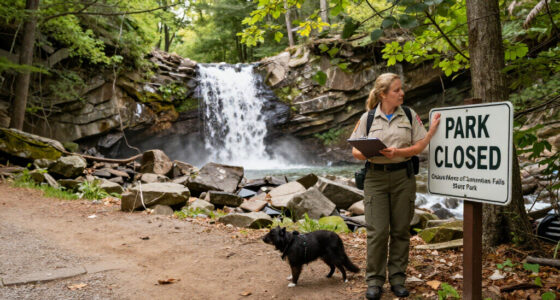
Consider the case of the gray wolf in Yellowstone National Park. After being eliminated from the area, wolves were reintroduced in 1995. The success of this program didn’t just hinge on the wolves themselves but also on the extensive habitat restoration efforts undertaken to support their return. By rebuilding the ecosystem, Yellowstone witnessed a revitalization of its natural balance, including healthier populations of elk and a resurgence of plant life. You can see how interconnected these elements are; without the restoration, the wolves wouldn’t have thrived.
As you reflect on reintroduction programs, it’s clear that careful planning and consideration of genetic diversity and habitat restoration are essential for long-term success. Each program provides valuable lessons that can help refine future efforts. For instance, monitoring the reintroduced populations and their interactions with existing species yields critical data. This knowledge can inform future reintroductions and habitat restoration projects, making them more effective. Additionally, the success of such programs often hinges on the importance of habitat restoration, which ensures the reintroduced species have the necessary resources to survive in their new environment.

MAXDONE Solar Trail Camera, 4K 64MP WiFi Bluetooth Night Vision Game Camera
- Wi-Fi Hotspot for Setup: Creates short-range Wi-Fi for setup and downloads
- No Internet or Subscription Needed: Records automatically without Wi-Fi or fees
- Adjustable Solar Panel: Flexible placement with manual sun-facing angle
As an affiliate, we earn on qualifying purchases.
As an affiliate, we earn on qualifying purchases.
Frequently Asked Questions
What Are the Main Challenges Faced During Reintroduction Programs?
You’ll face several challenges during reintroduction programs. Ensuring habitat suitability is vital; if the environment isn’t right, the species won’t thrive. Genetic diversity also plays a key role; a lack of it can lead to inbreeding and reduced resilience. Additionally, human activities and climate change can disrupt these efforts. You’ll need to address these issues to improve the chances of success for the species you’re trying to reintroduce.
How Do Reintroduction Programs Affect Local Communities?
Reintroduction programs can substantially boost local communities; studies show that communities involved in these initiatives experience a 27% increase in eco-tourism revenue. By engaging locals in conservation efforts, you create a sense of ownership and pride in the project. This community engagement not only fosters environmental stewardship but also enhances local economies. As people participate in activities like guided tours or educational workshops, they reap both financial and social benefits.
What Species Have Been Successfully Reintroduced Worldwide?
You’ll find several species successfully reintroduced worldwide, showcasing impressive species recovery. For instance, the gray wolf in Yellowstone National Park has thrived, helping restore balance in the ecosystem. Similarly, California condors have seen population boosts thanks to habitat restoration efforts. Other notable examples include the Arabian oryx and the European bison, which have returned to their natural habitats, illustrating the power of reintroduction programs in aiding species recovery and promoting biodiversity.
How Is the Success of a Reintroduction Program Measured?
You measure the success of a reintroduction program by evaluating genetic diversity and habitat connectivity. If the species can thrive, reproduce, and maintain a healthy gene pool, it indicates a successful reintroduction. You also look at how well the species integrates into its environment, using indicators like population growth and behavior changes. Monitoring interactions with other species and the ecosystem will help you understand the long-term viability of the reintroduced population.
What Role Do Volunteers Play in Reintroduction Efforts?
Volunteers play a essential role in reintroduction efforts by enhancing volunteer engagement and driving community outreach. They help with habitat restoration, species monitoring, and educational programs, creating a strong connection between the community and conservation goals. You’ll find that their passion and dedication can inspire others to get involved, fostering a sense of responsibility towards wildlife. By participating, you contribute to a collective effort that greatly boosts the success of these important programs.
Conclusion
In the grand tapestry of wildlife conservation, reintroduction programs shine like a thousand suns, bursting with success stories that could fill entire libraries! You’ve seen species dance back into their habitats, reclaiming their thrones in nature’s kingdom. Sure, there’ve been hiccups and lessons learned, but each triumph is a ripple in the ocean of hope. So, let’s celebrate these extraordinary efforts, for they’re not just saving animals—they’re weaving a vibrant future for our planet!