Soundscapes play a crucial role in conservation by revealing the health of ecosystems. When you listen to the unique sounds of nature, like birds singing or insects humming, you can spot changes in species presence and habitat conditions. These acoustic clues help identify shifts in biodiversity and signal potential environmental distress. Understanding these sound patterns lets you connect more deeply with nature’s stories. Discover more about how sound influences conservation efforts and ecosystems.

Get pet supplies delivered free with Prime
- Fast, free delivery on millions of items
- Prime Video, Amazon Music and more included
- Member-only deals all year
Key Takeaways
- Soundscapes reflect ecosystem health, revealing species presence and absence through intricate acoustic patterns.
- Acoustic monitoring captures diverse environmental sounds, aiding in understanding biodiversity and habitat conditions over time.
- Changes in sound patterns, such as increased bird songs, indicate shifts in ecosystem vitality and health.
- Human activities can disrupt natural soundscapes, highlighting habitat loss and negative impacts on biodiversity.
- Sharing sound recordings fosters emotional connections to nature and encourages conservation engagement and awareness.

As you immerse yourself in the natural world, you’ll likely notice the rich tapestry of sounds that surrounds you—each chirp, rustle, and roar telling a story of its own. This auditory landscape, often referred to as soundscapes, plays an essential role in understanding the health of ecosystems. By listening closely, you can tap into a wealth of information that reveals the intricate dynamics of life around you.
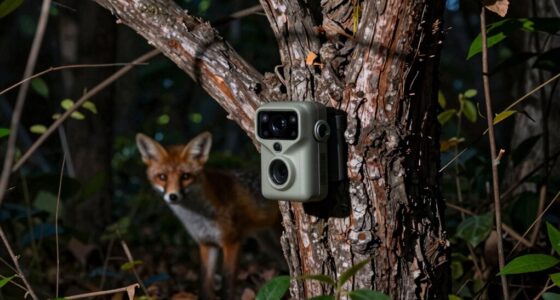
Acoustic monitoring is a powerful tool for conservationists, allowing them to record and analyze these soundscapes over time. When you set up acoustic devices in various environments, you can capture everything from bird calls at dawn to the quiet hum of insects at dusk. These recordings serve as a valuable resource, providing insights into both the presence and absence of species within a given habitat. Soundscapes reveal patterns that might go unnoticed through visual observations alone, making them vital for evaluating biodiversity.
As you engage with these recordings, you’ll start to identify biodiversity indicators. Certain sounds signify the presence of specific species or highlight changes in populations. For instance, an increase in bird songs can indicate a thriving ecosystem, while a sudden drop in activity may signal distress. By analyzing these subtle shifts, you can contribute to a more thorough understanding of environmental health, making sound an invaluable ally in conservation efforts.
You might find it fascinating that soundscapes can also showcase the impact of human activity on ecosystems. As you listen to the recordings, you may detect the stark contrast between natural sounds and those influenced by urbanization or industrialization. These disruptions can drown out the calls of native species, leading to declines in biodiversity. By using acoustic monitoring to document these changes, you help raise awareness about the consequences of habitat loss and environmental degradation.
In your explorations, consider how soundscapes can inspire action. By sharing the recordings and insights gained from acoustic monitoring, you can engage others in conservation efforts. Sound has a unique ability to evoke emotions and foster connections to nature. When people hear the vibrant symphony of life, they’re more likely to appreciate its fragility and take steps to protect it. Color accuracy is another element that can enhance the experience of listening to these recordings, ensuring that the nuances of the sounds are not lost.
Ultimately, by attuning yourself to the soundscapes around you, you become an active participant in the conservation conversation. Each sound contributes to the story of our planet, and by listening closely, you help guarantee that these stories continue to be told for generations to come.
acoustic monitoring wildlife devices
As an affiliate, we earn on qualifying purchases.
As an affiliate, we earn on qualifying purchases.
Frequently Asked Questions
How Can Soundscapes Be Used in Urban Planning?
You can use soundscapes in urban planning by incorporating acoustic habitat modeling to assess how different designs impact urban noise mitigation. By analyzing sound patterns, you identify areas where noise pollution affects residents’ quality of life. Implementing green spaces and designing buildings to absorb sound can enhance urban environments, fostering healthier communities. By prioritizing these elements, you create a more harmonious balance between urban development and the natural sounds that enhance city living.
What Technology Is Needed to Record Soundscapes?
To record soundscapes, you’ll need microphone arrays and acoustic sensors. Microphone arrays capture sounds from multiple directions, giving you a thorough audio landscape. Acoustic sensors help you monitor specific frequencies and sounds, making them ideal for detailed analysis. You can set up these technologies in various environments, ensuring you gather rich sound data. By using the right equipment, you’ll effectively capture the nuances of any soundscape you’re studying.
Are There Specific Soundscapes for Different Ecosystems?
Yes, there are specific soundscapes for different ecosystems. Each habitat has unique sounds that help in species identification and habitat characterization. For instance, a rainforest buzzes with diverse bird calls and insect sounds, while a desert might feature the rustle of sand and occasional animal noises. By listening to these soundscapes, you can gain insights into the health of an ecosystem and the species that inhabit it, enhancing your understanding of nature’s intricate balance.
How Does Noise Pollution Affect Wildlife Behavior?
Noise pollution acts like a thick fog, obscuring the natural sounds wildlife rely on. It causes auditory masking, making it hard for animals to hear vital signals from their environment. This can lead to behavioral disruption, affecting mating calls, foraging, and predator-prey interactions. You might notice that animals become more stressed or change their habits, ultimately impacting their survival and the balance of the ecosystem they inhabit.
Can Soundscapes Help in Climate Change Research?
Yes, soundscapes can profoundly aid in climate change research. By using acoustic monitoring, you can track changes in wildlife and plant behavior, which reflect environmental shifts. This data enriches climate modeling, helping scientists understand the impacts of climate change on ecosystems. When you analyze these soundscapes, you uncover crucial information about species interactions and habitat health, providing a clearer picture of how climate change affects biodiversity over time.
Conclusion
By tuning into the soundscapes of our ecosystems, you open a powerful tool for conservation. The theory that listening can reveal the health of habitats holds true—each chirp, rustle, and roar tells a story of life and balance. When you immerse yourself in these sonic environments, you not only appreciate nature’s beauty but also gain insight into what needs protection. So, let the sounds guide you; they might just lead the way to a more sustainable future.
Halloween Picks
halloween
As an affiliate, we earn on qualifying purchases.