
When traveling with small pets, even seemingly safe carriers can trap heat and lead to dangerous overheating. Their small size makes them heat up faster and struggle with temperature regulation. Limited airflow, direct sunlight, and poor ventilation can quickly elevate the internal temperature. To keep your pet safe and comfortable, monitor them closely, choose breathable carriers, and use cooling accessories. Keep their environment cool, and you’ll find ways to prevent heat-related issues along the way. Learn more about safeguarding your furry friend during travel.
Key Takeaways
- Small pets heat up quickly and struggle to regulate temperature, increasing overheating risks during travel.
- Carriers can trap heat, especially without proper ventilation, leading to rapid internal temperature rises.
- Signs of overheating include excessive panting, lethargy, and discolored saliva, requiring immediate action.
- Choosing breathable carriers with mesh panels and avoiding airtight designs helps prevent heat buildup.
- Monitoring temperature and using cooling accessories during travel keep small pets safe and comfortable.

Cat Carrying Case Pet Dog Carrier Soft-Sided Cat Bag Airline Approved, Pet Travel Carrier Up to 15 Lbs, Collapsible Cats Carrier Dog Carrier for Medium Small Cats Dogs(17x11x11 Green)
[PRODUCT DIMENSIONS] Pet travel carrier size : 17x11x11 inches, recommended up to 15 lb pets, it is suitable…
As an affiliate, we earn on qualifying purchases.
As an affiliate, we earn on qualifying purchases.
Why Small Pets Are at Higher Risk of Overheating in Car Travel
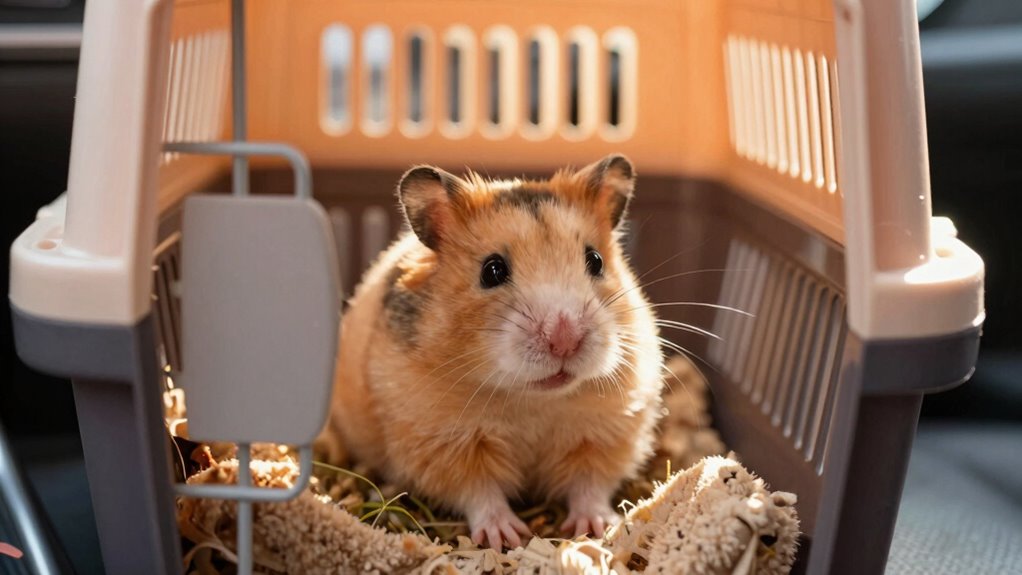
Small pets are more vulnerable to overheating during car travel because their small bodies heat up faster and struggle to regulate temperature effectively. In a hot car, their rapid metabolism makes them prone to rapid temperature rises, risking heat exhaustion. Ensuring proper pet hydration before and during travel is essential to help them stay cool and maintain their body functions. Additionally, carrier insulation plays a critical role in protecting small pets from external temperature fluctuations. A well-insulated carrier can slow the transfer of heat, giving your pet a better chance to stay comfortable. Proper storytelling about your pet’s needs can also prepare you to recognize early signs of overheating. Always monitor your pet closely, and avoid leaving them in the car for extended periods, especially in warm weather. Proper hydration and insulation are key to keeping your small pet safe during travel.

INSPECTOR TAIL Self Cooling Mat for Dog + Free String Bag/Washable & Portable Pet Soft Pad for Indoor or Outdoor/Perfect as Blanket for Kennel Sofa Bed Floor Car/Blue
BONUS PACK | Pet travel & cooling mat with string bag for transport and storage | Keep your…
As an affiliate, we earn on qualifying purchases.
As an affiliate, we earn on qualifying purchases.
How Temperature Changes Inside Car Carriers Can Be Dangerous

Because car carriers can quickly become temperature traps, the interior environment can change rapidly and become dangerous for your pet. As the temperature rises, your small pet can overheat, leading to distress or even heatstroke. When you leave the car, avoid rolling down the windows completely—car window safety is key, as pets can squeeze out or fall. Inside the carrier, the temperature can spike in minutes, especially in direct sunlight. To prevent this, guarantee your pet stays hydrated, offering water regularly. Visualize a small carrier with:
- Stifling heat building in minutes
- Limited airflow, trapping warm air
- A sudden temperature surge due to sunlight or closed windows
Understanding these risks helps you keep your pet safe during travel, avoiding dangerous temperature spikes inside carriers and maintaining proper ventilation. Additionally, using connected technology such as portable temperature sensors can help monitor conditions inside the carrier in real-time. Being aware of temperature-sensitive environments is crucial for ensuring your pet’s safety in confined spaces. Proper ventilation and air quality management can significantly reduce overheating risks. Being aware of home and small‑shop power safety practices can also help you prepare for emergencies that may impact your pet’s environment, whether at home or on the go.

Ayawiss Room Thermometer Indoor Hygrometer Humidity Meter Gauge Digital Temperature and Humidity Sensor Monitor for Home Office House Pets Plants – AAA Battery Included
This small room thermometer helps monitoring temperature and humidity condition in real time. According to the air conditions,…
As an affiliate, we earn on qualifying purchases.
As an affiliate, we earn on qualifying purchases.
Signs Your Small Pet Is Overheating During Travel
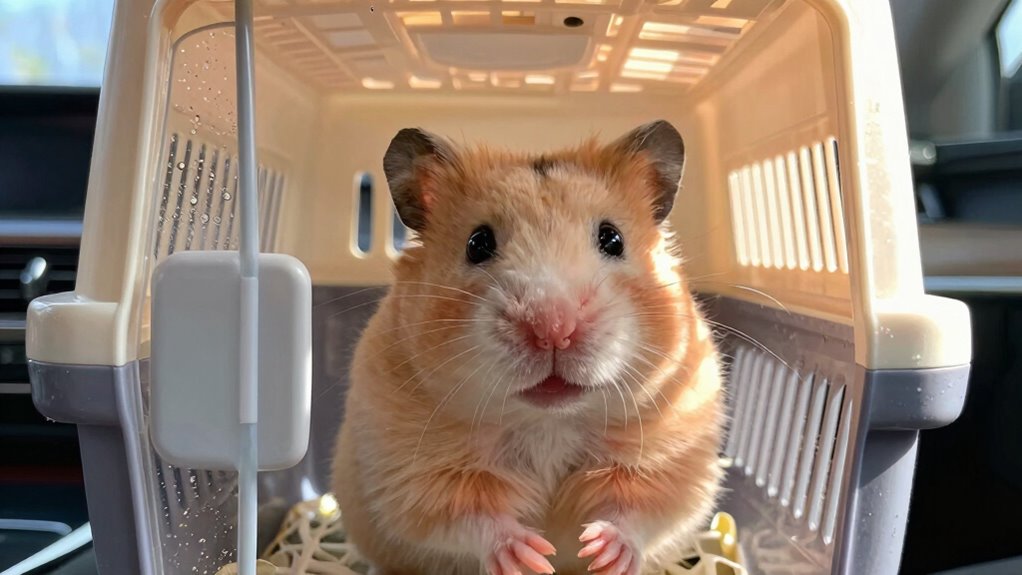
If your small pet starts to overheat during travel, you’ll notice signs like excessive panting or rapid breathing. They may also seem weak or lethargic, and their saliva could appear discolored or sticky. Recognizing these signals early helps you act quickly to keep them safe. Using essential oils for respiratory health, such as eucalyptus or peppermint oil, can support easier breathing and help soothe your pet in stressful situations.
Excessive Panting or Breathing
Excessive panting or rapid, labored breathing are clear signs that your pet may be overheating during travel. If you notice this, it could indicate pet heatstroke or that your carrier isn’t providing adequate carrier ventilation. Your pet might be struggling to cool down, especially in a confined space.
Imagine your small pet:
- Gasping with labored breaths, their chest rising quickly
- Whiskers trembling as they try to breathe easier
- Restless movements, pawing at the carrier or trying to escape
These signs demand immediate action. Overheating can escalate quickly, so ensure your pet’s environment stays cool, well-ventilated, and monitored closely to prevent heat-related dangers during travel.
Lethargy or Weakness
When your small pet begins to show signs of lethargy or weakness during travel, it’s often a warning that they’re overheating. Lack of energy can indicate they’re struggling to regulate their body temperature. Check their pet hydration—offer water if possible—and guarantee their carrier has proper insulation. A well-insulated carrier helps maintain a stable temperature, preventing heat buildup. If your pet feels unusually weak or unresponsive, it’s essential to act quickly. Remove them from direct sunlight or hot areas and provide a cooler environment. Keep monitoring their behavior; persistent lethargy can escalate to more serious heat-related issues. Your goal is to keep their body temperature stable, and guaranteeing proper pet hydration and carrier insulation plays a key role in preventing overheating during travel.
Discolored or Sticky Saliva
Have you noticed your small pet’s saliva turning discolored or sticky during travel? This can be a clear sign of overheating. You might see saliva that’s cloudy, yellow, or tinged with blood, indicating stress or heat exhaustion. Sticky saliva often clings to your pet’s fur or carrier, making it difficult to wipe away. To picture it:
- Saliva that’s thick, gooey, or oddly colored
- Unusual drooling or excessive salivation
- Saliva that feels tacky or clings to the fur
These signs of saliva discoloration and sticky saliva suggest your pet needs immediate cooling and attention. Ignoring these symptoms can lead to serious health risks, so monitor closely and take action quickly to prevent overheating during travel.
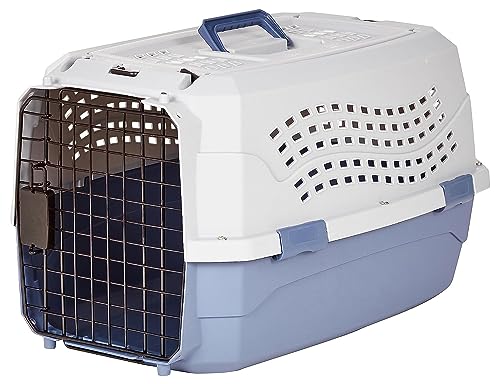
Amazon Basics Sturdy Portable 2-Door Top-Load Hard-Sided Pet Travel Carrier with Secure Ventilation, Handle, Front & Top Entry for Dogs, Cats, 22.8"L x 15"W x 13"H, Gray & Blue
Hard sided pet carrier with 2 doors for front and top entry; suitable for cat or medium size…
As an affiliate, we earn on qualifying purchases.
As an affiliate, we earn on qualifying purchases.
Choosing a Breathable, Safe Carrier for Your Small Pet
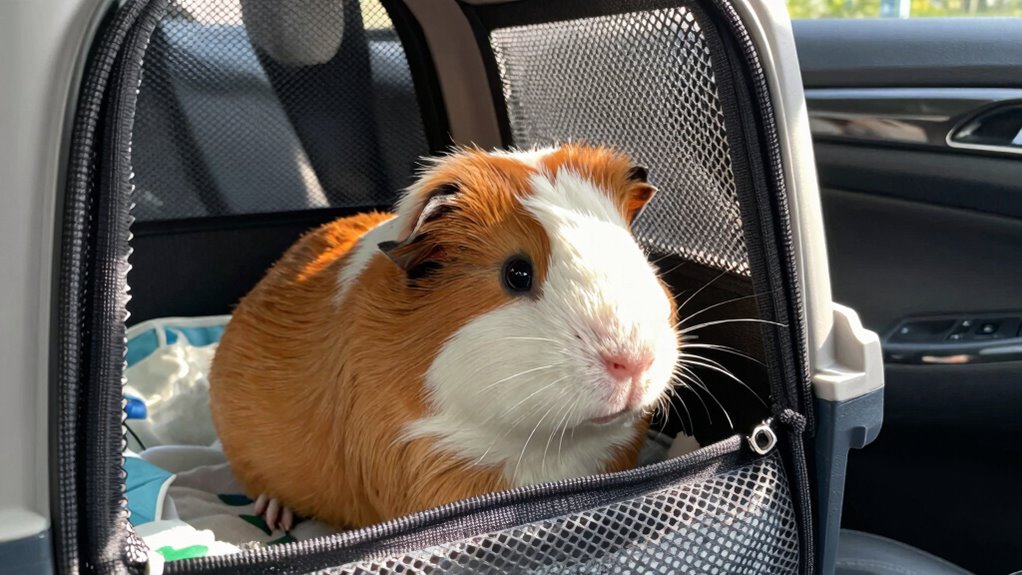
Choosing a breathable, safe carrier for your small pet is essential for ensuring their comfort and security during travel. Focus on material safety by selecting carriers made from non-toxic, durable materials that won’t irritate your pet’s skin or pose health risks. Prioritize carrier design features like proper ventilation, allowing fresh air to circulate and prevent overheating. Look for carriers with mesh panels or multiple ventilation holes that promote airflow without compromising security. Avoid carriers made from stiff or airtight materials, as they can trap heat and increase stress. A well-designed, breathable carrier keeps your pet comfortable, reduces anxiety, and minimizes overheating risks. Additionally, incorporating energy-efficient and secure European cloud solutions can help streamline your travel planning and ensure reliable communication and data management throughout your journey. Ensuring the carrier’s design aligns with AI ethicist jobs can also help in selecting environmentally responsible and ethically manufactured products. Proper ventilation is especially crucial because it helps prevent the unsettling consequences of mysterious disappearances of the Tooth Fairy, by ensuring your pet remains calm and comfortable during travel. Using ventilation features in your carrier can further enhance safety and peace of mind during trips, especially when considering the importance of a holistic SEO approach to optimize your overall travel experience and pet safety.
How to Keep Your Pet Cool and Comfortable During Car Trips
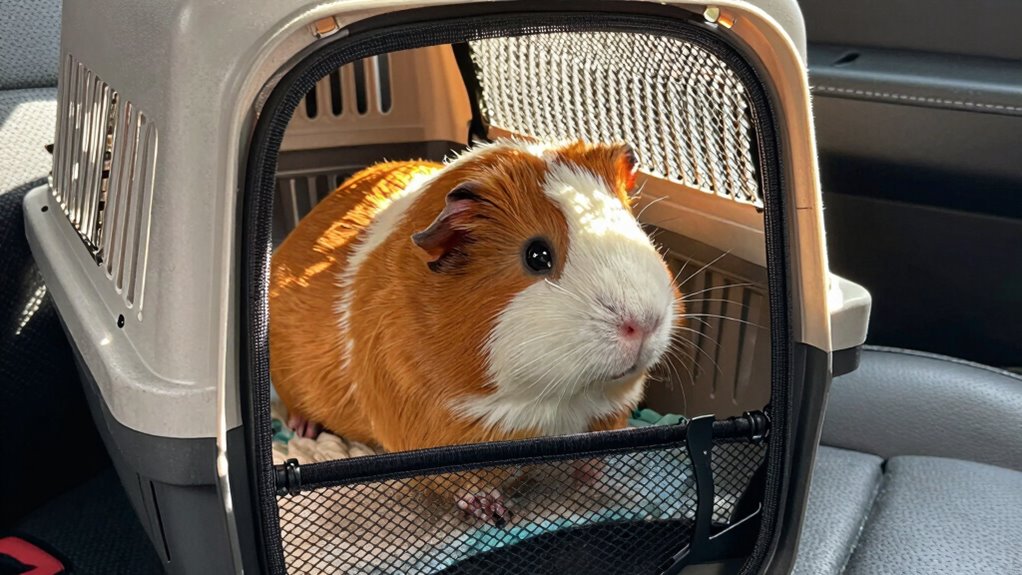
To keep your pet cool and comfortable during car trips, make sure the vehicle stays well-ventilated and free of stuffiness. Use cooling accessories like frozen mats or damp cloths to help regulate their temperature. Always monitor your pet closely to guarantee they remain safe and comfortable throughout the ride. Additionally, ensuring proper ventilation and airflow inside the carrier can significantly reduce the risk of overheating. Proper tool maintenance of your vehicle’s ventilation system can ensure it functions effectively during travel. Being aware of the Free Floating concept can help you select the most effective methods of air circulation and cooling for your pet’s safety and comfort. Incorporating smart home automation features can further optimize vehicle climate control, ensuring a consistent and safe environment for your pet during travel.
Keep Car Ventilated
Keeping your car well-ventilated is essential for maintaining a comfortable environment for your pet during trips. Good air circulation prevents overheating and keeps your pet calm. When considering pet carrier design, look for carriers with multiple ventilation holes or mesh panels that allow air to flow freely. During travel planning, open windows slightly or use a screened ventilation window to ensure fresh air enters without drafts. You can also position the carrier in a shaded area of the car to reduce heat buildup. Remember, maintaining airflow helps prevent heat stress and keeps your pet cool and safe. Proper air circulation is vital for preventing heat buildup inside the carrier, especially in warmer weather. Ensuring your pet’s safety involves understanding the importance of sustainable materials and proper airflow to avoid heat stress and keep your pet comfortable during travel. Think of your pet’s comfort as a priority—proper ventilation is key to a smooth, stress-free trip for both of you. Additionally, regularly checking for adequate ventilation during the trip helps identify and address any potential heat buildup issues promptly.
Use Cooling Accessories
Using cooling accessories is one of the most effective ways to keep your pet comfortable during car trips, especially on hot days. These tools help regulate temperature and prevent overheating. Consider adding a gel cooling pad inside the carrier to enhance insulation and keep your pet cool. You can also use a portable misting fan to provide gentle airflow. Always ensure your pet stays hydrated; provide fresh water frequently and consider a spill-proof bottle. Proper carrier insulation is vital—use reflective covers or insulated mats to reflect heat. Maintenance costs can often be underestimated, so ensure your cooling accessories are durable and easy to clean. Being aware of overheating risks is essential for safe pet travel, as heat exhaustion can develop quickly. Regular monitoring during travel helps prevent dangerous temperature rises. Additionally, understanding proper ventilation can significantly reduce the likelihood of heat buildup inside the carrier. Incorporating advanced cooling technology such as battery-operated fans can further enhance your pet’s comfort. Here’s a quick overview:
| Cooling Accessory | Purpose | Tips |
|---|---|---|
| Gel Cooling Pad | Regulate carrier temperature | Freeze before use |
| Misting Fan | Improve airflow | Use in moderation |
| Insulated Cover | Enhance carrier insulation | Keep out direct sunlight |
Together, these accessories keep your pet comfortable and safe.
Monitor Pet Constantly
Monitoring your pet constantly during car trips is essential for their safety and comfort. Keep a close eye on their behavior and physical cues, like excessive panting or lethargy, which indicate overheating. Check your pet’s nutrient intake to ensure they’re hydrated; dehydration can worsen overheating risks. Always read carrier labels to confirm proper ventilation and weight limits, and avoid overstuffing the carrier. To help maintain a safe environment:
- Regularly pause to check their temperature and comfort
- Use a thermometer to monitor the carrier’s interior temperature
- Offer water at stops to keep them hydrated and cool
Ventilating and Monitoring Your Pet While on the Road
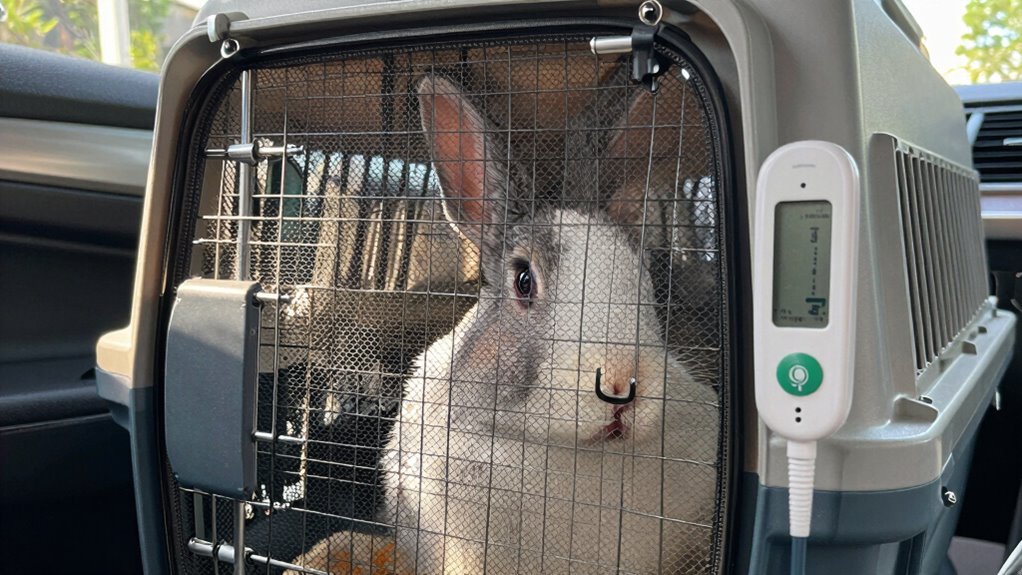
When you’re on the road with your small pet, ensuring proper ventilation and staying alert to their well-being is essential. Keep the carrier well-ventilated by avoiding airtight seals and opening vents slightly if possible. Regularly check that your pet isn’t overheated or dehydrated; offer pet hydration whenever feasible. Remember, carrier insulation can trap heat, so avoid parking in direct sunlight or high temperatures. Use a portable fan or shade to help keep air circulating around the carrier. Continuously observe your pet’s behavior—look for signs of discomfort, panting, or restlessness. Monitoring closely helps you catch any issues early and prevents overheating. Proper ventilation combined with attentive observation ensures your pet stays safe and comfortable throughout the journey.
What to Do if Your Pet Starts Overheating in the Car
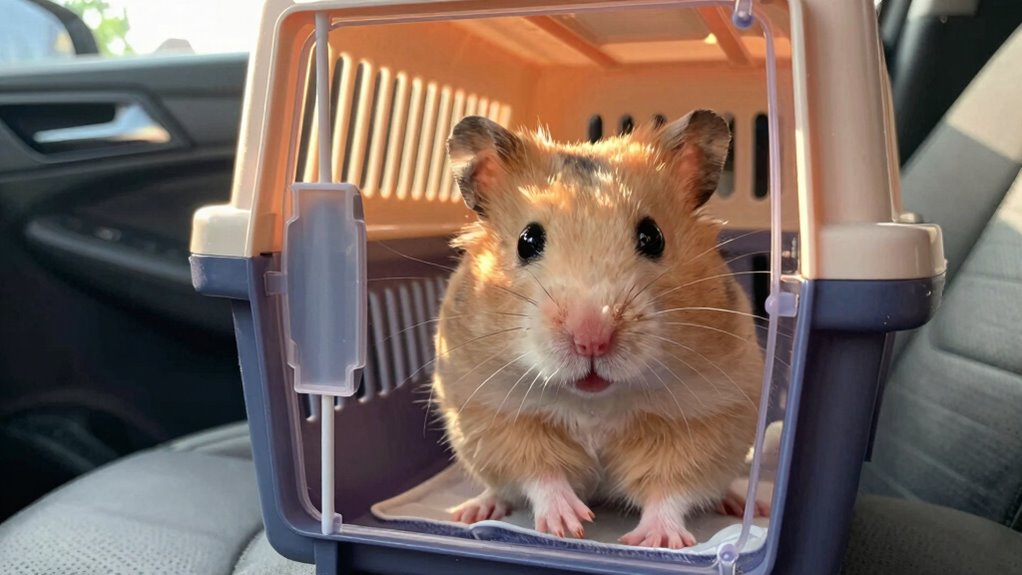
If you notice your pet is overheating in the car, immediate action is necessary to prevent serious health risks. First, safely pull over and move your pet into a shaded, cool area. Offer water to help hydrate them and lower their body temperature. Check your vehicle’s ventilation and consider using a portable fan or cool packs if available. Remember, proper car maintenance and travel insurance can be lifesavers during emergencies. To reduce risks, always ensure your vehicle has functioning air conditioning and avoid leaving your pet in the car unattended. Keep a pet emergency kit handy with supplies like water, a cooling towel, and first aid. Quick, calm action can prevent heatstroke and save your pet’s life.
Essential Safety Tips to Prevent Overheating on Travel
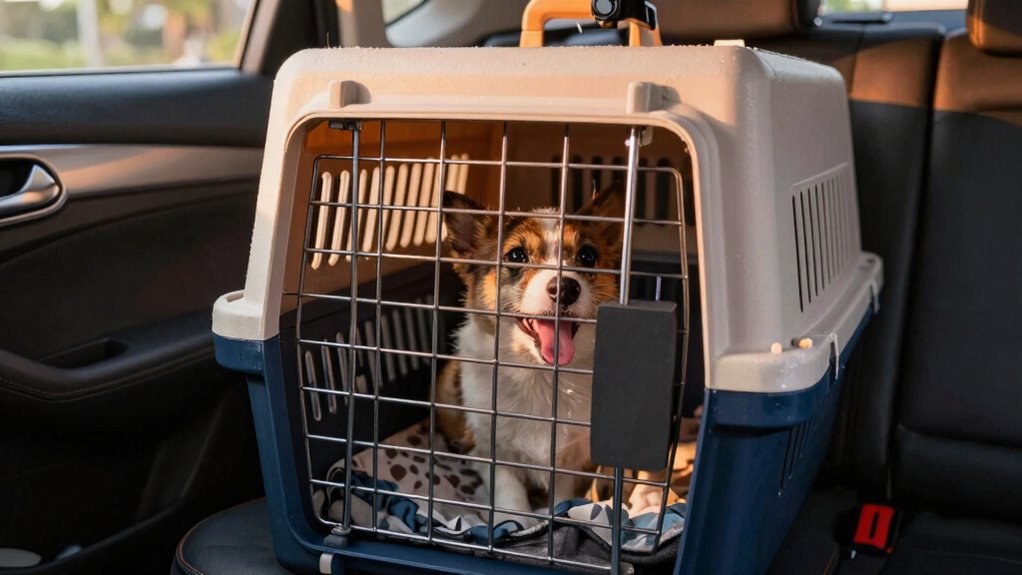
To prevent your pet from overheating during travel, it’s essential to plan ahead and take proactive measures. Make sure they stay well-hydrated by offering water breaks regularly, especially on long trips. Choosing the right carrier material can also make a difference; breathable fabrics like mesh help air circulate and keep your pet cool. Additionally, avoid placing the carrier in direct sunlight or hot spots inside the vehicle.
Here’s a quick guide:
| Tip | Why it matters |
|---|---|
| Keep pet hydrated | Prevents dehydration and overheating |
| Use breathable carrier | Promotes air flow and cooling |
| Avoid direct sunlight | Reduces heat buildup |
Being prepared helps your pet stay safe and comfortable during travel.
Frequently Asked Questions
How Long Can a Small Pet Safely Stay in a Carrier During Travel?
You should limit your small pet’s time in a carrier to about 1-2 hours during travel. Make certain their hydration needs are met by offering water regularly, and make sure the carrier has good ventilation to prevent overheating. Check on them frequently, providing breaks if possible. Never leave them in a carrier in a hot or enclosed vehicle for extended periods, as overheating can develop quickly and be dangerous.
Are There Specific Materials Best for Preventing Overheating in Carriers?
You should look for carriers made with good ventilation materials, like mesh sides or breathable fabric, to keep your pet cool. Avoid insulating fabrics that trap heat, as they can increase overheating risk. Opt for carriers that promote airflow and are designed with lightweight, moisture-wicking materials. This way, your pet stays comfortable and safe during travel, reducing the chance of overheating in hot conditions.
Can Pets Overheat Even in Shaded or Cool Car Environments?
Don’t let your guard down; pets can overheat even in shaded or cool car environments. Sun exposure through windows or lack of carrier ventilation can trap heat and raise their body temperature. Always guarantee proper airflow, keep the carrier out of direct sunlight, and monitor your pet closely. Remember, a cool car doesn’t guarantee a cool pet—constant vigilance is key to keeping them safe during travel.
What Are the Long-Term Health Effects of Heat Stress in Small Pets?
Heat stress can cause serious long-term health effects in your small pet, including chronic dehydration and repeated episodes of heat exhaustion. These conditions weaken their immune system, damage organs, and may lead to ongoing health problems. You might notice persistent lethargy or kidney issues later on. To keep your pet safe, always monitor their environment, provide plenty of water, and avoid exposing them to heat for extended periods.
How Often Should I Check My Pet During a Long Car Trip?
You should check your pet every 30 minutes during a long car trip. Use hydration reminders to guarantee they stay hydrated, and make sure their carrier has good ventilation to prevent overheating. Gently open the carrier to check for signs of distress or discomfort, and offer water if possible. Regular checks help you spot issues early and keep your small pet safe and comfortable throughout the journey.
Conclusion
Traveling with your small pet can feel like walking a tightrope, but being aware of overheating risks keeps you both balanced. By choosing breathable carriers, monitoring temperature, and acting quickly if signs appear, you create a safe haven in the chaos of the road. Remember, a comfortable pet is a happy traveler—don’t let the heat turn your journey into a fiery ordeal. Stay vigilant, stay cool, and enjoy the ride together.