
Auto top-off systems prevent salinity swings caused by evaporation by automatically replenishing lost water, helping keep your tank’s salinity steady. However, if they’re not properly calibrated or maintained, they can overfill, leading to diluted water and unstable conditions. It’s essential to regularly check sensors and adjust your system to avoid this. Keep in mind that with the right setup and oversight, your reef remains healthy and stable—there’s more to learn to optimize your system.
Key Takeaways
- Auto top-off systems maintain consistent water levels, preventing salinity swings caused by evaporation in reef tanks.
- Proper calibration of sensors ensures accurate water detection, avoiding overfilling and salinity fluctuations.
- Inaccurate or faulty sensors can cause overfill, diluting salinity and stressing marine life.
- Regular maintenance and calibration of auto top-off components are essential for stable salinity control.
- Over-reliance on poorly calibrated systems or neglecting evaporation rates can inadvertently cause salinity swings.
auto top-off system for reef tanks
As an affiliate, we earn on qualifying purchases.
As an affiliate, we earn on qualifying purchases.
How Evaporation Affects Your Reef Tank’s Salinity
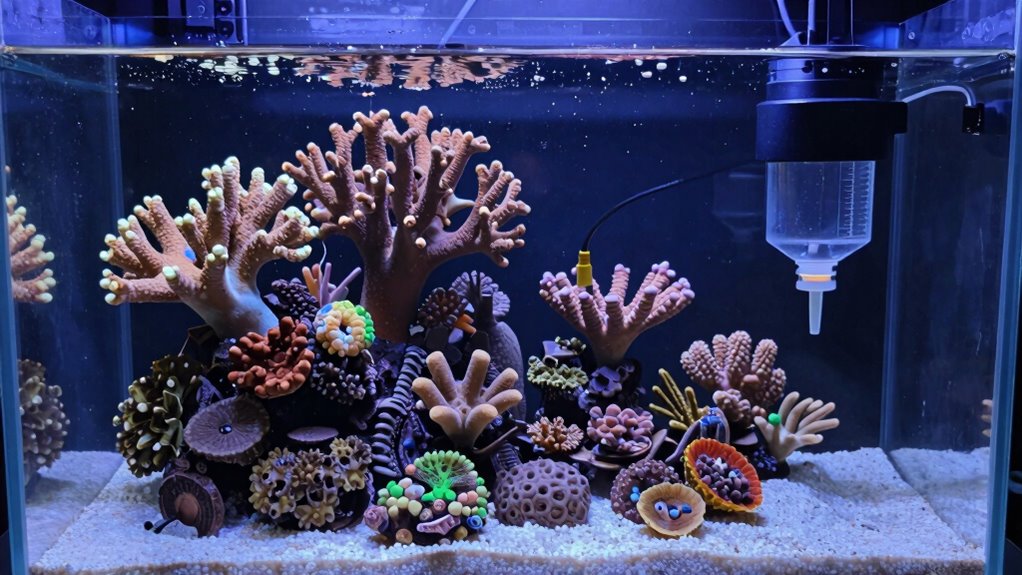
Evaporation is a natural process in your reef tank that causes water levels to drop over time. As water leaves the tank, it leaves behind salt and minerals, which increases the salinity of the remaining water. This leads to salinity fluctuations if you don’t top off regularly. The evaporation rates can vary based on temperature, humidity, and airflow, meaning salinity can rise unpredictably if left unchecked. Sudden changes in salinity stress your corals and fish, impacting their health. Without proper monitoring, even minor evaporation can cause significant swings in salinity levels. That’s why understanding how evaporation affects your reef tank’s salinity is vital. Using top-off systems can help automate water replenishment and maintain stability. Properly calibrated auto top-off systems can prevent these fluctuations by adjusting water levels automatically, reducing the risk of salinity swings. Regularly checking salinity levels and adjusting your system accordingly can further enhance stability. Implementing reliable salinity control methods is essential for keeping your reef environment stable and healthy. Consistent water top-offs help maintain stable conditions, preventing the negative effects of fluctuating salinity.
How Auto Top-Off Systems Help Keep Salinity Stable
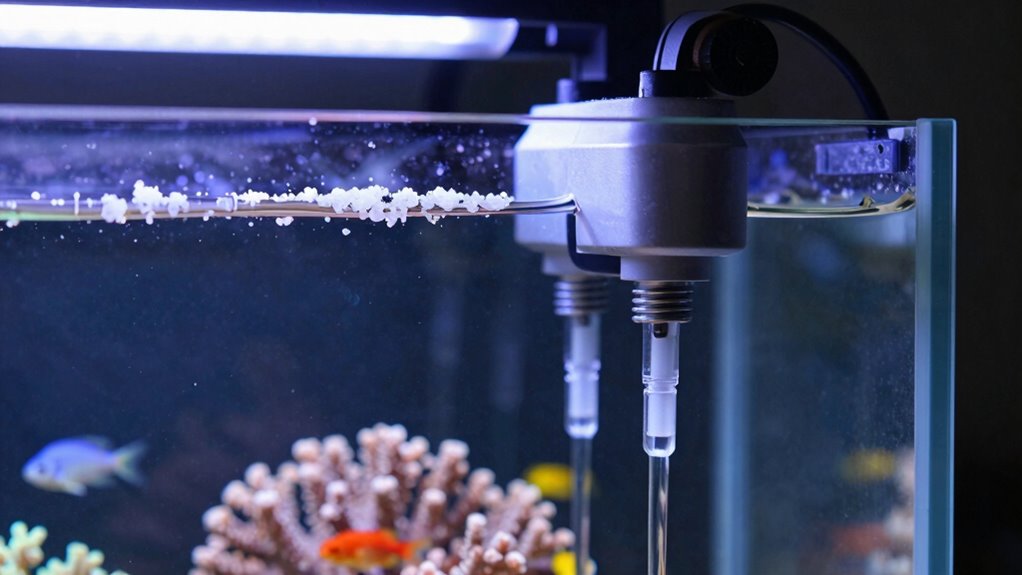
Auto top-off systems automatically replenish lost water, ensuring your reef tank maintains a consistent water level. By doing so, they play a crucial role in controlling salinity fluctuations caused by evaporation. When water evaporates, only pure water leaves, increasing salinity if not corrected. An auto top-off system detects this water loss and adds fresh water accordingly, preventing salinity from rising too high. This evaporation management helps keep your parameters stable, reducing stress on your corals and fish. Without an auto top-off system, you’d need to manually top off your tank regularly, risking delayed responses and uneven salinity adjustments. Properly set up, these systems provide a reliable way to maintain a stable environment, making your reef tank healthier and easier to manage over time. Using sizing and load‑planning tools can help ensure your auto top-off system is appropriately matched to your tank’s needs. Additionally, regular monitoring of salinity levels is essential to catch any unexpected fluctuations that might occur despite the system’s operation. Being aware of water chemistry and how it interacts with your auto top-off system is vital for maintaining optimal conditions. Incorporating reliable sensors can further improve the system’s accuracy and responsiveness, ensuring consistent salinity levels. Moreover, choosing systems with advanced automation features can enhance precision and reduce manual oversight.
Common Mistakes When Setting Up Auto Top-Off Systems
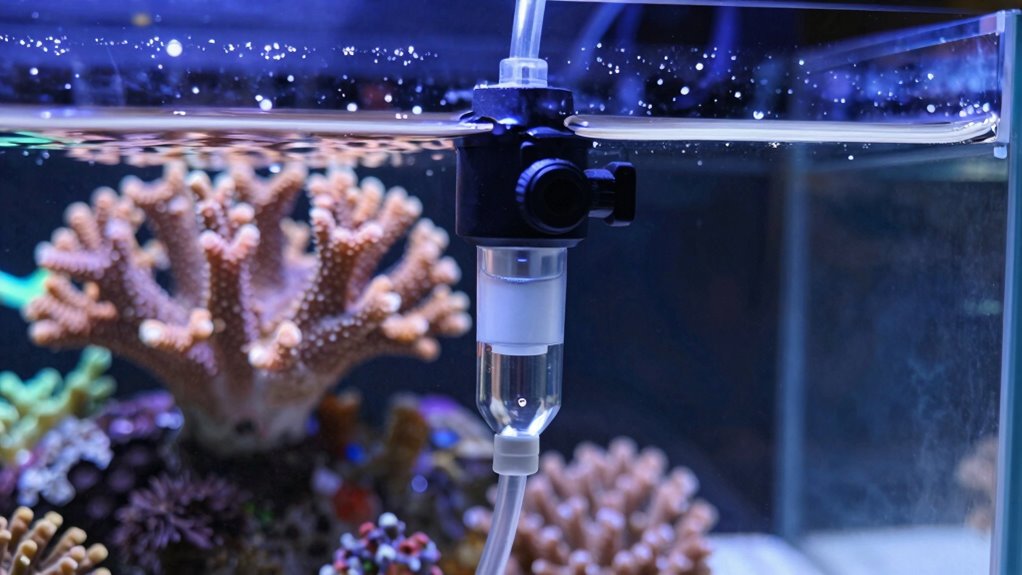
Setting up an auto top-off system might seem straightforward, but many beginners make common mistakes that can compromise its effectiveness. One key error is neglecting proper equipment calibration, which can lead to inaccurate water levels and cause salinity fluctuation. If the sensors aren’t calibrated correctly, your system may overfill or underfill, risking instability in your tank’s salinity. Another mistake is failing to regularly check and maintain the system, allowing buildup or drift in sensor accuracy. Installing the float switches or sensors improperly can also cause malfunctions. To prevent issues, always calibrate your equipment according to the manufacturer’s instructions and verify sensor readings frequently. Proper setup and ongoing maintenance are essential to keep salinity stable and avoid unnecessary fluctuations.
Why Auto Top-Off Can Overfill and How to Prevent It
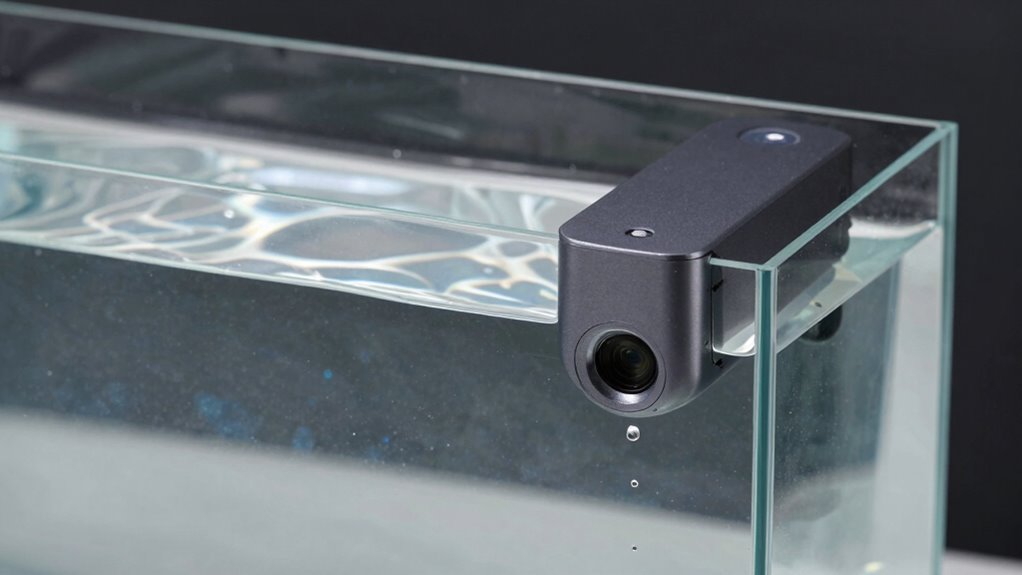
Have you ever wondered why your auto top-off system sometimes overfills your tank? It often happens when the system lacks proper calibration or fails to account for evaporation rates accurately. Overfilling can dilute calcium levels, disrupting your calcium balance, which impacts coral growth and health. Additionally, excess freshwater can cause nitrate control issues, encouraging algae growth. To prevent this, regularly calibrate your auto top-off system, ensuring it only adds the necessary amount of water. Using float sensors with fail-safes or timers helps avoid overfill situations. Monitoring evaporation closely helps you set appropriate refill levels. Understanding salinity swings and their effects enables you to maintain stable water parameters. Maintaining precise control over water addition minimizes salinity fluctuations, preserves calcium balance, and keeps nitrate levels stable, ensuring a healthy, thriving reef environment. Being aware of evaporation rates can help you fine-tune your refill thresholds for optimal water chemistry stability. Regularly observing and adjusting for evaporation variability ensures your system responds accurately to changing tank conditions.
Troubleshooting Overfill and Other Auto Top-Off Problems
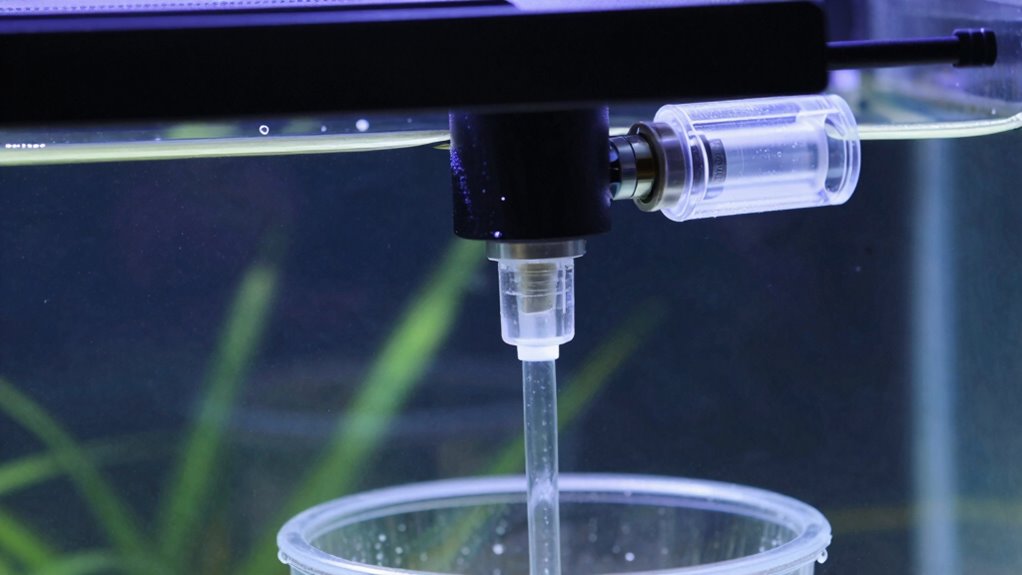
When your auto top-off system overfills or acts up, it’s usually due to common causes like faulty float switches or evaporation errors. You can fix these issues by adjusting the float switches or checking for evaporation-related water level changes. Additionally, understanding the impact of evaporation on water levels can help prevent false triggers and ensure your system functions correctly. Regular maintenance, such as cleaning filters and inspecting components, can also prevent many auto top-off problems. Moreover, monitoring air quality considerations in your environment can influence how often your system needs adjustments, helping to optimize performance and prevent overfill scenarios. Since system design plays a crucial role in auto top-off functionality, ensuring your system is properly installed and configured can reduce potential issues. Being aware of performance ratings can guide you in selecting more reliable components, which in turn reduces troubleshooting needs. Properly managing system calibration can also improve accuracy and reliability of the auto top-off process. Let’s explore how to troubleshoot these problems effectively.
Common Overfill Causes
Overfills in auto top-off systems often occur due to faulty sensors or improper calibration. When water level sensors fail or aren’t adjusted correctly, they can cause continuous watering, leading to overfill. To prevent this, check these common issues:
- Dirty or debris-covered sensors that don’t detect water accurately
- Incorrect sensor placement, causing false signals
- Faulty float switches or worn-out parts
Additionally, overfilling can dilute calcium supplementation, affecting coral health, or wash away algae control treatments. Ensuring your sensors are clean, properly positioned, and functioning correctly helps maintain consistent water levels. Regular maintenance minimizes the risk of overfill, keeping your tank stable and your livestock safe. Using sensor calibration techniques can further improve detection accuracy and prevent salinity swings. Proper system monitoring and timely adjustments are essential for a healthy reef ecosystem. For example, implementing automatic shutoff features can provide an extra layer of protection against overfilling. Addressing these causes promptly prevents salinity swings and preserves a healthy reef ecosystem. Additionally, understanding the salinity stability is crucial for maintaining optimal conditions and avoiding sudden fluctuations that can harm your aquatic life.
Adjusting Float Switches
Adjusting float switches is a straightforward way to prevent overfill problems and guarantee your auto top-off system works reliably. Proper float switch adjustments ensure the water level stays consistent, avoiding salinity swings caused by overfilling or underfilling. To achieve accurate salinity calibration, you need to set the float switch at the right height. Here’s a quick reference:
| Step | Action | Tip |
|---|---|---|
| 1 | Turn off the system | Safety first before adjustments |
| 2 | Adjust float height | Match desired water level |
| 3 | Test overfill | Fill tank slightly to check switch response |
| 4 | Fine-tune | Repeat to perfect salinity calibration |
Regularly reviewing and adjusting your float switch helps maintain stable salinity and prevents costly mistakes. Additionally, understanding Free Floating systems can help you better manage your pool or aquarium setup for optimal performance. Monitoring performance metrics can also assist in early detection of issues before they escalate.
Preventing Evaporation Errors
Evaporation can cause your auto top-off system to overcompensate, leading to overfill problems if not properly managed. To maintain salinity stability and effective evaporation control, you need to prevent these errors. First, regularly calibrate your float switch or sensor to ensure accurate water level detection. Second, install an overflow or fail-safe mechanism to prevent overfill during sensor failure or misreading. Third, monitor evaporation rates daily; understanding these helps you set appropriate auto top-off parameters and avoid unnecessary water additions. Additionally, proper system calibration is crucial for maintaining consistent water levels. By implementing these steps, you minimize the risk of overfilling and salinity swings, ensuring your system maintains consistent water levels and ideal aquarium health. Proper evaporation control keeps your auto top-off system functioning reliably and preserves salinity stability. Additionally, utilizing smart monitoring devices can provide real-time alerts and further enhance system reliability.
Best Practices for Maintaining Your Auto Top-Off System

To keep your auto top-off system running smoothly, regular maintenance is essential. Check the system frequently to guarantee it’s functioning properly and the sensors are clean. Dirty or misaligned sensors can cause inaccurate water level readings, leading to salinity fluctuations. Monitor evaporation rates closely, especially during seasonal changes, so you can adjust the system’s settings as needed. Use quality, stable water sources to prevent mineral buildup or contamination. Replace or calibrate sensors periodically to maintain accuracy. Keep the reservoir clean and free of algae or debris that could interfere with water levels. Consistent maintenance minimizes the risk of overfilling or underfilling, helping you avoid salinity swings and keep your reef environment stable.
How to Ensure Your Auto Top-Off Supports a Healthy Reef

To keep your reef healthy, you need to regularly check and calibrate your auto top-off system to guarantee accurate water levels. Using a stable salt mix helps maintain consistent water chemistry, reducing stress on your corals and fish. By paying attention to these points, you can support a thriving, balanced reef environment.
Regular Calibration Checks
Regular calibration checks are essential to guarantee your auto top-off system keeps your reef healthy and stable. Without proper calibration, sensor accuracy can decline, causing incorrect water levels and salinity fluctuations. To prevent this, you should:
- Check calibration frequency regularly—at least once a month or after any system maintenance.
- Use calibration solutions to verify sensor accuracy and adjust as needed.
- Keep an eye on sensor performance, replacing it if it consistently provides inconsistent readings.
Consistent calibration ensures your system responds accurately to water level changes, avoiding salinity swings. Remember, even small inaccuracies can have significant impacts over time. Staying vigilant with calibration checks maintains a stable environment, supporting your reef’s health and growth.
Use Stable Salt Mix
Choosing a stable salt mix is essential to guaranteeing your auto top-off system supports a healthy reef. A consistent salt mixture helps prevent salinity fluctuations that can stress your marine life. When selecting a salt mix, look for one with a proven track record of stability and minimal variability in parameters like calcium, alkalinity, and magnesium. Using a reliable salt mixture reduces the risk of sudden changes in salinity, which can cause rapid swings that harm sensitive corals and invertebrates. Always follow the manufacturer’s instructions for mixing and storage, and avoid switching brands frequently. Consistency in your salt mixture ensures your auto top-off system maintains stable salinity levels, promoting a healthier, more resilient reef environment.
Next Steps: Setting Up and Fine-Tuning Your Auto Top-Off System

Once you’ve selected the right auto top-off system for your tank, the next step is to carefully set it up and fine-tune its operation. First, position the sensors and float switches to avoid interference with water flow or lighting schedules. Next, calibrate the system to ensure accurate water level detection, preventing overfilling. Finally, monitor how your water level responds during different lighting schedules, adjusting the auto top-off timing if necessary. Keep these points in mind:
- Verify sensor placement to prevent false readings.
- Adjust fill rates based on evaporation patterns.
- Observe how water flow impacts salinity stability over time.
Regularly check the system’s performance to maintain consistent water levels and salinity, avoiding swings that could stress your tank inhabitants.
Frequently Asked Questions
Can Auto Top-Off Systems Work With Any Reef Tank Size?
Auto top-off systems can work with most reef tank sizes, but tank compatibility depends on your system’s scalability. Smaller tanks may need simpler, more precise units, while larger tanks benefit from advanced setups with multiple sensors. You should choose a system that matches your tank’s volume and complexity, ensuring reliable water level maintenance without risking salinity swings. Properly scaling your system helps maintain stable conditions regardless of your tank size.
How Often Should I Calibrate My Auto Top-Off System?
You should calibrate your auto top-off system regularly—think of it as keeping your eye on the ball. Generally, check the calibration every 2-4 weeks to ensure accuracy. Use saltwater testing during calibration to verify the system’s readings match your tank’s actual salinity levels. Consistent calibration prevents salinity swings, so make it part of your routine to keep your reef thriving and stable.
What Safety Features Should I Look for in an Auto Top-Off System?
You should look for safety features like sensor accuracy and salinity stability in your auto top-off system. Make sure it has fail-safes such as float switches or backup sensors to prevent overfilling or salinity swings. A system with alarms or alerts for sensor errors keeps you informed of issues. Prioritize systems with reliable components to maintain consistent salinity and avoid damaging fluctuations in your aquarium.
How Does Temperature Fluctuation Affect Auto Top-Off Performance?
Temperature fluctuations can impact your auto top-off system’s performance by affecting temperature stability and evaporation rates. When water temperature varies, evaporation rates change, causing the system to add or withhold water unexpectedly. This can lead to salinity swings and inconsistent water levels. To maintain ideal performance, verify your system can account for temperature changes, and keep your tank temperature stable, so evaporation rates stay consistent and your auto top-off functions accurately.
Are There Eco-Friendly Auto Top-Off Options Available?
Think of eco-friendly auto top-off options as a revitalizing change for your reef. You can choose biodegradable solutions, which break down naturally and reduce environmental impact. Solar-powered devices are also a great choice, harnessing sunlight to operate efficiently without electricity. These options help maintain your tank’s health while protecting the planet, making your hobby more sustainable and environmentally conscious.
Conclusion
By mastering your auto top-off system, you’re steering your reef tank through calm waters, avoiding the dangerous whirlpools of salinity swings. Think of it as a reliable lighthouse, guiding your tank to stable, healthy conditions. With careful setup and regular maintenance, you’ll keep the waters balanced and vibrant. Remember, a well-tuned auto top-off isn’t just a tool—it’s the steady heartbeat of your thriving reef. Keep it steady, and watch your aquatic world flourish.