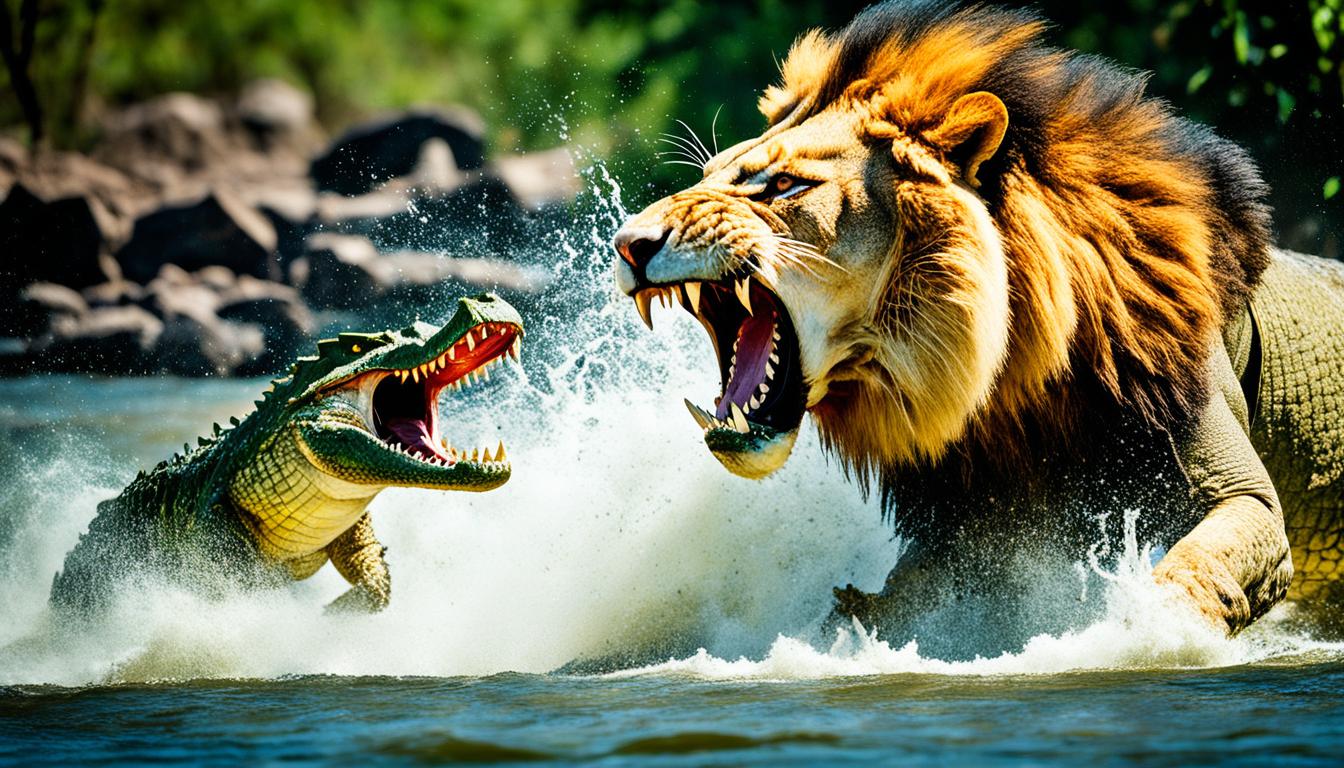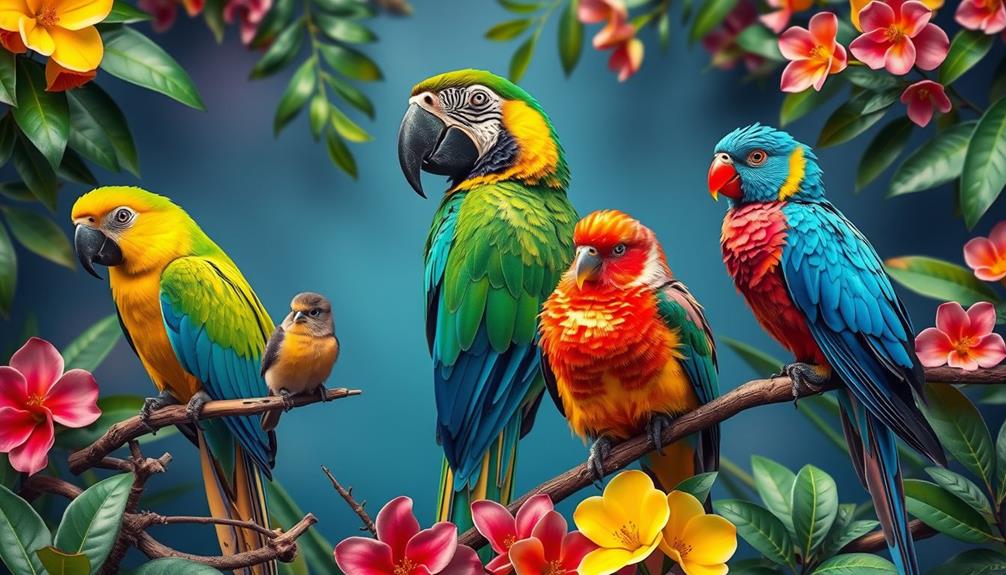

You might wonder if animals dream like humans do. Evidence shows that during sleep, animals experience brain activity, physical signs like twitching, and REM cycles similar to ours. These clues suggest they are processing memories and possibly reliving experiences, much like we do in dreams. Different species show comparable sleep behaviors, implying shared dreaming traits. If you keep exploring, you’ll uncover more fascinating insights into how animals’ minds work during sleep.
Key Takeaways
- Animals experience sleep cycles with REM stages similar to humans, indicating potential for dreaming.
- Brain activity during REM sleep in animals mirrors patterns associated with human dreaming.
- Physical signs like twitching and eye movements during sleep suggest animals are reliving experiences.
- Evidence shows animals’ sleep behaviors and brain functions resemble those linked to dreaming in humans.
- Shared sleep patterns across species imply animals likely have internal mental experiences akin to dreams.
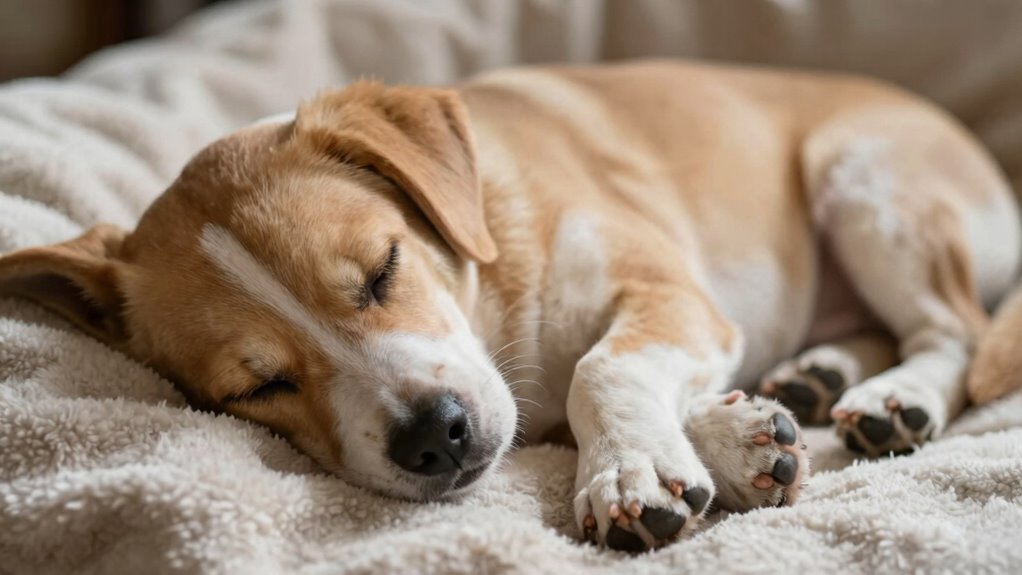
Have you ever wondered if animals experience dreams like humans do? It’s a fascinating question that researchers have been exploring for years. While we understand a lot about human sleep cycles, the idea that animals might share similar patterns isn’t far-fetched. When you sleep, your brain goes through specific stages, including REM (Rapid Eye Movement) sleep, which is when most dreaming occurs. Animals, from cats and dogs to dolphins and birds, also go through these sleep cycles, and during REM sleep, their brain activity mirrors what happens in human dreaming.
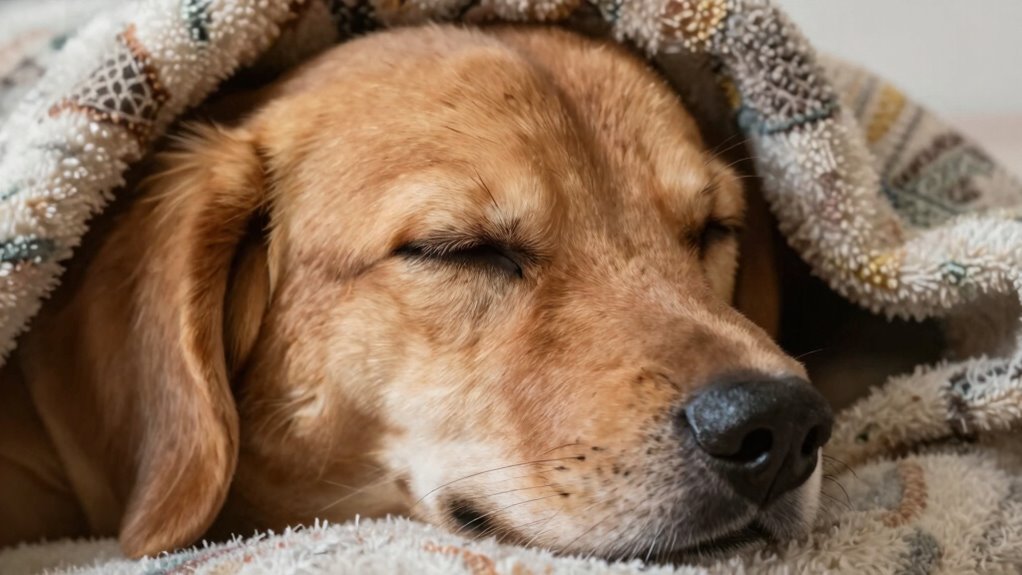
Scientists have observed that during REM sleep, the brain activity of animals shows patterns of electrical signals similar to ours. This suggests they are not merely resting but actively processing experiences or memories, much like humans do when they dream. For example, when dogs are in REM sleep with their eyes flickering beneath closed eyelids, they often twitch or move their paws. These physical signs point to the possibility that they’re reliving events from their day, such as chasing a ball or playing with a friend. The consistency of these behaviors across different species indicates that dreams could be a common feature among animals with complex brains.
Animals’ brain activity during REM sleep suggests they are reliving experiences, hinting that they might dream like humans do.
Your understanding of sleep cycles is essential to grasping how animals might dream. In humans, sleep is divided into several stages, cycling throughout the night, with REM periods growing longer as the night progresses. Many animals exhibit a similar pattern: alternating between deep sleep and REM sleep. The duration and frequency of these REM phases vary among species but, generally, they seem to serve the same purpose—restoring the brain and consolidating memories. Given that the same brain activity patterns occur during REM sleep in animals as in humans, it’s reasonable to infer that animals are experiencing something akin to dreams.
While we can’t ask animals whether they dream or not, the evidence from their sleep cycles and brain activity points toward an intriguing possibility—they do. Their brains process information during sleep, and their physical reactions during REM sleep suggest they’re experiencing internal images or scenarios. So, as you observe your pet snoozing peacefully, it’s likely they’re dreaming about their own adventures and experiences, just like you do. The idea that animals share this complex aspect of human sleep underscores the remarkable similarities in how brains operate across the animal kingdom.

FitBark 2 Dog Activity Monitor | Health & Fitness Tracker for Dogs | Waterproof, Small & Leightweight (10 g) | Not a GPS Tracker
- Activity Monitoring: Tracks activity, sleep, and health metrics
- Long Battery Life: Up to 6 months on a single charge
- Lightweight & Waterproof: Only 10g, rugged and waterproof design
As an affiliate, we earn on qualifying purchases.
As an affiliate, we earn on qualifying purchases.
Frequently Asked Questions
Do All Animals Dream or Only Certain Species?
You might wonder if all animals dream or only certain species. Research shows many animals, especially mammals and birds, experience dreaming behaviors during sleep, based on their sleep patterns and brain activity. While we can’t confirm every species dreams, those with complex brains and REM sleep cycles are more likely to do so. So, it’s probable that dreaming isn’t exclusive to humans but varies among different animals.
How Do Scientists Measure Animal Dreams?
Scientists measure animal dreams by monitoring neural activity during REM sleep, which is linked to dreaming in humans. You can observe brain wave patterns, muscle movements, and eye movements that indicate REM sleep phases. Using EEGs and other recording devices, researchers detect heightened neural activity similar to human dreaming. These signs suggest that many animals experience dreams, as their brain activity during REM sleep mirrors what happens during human dreams.
Are Animal Dreams Similar Across Different Environments?
You notice animals dreaming differently across environments, like a fox darting through a snowy forest versus a dolphin gliding in warm ocean waters. Animal sleep patterns and dream content variability reflect these surroundings. In quiet woods, dreams may focus on survival, while in bustling urban areas, they might include noise and activity. So, yes, animal dreams are quite diverse, shaped by their environment and daily experiences.
Can Animals Remember Their Dreams Later?
You might wonder if animals can remember their dreams later. While their memory retention varies among species, some animals, like dogs and cats, do show signs of dream recall, especially after REM sleep. However, it’s unclear how vividly they remember dreams or if they can recall them consciously. Generally, their ability to remember dreams isn’t as developed as humans, but their sleep behaviors suggest some level of dream memory.
Do Animals Dream More During Certain Life Stages?
You might notice that animals dream more during specific life stages, such as puppyhood or old age, based on their sleep patterns. During these times, their sleep cycles often change, leading to more REM sleep when dreaming occurs. Dream content analysis suggests that younger animals process new experiences, while older animals might dream about familiar routines. These variations reflect shifts in brain activity and rest needs across different stages of life.
Conclusion
Just like you might wake up smiling after a good dream, animals probably experience their own nightly adventures. Imagine a dog dreaming of chasing a ball, tail wagging in sleep—showing their dreams are just as vivid. Studies suggest many animals enter REM sleep, the stage linked to dreaming. So, next time your pet twitches or barks in their sleep, remember—they’re exploring worlds as rich and colorful as your own, dreaming just as deeply.