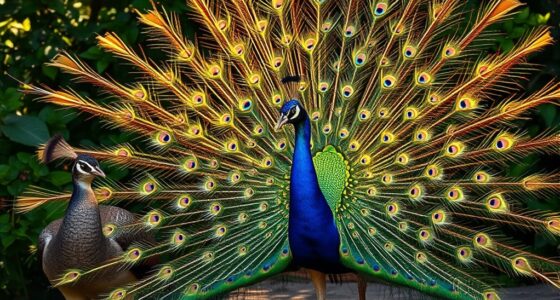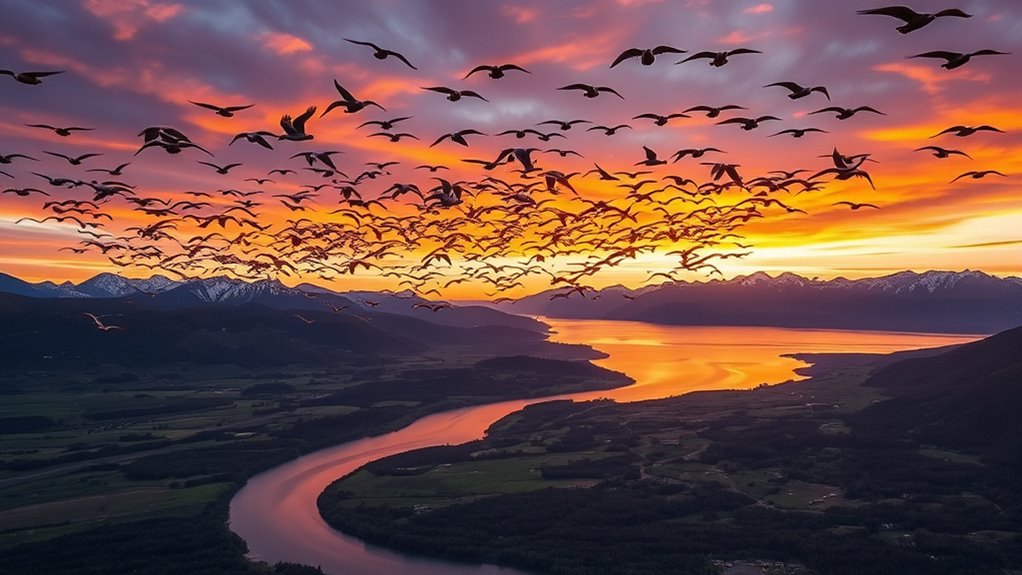

Animals navigate during migration using a mix of techniques. They rely on Earth’s magnetic field as a compass, guiding them through cloudy skies or unfamiliar terrain. During the day, birds follow the sun, and at night, they use stars for direction. Young animals learn from their elders, honing their navigation skills through experience. Some species even combine various cues—like environmental factors—to adapt routes. To discover more about these fascinating navigation methods, keep exploring this topic.
Key Takeaways
- Animals use Earth’s magnetic field as a compass, enabling them to navigate accurately even in unfamiliar environments or poor weather conditions.
- Birds and other species rely on celestial cues, such as the sun and stars, to orient themselves during migration.
- Young animals learn navigation skills from experienced adults, enhancing their ability to travel long distances accurately.
- Many animals combine multiple navigation methods, including magnetic, celestial, and environmental signals, to adapt to changing conditions.
- Successful migration relies on precise navigation, which is crucial for survival and breeding success across various animal species.
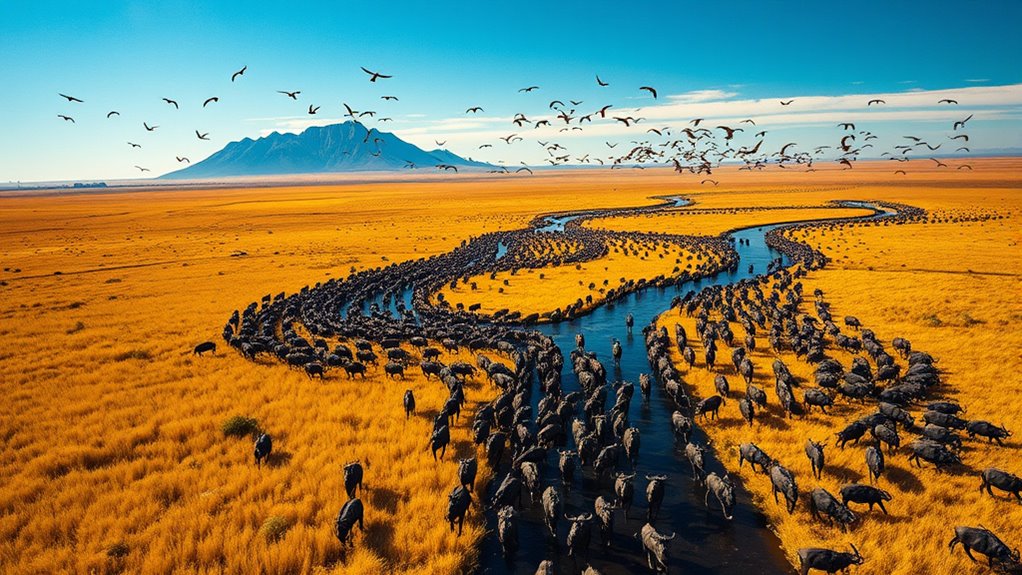
Have you ever wondered why so many animals set out on long journeys every year? Migration is a fascinating phenomenon, and it’s not just about following the seasons or finding food. Animals have developed remarkable skills to navigate vast distances, and understanding these methods can deepen your appreciation for their incredible journeys. One of the primary ways animals find their way is through magnetic navigation. Many species, including birds and sea turtles, can sense the Earth’s magnetic field, using it as a compass to guide their travels. Imagine being able to feel the invisible lines of the planet beneath you, allowing you to know which direction to head in, even when the sky is cloudy or the landscape looks unfamiliar.
In addition to magnetic navigation, animals often rely on celestial cues. Birds, for instance, use the position of the sun during the day and the stars at night to orient themselves. You might picture a flock of birds flying in a perfect V formation under a starlit sky, each one instinctively knowing when to adjust their flight path based on the twinkling constellations above. This ability is especially vital for those making long, non-stop migrations over oceans or vast land areas where landmarks are scarce.
Interestingly, these navigation skills aren’t just innate; they can also be honed through experience. Young animals usually learn from older, more experienced counterparts. This social learning can enhance their navigation skills, ensuring that they can undertake these epic journeys successfully. You can think of it as a rite of passage, where the young ones are guided by the veterans who’ve made the journey countless times before.
Moreover, some animals combine various navigation techniques. For instance, sea turtles often use magnetic navigation to find their way back to the beaches where they hatched. However, they also rely on ocean currents and water temperature, showcasing a remarkable adaptability in their navigation skills. Understanding how animals navigate is crucial for conservation efforts aimed at protecting their migratory routes.
Amazon Product B0G4X3BCGT
As an affiliate, we earn on qualifying purchases.
Frequently Asked Questions
Do Animals Migrate Alone or in Groups?
Animals often migrate in groups, leveraging group behavior for safety and efficiency. These social dynamics help them navigate challenges during their journey. Migration triggers, like changes in temperature and food availability, can prompt whole herds or flocks to move together. By traveling in numbers, they can better avoid predators and share knowledge about routes, enhancing their chances of survival and successful migration. So, you’ll see many animals traveling alongside each other.
How Do Environmental Changes Affect Migration Patterns?
Environmental changes can profoundly affect migration patterns by altering the environmental cues animals rely on. When temperatures shift or food sources become scarce, you might notice changes in migration timing. Animals often adjust their schedules to match the availability of resources or suitable habitats. If spring arrives earlier or there’s a change in weather patterns, you’ll see species adapting their migration routes and timing to survive and thrive in their environments.
What Role Do Predators Play During Migration?
When it comes to migration, you’ve got to remember that it’s a jungle out there. Predators play a pivotal role in shaping migration patterns. Animals develop migration safety strategies to avoid becoming prey, which can influence their routes and timing. Predator-prey interactions can create a ripple effect, impacting population dynamics and migration success. By staying alert and adapting to threats, animals increase their chances of survival during these perilous journeys.
Can Climate Change Disrupt Animal Navigation?
Yes, climate change can disrupt animal navigation. As temperatures rise and habitats shift, animals may lose essential navigational cues, like landmarks and food sources. Changes in magnetic fields can also affect their magnetic senses, leading to confusion during migration. You might notice species arriving too early or too late, struggling to find their way. This can have serious consequences for their survival and the ecosystems that rely on these migratory patterns.
Are There Any Specific Tools for Tracking Animal Migration?
Ever wondered how scientists keep tabs on animal migration? They use tracking devices like GPS collars and satellite monitoring systems to follow animals in real-time. These tools help researchers gather data on migration routes, behaviors, and environmental impacts. With such technology, you can see how animals adapt to changing habitats and climates. By tracking these migrations, we can better understand and protect various species and their journeys across the globe.
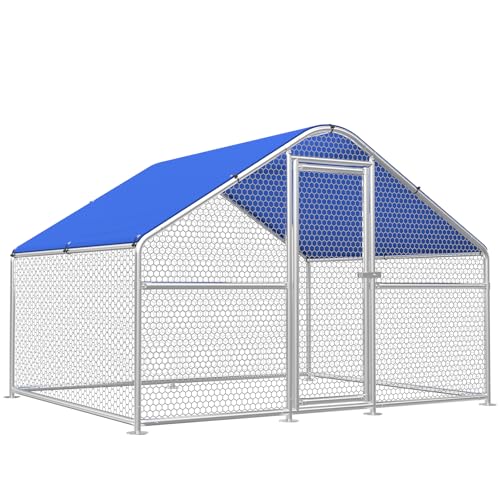
Large Metal Chicken Coop with Hexagonal Chicken Wire, Chicken Coop Run Pen for Yard with Waterproof Cover, Outdoor Large Walk-in Chicken Coops for 8 Chickens Duck Pen House Cage Run
【Sturdy PVC-coated Wire Mesh】Guiferland chicken coop uses tightly-woven 1-inch PVC-coated hexagonal chicken wire mesh, offering rust-resistant durability for...
As an affiliate, we earn on qualifying purchases.
Conclusion
As you explore the fascinating world of animal migration, you can’t help but marvel at how some species travel thousands of miles with incredible precision. Did you know that the Arctic Tern migrates around 44,000 miles each year, making it the longest migration of any animal? This staggering journey showcases nature’s remarkable navigation skills and reminds us of the interconnectedness of ecosystems. So, next time you see birds in flight, think about the incredible journeys they undertake.

Aivituvin Heated Dog House Outdoor & Indoor Dog Kennel with Insulated Liner & Heating System for Winter Waterproof Large Dog Cage for Small & Medium & Large Dogs,Unique All-Around Iron Frame
Heated Design - Our dog kennel Features a built-in heating system with insulation liner to keep pets warm...
As an affiliate, we earn on qualifying purchases.

GUTINNEEN Heated Outdoor Dog House, 2-Windows Weatherproof Shelter with Reinforced Metal Frame, Heating Pad& Insulated Thermal Liner for All-Season Use (Fits Small, Medium, Large Dogs)
【Give Your Best Friend The Gift of Constant, Perfect Warmth】:Our smart thermostat auto-adjusts between 85-115°F, while dual-layered safety—featuring...
As an affiliate, we earn on qualifying purchases.