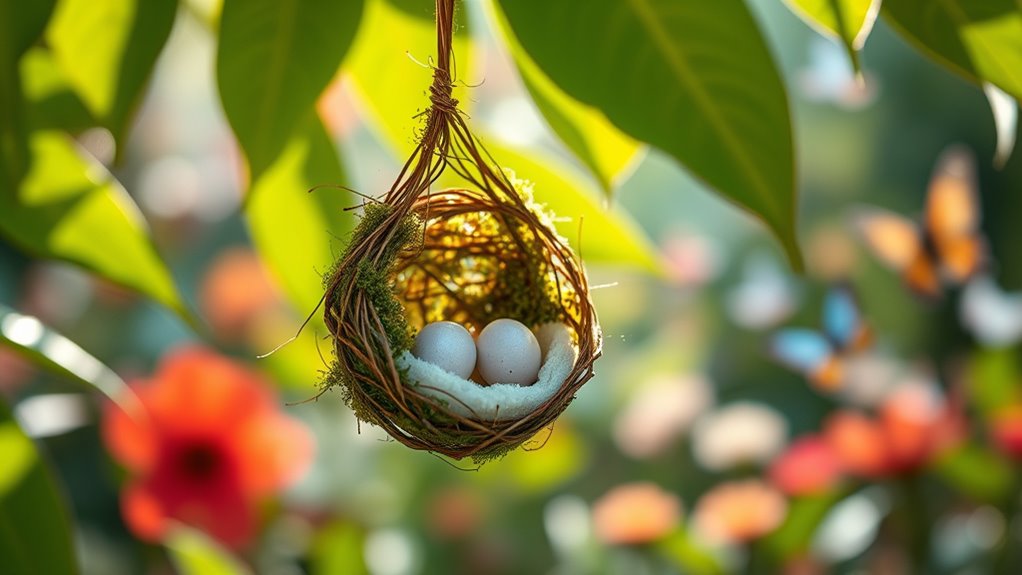

Nest building is a fascinating display of architecture in the animal kingdom, especially among birds. They gather materials like twigs, mud, and even plastic to create safe spaces for their young. You’ll see intricate designs, from weaver birds’ hanging nests to robust mudlark structures. Each nest reflects its maker’s adaptability and resourcefulness in various environments. The creativity birds show in their construction is truly remarkable, and there’s so much more to uncover about their unique building techniques.

Get pet supplies delivered free with Prime
- Fast, free delivery on millions of items
- Prime Video, Amazon Music and more included
- Member-only deals all year
Key Takeaways
- Birds utilize a variety of materials, showcasing adaptability and resourcefulness in nest construction based on their environment.
- Nest-building techniques vary significantly among species, reflecting unique architectural styles tailored to specific survival needs.
- Environmental adaptations influence material selection and building methods, especially in urban settings where human debris is incorporated.
- The process of nest construction highlights birds’ creativity and resilience, offering insights into their survival strategies.
- Observing nest building reveals the intricate relationship between avian species and their habitats, emphasizing nature’s architectural marvels.
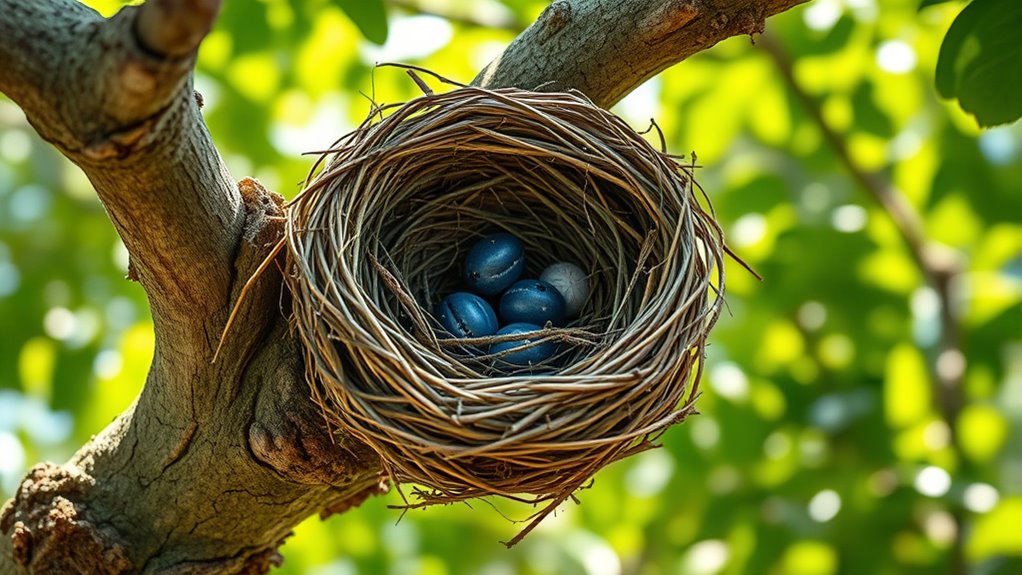
Have you ever wondered how birds create their intricate nests? It’s fascinating to think about how these tiny architects gather materials and employ unique building techniques to construct their homes. Each species has its own approach, showcasing a variety of styles and preferences that reflect their environments. You might be surprised to learn that the selection of materials plays a essential role in how effective and durable these nests turn out to be.
Birds are remarkable architects, using diverse materials and techniques to craft intricate nests that reflect their unique environments.
When birds set out to build a nest, they often choose materials based on what’s available in their surroundings. For instance, some might opt for twigs, leaves, and grasses, while others might incorporate feathers, mud, or even human-made items like string or plastic. This material selection is fundamental, as it not only affects the nest’s insulation and protection but also its camouflage from predators. By carefully choosing materials, birds ensure that their nests can withstand weather changes and provide a safe space for their young.
As you observe different bird species, you’ll notice an impressive array of building techniques in action. For example, the weaver bird is known for its intricate weaving patterns, using grasses and reeds to create tightly-knit structures that hang from branches. On the other hand, the mudlark utilizes mud to sculpt a sturdier nest that can withstand heavier rainfalls. Each technique is tailored to the specific needs of the species, allowing them to maximize the efficiency of their nests.
You might also be intrigued by how birds adapt their building methods based on their surroundings. In urban areas, some birds have learned to incorporate discarded materials, like bits of plastic or paper, into their nests. This adaptability shows the intelligence of these creatures and their resourcefulness in a changing world. It’s a demonstration of how they’ve evolved to thrive, even in less-than-ideal environments. Grocery savings strategies can also be seen in the way birds select materials that are both functional and accessible.
Watching birds construct their nests can be awe-inspiring. Their attention to detail and dedication to their craft are remarkable. As you observe them, take note of how they interact with their surroundings, making decisions about material selection and building techniques that ultimately shape their future. Each nest tells a story of survival, creativity, and adaptation, giving you a glimpse into the remarkable world of nature’s architects. So the next time you spot a nest, remember the intricate process behind its creation and the life that it nurtures.
As an affiliate, we earn on qualifying purchases.
Frequently Asked Questions
How Do Animals Choose Their Nesting Locations?
Animals choose their nesting locations based on several factors. You’ll notice they prioritize safety, often selecting spots that help with predator avoidance. They look for areas with ample cover, like dense vegetation or high branches, to keep their young safe. Additionally, nesting challenges, such as access to food and shelter, influence their choices. By evaluating these elements, animals guarantee they create a secure environment for rearing their offspring.
What Materials Do Different Species Use for Nesting?
Did you know that over 1,500 species of birds use various materials for nesting? When it comes to nesting materials, different species exhibit fascinating material selection. For example, some birds use twigs and grass, while others might incorporate mud or feathers. You’ll find that squirrels cleverly utilize leaves and bark, while certain fish create nests from sand or pebbles. Each species’ choice reflects their unique needs and environment, showcasing nature’s creativity.
Do All Animals Build Nests?
Not all animals build nests. Some species have developed unique nesting behaviors that suit their environments and needs. For instance, while birds and certain mammals create nests for protection and raising young, others, like reptiles or fish, may lay eggs without any structure. These variations provide evolutionary advantages, allowing species to thrive in diverse habitats. Understanding these differences can deepen your appreciation for the strategies animals use to confirm their survival and reproductive success.
How Does Climate Affect Nest Building Behaviors?
Climate impacts nest building behaviors like a sculptor shaping clay. As temperatures shift, you’ll see animals adapt their nesting styles, using materials that suit their environment better. For instance, in colder areas, birds often insulate their nests with thicker layers, while in warmer climates, they might opt for more ventilated structures. These nesting adaptations guarantee survival, allowing species to thrive despite changing weather patterns. Being aware of these changes can deepen your appreciation for wildlife.
Are There Cultural Differences in Nesting Among Animal Species?
Yes, there are cultural differences in nesting among animal species. You’ll find that some species have specific cultural nesting practices, influenced by their environment and social structures. For instance, certain birds follow species-specific nesting traditions, using unique materials and techniques. These variations reflect learned behaviors passed down through generations, showcasing the diversity in how animals adapt their nesting strategies based on their cultural contexts. Observing these differences can be fascinating!
Conclusion
In the grand tapestry of life, nest building stands out like a vibrant thread weaving through the animal kingdom. Each species crafts its home with unique flair, showcasing nature’s creativity and resourcefulness. You’ve seen how these structures, from intricate bird nests to sturdy beaver lodges, reflect the needs and instincts of their builders. As you observe the world around you, remember that every nest tells a story, connecting life in ways that are both beautiful and essential.
Halloween Picks
halloween
As an affiliate, we earn on qualifying purchases.