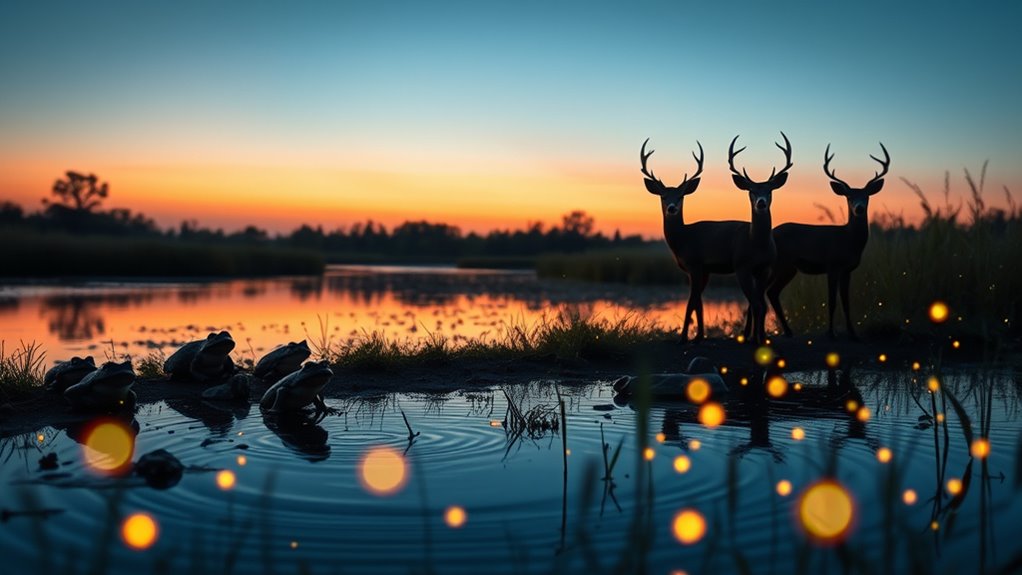

Circadian rhythms are your body’s natural clocks, helping animals synchronize their behavior with day and night cycles. These 24-hour cycles influence various processes like sleep, alertness, and metabolism. You might notice that your energy peaks in the morning and dips in the afternoon. Light and temperature cues play important roles in keeping these rhythms on track. Understanding how these rhythms work can enhance well-being and productivity, revealing even more insights into animal behavior.

Get pet supplies delivered free with Prime
- Fast, free delivery on millions of items
- Prime Video, Amazon Music and more included
- Member-only deals all year
Key Takeaways
- Animals, like humans, experience circadian rhythms that regulate sleep, feeding, and mating behaviors based on a 24-hour cycle.
- Light serves as a primary external cue for animals, influencing their activity patterns and biological clocks.
- Different species exhibit unique circadian patterns, impacting their peak activity times and behavioral adaptations to their environments.
- Disruption of circadian rhythms in animals can lead to altered behaviors, affecting their health, reproduction, and survival.
- Understanding animal circadian rhythms enhances insights into their ecological roles and can inform conservation efforts.
Circadian rhythms are 24-hour cycles that affect various physiological processes in your body. They influence when you feel alert or sleepy, your hormone levels, and even your metabolism. Your brain’s master clock, located in the hypothalamus, responds to external cues like light and temperature, syncing your body’s functions to the day-night cycle. When the sun rises, for instance, your body recognizes the light and signals you to wake up, promoting alertness and energy.
You might notice that you tend to feel most awake in the morning and early afternoon, only to hit a slump mid-afternoon or late evening. This pattern is a direct reflection of your circadian rhythms. Different people can experience varied peaks and troughs in their energy levels, but generally, these patterns are consistent. By aligning your activities with your body’s natural rhythms, you can optimize your productivity and mood.
In addition, these biological cycles play a significant role in sleep quality. If you disrupt your natural rhythms—say, by staying up late or waking too early—you may find it challenging to get restful sleep. This can lead to a cycle of fatigue, affecting your cognitive functions and emotional well-being. Understanding when your body naturally wants to rest or be active can help you establish a more regular sleep routine, which is vital for maintaining high energy levels and focus.
Moreover, being aware of your activity patterns can enhance your performance in daily tasks. If you know you’re more alert in the morning, you might want to tackle complex work or challenging tasks then. Conversely, if you feel sluggish in the afternoon, it might be a good time to take a break or engage in lighter activities. By tuning into your circadian rhythms, you can make informed choices about how to structure your day, leading to increased productivity and overall satisfaction. Additionally, engaging in regular physical activity, such as using a bike generator, can help reinforce your internal clock. So next time you feel that energy surge or slump, remember it’s all part of your body’s intricate clockwork.
blue light blocking glasses for sleep
As an affiliate, we earn on qualifying purchases.
As an affiliate, we earn on qualifying purchases.
Frequently Asked Questions
How Do Circadian Rhythms Affect Human Sleep Patterns?
Circadian rhythms substantially affect your sleep patterns by regulating when you feel awake or sleepy. Your body responds to light exposure, which helps signal when to be alert and when to wind down. When it gets dark, your brain ramps up melatonin production, promoting sleepiness. If you’re exposed to too much artificial light at night, it can disrupt this process, making it harder for you to fall asleep and affecting your overall rest.
Can Circadian Rhythms Be Reset or Adjusted?
Yes, you can reset or adjust your circadian rhythms. To shift your clock phase, try using light therapy. By exposing yourself to bright light in the morning or evening, you can signal your body to wake up earlier or stay up later. Consistency is key, so maintain regular sleep and wake times. Over time, your body will adapt to the new schedule, helping you feel more energized and alert during the day.
What Role Do Genes Play in Circadian Rhythms?
Genes play a vital role in regulating circadian rhythms. They control the production of proteins that influence your body’s internal clock. Genetic mutations can disrupt these processes, leading to irregular sleep patterns or other behavioral changes. When genes are properly regulated, they help maintain a consistent rhythm, ensuring you feel alert during the day and sleepy at night. So, your genetic makeup considerably impacts how your body adapts to its environment.
How Do External Factors Influence Circadian Rhythms?
External factors, like light exposure and temperature changes, can dramatically influence your circadian rhythms. Imagine it’s a bright morning; the sunlight triggers your body to wake up, while dim evening light helps you unwind. But what happens when the seasons shift? You might feel more lethargic as daylight fades, or restless when it’s too hot at night. These cues reshape your internal clock, reminding you just how interconnected you are with the world around you.
Are There Health Risks Associated With Disrupted Circadian Rhythms?
Yes, there are health risks associated with disrupted circadian rhythms. When your body clock is thrown off, you might face increased risks of metabolic disorders like obesity and diabetes. You could also experience mental health issues, such as anxiety or depression, as your sleep patterns and mood are closely linked. Prioritizing consistent sleep schedules and minimizing light exposure at night can help protect your overall health and well-being.
Conclusion
As the sun dips below the horizon, you can’t help but wonder: what secrets do these animal clocks hold? Their intricate rhythms shape not just their behavior but the very fabric of life itself. You might think you can outsmart your own internal clock, but can you? As night falls and creatures awaken, you’re left with a tantalizing question—how well do you really know the rhythms that govern your own existence? The answer might surprise you.
Halloween Picks
halloween
As an affiliate, we earn on qualifying purchases.