TL;DR

Get pet supplies delivered free with Prime
- Fast, free delivery on millions of items
- Prime Video, Amazon Music and more included
- Member-only deals all year
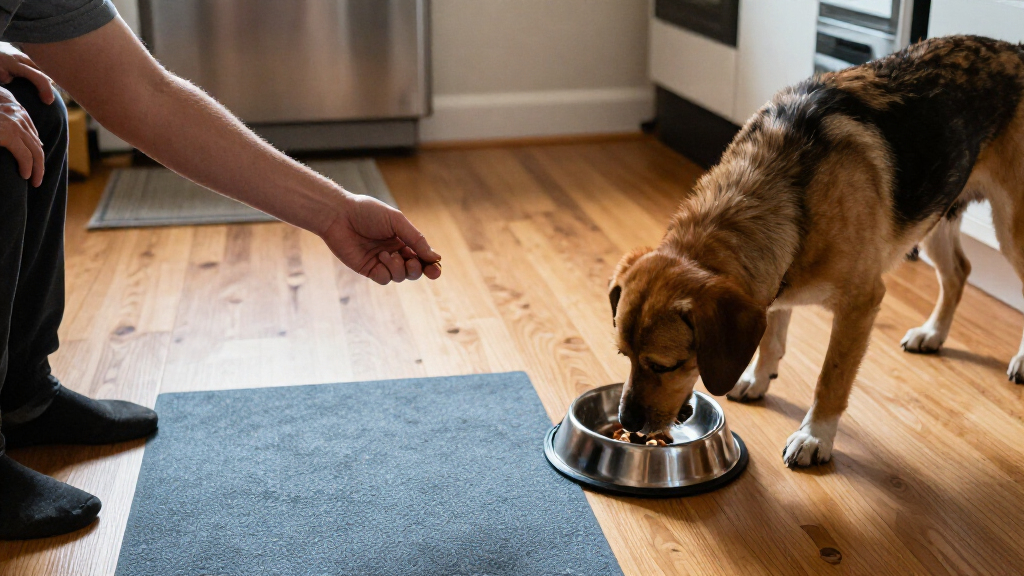
A VetCE virtual education session led by veterinary technician and animal-behavior educator Jamie Johnson addressed food resource guarding in dogs. The program covered body-language cues, management approaches, and collaboration with veterinary and behavior professionals; the supplied material does not give the event date or report new research findings.
A VetCE virtual education session led by veterinary technician and animal-behavior educator Jamie Johnson focused on recognizing and managing food resource guarding in dogs, a behavior the session description calls common and often misunderstood in veterinary practice. The program addressed early warning signs, canine body language and ways veterinary teams can guide owners toward safer management.
According to the event description published by Veterinary Practice News, the session was designed for veterinary professionals. Johnson presented ways to identify early signs of food guarding, interpret a dog’s body language and discuss practical management with pet owners. The material says the session also covered factors that may contribute to guarding and how to identify cases that need further behavioral support.
The description cautions that some traditional interventions may increase fear or aggression, and says the session offered evidence-based recommendations. It does not specify which interventions were discussed or provide research data supporting individual recommendations, so the claim should be understood as the program’s stated focus rather than a reported study result.
Johnson is described as a certified veterinary technician in Wisconsin with more than 10 years of experience in the veterinary field. Her listed credentials include Fear Free Certified Elite and Low Stress Handling Certified Silver. The source says she works in shelter medicine at Auburn University College of Veterinary Medicine and part-time in emergency medicine at VeG ER for Pets in Georgia.
Safer Responses to Food Guarding
Food guarding can put both animals and people at risk if owners or veterinary staff misread a dog’s signals or try to intervene in a way that escalates the situation. The session’s focus on recognizing body language and discussing management gives veterinary teams a framework for helping owners avoid unsafe confrontations around food.
The description also stresses that care may require support beyond a single appointment. Veterinary teams can help identify when a case calls for collaboration with trainers, behaviorists or other qualified professionals. That matters because the session presents guarding not only as a behavior to manage, but as an issue connected to animal welfare and the safety of the household.
The source does not report measured outcomes from the event, changes in clinical practice or a new treatment protocol. Its significance is educational: it describes an effort to give veterinary professionals tools for client communication and referral, rather than evidence that a particular intervention has been proven effective by this session.
Products Worth Considering

PETLIBRO Automatic Cat Feeder with 1080p Camera and Night Vision

Fi Series 3+ GPS Dog Collar & Tracker, Membership Required, Gray Large

PETLIBRO Automatic Pet Feeder with 1080p Camera and Night Vision
As an affiliate, we earn on qualifying purchases.
A Veterinary Behavior Training Session
The source is a notice about a VetCE virtual live event, reproduced in Veterinary Practice News under a page title about feline housesoiling. The supplied text says the event took place in September and invites readers to learn about the next VetCE event, but it does not provide the year, the session’s exact date or a direct link to its registration details.
Johnson’s professional background helps explain the session’s emphasis on behavior in everyday veterinary care. The source lists work in shelter and emergency medicine, as well as teaching animal behavior and low-stress handling to fourth-year veterinary students. It also describes volunteer work with animal shelters and organizations focused on animal welfare and the human-animal bond.
The event description is a summary of planned or delivered educational content, not a full transcript or independent evaluation. It gives an overview of the topics and presenter but does not include presentation slides, detailed clinical guidance or accounts from attendees.
Event Details and Evidence Gaps
The source does not state which September the session took place, how many people attended or whether a recording remains available. It also does not include the date or topic of the next VetCE event, despite directing readers to the organization’s event site.
The material does not identify specific causes of food guarding, describe the individual signs covered in the presentation or list the management recommendations. It also provides no study results, outcome measurements or attendee feedback. Readers therefore cannot use the notice alone as a substitute for an assessment of an individual dog or for detailed veterinary advice.
It is also unclear whether the session was limited to dogs in every part of its content. The description refers to canine body language and food guarding, while the supplied speaker biography and surrounding page title mention other animal-care topics.
Further Training and Case Support
The source directs readers to VetCE’s event website for information about its next virtual live event, but gives no schedule. Veterinary professionals interested in the session’s subject can check the organizer’s listings for availability, recordings or related courses.
For individual cases, the program description points toward continued work between pet owners, veterinary teams and qualified trainers or behaviorists when additional support is needed. The notice does not set out a specific referral pathway or promise a particular outcome, so those details remain dependent on the dog and the professionals involved.
Key Questions
What was the VetCE session about?
It covered food resource guarding in dogs, including early signs, body language, owner guidance, management and when to seek additional behavioral support.
Who led the session?
The session was led by Jamie Johnson, a certified veterinary technician and animal-behavior educator whose listed credentials include Fear Free Certified Elite and Low Stress Handling Certified Silver.
When did the event take place?
The source says it took place in September, but does not provide a year or exact date.
Does the source provide a specific treatment plan?
No. It summarizes the session’s topics but does not give detailed instructions or a plan for an individual dog. Owners should seek guidance from a veterinarian and, when needed, a qualified behavior professional.
How can readers find the next VetCE event?
The source points readers to vetce.events, but does not include the next event’s date or subject.
Source: veterinarypracticenews.com