
TL;DR

Get pet supplies delivered free with Prime
- Fast, free delivery on millions of items
- Prime Video, Amazon Music and more included
- Member-only deals all year
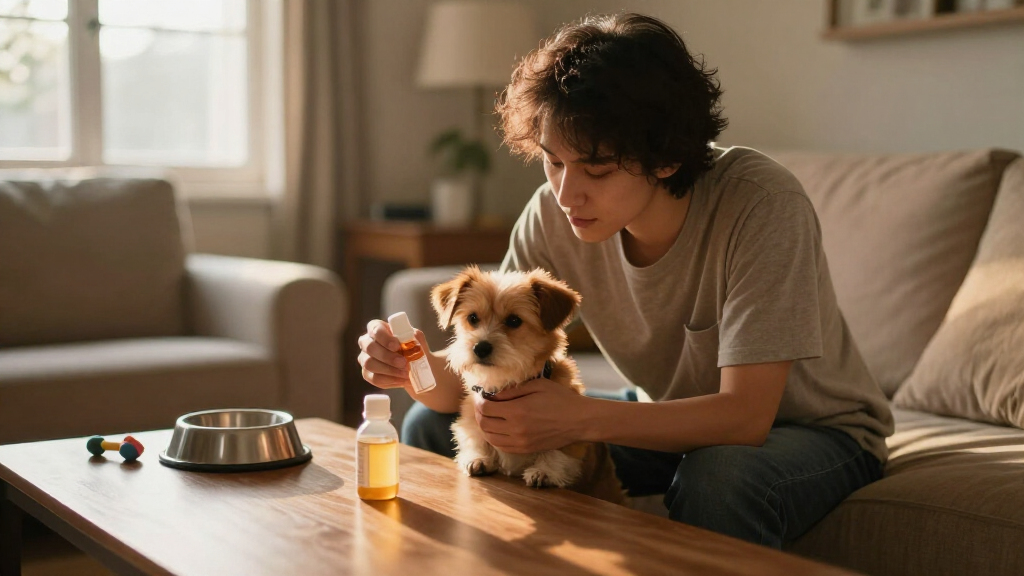
Pets can suffer serious toxicity from antidepressants if ingested. Experts warn pet owners to store medications securely and recognize symptoms early. This issue highlights the importance of medication safety around animals.
Pet toxicity from antidepressants is a growing concern, with recent cases highlighting the risks of accidental ingestion. Veterinarians and pet safety advocates stress the importance of secure medication storage and prompt treatment to prevent severe health consequences for animals.
According to veterinary experts, antidepressant medications, including selective serotonin reuptake inhibitors (SSRIs), pose a significant poisoning risk to pets if ingested. Cases of accidental ingestion have increased, often involving household medications left within reach. Symptoms of toxicity can include vomiting, agitation, rapid breathing, tremors, seizures, and in severe cases, recognizing symptoms early.
Veterinary professionals emphasize that prompt treatment is critical. Treatment may involve inducing vomiting, administering activated charcoal, IV fluids, and medications to control seizures. For more information on pet health needs, see the best pet medications. The American Veterinary Medical Association (AVMA) advises pet owners to keep all medications, especially antidepressants, in secure, inaccessible locations and to contact a veterinarian immediately if ingestion is suspected.
Why Antidepressant Toxicity in Pets Is a Growing Concern
This issue matters because accidental poisoning can quickly become life-threatening for pets. With many households using antidepressants, the risk of accidental ingestion increases, especially among curious or mischievous animals. Raising awareness can prevent emergencies, reduce veterinary costs, and save pets’ lives.
Experts warn that delayed treatment can lead to severe neurological damage or death, making early recognition and intervention vital. The rising number of cases underscores the need for better storage practices and pet owner education about medication safety.
As an affiliate, we earn on qualifying purchases.
Background on Antidepressant Use and Pet Safety Incidents
Antidepressants are commonly prescribed medications for humans, with SSRIs being among the most widely used. While generally safe when used as directed, these drugs are highly toxic to pets if ingested in even small amounts. Recent reports from veterinary clinics and poison control centers indicate a notable increase in antidepressant poisoning cases over the past year.
Previous incidents involved pets ingesting pills from unsecured medication bottles, often during household chaos or when owners were unaware. The problem is compounded by the fact that symptoms can develop quickly, and some pets may not show obvious signs until their condition worsens.
Veterinary authorities have issued warnings, emphasizing the importance of secure storage and immediate action if ingestion is suspected. The rise in cases has prompted calls for increased public awareness and clearer labeling on medication bottles.
“Pet owners need to treat medications like antidepressants as toxic substances. Secure storage can save your pet’s life.”
— Jane Miller, pet safety advocate
Unclear Extent of Long-Term Effects and Prevention Measures
While immediate treatment protocols are well-established, the long-term effects of antidepressant toxicity on pets are still being studied. It is also unclear how widespread the problem will become, as data collection varies between regions and veterinary practices. Further research is needed to develop comprehensive prevention strategies and treatment guidelines.
Next Steps for Pet Owners and Veterinary Professionals
Veterinary organizations plan to increase public awareness campaigns, emphasizing safe medication storage. Researchers aim to gather more data on long-term outcomes and effective treatments. Pet owners are advised to review their household safety measures and consult veterinarians about any concerns regarding medication exposure.
In the coming months, new educational resources and possibly stricter labeling requirements are expected to be introduced to reduce accidental ingestion risks.
Key Questions
What are the most common symptoms of antidepressant poisoning in pets?
Symptoms include vomiting, agitation, rapid breathing, tremors, seizures, and in severe cases, coma or death. Immediate veterinary attention is essential.
How can I prevent my pet from ingesting antidepressants?
Store all medications securely out of reach, preferably in locked cabinets. Never leave pills unattended or within reach of animals.
What should I do if I suspect my pet has ingested antidepressants?
Contact your veterinarian or a pet poison control center immediately. Do not induce vomiting unless instructed by a professional.
Are all antidepressants equally toxic to pets?
Most antidepressants, especially SSRIs, can be toxic in varying degrees. Consult your veterinarian for specific guidance related to your pet’s situation.
Are there long-term health risks for pets that survive antidepressant poisoning?
The long-term effects are still under study, but prompt treatment generally improves outcomes. Follow-up veterinary assessments are recommended.
Source: rss
Fall Picks
fall essentials
As an affiliate, we earn on qualifying purchases.