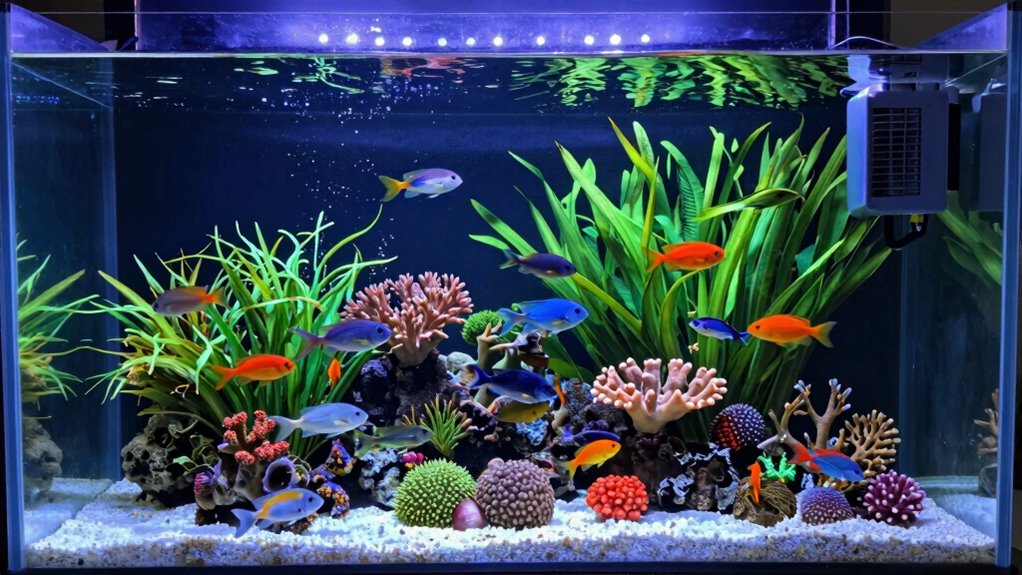

During summer, high external temperatures can cause dangerous heat spikes in your aquarium, stressing fish and corals and risking death. Poor insulation, sunlight, and warm room air make it hard to keep water stable without proper cooling. Chillers efficiently maintain a consistent, safe temperature by removing excess heat. To learn how to install, set up, and troubleshoot chillers for summer success, keep exploring this guide.
Key Takeaways
- Summer heat spikes occur when inadequate insulation and lack of shade allow external heat to rapidly raise water temperature.
- Elevated temperatures stress fish and corals, weakening immunity and causing behaviors like gasping, lethargy, and bleaching.
- Water quality deteriorates during heat spikes, leading to cloudy water, algae blooms, and increased disease risk.
- Chillers help stabilize tank temperature by actively cooling water, preventing dangerous heat fluctuations during hot weather.
- Proper setup, regular monitoring, and combining chillers with insulation and ventilation are essential for preventing summer tank losses.
What Causes Summer Heat Spikes in Aquariums?
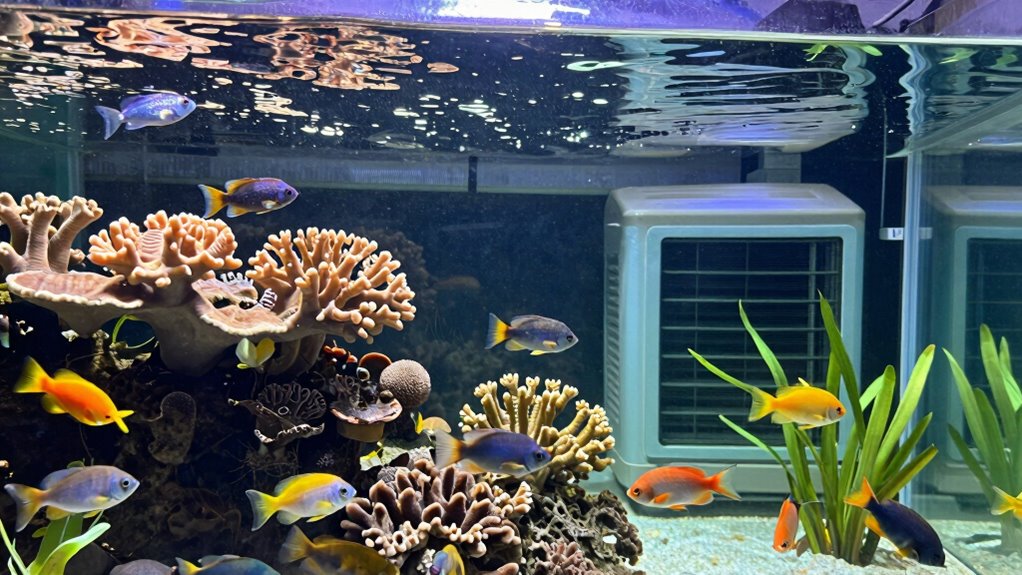
Have you ever wondered why your aquarium’s temperature suddenly rises during summer? One main cause is inadequate tank insulation, which allows external heat to seep in easily. Without proper insulation, sunlight or warm air can quickly raise water temperature. Shade covers are essential to block direct sunlight and reduce heat gain. They act as a barrier, preventing the sun’s rays from warming the water excessively. Additionally, lack of shade covers means your tank absorbs more ambient heat from room temperature, especially if the room gets warmer. Poor insulation and no shade coverage make your aquarium vulnerable to temperature spikes, stressing your fish and corals. To keep temperatures stable, ensure your tank has good insulation and use shade covers to minimize heat influx during hot summer days.
How Elevated Temperatures Harm Fish and Corals
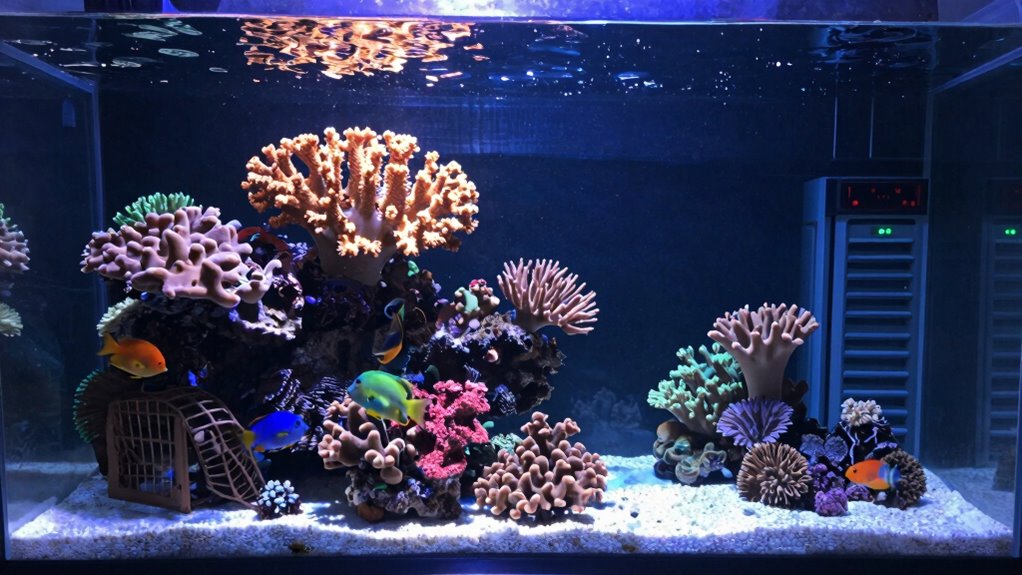
Elevated temperatures can quickly jeopardize the health of your fish and corals, as their delicate biological processes rely on stable conditions. When water gets too warm, your fish experience increased fish stress, weakening their immune systems and making them more prone to disease. High temperatures also cause coral bleaching, where corals lose their vibrant colors and essential symbiotic algae, leaving them vulnerable and often leading to death. The stress from heat can disrupt feeding, breeding, and natural behaviors, putting your entire tank ecosystem at risk. Without proper temperature control, these issues escalate rapidly, causing irreversible damage. Maintaining proper temperature ranges is crucial to prevent these problems and ensure a balanced aquatic environment. Keeping your aquarium within the ideal temperature range helps prevent fish stress and coral bleaching, ensuring a healthier, more resilient environment for your aquatic life. Additionally, mammography guidelines highlight the importance of early detection and maintaining health standards, which parallels the need for consistent temperature monitoring to prevent crises in your tank. Proper use of aquarium chillers can significantly mitigate these risks by stabilizing water temperatures during heatwaves or seasonal changes.
How to Recognize Signs of Dangerous Temperature Rises

You’ll notice your fish acting strangely or darting erratically when temperatures rise too high. Discolored or cloudy water is another clear sign that your tank’s temperature may be dangerously elevated. Keep an eye out for these signs to catch heat spikes early and protect your aquatic life. Monitoring water temperature regularly can help you prevent dangerous heat levels from harming your tank. Being aware of aquarium thermometers can improve your ability to detect and respond to temperature fluctuations promptly. Additionally, understanding security system features can help you choose the best tools to monitor your tank remotely and alert you to temperature changes in real time. Regularly inspecting and choosing appropriate body jewelry materials ensures safe and irritation-free use of chiller components, especially during the hot summer months. Implementing energy-efficient cooling solutions can further safeguard your tank against sudden heat spikes, especially during the hot summer months.
Unusual Behavior Patterns
When aquarium temperatures rise dangerously, fish often exhibit noticeable changes in behavior. You might notice signs of fish stress and behavioral changes that signal trouble. These include:
- Lethargy or sluggish movements
- Fish darting or hyperactivity
- Gasping at the water surface
- Hiding more than usual
These patterns are your clues that the temperature spike is affecting your fish. Stress from heat can lead to erratic swimming or a loss of appetite. Recognizing these signs early helps you take quick action before the situation worsens. Keep a close eye on your fish’s activity, especially during hot days, so you can respond promptly with cooling measures or a chiller to stabilize water temperature and protect your aquatic life. Proper filtration systems are essential to maintain consistent water quality during temperature fluctuations. Additionally, understanding the effects of temperature on aquatic organisms can help you better anticipate and prevent stress-related issues. Regular temperature monitoring and prompt adjustments can prevent severe health problems, ensuring your tank remains a safe environment for your fish. Monitoring temperature fluctuations regularly allows for early detection and prompt intervention to safeguard your tank’s health. Implementing temperature control methods such as chillers or fans can significantly reduce the risk of heat-related fatalities in your aquarium.
Discolored or Cloudy Water
Discolored or cloudy water is a clear warning sign that your aquarium’s temperature may be dangerously high. When water appears cloudy, it often indicates bacteria blooms, algae overgrowth, or decaying organic material caused by heat stress. Discolored water, such as yellow, brown, or green hues, also signals imbalance and potential harm to your aquatic life. Elevated temperatures disrupt biological processes, leading to poor water quality and increased waste buildup. If you notice your water turning cloudy or developing unusual coloration, it’s a sign that your tank’s temperature might be spiking. Acting quickly to lower the heat with a chiller or cooling system can prevent further deterioration, protect your fish, and restore water clarity. Recognizing these signs early helps maintain a healthy, stable environment. Understanding biological processes can help you better interpret changes in water quality and prevent emergencies.
Common Cooling Methods That Can Fail in Summer Heat

During intense summer heat, common cooling methods like aquarium fans, chillers, and ice packs can sometimes fall short of maintaining a stable temperature. Fans may not effectively reduce water temperature if the surrounding air is hot, and ice packs can only provide temporary relief. Chillies might struggle if the tank’s thermal insulation isn’t adequate, causing temperature swings. Evaporative cooling can help, but if the tank isn’t properly ventilated or if humidity is high, its effectiveness is diminished. Additionally, relying solely on passive methods ignores the importance of consistent monitoring. Without proper backup or supplemental cooling strategies, these methods risk failure during extreme heat, putting your fish at risk. To avoid heat spikes, consider combining cooling techniques with insulation and active temperature control. Proper home energy management can also help regulate the environment and maintain stable tank temperatures during heat waves. Implementing temperature regulation systems designed for aquariums can further enhance stability and prevent dangerous fluctuations. Regular maintenance and environmental monitoring are essential to identify early signs of temperature instability and act promptly. Understanding thermal insulation can improve the effectiveness of your cooling efforts and prevent heat transfer from external sources. Incorporating temperature sensors provides real-time data, allowing for quicker responses to temperature changes and reducing the risk of heat-related tank issues.
Why Aquarium Chillers Are Essential for Summer Stability
Relying solely on passive cooling methods can leave your aquarium vulnerable to sudden temperature spikes in summer heat. An aquarium chiller provides precise thermal regulation, maintaining a stable environment despite external temperature fluctuations. This thermal stability is vital for your fish’s health and minimizes stress caused by rapid heat changes. Additionally, quality chillers are designed for equipment durability, ensuring long-lasting performance even under intense summer conditions. By actively removing excess heat, they prevent dangerous temperature swings that can lead to fish stress or death. Investing in an aquarium chiller is a proactive step toward summer stability, giving you confidence that your tank’s temperature remains within safe limits. Proper thermal regulation helps prevent temperature-related stress and health issues in your aquatic life. This peace of mind allows you to enjoy your aquatic environment without constantly monitoring for heat-related issues.
Choosing the Right Aquarium Chiller for Your Tank
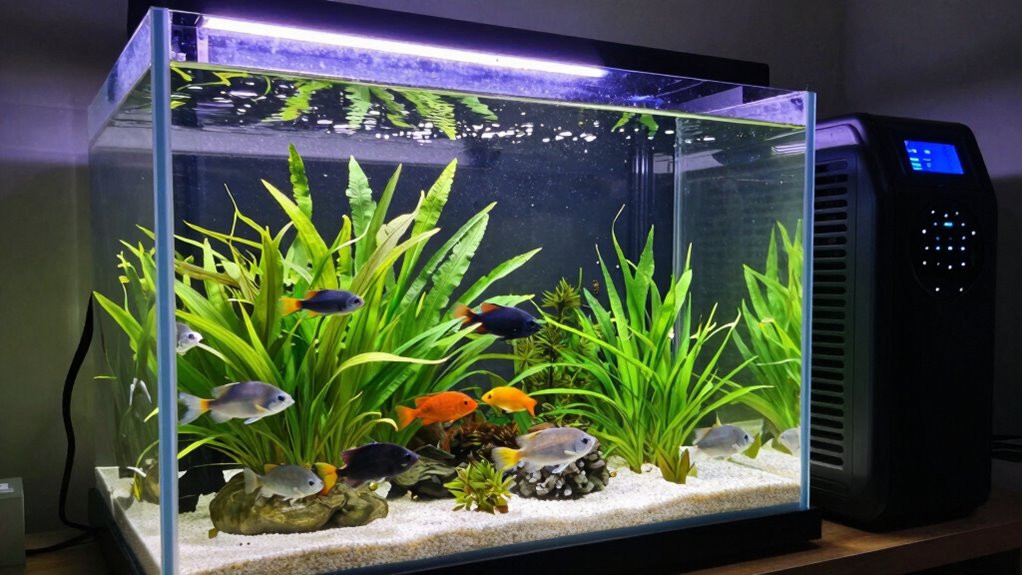
Choosing the right aquarium chiller for your tank depends on several key factors, including the size of your aquarium, the ambient temperature, and the heat generated by your equipment. You’ll want a chiller that matches your tank’s volume and cooling needs. Consider these aspects:
Selecting the right aquarium chiller depends on tank size, ambient temperature, and equipment heat output.
- Aquarium lighting: Bright lights produce more heat, increasing cooling requirements.
- Water chemistry: Elevated temperatures can affect pH and oxygen levels, so precise temperature control is essential.
- Tank size: Larger tanks need higher-capacity chillers to maintain stable temperatures.
- Ambient conditions: Warmer room temperatures demand more robust cooling solutions.
- Understanding heat transfer principles can help optimize your cooling system’s efficiency and prevent unnecessary energy consumption. Additionally, knowing how thermal conductivity impacts heat exchange can assist in selecting the most effective chiller. Recognizing how insulation affects heat loss can further improve your cooling efficiency and reduce energy costs. A foundational knowledge of thermal dynamics can also guide you in designing an energy-efficient cooling setup tailored to your specific environment.
How to Install and Set Up Your Aquarium Chiller
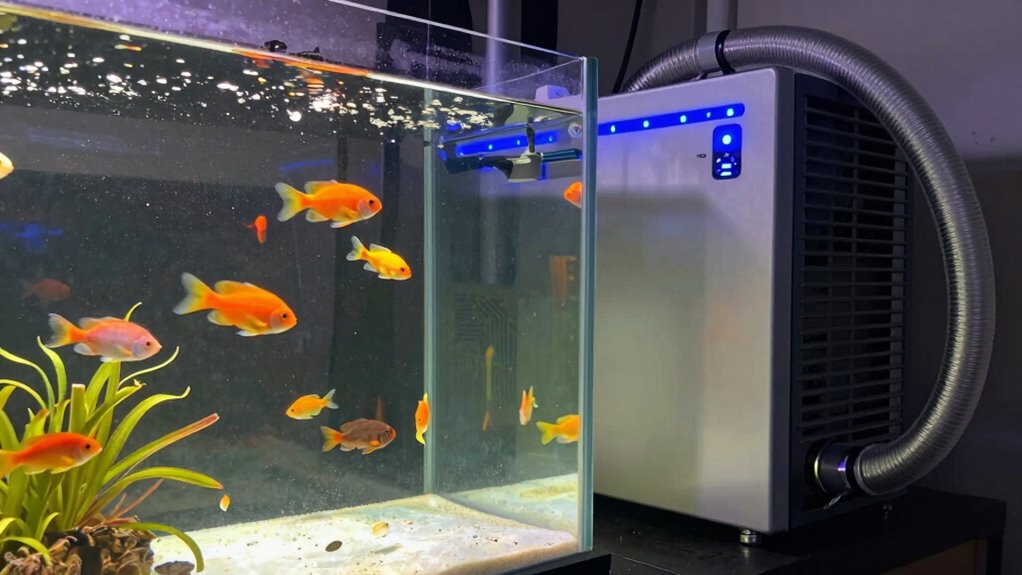
Installing your chiller correctly is essential for peak performance. You’ll need to choose the right spot, connect it properly, and set the temperature accurately. Follow these steps to ensure your tank stays cool and healthy.
Selecting the Right Chiller
Selecting the right chiller is essential to maintaining a stable and healthy environment for your aquarium inhabitants. You need a unit that matches your tank size, coral frag, and fish compatibility. To choose wisely, consider these factors:
- Tank volume: Ensure the chiller’s cooling capacity suits your tank size.
- Temperature range: Pick a model that can precisely maintain your desired temperature.
- Coral frag needs: Some corals are sensitive to temperature fluctuations, so choose a chiller that offers stable cooling.
- Ease of installation: Look for user-friendly features that simplify setup and maintenance.
Proper Placement Techniques
Proper placement of your aquarium chiller guarantees it operates efficiently and maintains a stable temperature. To assure optimal aquarium placement, position the chiller in a well-ventilated area away from direct sunlight and heat sources, which can impact room temperature. Keep it on a flat, stable surface to prevent vibrations and noise. Avoid placing the chiller directly against walls or in cramped spaces, as airflow is essential for proper cooling. Maintaining a consistent room temperature helps the chiller work effectively, so keep it away from heaters or drafts. Proper placement minimizes energy consumption and reduces wear on the unit, ensuring your tank stays cool during those hot summer months. Take the time to set up your chiller correctly for reliable, efficient cooling.
Adjusting Temperature Settings
Once you’ve physically set up your aquarium chiller in the right spot, the next step is to adjust its temperature settings to match the needs of your tank. Start by using the thermostat calibration feature if available, ensuring accurate temperature control. Then, set the desired temperature based on your fish and coral requirements. Regular temperature monitoring helps you catch fluctuations early and make necessary adjustments.
To fine-tune your chiller:
- Check the current water temperature with a reliable thermometer
- Adjust the thermostat dial gradually to avoid sudden changes
- Confirm the chiller maintains the target temperature over a few hours
- Keep a log of temperature readings for consistent monitoring
Proper setup ensures your tank stays stable, preventing heat spikes during hot weather.
Extra Tips to Keep Your Aquarium Cool in Summer
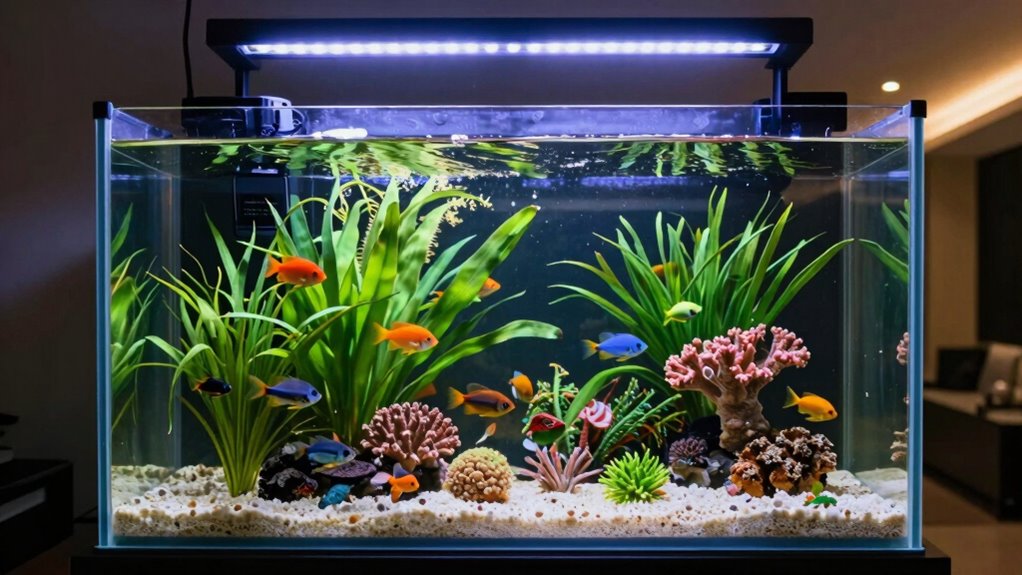
During hot summer days, keeping your aquarium cool is essential to prevent heat spikes that can stress or harm your fish. One simple tip is to control aquarium algae growth, which can produce heat and reduce water quality. Regularly cleaning algae and avoiding overfeeding helps keep algae in check. Additionally, optimize tank lighting by using LED lights with timers, as excessive or intense lighting raises water temperature and encourages algae blooms. Position your tank away from direct sunlight and consider using a reflective cover or shade to prevent warming from external heat sources. Maintaining good water circulation with a small fan or powerhead also helps dissipate heat. These small adjustments can appreciably lower the risk of temperature fluctuations and keep your aquatic environment stable during summer heatwaves.
Troubleshooting Chiller Problems During Hot Weather

When hot weather causes your chiller to struggle, you might notice power fluctuations or inconsistent cooling. Ensuring proper maintenance, like cleaning filters and checking refrigerant levels, can prevent these issues. Addressing these points promptly keeps your aquarium temperature stable during heatwaves.
Chiller Power Fluctuations
Hot weather can cause chiller power fluctuations that disrupt your aquarium’s temperature stability. These fluctuations often lead to inconsistent cooling, making it harder to maintain steady conditions and causing temperature regulation issues. To troubleshoot, check for common causes such as:
- Power surges or unstable electrical outlets
- Overloaded circuits that strain the chiller’s power supply
- Faulty wiring or damaged power cords
- Inadequate electrical capacity for your chiller’s requirements
Addressing these issues can help stabilize power flow and minimize fluctuations. Using a dedicated circuit or surge protector can prevent sudden power drops. Regularly inspecting wiring and ensuring your electrical system meets the chiller’s needs will keep your tank’s temperature consistent, even during peak heat.
Proper Maintenance Practices
Regular maintenance of your aquarium chiller guarantees it operates efficiently during periods of high temperature. Start by checking water quality regularly, as debris or buildup can hinder heat exchange. Clean the condenser coils and filters to prevent clogs and improve cooling performance. Adjust lighting schedules to reduce unnecessary heat input; longer or intense lighting can raise water temperature, making the chiller work harder. Ensure the chiller’s sensors are properly calibrated and functioning correctly. Inspect for leaks or electrical issues that could disrupt operation. Keeping the water well-maintained and controlling lighting helps your chiller do its job effectively, preventing heat spikes. Consistent maintenance not only prolongs equipment lifespan but also keeps your tank’s environment stable during hot weather.
Maintaining a Safe and Thriving Aquarium Year-Round
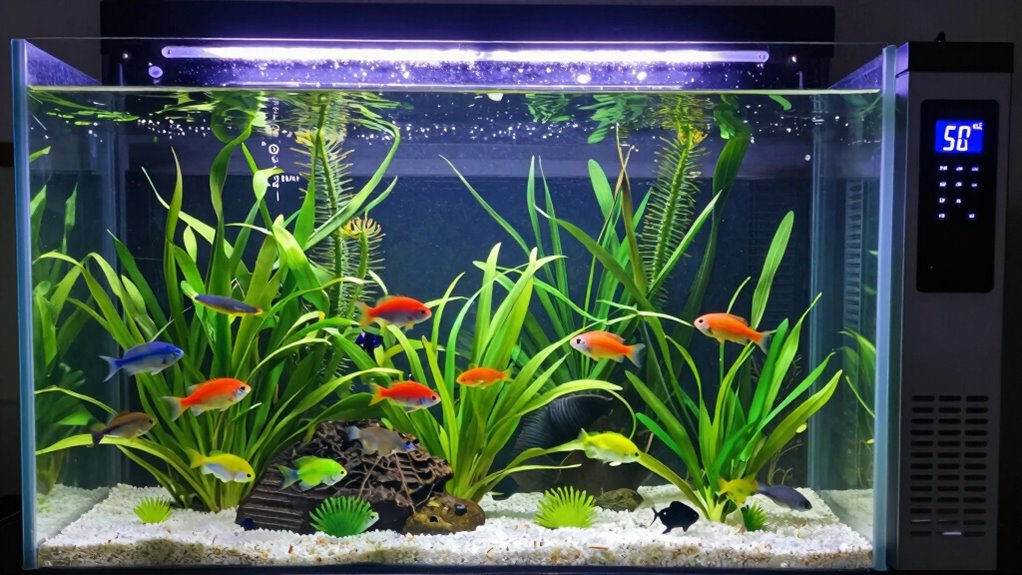
Maintaining a safe and thriving aquarium year-round requires careful temperature management, especially since unexpected heat spikes can threaten aquatic life. Sudden temperature increases can cause stress, disrupt fish nutrition, and promote unwanted aquarium algae growth. To keep your tank stable, consider these tips:
Maintaining stable aquarium temperatures is essential to protect aquatic life year-round.
- Install a reliable chiller or cooling system to prevent heat spikes during hot weather
- Monitor water temperature daily to catch fluctuations early
- Maintain proper filtration and avoid overfeeding, which can lead to algae blooms
- Regularly test water parameters to ensure ideal conditions for fish and plants
Frequently Asked Questions
Can Aquarium Chillers Prevent All Heat-Related Fish Deaths?
Aquarium chillers greatly reduce the risk of heat-related fish deaths, but they can’t prevent all issues. Chiller efficiency varies, so some models may struggle during extreme heat, and higher power consumption can be a concern. To guarantee your fish stay safe, monitor water temperature regularly, maintain your chiller properly, and choose a unit suited to your tank size. Combining these steps helps prevent heat stress and keeps your aquatic life healthy.
How Often Should I Monitor Tank Temperature During Summer?
You should check your tank temperature at least twice daily during summer, especially during heatwaves. Place your thermometer in a stable spot, like mid-water, away from filters or heaters, for accurate readings. Establish a cooling schedule, like adjusting fans or chillers, to maintain consistent temperatures. Regular monitoring helps you catch heat spikes early, preventing stress or fish deaths. Stay vigilant to keep your aquarium safe all summer long.
Are There Any Risks Associated With Using Aquarium Chillers?
Think of an aquarium chiller as a trusty ship steering icy waters, but even the best vessels face storms. Chiller malfunctions can cause unexpected temperature drops or rises, risking your aquatic life. Plus, they consume significant power, which may increase your electricity bill. Regular maintenance and proper sizing help prevent malfunctions, ensuring your tank remains a safe haven during summer’s heatwaves.
What Are the Signs That My Chiller Needs Maintenance?
If your chiller malfunctions or you notice filter blockages, it’s time for maintenance. Signs include inconsistent cooling, strange noises, or a rise in tank temperature. Regularly check for debris or buildup that can block filters, and make certain the chiller’s components are functioning properly. Promptly addressing these issues prevents equipment failure, protecting your tank’s ecosystem from heat stress or temperature swings that can harm your aquatic life.
Can Outdoor Temperatures Affect My Aquarium’s Cooling System?
Yes, outdoor temperature can influence your cooling system. When outdoor temperatures rise, your aquarium’s cooling system has to work harder to maintain a stable water temperature. Extreme heat can overwhelm your chiller, causing it to struggle or fail. You should monitor outdoor temperatures closely, especially during summer, and ensure your cooling system is functioning properly, possibly adding fans or shading to help reduce heat transfer and keep your tank safe.
Conclusion
By understanding how summer’s gentle nudge can shift your aquarium’s harmony, you can stay a step ahead. Installing a reliable chiller and monitoring temperatures guarantees your aquatic world remains a tranquil haven. With a little extra care and attention, you’ll keep your fish and corals thriving, no matter how the seasons change. Embrace these simple steps, and your tank will continue to whisper stories of vibrant life and serene beauty all year long.