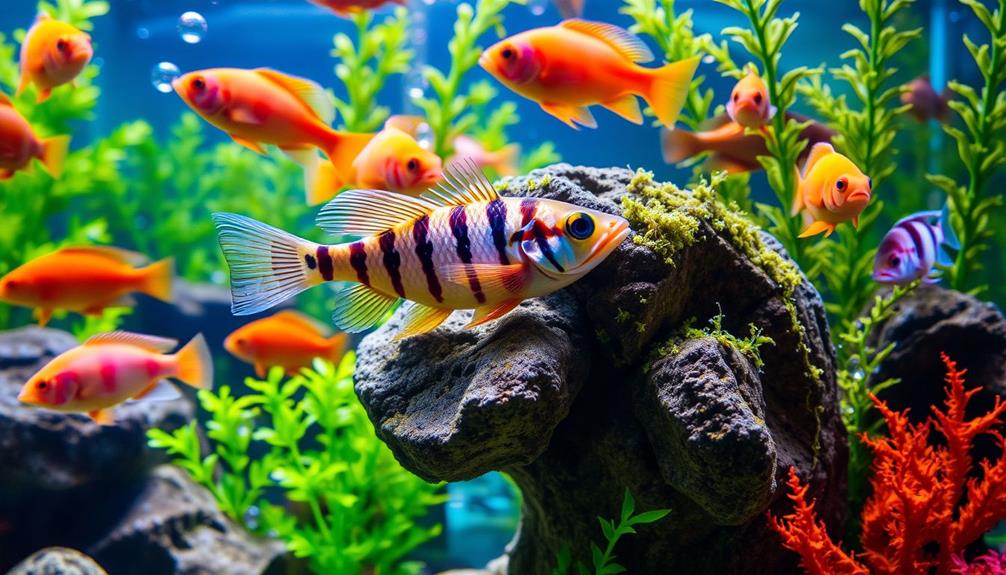

RO/DI water removes dissolved salts, minerals, heavy metals, pesticides, bacteria, and organic compounds, making it very pure and safe from toxins. However, this process also strips essential minerals your fish and corals need for health, growth, and vibrant coloration. Without replenishing these minerals, your tank can experience pH swings, algae issues, and weakened aquatic life. To keep a healthy environment, you must restore minerals properly—you’ll find out how as you continue.
Key Takeaways
- RO/DI water removes contaminants, minerals, and dissolved salts, ensuring purity but also stripping essential elements.
- The lack of minerals can destabilize pH and water chemistry, harming aquatic life.
- Replenishing beneficial minerals supports coral growth, fish health, and overall ecosystem stability.
- Proper mineral reintroduction via supplements maintains balanced water parameters and prevents deficiencies.
- Regular testing and water changes help sustain optimal mineral levels for a healthy aquarium environment.
Why Does RO/DI Water Lack Essential Minerals for Your Aquarium?

RO/DI water is highly purified, meaning it has most contaminants and minerals removed through reverse osmosis and deionization processes. Because of this, it lacks essential minerals that your fish and corals need to thrive. Without these minerals, your aquarium water becomes more prone to issues like algae growth and water discoloration. Algae can quickly flourish in mineral-deficient water, especially when nutrient levels are high, leading to cloudy or greenish water. Water discoloration may also occur as a result of imbalanced mineral content. Since minerals help stabilize pH and support biological processes, their absence can cause instability and poor health in your tank inhabitants. To maintain a healthy environment, you’ll need to supplement RO/DI water with appropriate minerals. Understanding mineral balance can help you understand the importance of maintaining mineral levels and keep your tank thriving. Additionally, incorporating mineral additives designed for aquariums can restore the necessary ionic balance to promote healthy aquatic life.
What Does RO/DI Water Remove, and Why Is That Important?
Because of its thorough purification process, RO/DI water effectively removes a wide range of contaminants, including dissolved salts, heavy metals, pesticides, bacteria, and organic compounds. Reverse osmosis filters out these impurities by forcing water through a semi-permeable membrane, leaving behind unwanted substances. This process is vital because it guarantees your tank water is free from harmful toxins that could jeopardize your aquatic life. Additionally, European cloud innovation emphasizes the importance of sustainable solutions, making high-quality water treatment essential for environmentally conscious aquarists. However, it also leads to mineral depletion, removing essential elements that fish and corals need for health and growth. While RO/DI water provides a pure baseline, it’s important to reintroduce beneficial minerals to maintain a balanced and thriving aquarium environment. Without this, your tank’s ecosystem may suffer, affecting the well-being of its inhabitants. Proper mineral reconstitution can help restore the necessary elements and support a healthy aquatic ecosystem. Furthermore, understanding the water chemistry is crucial for maintaining optimal conditions in your tank. Proper mineral supplementation is a crucial aspect of water quality management to ensure your aquatic life remains healthy and vibrant. Additionally, net worth of aquarists highlights how investing in proper water treatment can lead to long-term benefits for hobbyists.
How Do Minerals Impact Fish and Coral Health?
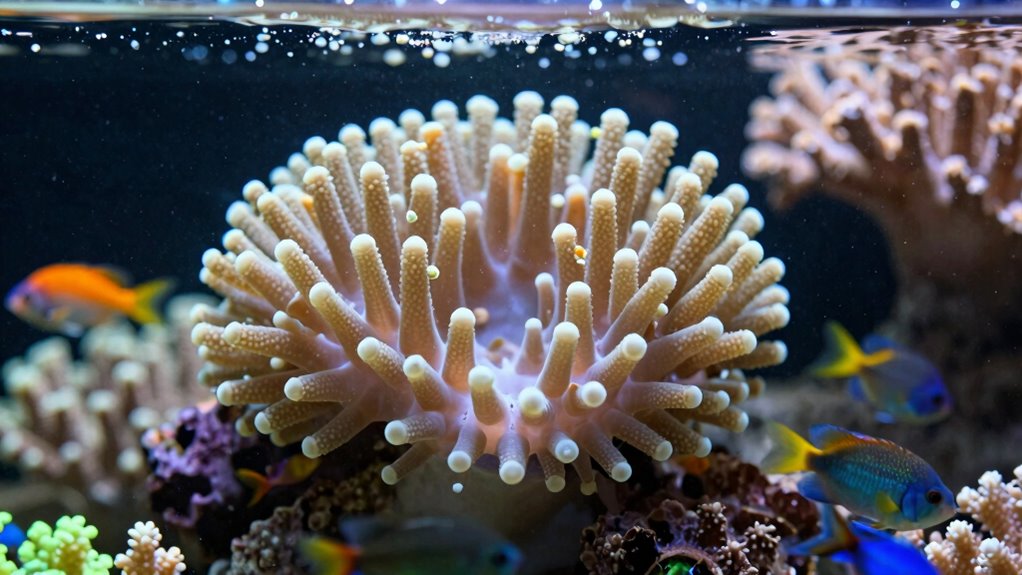
Minerals play an essential role in maintaining the health and vitality of fish and corals. They support essential bodily functions, promote proper growth, and help strengthen immune responses. When minerals are balanced, algae control becomes easier because healthy fish and corals can outcompete algae for resources. Additionally, minerals like calcium and magnesium are critical for coral skeletal growth, which directly impacts lighting optimization by enhancing light penetration and reflection. Proper mineral levels also contribute to scalp health, supporting overall tank stability and biological balance. Without sufficient minerals, your tank’s ecosystem can become imbalanced, leading to poor coloration, reduced growth, and increased susceptibility to disease. Ensuring your water has the right mineral levels helps create a stable environment where fish and corals thrive, making maintenance simpler and your tank more vibrant and healthy. Proper mineral levels also support the natural processes of floating on water, which contribute to a balanced aquatic environment. Furthermore, maintaining appropriate mineral concentrations can prevent issues like coral bleaching and promote resilient coral growth.
What Are the Risks of Not Replenishing Minerals in RO/DI Water?
Neglecting to replenish minerals in your water can lead to serious issues that undermine your tank’s overall health. Without minerals, your water’s alkaline balance can become skewed, causing pH swings that stress fish and corals. This imbalance disrupts saltwater chemistry, making it harder for your inhabitants to thrive. Over time, lack of essential minerals weakens coral skeletons and reduces their ability to grow and reproduce. Fish may become more susceptible to disease, and the overall stability of your tank diminishes. Not maintaining proper mineral levels also hampers biological filtration, leading to poor water quality. Additionally, Free Floating conditions can exacerbate these problems by allowing unfiltered debris and toxins to circulate more freely. Without proper mineral levels, the water chemistry can become unstable, further threatening the health of your aquatic life. Incorporating regular testing of mineral levels helps prevent these issues and ensures a balanced environment. Ultimately, skipping mineral replenishment risks creating an unstable environment, which can result in health problems for your aquatic life and compromise your tank’s long-term success.
The Best Ways to Add Minerals Back Into Your RO/DI Water

Adding minerals back into your RO/DI water is essential for maintaining a healthy aquatic environment, and there are several effective methods to do so. One common approach is using mineral supplements designed specifically for aquariums, which provide essential elements that support pH stability and overall health. You can also mix trace mineral additives into your water periodically, ensuring consistent mineral levels. Proper mineralization helps prevent fluctuations in pH, reducing stress on your aquatic life and minimizing algae growth caused by unstable water conditions. Be sure to follow dosage instructions carefully to avoid over-mineralizing, which can lead to imbalances. Regular testing of water parameters helps you fine-tune mineral levels, ensuring your tank remains balanced and healthy over time. Home workouts should feel simple, safe, and confidence-building, making mineral management an easy part of your routine. Incorporating water parameter testing regularly ensures you maintain the ideal mineral balance for your aquatic ecosystem.
Which Mineral Supplements Are Best for Different Aquarium Setups?
Choosing the right mineral supplements depends on your aquarium type and the specific needs of your aquatic life. For freshwater tanks, focus on supplements that promote alkalinity stability, such as calcium and magnesium, which support healthy plant growth and fish health. For saltwater setups, consider adding trace elements like strontium and iodine to mimic natural seawater. Your substrate choices also influence mineral needs: inert substrates require more supplementation, while live sand or crushed coral can naturally provide minerals.
- Freshwater tanks benefit from calcium and magnesium supplements for pH stability.
- Reef tanks need trace elements like strontium and iodine for coral growth.
- Planted tanks often require potassium and iron for lush plant development.
How to Maintain the Right Balance Between Purity and Nutrients
Balancing purity and nutrients in your aquarium is essential for maintaining a healthy environment; too much of one can jeopardize water quality and aquatic life. To do this, monitor nutrient levels regularly, ensuring you add only what’s necessary. Proper algae control helps prevent excess nutrients from fueling unwanted growth. Adjust your lighting schedules to reduce algae-promoting light exposure without stressing your fish or corals. Consider this nutrient management table:
| Nutrient Level | Algae Control Measure | Lighting Schedule Adjustment |
|---|---|---|
| Too high | Reduce feeding, perform water changes | Shorten lighting period |
| Ideal | Maintain routine testing | Keep consistent lighting |
| Too low | Dose nutrients carefully | Gradually increase lighting |
Maintaining this balance promotes a healthy tank while preventing algae outbreaks. Additionally, understanding the nutrient cycle in your tank can help you better anticipate and manage fluctuations. Regular testing of water parameters is crucial for early detection of imbalances before they impact your aquatic life.
Tips for Testing and Monitoring Mineral Levels in Your Tank

Regularly testing and monitoring mineral levels in your tank is essential to maintaining a healthy aquatic environment. To do this effectively, use reliable test kits and monitoring tools designed for your specific minerals. Here are three tips to help you stay on top of your tank’s mineral balance:
- Use test kits regularly to check key minerals like calcium, magnesium, and alkalinity.
- Invest in monitoring tools that provide quick, accurate readings for ongoing tracking.
- Keep a log of your test results to identify trends and adjust your supplementation as needed.
- Understanding the “why” behind food can help you better interpret test results and make informed decisions about your tank’s mineral adjustments. Incorporating sticking wall decor techniques, such as using adhesive strips or wall mounting brackets, can also prevent damage and ensure your tank setup remains stable as you monitor and maintain mineral levels. Additionally, maintaining proper mineral levels supports overall water chemistry stability, which is vital for the health of your aquatic life. Regular testing can also help you recognize nutrient deficiencies before they impact your tank’s ecosystem. Ensuring appropriate mineral levels can also promote biological processes within your tank, contributing to a balanced ecosystem.
Frequently Asked Questions
How Often Should I Test Mineral Levels in My Aquarium Water?
You should test mineral levels in your aquarium water weekly to guarantee proper mineral monitoring. Regular testing helps you catch any imbalances early, maintaining a healthy environment for your fish. If you notice fluctuations or if you’re adjusting your water parameters, increase testing frequency accordingly. Consistent testing allows you to keep essential minerals at ideal levels, preventing stress and health issues in your aquatic life.
Can Mineral Deficiencies Cause Specific Fish or Coral Diseases?
Yes, mineral deficiencies can cause specific fish or coral diseases. When your tank lacks essential minerals, it weakens their immune systems, making them more susceptible to infections and diseases. To prevent this, you should regularly monitor and maintain proper mineral levels, ensuring disease prevention. Adequate minerals support overall health, helping your aquatic life resist illnesses and thrive in a balanced environment.
Are There Natural Alternatives to Commercial Mineral Supplements?
Yes, you can find natural alternatives to commercial mineral supplements. You might consider plant-based sources like seaweed or mineral-rich plants, which provide essential nutrients naturally. Additionally, natural mineral extraction from mineral-rich soils or rocks offers a sustainable way to supplement your tank. These options help maintain proper mineral levels without synthetic additives, supporting healthier fish and corals while keeping your tank eco-friendly.
How Do Mineral Levels Affect pH Stability in My Tank?
Mineral levels directly influence your tank’s pH stability through alkaline stability and mineral buffering. When your tank has adequate minerals, it maintains a steady pH by neutralizing acids and bases. Low mineral levels cause fluctuations, making your water more vulnerable to pH swings. To keep your tank stable, guarantee consistent mineral content, which helps buffer pH changes and supports a healthy aquatic environment.
What Are Signs That My Aquatic Life Is Suffering From Mineral Imbalance?
Your tank’s health can be a delicate dance, and signs of deficiency are like warning bells. Look for faded or discolored fins, sluggish movement, or poor growth—these are clear mineral imbalance symptoms. If your aquatic life shows erratic behavior or fails to thrive despite proper care, it’s time to verify mineral levels. Maintaining balanced minerals ensures your fish and corals stay vibrant and healthy, preventing them from suffering silently.
Conclusion
Just like a clear stream needs rocks and minerals to stay vibrant, your aquarium benefits from balanced minerals in your water. When you add supplements, imagine tiny particles dancing through the flow, restoring life and color to your fish and corals. Keeping that perfect harmony isn’t just about purity—it’s about creating a thriving habitat. So, stay vigilant, test regularly, and let your tank’s natural beauty flourish, just like a pristine mountain spring.