
TL;DR

Get pet supplies delivered free with Prime
- Fast, free delivery on millions of items
- Prime Video, Amazon Music and more included
- Member-only deals all year
A physicist has modified his pet hamster’s wheel to upload activity data directly to Strava. This unusual experiment aims to explore the intersection of pet activity and fitness tracking technology. The development raises questions about data privacy, animal welfare, and the potential for unconventional tech integrations.
A physicist has modified his pet hamster’s wheel to automatically upload activity data to Strava, a popular fitness tracking platform. This unusual experiment was shared on social media and highlights a creative intersection of technology, animal activity, and data sharing. The development is confirmed by the physicist himself, who described the setup as a playful exploration of data connectivity and pet exercise monitoring.
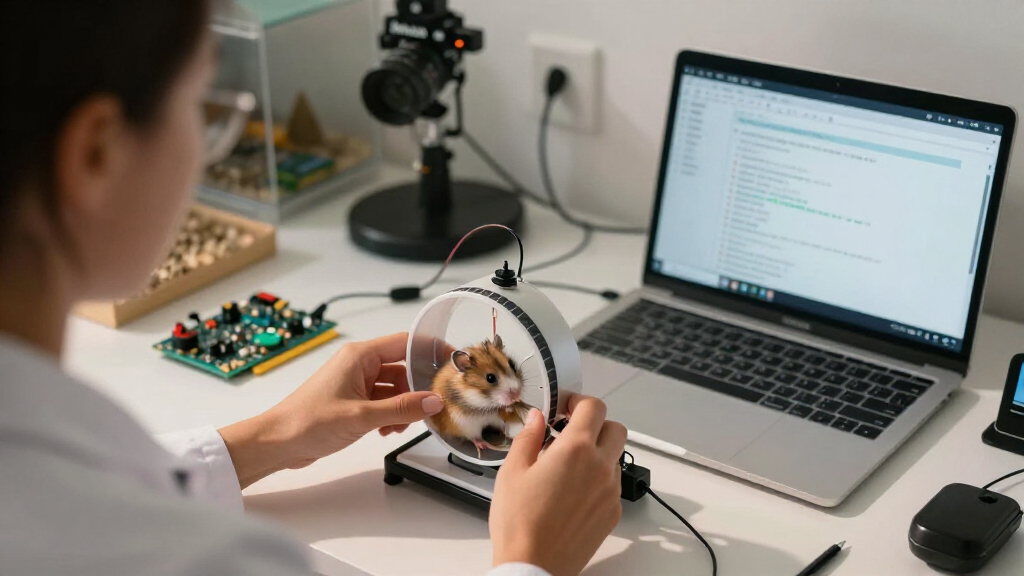
The physicist, whose identity has not been publicly disclosed, rigged a small sensor onto his pet hamster’s wheel. This sensor is connected to a microcontroller that transmits activity data to a smartphone app, which then uploads the data to Strava. The experiment was conducted as a proof of concept for integrating unconventional data sources into fitness platforms, with the goal of exploring new ways to visualize activity data.
According to the physicist, the setup uses a lightweight accelerometer and Wi-Fi module attached discreetly to the wheel. When the hamster runs, the sensor detects motion and transmits data in real time. The data is then processed and uploaded to Strava, creating a public record of the hamster’s activity. The physicist emphasized that the hamster’s welfare was a priority and that the setup did not interfere with the pet’s comfort or health.
Implications of Pet Data Integration in Fitness Platforms
This experiment raises questions about the expanding scope of data collection in fitness and activity platforms. While the primary aim was playful and experimental, it demonstrates how unconventional sources—like pet activity—could be integrated into mainstream health tracking apps. The development also prompts discussions about data privacy, consent, and the ethical use of pet-related data in digital health contexts. For tech enthusiasts and pet owners alike, it exemplifies innovative uses of IoT devices and challenges traditional notions of activity monitoring.
Hamster activity sensor for pet tracking
As an affiliate, we earn on qualifying purchases.
As an affiliate, we earn on qualifying purchases.
Background on Unconventional Data Use in Fitness Tech
Strava and similar platforms have increasingly incorporated diverse data sources, including wearables, GPS devices, and even smart home integrations. However, integrating animal activity data remains novel. The experiment by the physicist follows broader trends of expanding digital footprints into everyday objects and activities. Previous efforts have focused on human health, but this case highlights the potential for broader, more playful applications of fitness tech, including pet activity monitoring, which is a growing niche within the IoT space.
Unanswered Questions About Pet Welfare and Data Privacy
It is not yet clear whether the physicist has obtained approval from animal welfare authorities or if the setup has been tested for long-term safety. Additionally, the implications of sharing pet activity data on public platforms like Strava—such as privacy concerns or unintended data exposure—remain uncertain. Experts have not yet weighed in on the ethical considerations or potential risks associated with this experiment.
Potential for Broader Adoption and Ethical Discussions
Further developments could include more sophisticated pet activity monitoring devices integrated with fitness platforms or apps designed specifically for animals. The experiment may also spark discussions among tech developers, ethicists, and pet owners about the appropriateness and privacy implications of sharing pet data online. The physicist has indicated plans to refine the setup and possibly share the technical details publicly, which could inspire similar projects or spur regulatory conversations.
Key Questions
Is it safe for the hamster?
The physicist stated that the setup was designed to avoid interfering with the hamster’s comfort or health, but detailed safety assessments have not been publicly disclosed.
Could this lead to pet activity tracking devices?
Potentially. This experiment demonstrates the feasibility of integrating pet activity data into digital platforms, which could inspire the development of dedicated pet fitness trackers.
Are there privacy concerns with sharing pet data?
Yes, sharing pet activity data publicly could raise privacy and security issues, especially if linked to home location or personal information. These concerns are still being discussed.
Will this experiment be replicated or expanded?
The physicist has expressed interest in refining the setup and possibly sharing the methodology, which could lead to further experiments or applications in pet health monitoring.
Source: hn
Halloween Picks
halloween
As an affiliate, we earn on qualifying purchases.