
TL;DR

Get pet supplies delivered free with Prime
- Fast, free delivery on millions of items
- Prime Video, Amazon Music and more included
- Member-only deals all year
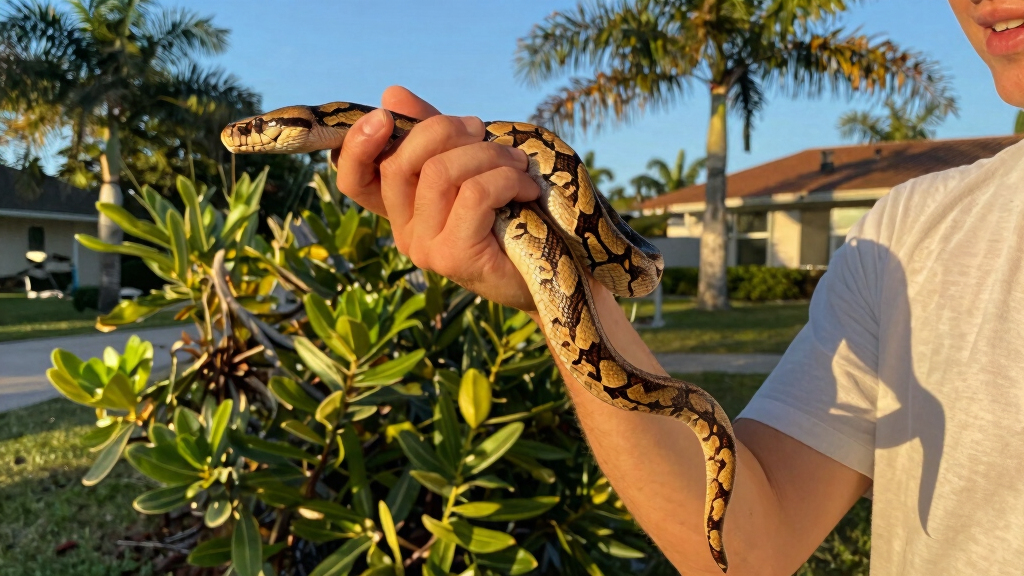
The Burmese python has been spreading across Florida’s ecosystems, with recent surveys confirming increased sightings and populations. Authorities are evaluating the ecological threat and control measures. The situation remains dynamic and under close monitoring.
Wildlife officials in Florida have confirmed that the population of Burmese pythons continues to grow across the state’s Everglades and surrounding areas. The expansion of this invasive species poses significant ecological risks, prompting increased control efforts. This development highlights ongoing challenges in managing non-native species in the region.
Recent surveys conducted by the Florida Fish and Wildlife Conservation Commission (FWC) indicate a marked increase in Burmese python sightings and captures throughout the Everglades and adjacent habitats. The surveys, carried out in early 2023, documented over 1,000 pythons captured, a substantial rise compared to previous years. Experts attribute this spread to the species’ adaptability and the lack of natural predators in Florida.
Officials state that the Burmese python is a non-native, invasive species introduced into Florida primarily through the pet trade. Once released or escaped, they have established a breeding population, with some individuals measuring over 15 feet long. The pythons’ predation on native wildlife, including mammals, birds, and reptiles, has raised ecological alarms.
Control measures include organized hunting, trapping, and public awareness campaigns. Despite these efforts, the population continues to expand, suggesting that current strategies may need to be intensified or adapted.
Ecological and Environmental Impact of Python Expansion
The continued spread of Burmese pythons in Florida poses a serious threat to native wildlife populations. Predation by these large constrictors has been linked to declines in several native species, including small mammals and bird populations. The expansion complicates conservation efforts and threatens the ecological balance of the region. Additionally, the presence of these snakes increases safety concerns for residents and visitors, especially in areas with high wildlife activity.
As an affiliate, we earn on qualifying purchases.
History and Current Status of Burmese Pythons in Florida
The Burmese python is native to Southeast Asia but has become a prominent invasive species in Florida since the early 2000s. It is believed that many of these snakes were initially released or escaped from private collections. Over time, they established breeding populations, particularly in the Florida Everglades, where the environment favors their survival.
Previous surveys and control efforts have documented a steady increase in their numbers, with some estimates suggesting thousands of pythons are now living in the wild. The state has designated the Burmese python as a Class I invasive species, allowing for aggressive removal strategies. Despite these measures, the population continues to grow, driven by the snakes’ reproductive capacity and adaptability.
“The expanding population of Burmese pythons represents a significant ecological challenge. We are seeing more sightings and captures than ever before, which indicates that their range is broadening.”
— Dr. Emily Carter, Florida Fish and Wildlife Conservation Commission
Uncertainties About Population Growth and Control Effectiveness
While surveys confirm an increase in Burmese python sightings, the exact total population remains uncertain due to the elusive nature of the species and the difficulty in comprehensive counting. The effectiveness of current control strategies is also debated, with some experts questioning whether they are sufficient to curb the population growth. It is not yet clear how rapidly the population will expand or if new measures will be implemented to accelerate control efforts.
Next Steps in Monitoring and Managing Python Spread
Wildlife agencies plan to continue and expand survey efforts throughout 2023, utilizing new technologies such as drone surveillance and community reporting. There is also ongoing research into biological control options and habitat management strategies. Policy discussions are underway to potentially increase funding and resources for python removal programs. Public education campaigns aim to prevent further releases and encourage reporting of sightings.
Key Questions
How dangerous are Burmese pythons to humans?
Burmese pythons are generally not considered a threat to humans due to their non-venomous nature and reclusive behavior. However, they can pose safety risks in areas where they are abundant, especially if accidentally encountered or threatened.
What can residents do to help control the python population?
Residents are encouraged to report sightings to wildlife authorities, avoid releasing pet snakes into the wild, and participate in local removal programs or educational events to raise awareness.
Are there any natural predators for Burmese pythons in Florida?
Currently, there are no significant natural predators for Burmese pythons in Florida, which contributes to their unchecked population growth.
What measures are being considered to better control the python population?
Potential measures include increased trapping and hunting efforts, habitat modification, research into biological controls, and legislative support for invasive species management.
Source: google-trends
Halloween Picks
halloween
As an affiliate, we earn on qualifying purchases.