The Tasmanian devil is a scavenger specialist, essential for maintaining ecosystem balance. With its stocky build and black fur, it helps prevent disease spread by consuming carrion. Its loud screeches and unique vocalizations add to its eerie presence in the wild. Unfortunately, challenges like competition with dingoes and disease threaten its survival. Habitat preservation is critical for their population stability. Keep exploring to discover more about this unique creature and its conservation needs.
Key Takeaways
- The Tasmanian devil is a crucial scavenger, consuming carrion to maintain ecological balance and prevent disease spread.
- Its loud screeches and stocky build, along with black fur, distinguish it from other scavengers in its habitat.
- Competition with dingoes threatens the Tasmanian devil’s food sources and contributes to its vulnerable population status.
- Habitat preservation efforts are essential to mitigate competition and support the Tasmanian devil’s survival and biodiversity.
- The species faces urgent conservation challenges, including the impact of Devil Facial Tumor Disease, necessitating immediate action.
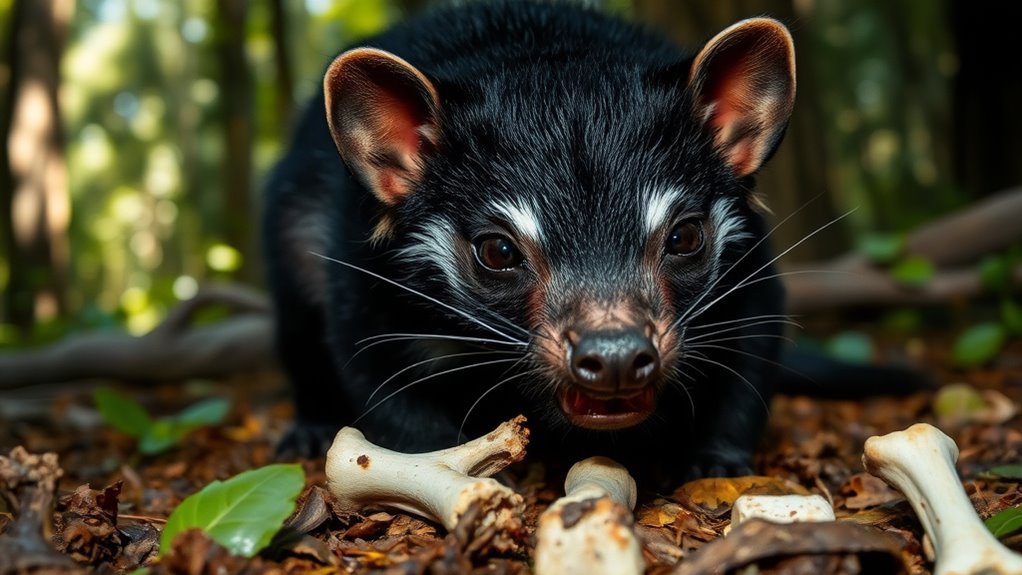
Have you ever wondered what makes the Tasmanian devil such a unique creature? This fascinating marsupial, native to Tasmania, showcases a range of characteristics that set it apart from other animals. Known for its stocky build and distinctive black fur, the Tasmanian devil is also famous for its loud, eerie screeches, which can send chills down your spine. But there’s more to it than just its appearance and vocalizations. These scavengers play a crucial role in their ecosystem, helping to maintain balance by consuming carrion, which would otherwise contribute to the spread of disease.
One of the major challenges facing the Tasmanian devil is competition with other carnivorous species, particularly the dingo. As dingoes expand their range, they directly compete with devils for food sources. This competition can threaten the already vulnerable populations of Tasmanian devils, making habitat conservation efforts even more critical. You might be wondering how these conservation efforts can help. By protecting their natural habitats and guaranteeing a stable food supply, we can help mitigate the impact of dingo competition and support the survival of this unique species.
Habitat conservation is imperative not only for the Tasmanian devil’s survival but also for maintaining the biodiversity of the ecosystems in which they thrive. When you support initiatives that promote habitat preservation, you’re contributing to a healthier environment for a multitude of species, including the Tasmanian devil. These creatures rely on a range of habitats, from forests to grasslands, and preserving these areas helps assure their continued existence. Best Knitting Patterns showcase the importance of creating awareness about unique species like the Tasmanian devil through various forms of creative expression.
Sadly, the Tasmanian devil has faced significant challenges in recent years, particularly from a transmissible cancer known as Devil Facial Tumor Disease (DFTD). This disease has decimated populations, making conservation efforts even more urgent. By focusing on habitat conservation and reducing competition from species like dingoes, we can give Tasmanian devils a fighting chance against this disease.

Jazwares Warner Bros. Discovery Looney Tunes, 8-Inch Taz Plush – Super-Soft and Huggable Plush Toy – Official Licensed Plush – for All Ages
TAZ PLUSH: The Tasmanian Devil, known for his enormous appetite, Taz, is now a plush for fans, young…
As an affiliate, we earn on qualifying purchases.
As an affiliate, we earn on qualifying purchases.
Frequently Asked Questions
How Long Do Tasmanian Devils Typically Live in the Wild?
Tasmanian devils typically live about 5 to 7 years in the wild, though some may reach up to 8 years. In captivity, their lifespan can extend to 10 years or more due to better food and healthcare. You’ll notice that the wild environment poses challenges like competition and disease, which can shorten their lifespan. So, if you’re curious about their longevity, it’s clear that captivity provides a significant advantage for their survival.
Are Tasmanian Devils Endangered, and Why?
Yes, Tasmanian devils are endangered due to habitat loss and disease, particularly the facial tumor disease that’s decimated their population. As you delve into conservation efforts, you’ll see dedicated groups working to protect these unique creatures. They’re creating safe habitats and breeding programs to guarantee their survival. If these efforts succeed, you might just find yourself spotting a Tasmanian devil roaming through the wild again, like a character from an adventure film!
What Do Tasmanian Devils Communicate Through?
Tasmanian devils communicate through various signals, including vocalizations and body language. You’ll notice they use growls, screams, and barks to convey emotions and intentions, especially during confrontations or mating. Their body language, such as posturing and movement, also plays a vital role in communication, signaling dominance or submission. By observing these communication signals, you can gain insight into their social interactions and behaviors in the wild.
Do Tasmanian Devils Have Any Natural Predators?
Tasmanian devils don’t have many natural predators, but they face threats from larger animals. You might find eagles or snakes preying on young devils, but their main threat comes from humans and habitat loss. To survive, these creatures rely on predator defense mechanisms. They’re known for their fierce vocalizations and aggressive posturing, which can deter potential threats. Understanding their position in the ecosystem helps you appreciate their role and challenges.
How Do Tasmanian Devils Contribute to Their Ecosystem?
Tasmanian devils play a vital ecological role by engaging in scavenging behavior. They help maintain the balance of their ecosystem by consuming carrion, which prevents the spread of disease and recycles nutrients back into the soil. When you observe these creatures in action, you’ll see how their feeding habits contribute to a healthier environment. Their presence supports other wildlife and promotes biodiversity, making them essential players in their habitat’s overall health.

Club Pack of 6 Coveside Bat House Kits | DIY Wooden Craft Kits for Kids Ages 4–8 | Paintable Educational Outdoor Project | Handcrafted Wildlife Conservation Activity for Classrooms, Camps & Families
Fun Group Craft Activity Includes 6 complete DIY wooden bat house kits, perfect for classrooms, camps, birthday parties,…
As an affiliate, we earn on qualifying purchases.
As an affiliate, we earn on qualifying purchases.
Conclusion
In the wild dance of the Tasmanian devil, you witness nature’s cleanup crew, weaving through the underbrush like shadows at dusk. With each crunch of bone and echoing growl, they remind us of the circle of life, where scavengers reign as unsung heroes. As the sun sets over the rugged Tasmanian landscape, these fierce little warriors scavenge their way through the tangled tapestry of existence, ensuring that nothing goes to waste in their relentless pursuit of survival.
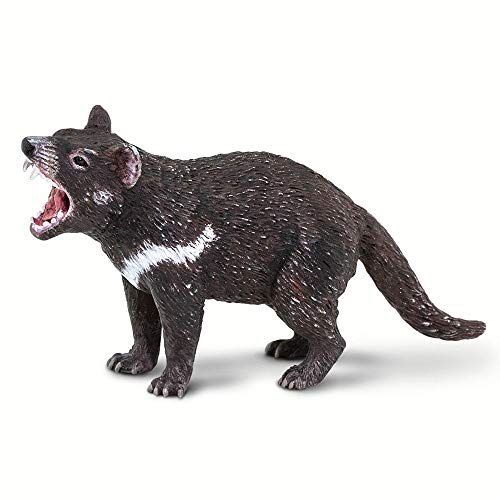
Safari Ltd. Tasmanian Devil Figurine – Realistic 3.5" Marsupial Figure – Educational Toy for Boys, Girls, and Kids Ages 3+
Detailed Design: This hand-painted Tasmanian Devil figurine showcases the stocky build, short legs, sharp teeth, and powerful jaws…
As an affiliate, we earn on qualifying purchases.
As an affiliate, we earn on qualifying purchases.

Geyee Animal Tracks Vintage Poster Wall Decor Forest Woodland Tracks Knowledge Picture Therian Field Guide Sign Prints Wall Art for Home Kitchen Office Living Room Bedroom Frame, 15.8 x 23.6 Inch
Safe and Reliable Materials: the vintage animal tracks poster is mainly made up of quality artistic cloth and…
As an affiliate, we earn on qualifying purchases.
As an affiliate, we earn on qualifying purchases.