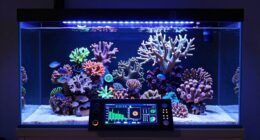
Many new owners overlook small temperature swings caused by heaters, which can stress your fish and weaken their immune systems over time. Even slight fluctuations, often unnoticed, disrupt their natural behavior and health. Properly calibrated, reliable heaters and regular monitoring can prevent these subtle shifts. If you want to learn how to keep your tank’s temperature steady and protect your aquatic life, keep going — there’s more to discover.
Key Takeaways
- Small temperature fluctuations often occur unnoticed but can stress fish if persistent over time.
- Inaccurate thermostat calibration can cause subtle swings that new owners overlook.
- External factors like room temperature changes can induce undetected water temperature variations.
- Heater placement and water flow inconsistencies contribute to minor but impactful temperature shifts.
- Regular monitoring and maintenance help detect and prevent unnoticed temperature swings affecting fish health.
Why Is Maintaining Stable Aquarium Temperature Important?
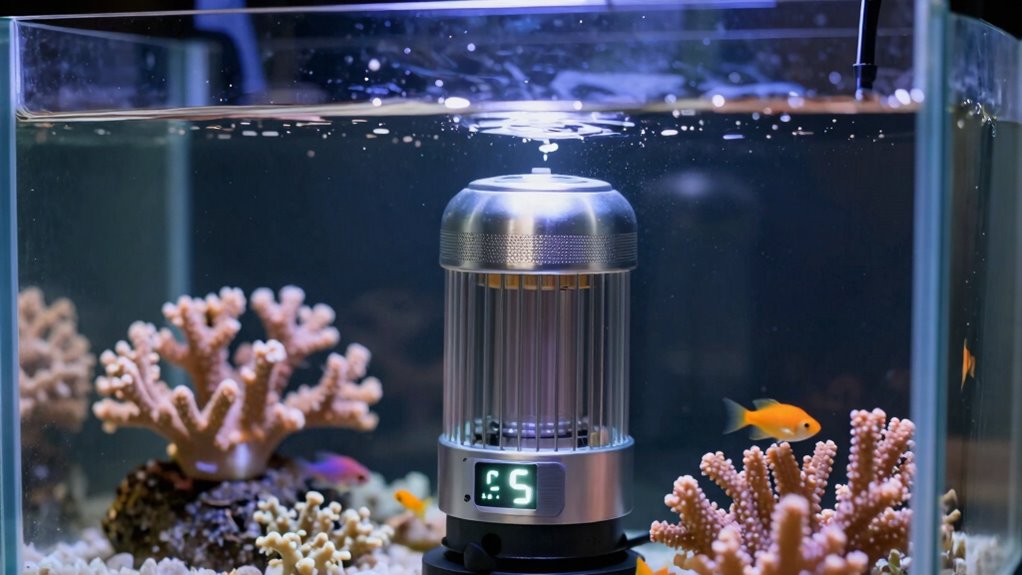
Maintaining a stable aquarium temperature is essential because fish and other aquatic life thrive within specific thermal ranges. When temperature fluctuates, it can stress your fish, leading to changes in their behavior and making them more susceptible to illness. Stable temperatures also help preserve your aquarium decor, preventing algae growth and other issues caused by temperature swings. Consistent warmth encourages natural fish behavior, such as feeding, breeding, and social interactions. Sudden shifts can cause fish to hide, become lethargic, or display erratic movements. By keeping the temperature steady, you create a healthy environment that supports their well-being and enhances the overall appearance of your aquarium. This stability is vital for maintaining a balanced, thriving aquatic ecosystem. Additionally, understanding the importance of temperature control technology can help you implement more precise and reliable methods for maintaining consistent water conditions, much like how smart home automation systems optimize environments in modern living spaces. Recognizing temperature swing as a common issue can help new owners take proactive steps to prevent sudden changes that stress their aquatic pets. Properly managing these fluctuations often involves implementing reliable heating systems, which are crucial for maintaining the ideal thermal environment.
How Do Aquarium Heaters Regulate Temperature?
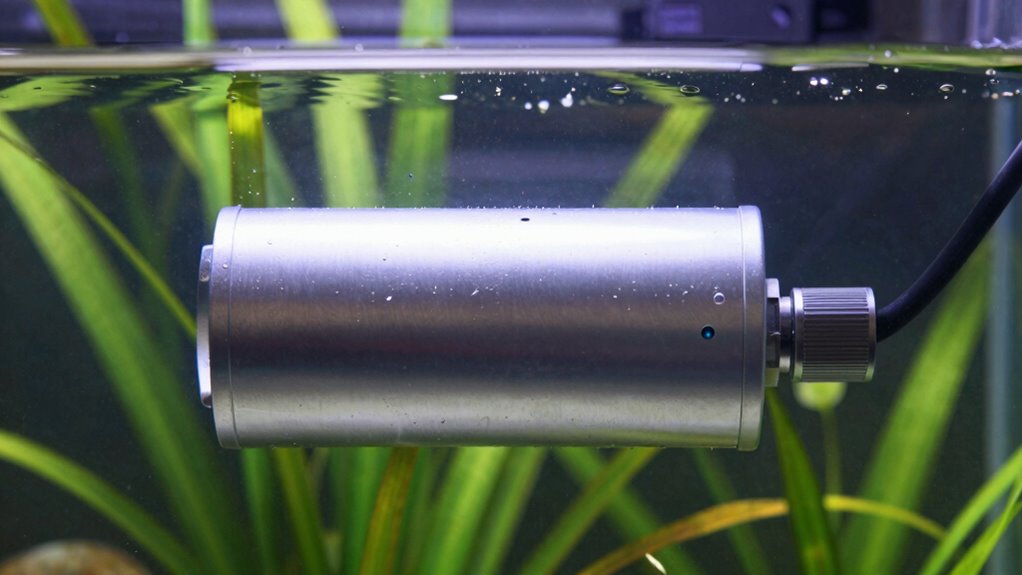
You might wonder how aquarium heaters keep the water at a steady temperature. They use a thermostat that detects temperature changes and signals the heating element to activate or deactivate. This precise control guarantees your fish stay comfortable without fluctuations. Proper investments in reliable equipment are key to consistent performance. For optimal performance, choosing a heater with accurate temperature regulation is essential to prevent overheating or underheating. Incorporating auditory feedback therapy principles, such as consistent monitoring and adjustments, can help ensure your heater maintains optimal conditions effectively. Additionally, understanding the role of performance cookies can help you better monitor and optimize your aquarium’s environment.
Thermostat Functionality Explained
Aquarium heaters regulate temperature through built-in thermostats that automatically turn the heater on or off to maintain a consistent environment. These thermostats rely on precise heater calibration to guarantee accurate temperature control. Different thermostat types, such as mechanical or electronic, operate using distinct mechanisms to detect water temperature and activate the heating element accordingly. Mechanical thermostats use bi-metallic strips that bend with temperature changes, while electronic ones utilize sensors and digital controls for greater precision. Proper heater calibration ensures the thermostat responds accurately, preventing temperature swings. Understanding the thermostat type helps you choose the right heater for your setup and maintain stable water conditions, which is vital for your aquarium’s health and your fish’s well-being.
Heating Element Operation
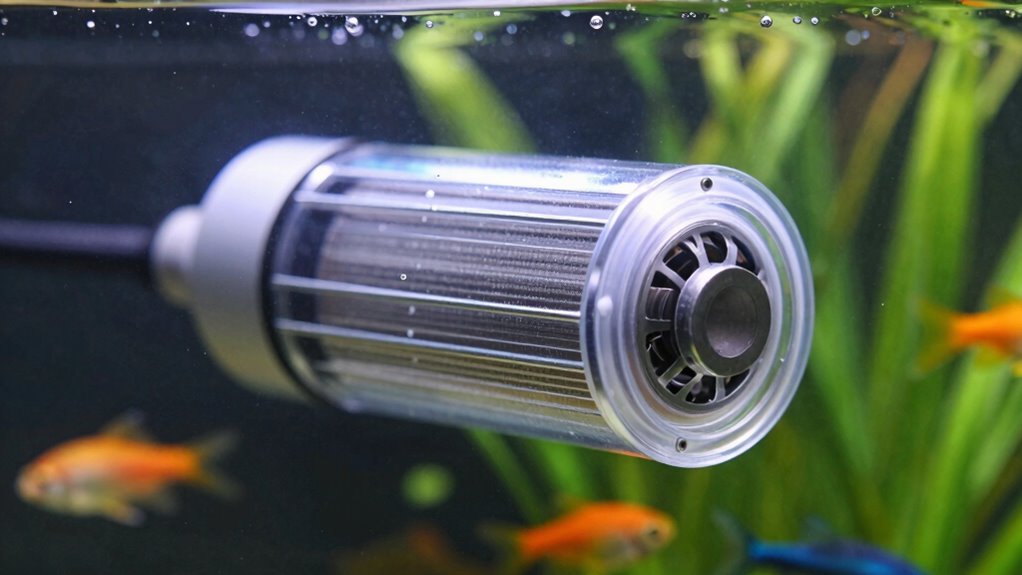
The heating element is the core component responsible for raising the water temperature in your aquarium. Its operation depends on the aquarium heater design, which ensures efficient heat transfer. When the thermostat detects that the water is below your set temperature, it signals the heating element to turn on. The element then converts electrical energy into heat, warming the water directly. To optimize performance, many heaters incorporate temperature regulation features that help prevent fluctuations. Once the desired temperature is reached, the thermostat cuts power to prevent overheating. This cycle repeats continuously, maintaining a stable environment. Modern aquarium heater designs often incorporate safety features like thermal cut-offs to protect against malfunction. Understanding how the heating element operation works helps you appreciate how your heater manages consistent water temperature, even amid fluctuations in room temperature or water circulation. Additionally, some heaters utilize advanced control systems to fine-tune heating cycles, further enhancing stability and safety.
What Causes Temperature Fluctuations in Your Aquarium?
Temperature fluctuations in your aquarium can occur due to several factors that disrupt the stability of the water’s heat. One common cause is aquarium lighting, which can heat the water unevenly or cause temperature swings when lights turn on and off or if the lighting is too intense. Fish behavior also plays a role; active fish generate heat and create turbulence, affecting temperature consistency. Additionally, external factors like room temperature changes or drafts can influence water temperature. Sudden shifts in lighting or increased activity during feeding times can cause quick temperature changes your heater might not keep up with. Understanding these influences helps you better manage your tank’s temperature stability, reducing the risk of stress or health issues for your fish. Regular monitoring and understanding temperature swings can help prevent sudden changes that stress your aquatic life. Being aware of aquarium equipment and how it interacts with environmental factors can further improve temperature stability. Incorporating thermal insulation around your tank can also help maintain consistent water temperatures despite external fluctuations. Proper placement of equipment and heat distribution techniques are essential for a stable environment. Monitoring ambient temperature in the room can also prevent unexpected fluctuations that impact your aquarium’s conditions.
How Can You Detect Temperature Changes in Your Tank?
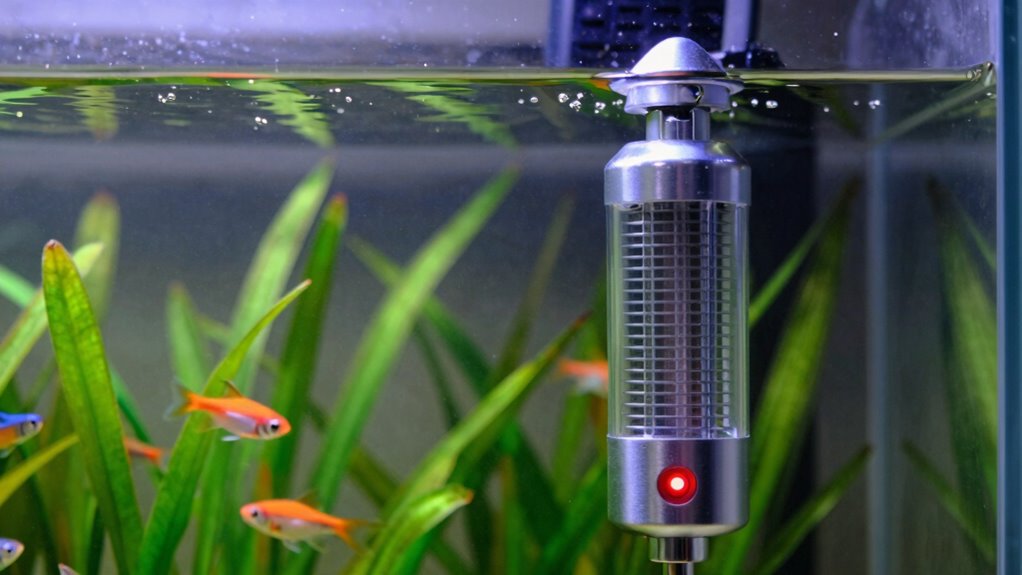
Wondering how to spot when your tank’s temperature is changing? The easiest sign is observing your aquatic life and environment closely. Coral bleaching can occur if temperatures rise unexpectedly, causing corals to lose their vibrant colors. Similarly, sudden temperature shifts can promote unwanted algae growth, making your tank look cloudy or greenish. Regularly use a reliable thermometer to check your tank’s water and keep a consistent record. Look for subtle changes, like fish becoming lethargic or corals fading, which may indicate temperature issues. Being aware of environmental stability helps you maintain optimal conditions for your aquatic inhabitants. Incorporating monitoring tools can help automate this process and provide real-time alerts for temperature changes. Understanding thermal fluctuations and how they affect your tank can help you better interpret these signs and act promptly. Additionally, understanding temperature swings and their impact enables you to take preventative measures more effectively. Ensuring proper tank insulation can minimize rapid temperature changes and protect your aquatic environment. By staying vigilant and monitoring these signs, you can catch fluctuations early, preventing long-term damage. Consistent temperature checks ensure your tank remains stable, promoting a healthy, thriving environment for your aquatic inhabitants.
How Do Temperature Swings Affect Fish Health?
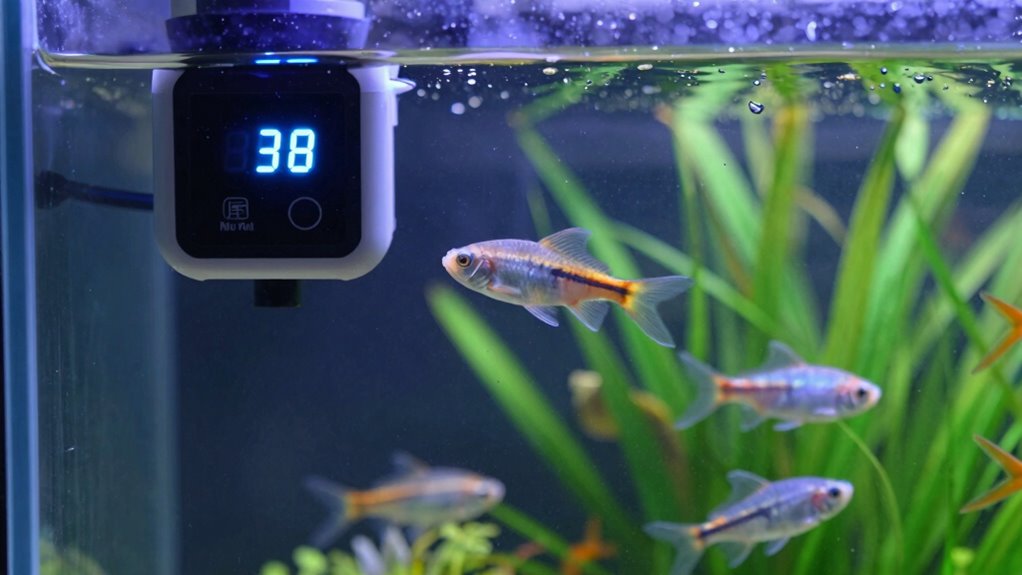
When fish experience sudden temperature swings, their health can quickly decline. Rapid changes cause fish to stress, weakening their immune systems and making them more vulnerable to disease. Stress from temperature fluctuations can lead to erratic behavior, reduced appetite, and increased susceptibility to infections. If the water becomes too cold or too hot suddenly, fish struggle to adapt, which can result in long-term health issues or death. Consistent temperature swings also disrupt biological processes like digestion and respiration, further compromising their well-being. Maintaining stable temperatures helps reduce fish stress and lowers the disease risk, ensuring your fish stay healthier and more active. Keeping a consistent environment is vital for their overall health and longevity. Proper equipment like reliable aquarium heaters is essential to achieve this stability and promote a healthier aquatic environment. Additionally, understanding narcissistic behaviors can help in managing relationships with pet owners who might be overly controlling or manipulative about their aquarium setups, preventing conflicts. Regularly monitoring water temperature with accurate thermometers can help prevent unintentional fluctuations and protect your aquatic pets.
What Are the Best Tips for Keeping Aquarium Temperatures Stable?
To keep your aquarium’s temperature stable, start by choosing a reliable heater suited to your tank’s size and type of fish. Once set up, follow these tips:
- Regularly monitor water temperature with a thermometer to catch fluctuations early.
- Maintain good water quality and avoid sudden changes in water parameters, which can stress fish and affect temperature stability.
- Use appropriate aquarium decor that doesn’t block water flow or trap heat unevenly, helping distribute heat evenly.
Additionally, avoid placing the heater near direct sunlight or drafty spots, which can cause temperature swings. Consistent temperature control creates a stable environment, reducing stress and promoting healthy fish. Proper heater placement and routine checks are essential for maintaining the right temperature and ensuring water quality.
Which Aquarium Heaters Help Minimize Temperature Fluctuations?

Choosing the right aquarium heater is essential for minimizing temperature fluctuations and maintaining a stable environment for your fish. To achieve better temperature consistency, opt for models with reliable sensor technology and precise thermostats. Titanium and glass heaters with digital controls often provide superior heater efficiency, responding quickly to changes and reducing temperature swings. Consider adjustable, in-tank heaters with built-in temperature probes for more accurate control. Avoid basic, non-adjustable heaters, as they can lead to uneven heating and fluctuations. Using a heater with a quality thermostat ensures your tank stays within the desired temperature range. Ultimately, selecting a high-efficiency heater that prioritizes consistent performance helps keep your aquatic environment stable and healthy.
What Should You Do When Your Aquarium Experiences Unexpected Temperature Changes?
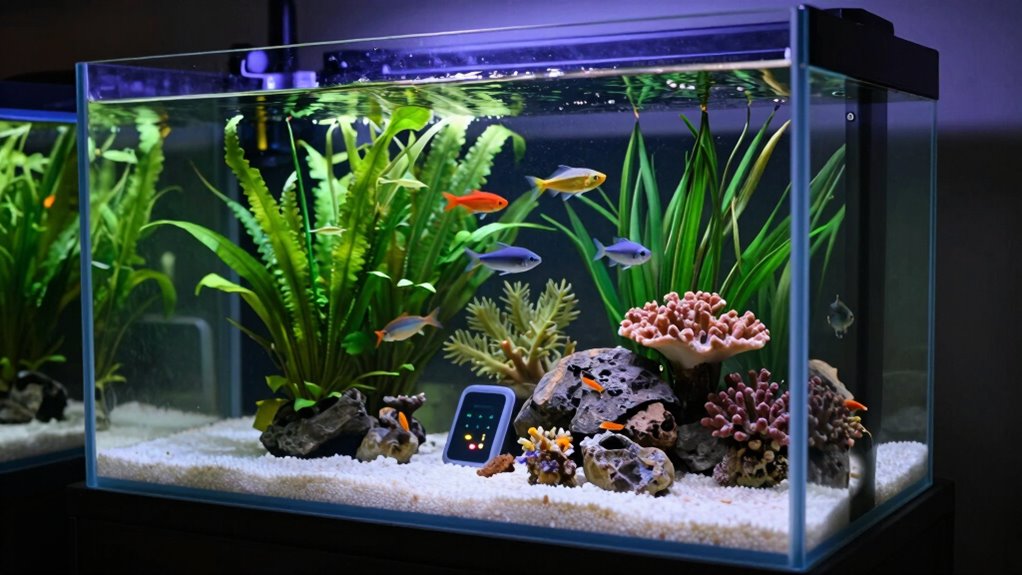
When your aquarium’s temperature suddenly changes, the first step is to check the thermostat to see if it’s functioning properly. You should then adjust the heater settings to restore the correct temperature quickly. Keeping a close eye on these controls helps prevent stress and health issues for your aquatic life.
Check Aquarium Thermostat
If your aquarium suddenly experiences unexpected temperature changes, the first step is to check the thermostat. Ensuring your heater’s thermostat is functioning properly is vital for aquarium safety and observing normal fish behavior. Here’s what to do:
- Verify the thermostat setting matches your desired temperature.
- Inspect the thermostat for any damage or malfunction signs.
- Use an independent thermometer to cross-check the water temperature.
Adjust Heater Settings
Once you’ve confirmed that the thermostat is functioning correctly, adjusting your heater settings can help restore stable water temperatures. Start by setting the thermostat to match the ideal temperature for your specific fish species, considering their compatibility with your current aquarium decor. If your tank is experiencing unexpected swings, gradually tweak the heater up or down rather than making sudden changes. Keep in mind that some aquarium decor, like live plants or substrate, can influence temperature regulation, so confirm your setup supports a consistent environment. Regularly monitor water temperature with a reliable thermometer after adjustments. This proactive approach helps prevent stress or health issues in your fish, ensuring your aquarium remains a comfortable, harmonious habitat.
How Can Regular Maintenance Help Maintain Stable Aquarium Temperatures?
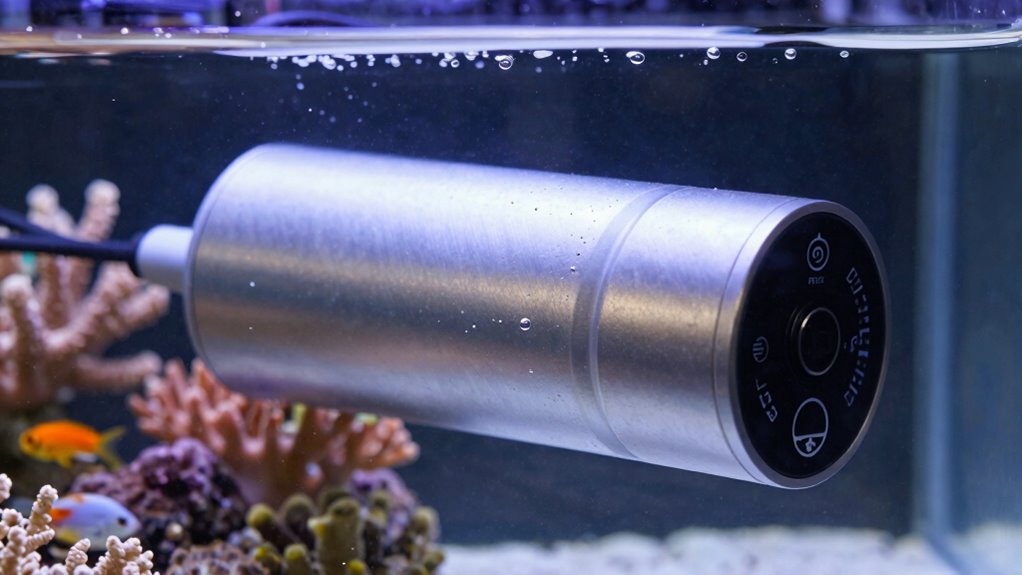
Regular maintenance is essential for keeping your aquarium heater functioning properly and ensuring stable temperatures. When you regularly clean and inspect your equipment, you prevent issues like aquarium algae buildup that can interfere with heater performance. This also helps you spot any irregularities early, avoiding sudden temperature swings that can stress your fish. To maintain consistency, consider these steps:
- Check and clean the heater’s sensor and filter to prevent algae accumulation.
- Test the heater’s accuracy with a thermometer monthly.
- Inspect for signs of wear or damage, especially if fish behavior indicates stress or temperature fluctuations.
Frequently Asked Questions
How Often Should I Calibrate My Aquarium Heater for Accuracy?
You should calibrate your aquarium heater every 3 to 6 months to ensure temperature accuracy. Regular heater calibration helps prevent temperature swings that can stress or harm your fish. Use a reliable thermometer to check the actual water temperature and compare it to your heater’s setting. If there’s a discrepancy, adjust the heater accordingly. Consistent calibration keeps your tank’s environment stable and your aquatic life healthy.
Can External Room Temperature Impact Heater Performance?
Yes, external room temperature fluctuations can influence your heater’s performance. If the room gets colder, your heater works harder to maintain the set temperature, risking temperature swings. Proper heater insulation helps minimize this effect by reducing heat loss. Keep an eye on room conditions and consider insulating your heater to ensure consistent water temperature, preventing stress on your aquatic life and maintaining a stable environment.
Are There Specific Fish Species More Sensitive to Temperature Swings?
Ever wondered if some fish species are more sensitive to temperature swings? Yes, they are. Species sensitivity varies, and tropical fish like discus and certain cichlids are particularly vulnerable. Sudden temperature changes can compromise fish health, weaken immunity, and cause stress. You should monitor your tank’s temperature carefully, especially for delicate species, to prevent health issues and promote their well-being. Keep your fish safe by maintaining stable, appropriate temperatures.
How Long Does It Typically Take for a Heater to Stabilize the Water Temperature?
It usually takes about 30 minutes to an hour for your heater to stabilize the water temperature, depending on heater wattage and placement. To speed up this process, guarantee the heater is properly positioned near the filter outlet and fully submerged. Using the correct wattage for your tank size helps prevent temperature swings. Keep an eye on the thermometer during this period to make sure the water reaches and maintains your desired temperature.
Is It Better to Use a Single Heater or Multiple Smaller Heaters?
Using multiple smaller heaters is usually better because it allows you to optimize heater placement, ensuring consistent temperature distribution throughout your tank. This setup can also improve energy efficiency by reducing the workload on each heater, preventing hot spots or cold areas. With well-placed heaters, you’ll maintain a stable environment more effectively, making your aquarium healthier and your maintenance simpler.
Conclusion
Sometimes, the smallest temperature swings go unnoticed but can unexpectedly impact your fish’s health. By staying vigilant and maintaining your heater, you create a stable environment that feels almost like a second home for your aquatic friends. Remember, a simple check or timely adjustment can prevent unforeseen issues, reminding us that in caring for your tank, the tiniest details often make the biggest difference—coincidence or not, it’s worth the effort.