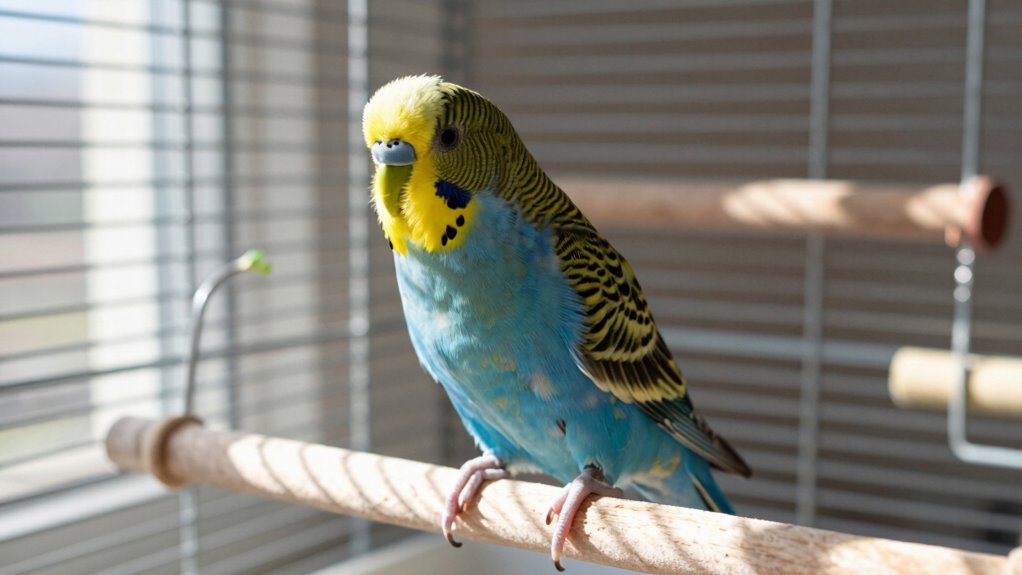

Establishing a consistent routine helps your bird feel secure and reduces stress, which is key to building trust and confidence. Regular schedules for feeding, play, and interaction create predictability, making your bird more comfortable and less skittish. This stability supports your pet’s emotional well-being and helps prevent behavioral issues like screaming or feather plucking. Keep going to discover more ways a routine can deepen your bond and improve your bird’s happiness.

Get pet supplies delivered free with Prime
- Fast, free delivery on millions of items
- Prime Video, Amazon Music and more included
- Member-only deals all year
Key Takeaways
- Routine provides birds with a sense of security and reduces stress through predictability.
- Consistent schedules accelerate taming, strengthen bonds, and foster trust between bird and caregiver.
- Regular feeding times support digestive health and prevent anxiety caused by irregular meals.
- A stable daily rhythm promotes natural behaviors and helps prevent behavioral issues.
- Routine care routines demonstrate love and build a safe environment, encouraging lifelong trust.
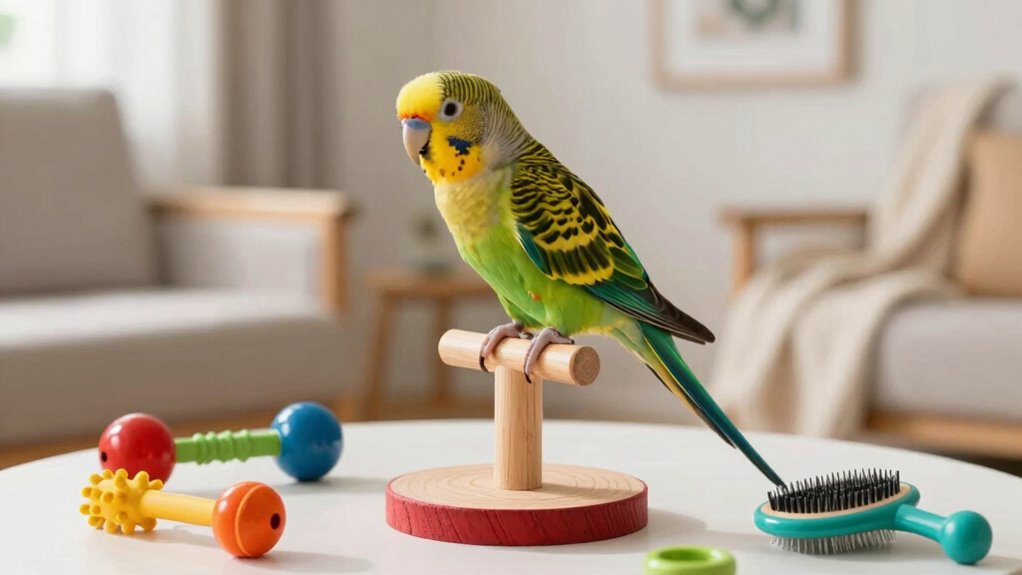
Have you ever wondered why establishing a consistent routine is essential for your companion bird’s well-being? Birds thrive on predictability because it helps them feel secure and reduces stress. When your daily schedule remains steady, your bird learns what to expect, making it easier to build trust and foster a strong bond. One key aspect of creating this stability involves mastering taming techniques. Regular, gentle interactions at the same time each day allow your bird to become familiar with your presence and voice. Over time, this consistency helps reduce fear or aggression, turning initial skittishness into companionship. By sticking to a predictable routine for taming, you show your bird that interactions are safe and positive, which accelerates bonding and makes handling easier.
Consistent routines build trust, reduce stress, and turn skittish birds into loyal, confident companions.
Alongside taming techniques, maintaining a nutritional schedule is vital. Birds need consistent meal times to establish a sense of order in their day. Feeding your bird at the same times helps regulate their digestive system and prevents overeating or nutritional deficiencies. When you provide a balanced diet on a set schedule, your bird’s health improves, and it feels more secure knowing when to expect food. Changing feeding times or offering inconsistent portions can cause confusion or anxiety, undermining the trust you’re working to build. Additionally, sticking to a routine for treats and snacks can reinforce positive behaviors, making training and socialization smoother. Establishing a consistent feeding routine further supports your bird’s physical and emotional health.
A predictable schedule extends beyond just taming and feeding—it influences your bird’s entire daily rhythm. Regularly scheduled playtime, quiet periods, and sleep routines help your bird develop a natural circadian rhythm. When your bird sleeps and wakes at consistent times, it’s more alert and engaged during the day, which enhances learning and social interactions. Conversely, erratic routines can lead to behavioral issues such as screaming, feather plucking, or lethargy because your bird’s internal clock becomes unsettled. Creating a biodiversity-conscious routine can also encourage your bird to interact more naturally with its environment, promoting mental and physical health. Incorporating routine consistency into your daily care can also help prevent stress-related behaviors and support overall well-being.
Ultimately, routine isn’t just about discipline; it’s about creating a safe environment where your bird feels confident and cared for. You might find that small adjustments, like setting specific times for cleaning or offering enrichment, make a big difference. By prioritizing a stable schedule for taming techniques and nutritional routines, you set the foundation for a happy, healthy, and well-adjusted companion bird. The consistency you provide helps your bird understand that it’s loved and protected, fostering a lifelong bond built on trust and mutual understanding.
As an affiliate, we earn on qualifying purchases.
Frequently Asked Questions
How Can I Establish a Consistent Daily Routine for My Bird?
You can establish a consistent daily routine by setting specific times for feeding, social interaction, and play. Keep your bird’s diet consistent by offering the same foods daily, and incorporate regular social interaction to build trust. Stick to a schedule, so your bird knows what to expect, which reduces stress. Over time, this routine helps your bird feel secure, happy, and well-adjusted in your daily environment.
What Signs Indicate My Bird Is Stressed by Routine Changes?
If your bird shows signs of stress from routine changes, you might notice feather grooming increases—over-preening or feather plucking—and signs of socialization issues, like withdrawal or aggression. You may also observe vocal changes or decreased activity. These cues suggest your bird feels overwhelmed. To help, reintroduce familiar elements gradually and maintain consistent schedules, which reassure your bird and reduce stress, promoting healthier behavior and socialization.
How Does Routine Influence a Bird’s Mental Health?
Routine considerably boosts your bird’s mental health; studies show consistent environments reduce stress and improve cognitive function. When you maintain a predictable schedule, you enable opportunities for bird enrichment and social interaction, which are essential for emotional well-being. A steady routine helps your bird feel secure, reducing anxiety and fostering trust. By sticking to a routine, you create a stable environment that nurtures your bird’s happiness and mental resilience.
Can a Strict Routine Cause Boredom in My Bird?
A strict routine can cause boredom if it becomes too predictable or limiting. To keep your bird engaged, vary activities and incorporate new toys or tricks. Focus on providing a balanced bird diet and maintaining cage cleanliness, which can boost your bird’s interest and well-being. By mixing routine with small surprises, you help prevent boredom while ensuring your bird stays healthy and happy.
What Should I Do if My Bird Refuses to Follow the Routine?
If your bird refuses to follow the routine, don’t fret—it’s actually a sign of its independence. You should embrace this with training flexibility, allowing your bird to explore and set its own pace. Keep sessions short, positive, and adapt to its mood. Over time, gentle consistency mixed with respect for its independence builds trust, making it more likely to accept your routine willingly. Patience is key!
Conclusion
Maintaining a routine keeps your bird happy and healthy. Imagine Sarah, who stuck to a consistent feeding and play schedule, noticing her parrot’s increased confidence and fewer behavioral issues. Just like her, you’ll see your bird thrive when daily routines become second nature. It’s about creating a predictable environment that builds trust and reduces stress. So, stick to your routine—you’re not just caring for a bird; you’re nurturing a lifelong bond.
Halloween Picks
halloween
As an affiliate, we earn on qualifying purchases.