TL;DR

Get pet supplies delivered free with Prime
- Fast, free delivery on millions of items
- Prime Video, Amazon Music and more included
- Member-only deals all year
A Veterinary Practice News report by veterinarian Chelsea McGivney describes how veterinary practices can build dedicated care pathways for senior pets. The recommendations include identifying patients who have stopped attending, adapting visits to older animals, and working with caregivers to address practical barriers; the report does not announce a new program or measure its outcomes.
A report in Veterinary Practice News outlines how clinics can create a more continuous care pathway for senior pets, from identifying patients who have stopped attending to adapting appointments and discussing care options with their families. Veterinarian Chelsea McGivney presents the approach as a way to address barriers before an older animal returns to the clinic in crisis; the article describes recommendations, not a newly launched or evaluated program.
McGivney says older pets can gradually fall out of regular veterinary care when caregivers interpret changes in mobility, appetite, sleep, behavior, or elimination as unavoidable effects of aging. Some owners may also worry that a visit will bring unaffordable testing or pressure to make an end-of-life decision. For others, transportation, mobility, health, financial, or scheduling difficulties make appointments harder to manage.
The report recommends that practices start by reviewing their records for senior dogs and cats who have not had an examination within a chosen period. Staff can check for chronic conditions, missed rechecks, discontinued medications, mobility concerns, and prior notes about fear during handling or declined tests. McGivney frames the search as a practical starting point, not a rigid definition of when an individual animal becomes senior.
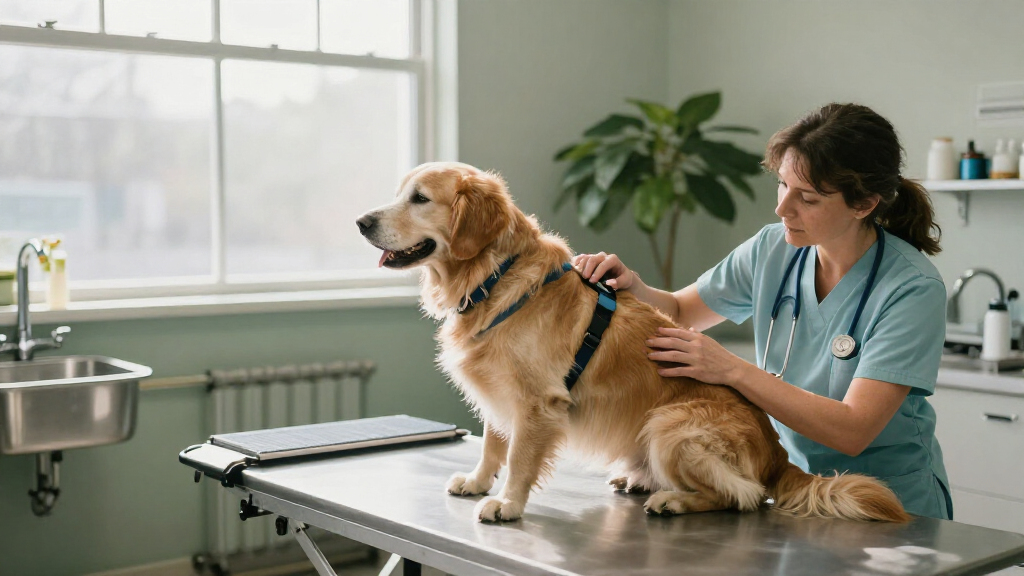
Outreach should invite discussion rather than alarm clients, the report says. Practices can ask what would make a visit easier and consider options such as quieter appointment times, help getting an animal from the car, a mobile provider, or telehealth when legally and clinically appropriate. If cost is a barrier, staff can discuss priorities and staged care; if fear is an issue, they can plan for low-stress handling or a shorter initial appointment.
Keeping Older Pets Connected to Care
The proposed pathway addresses a gap that can form between a pet’s gradual health changes and the point when a caregiver seeks help. When an animal is not seen regularly, a clinic may miss opportunities to discuss comfort, function, preventive screening, and changes at home. McGivney’s report argues that supportive contact and adaptable appointments may help families reconnect with veterinary care before a problem becomes urgent.
The recommendations also recognize that access is not determined by cost alone. Transportation, geography, communication, clinic resources, and a caregiver’s own circumstances can affect whether an older pet receives care. Asking about those barriers gives a practice a chance to offer realistic options rather than simply sending another overdue notice. The report does not establish how much any individual measure improves health outcomes or appointment rates.
Products Worth Considering

PetSafe Microchip Cat Door, Interior/Exterior, Multi-Pet, 4-Way Lock

PetSafe ScoopFree Clumping Self-Cleaning Litter Box

PetSafe Electronic Pet Door – Collar Key Sensor – Large (up to 100 lb)
As an affiliate, we earn on qualifying purchases.
A Broader View of Senior Care
The report draws on the 2023 American Animal Hospital Association Senior Care Guidelines, which, as summarized by McGivney, do not set one age that makes every animal senior. Species, breed, size, expected lifespan, health, and functional changes all inform care planning. The guidelines describe senior care as covering multiple areas, including screening, pain management, nutrition, dental health, behavior, environmental adjustments, concurrent diseases, and caregiver support.
McGivney also cites a 2024 scoping review that identified affordability, geography, personnel and equipment, communication, transportation, and other practical or social factors as barriers to veterinary care. The supplied report provides no numerical estimate of how common each barrier is. Its suggested response is to treat aging as a distinct life stage and build an individualized plan, rather than treating every change as either inevitable or a sign of terminal illness.
“Now that Max is entering a new life stage, we would like to create a plan that helps him stay comfortable and engaged for as long as possible.”
— Example wording suggested in McGivney’s report
Program Outcomes Are Not Reported
The supplied article offers practice recommendations, but it does not report a trial, patient-outcome data, or a comparison showing whether a dedicated senior-care pathway increases attendance or improves health. It also does not describe one standard program that every clinic should adopt. The suggested steps must be adapted to the animal, caregiver, clinic’s resources, and applicable rules for services such as telehealth.
The report does not specify a universal age or time without an examination that should trigger outreach. It also does not provide figures for the frequency of missed care or the relative contribution of each access barrier. Those details remain dependent on the practice and the individual family.
Clinics Can Start With Records
McGivney’s proposed first step is for a practice to define the senior-patient criteria it will use for a records search, then review which patients have not returned within a selected period. A clinic can use that review to plan supportive, individualized outreach and ask caregivers what makes care difficult to access.
For an appointment, the report suggests collecting information about appetite, drinking, elimination, sleep, mobility, play, grooming, social interaction, cognition, and behavior. Families may also be invited to share videos of movements or routines at home. The article provides these as possible components of a senior visit; it does not set a rollout schedule or report a specific next milestone.
Key Questions
What is the news about senior-pet care?
Veterinarian Chelsea McGivney’s report in Veterinary Practice News describes ways clinics can keep older pets connected to veterinary care, including records-based outreach, adapted appointments, and discussions about access barriers.
Does the report announce a new national program?
No. The material describes recommendations for veterinary practices; it does not announce a national initiative or a program with reported outcome data.
Why might older pets miss veterinary visits?
The report lists possible factors such as a caregiver assuming changes are a normal part of aging, concern about costs or difficult decisions, transportation problems, a pet’s fear of travel, and the caregiver’s own health or scheduling challenges.
What can a clinic do to make a senior-pet visit easier?
Options discussed include quieter appointment times, help from the car, low-stress handling, a shorter first visit, or referral to a mobile provider. Telehealth may be considered when legally and clinically appropriate.
Is there one age that defines a senior pet?
Not according to the 2023 AAHA guidelines as summarized in the report. Species, breed, size, expected lifespan, health, and functional changes all matter, so the article recommends individualized planning rather than one age cutoff.
Source: veterinarypracticenews.com