
TL;DR

Get pet supplies delivered free with Prime
- Fast, free delivery on millions of items
- Prime Video, Amazon Music and more included
- Member-only deals all year
CNET reviewer David Watsky tested the Neakasa Riko automatic feeder for a month. It stores freeze-dried food and water separately, then grinds and rehydrates a portion at feeding time, avoiding the need to keep prepared wet food chilled in the dispenser. The review found promising results with freeze-dried food, but noted that dialing in moisture levels takes patience and results with other dry foods were less consistent.
CNET reviewer David Watsky tested the Neakasa Riko automatic pet feeder for a month, reporting that it prepares portions of freeze-dried food with water at mealtime rather than storing already-wet food in a refrigerated compartment. The design offers a different way to automate wet-style meals, though the review found that food type and moisture settings affect results.
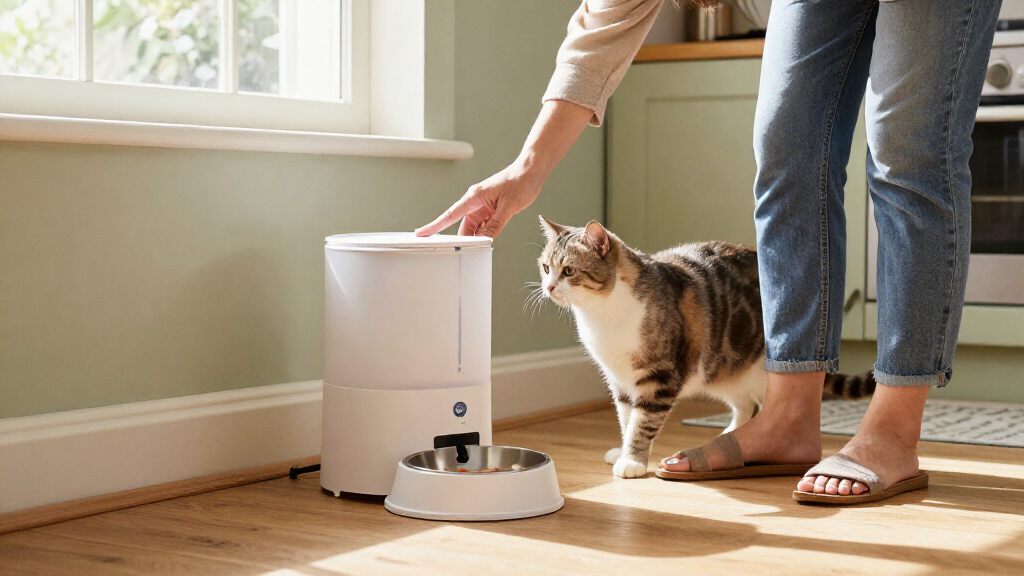
The Riko keeps dry food and water in separate storage. When a meal is due, its mechanism grinds the food and adds water before serving it in a retractable bowl beneath the hopper. The unit has an 80-ounce water tank, and its app provides scheduled and manual feeding controls, feeding history, reminders and estimated food and water levels.
Watsky reported the strongest results with freeze-dried food, which the feeder is designed to handle. He also tested his cat’s regular dry food, Supreme Source, but said the machine did not grind it. His cat appeared willing to eat it softened, but the reviewer was not ready to rely on the Riko for the entire feeding routine with that food. Neakasa says the device may also work with air-dried and baked food and does not recommend extruded kibble.
The review praised the app’s organization and the unit’s removable storage tanks and two dishwasher-safe stainless-steel bowl inserts. Watsky also reported a minor scheduling glitch during testing. The model he received appeared to be an early production version and did not include a cleaning brush found in other kits, so that detail may not reflect every retail package.
CAT TECH / HANDS-ON REVIEW
The Future of Wet Cat Food Dispensers Is Here
A month-long CNET test of Neakasa Riko explores a different way to automate wet-style meals: store freeze-dried food and water separately, then combine them just before serving.
A different way to serve wet meals
Prepared wet food can be difficult to automate because it should be served fresh. Riko instead starts with dry food and adds water at mealtime, changing both the feeder’s routine and what owners need to plan.
Dry food + water
The hopper holds dry food while an 80-ounce tank stores water in a separate compartment.
Grind and rehydrate
At feeding time, the device grinds a portion and adds water rather than keeping prepared wet food chilled inside.
Retractable bowl
The bowl moves beneath the dispensing area so the food can absorb water before it is presented.
Set a meal in the app or dispense manually.
Dry food is processed shortly before serving.
Water joins the portion as it is prepared.
The bowl retracts into reach for mealtime.
What the test found
The review points to food compatibility as the key factor. Results were strongest with freeze-dried food, while one regular dry food did not grind in the machine.
Promising in the test
- Freeze-dried food produced the strongest results.
- The app organizes schedules, manual feeding, history, reminders, and estimated food and water levels.
- Storage tanks are removable, and two stainless-steel bowl inserts are dishwasher-safe.
- The approach avoids storing already-wet meals in a refrigerated dispenser compartment.
Points to weigh
- Moisture settings take experimentation to get right.
- The tested Supreme Source dry food was not ground by the machine.
- A minor scheduling glitch occurred; its frequency and cause were not specified.
- Freeze-dried food may cost more than canned food for exclusive use.
Food compatibility still varies
The review describes a useful starting point, not proof that every food, brand, or kibble shape will work consistently. Manufacturer guidance is limited beyond freeze-dried food.
“The Neakasa Riko is a smart cat feeder that rehydrates food meal by meal.”
David Watsky · CNET reviewer“I’m not ready to let the Riko take over the entire feeding process just yet.”
David Watsky · CNET reviewer“The Riko may also work with air-dried and baked cat food; the company does not recommend it for extruded kibble.”
Neakasa guidance, as described in the CNET reviewCompatibility at a glance
These signals reflect the CNET review and the maker’s guidance quoted there. They are not a measured performance rating across all foods.
Check fit before switching
For owners considering Riko, start with food the device is designed around, then observe how portions and moisture settings work for the individual pet before relying on it for every meal.
How does it prepare a meal?
It stores dry food and water separately, then grinds the food and adds water when a scheduled meal is dispensed.
Which food worked best?
Freeze-dried food produced the strongest results in David Watsky’s test. One regular dry food was not ground.
Does it refrigerate wet food?
No. Its described method adds water to dry food at mealtime rather than storing prepared wet food chilled.
Was the optional battery tested?
No. The reviewer did not test it; the up-to-seven-day backup figure is Neakasa’s claim.
A Different Way to Serve Wet Meals
Wet food can be difficult to automate because it generally needs to be served fresh and should not sit out for long. Some automatic dispensers address that problem with freezer packs or refrigeration, but those systems require chilled storage and may have limited capacity. The Riko instead starts with dry freeze-dried food and adds water as a meal is served, which could make scheduled wet-style feeding more practical for owners who are away from home.
The approach also changes what owners need to plan for. Rather than simply loading cans or pouches, users must choose compatible food and work out a suitable water-to-food ratio. Watsky described the process of finding the preferred moisture level as requiring patience. The reviewer also noted that exclusive use of freeze-dried food can cost more than canned food, so convenience may come with a higher food bill.
Products Worth Considering

PETLIBRO Automatic Cat Feeder with 1080p Camera and Night Vision

PETLIBRO Automatic Cat Feeder for Two Cats with AI Recognition Camera

PETLIBRO RFID Automatic Cat Feeder with Collar Sensor
As an affiliate, we earn on qualifying purchases.
How the Riko Prepares Each Portion
The Riko differs from a conventional dry-food feeder by combining food preparation with scheduled dispensing. Its hopper holds dry food while the water tank remains separate; the feeder then grinds and wets a portion shortly before serving. The bowl retracts under the dispensing area, giving the food time to absorb water before it is presented.
Watsky tested the device over one month after previously having to plan around his cat’s wet-food meals. The review describes the Riko as a product aimed at cat owners that can also be used for small dogs. Its maker’s guidance is more limited for food types beyond freeze-dried products: Neakasa says air-dried and baked foods may work, while advising against extruded kibble.
“The Neakasa Riko is a smart cat feeder that rehydrates food meal by meal.”
— David Watsky, CNET reviewer
Food Compatibility Still Varies
The review does not establish that the Riko works equally well with all food types, brands or pieces of dry food. Watsky’s test of one regular dry food produced different results from the freeze-dried food the product is designed for, and the reviewer said the unit did not grind that food. Broader performance across foods remains unverified in the source material.
The review also reports a scheduling glitch but does not specify its frequency, cause or whether a software update addressed it. It does not provide the feeder’s price, a measured comparison of ongoing food costs, or results from testing the optional battery pack. Neakasa claims that the battery in the Everyday Set can provide up to seven days of backup power; Watsky said he did not test it.
Check Fit Before Switching
For owners considering the Riko, the immediate practical step is to check whether their pet’s food is among the types Neakasa says may work and to test the feeder’s portions and moisture settings before relying on it for every meal. The review suggests starting with freeze-dried food, the food type the device is designed around, and observing how a pet responds.
Further assessments could clarify how consistently the feeder handles different foods, whether the scheduling issue is resolved, and how the optional battery performs during an outage. The CNET review does not report those results, so they remain open questions rather than confirmed benefits.
Key Questions
How does the Neakasa Riko prepare a meal?
It stores dry food and water separately, then grinds the food and adds water when a scheduled meal is dispensed.
Which food worked best in the review?
Reviewer David Watsky reported the strongest results with freeze-dried food, the type the Riko is designed to use. He also tried a regular dry food, but said the feeder did not grind it.
Does Neakasa recommend using the Riko with kibble?
Neakasa says the unit may work with air-dried and baked food but does not recommend it for extruded kibble, according to the review.
Does the Riko keep prepared wet food refrigerated?
No. The Riko’s described method is to add water to dry food at mealtime, rather than store prepared wet food in a refrigerated compartment.
Was the optional battery tested?
No. Watsky did not test the optional rechargeable battery. Neakasa claims it can provide up to seven days of backup power.
Source: CNET