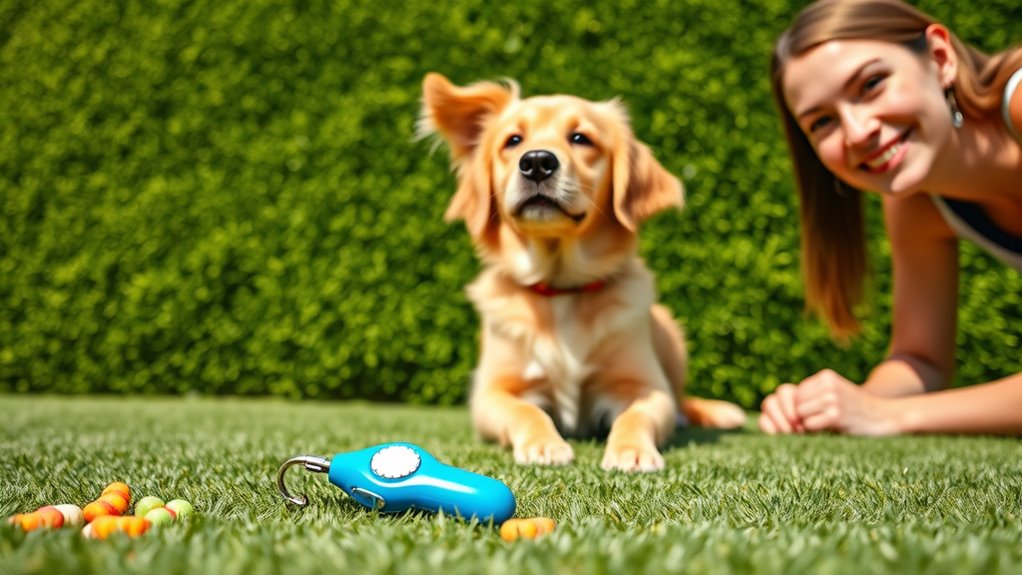

Clicker training is a fun and effective way to teach your pet desired behaviors using positive reinforcement. You start by pairing the sound of a clicker with a tasty treat to establish a clear signal for correct actions. From there, you can teach simple commands like “sit,” using the clicker to reinforce behaviors. Consistent training sessions help your pet learn faster. Stick around to find out more tips and tricks for mastering this engaging training method!

Get pet supplies delivered free with Prime
- Fast, free delivery on millions of items
- Prime Video, Amazon Music and more included
- Member-only deals all year
Key Takeaways
- Clicker training uses positive reinforcement to encourage desired behaviors in pets, strengthening the bond between owner and pet.
- Start by pairing the clicker sound with treats to help the pet associate the click with positive outcomes.
- Teach simple commands like “sit” by guiding with treats and clicking immediately when the desired behavior occurs.
- Consistent daily practice, using the same cues, is essential for effective learning and preventing confusion.
- Gradually increase the difficulty of commands and reduce treat frequency to maintain engagement and enhance the value of rewards.
When you want to teach your pet new tricks or reinforce good behavior, clicker training can be an effective and enjoyable method. This technique relies on positive reinforcement, which means you reward your pet for displaying the desired actions. By using a clicker, you create a clear and consistent signal that lets your pet know they’ve done something right. This method not only helps your pet learn but also strengthens the bond between you and your furry friend.
To get started, you’ll need a clicker and some treats that your pet loves. Begin by associating the sound of the clicker with a reward. Click the device and immediately give your pet a treat. Repeat this several times until they understand that the click means something positive is coming their way. Consistency is essential during this phase; make sure to click and treat every time to reinforce the connection. Once your pet recognizes the clicker, you can start using it during training sessions.
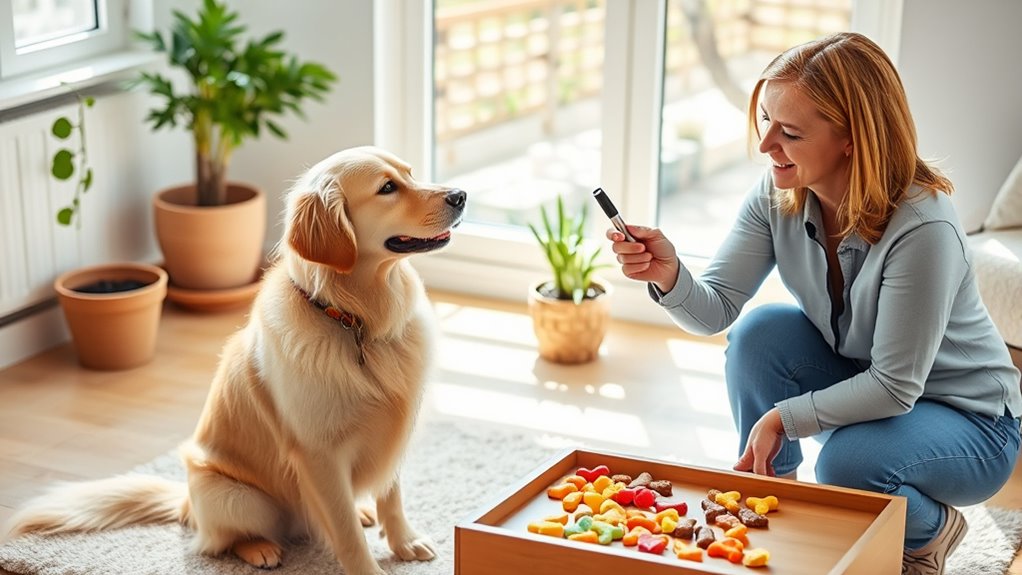
Now, you’re ready to teach your pet new commands or tricks. Start with something simple, like “sit.” Hold a treat above your pet’s nose and slowly move it back over their head. As their head goes up, their bottom will naturally lower. The moment they sit, click the clicker and give them a treat. This immediate reward reinforces the behavior you’re trying to encourage. As you repeat this process, your pet will begin to associate the action of sitting with the positive reinforcement of the click and the treat.
Training consistency is essential in this process. Make sure you practice regularly, even if it’s just for a few minutes each day. If you skip days or are inconsistent in your commands and rewards, your pet may become confused. Stick to the same cues and make sure everyone in your household uses the same commands to avoid mixed messages.
As your pet masters new tricks, gradually increase the difficulty and reduce the frequency of treats. You can start rewarding them every other time they perform the desired behavior, then further extend the intervals. This not only keeps your pet engaged but also makes the rewards feel more special. Remember, the key to successful clicker training lies in patience, positive reinforcement, and maintaining training consistency. By following these principles, you’ll not only teach your pet new tricks but also foster a loving and trusting relationship. Additionally, using positive reinforcement techniques can significantly enhance the effectiveness of your training sessions.
As an affiliate, we earn on qualifying purchases.
Frequently Asked Questions
Can Clicker Training Be Used for All Types of Pets?
Yes, clicker training can be used for various types of pets, showcasing its species versatility. Whether you’re working with dogs, cats, or even birds, the principles remain the same. However, you should consider the training complexity involved. Some species may require more patience or different approaches to grasp the concepts. By understanding your pet’s unique needs, you can effectively implement clicker training across a range of animals, making learning fun and rewarding for everyone involved.
How Long Does It Take to See Results With Clicker Training?
Like planting a seed, you’ll need timing, consistency, and a bit of patience to see results with clicker training. Usually, you can start noticing positive changes within a few weeks, but it depends on your pet and the effort you put in. The benefits of regular practice will blossom over time, creating a bond of trust and understanding between you and your furry friend. Keep at it, and you’ll reap the rewards!
What Are Common Mistakes to Avoid in Clicker Training?
Common mistakes in clicker training include timing errors and inconsistent cues. If you click too late or too early, your pet might get confused about what behavior you’re rewarding. Consistency is key; using different cues for the same command can lead to misunderstandings. Make sure you’re clear and consistent with your signals. By avoiding these pitfalls, you’ll foster a more effective training environment and help your pet learn faster.
Can I Use Treats Other Than Kibble for Clicker Training?
Yes, you can definitely use treats other than kibble for clicker training! Alternative rewards like small pieces of cooked chicken, cheese, or even fruits can be highly motivating for your pet. Just make sure the training treats are small, easy to chew, and something your pet loves. Experiment with different options to see what excites your pet the most, and watch how it enhances their learning during training sessions!
Is Clicker Training Suitable for Older or Rescue Pets?
Absolutely, clicker training can be suitable for older or rescue pets! While they might face age-related challenges, such as slower reactions or adaptability concerns, the positive reinforcement approach is gentle and effective. You’ll find that many older pets respond well to it, as it builds trust and enhances communication. Just make certain you keep training sessions short and enjoyable to accommodate their needs, and always be patient as they learn at their own pace.
Conclusion
In conclusion, clicker training can transform your pet into a well-behaved companion faster than a cheetah on the hunt! By using positive reinforcement, you’re not just teaching tricks; you’re building a strong bond based on trust and communication. Remember to stay patient and consistent, and soon enough, your furry friend will be responding to cues like a pro. So grab that clicker and start the adventure—your pet’s new skills await!
Halloween Picks
halloween
As an affiliate, we earn on qualifying purchases.