
TL;DR

Get pet supplies delivered free with Prime
- Fast, free delivery on millions of items
- Prime Video, Amazon Music and more included
- Member-only deals all year
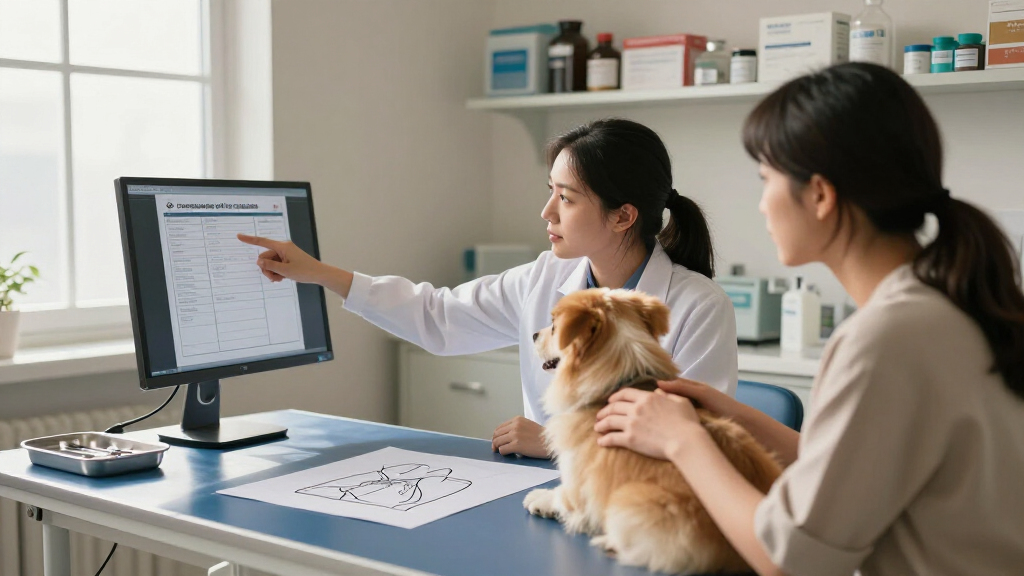
Veterinary surgeon Kendra Freeman’s report in Veterinary Practice News describes how veterinarians can discuss diagnosis, surgical options, anesthesia risks and recovery with pet owners. It emphasizes tailoring conversations to each animal’s condition and avoiding assumptions about which procedure a client will choose.
Veterinary surgeon Kendra Freeman says discussions about surgery should address a pet’s diagnosis, prognosis, available procedures, anesthesia and expected recovery, rather than focusing on a single risk or recommendation. In a report for Veterinary Practice News, she argues that case-specific communication helps owners weigh decisions while accounting for concurrent conditions and the limits of information found online.
Freeman, identified as a doctor of veterinary medicine and a board-certified large- and small-animal surgeon, writes that owners may consult search engines, social media and AI tools before speaking with a specialist. That research can make consultations more informed, she says, but unreliable sources can also leave clients with expectations that do not match the animal’s diagnosis or likely outcome.
Her examples show why apparently familiar diagnoses can require closer evaluation. A complete cranial cruciate ligament tear may be relatively straightforward to identify, while a partial tear can be harder to diagnose. Age, chronic or bilateral injuries, osteoarthritis and other concurrent conditions can affect prognosis, surgical recommendations and recovery expectations, she writes.
Where more than one reasonable procedure is available, Freeman says veterinarians should explain each option’s advantages, disadvantages and limitations. She contrasts procedures available in a general practice with options such as TPLO or tibial tuberosity advancement that may require referral or a traveling specialist. Cost and travel are relevant, but she says they should not replace discussion of the clinical differences.
Clear Choices Before Surgery
For pet owners, the choice of a procedure can affect treatment plans, travel, costs and the demands of recovery. Freeman’s report treats communication as part of surgical planning: clients need a realistic account of what a procedure can and cannot offer for their particular pet, not just a list of available operations.
That approach also leaves room for owners to make different choices based on their circumstances and their animal’s needs. Freeman says clinicians should not assume in advance which option a client will select. Explaining reasonable alternatives without judgment can help owners take part in a decision that fits their family and the patient.
The report also addresses anesthesia concerns, which may be shaped by a prior adverse experience or a pet’s other health conditions. Freeman cites published estimates of 10% to 12% for anesthesia-related complications in dogs and cats, while reported anesthetic deaths are below 1%. She says reported perianesthetic complications in brachycephalic breeds have reached up to 49%. These figures have distinct populations and outcomes; they are not a personalized estimate for any individual animal.
As an affiliate, we earn on qualifying purchases.
From Online Research to Consultation
Freeman describes a referral setting in which owners may have time to research a diagnosis after an initial appointment with a primary-care veterinarian and before meeting a specialist. That time can support a more detailed conversation, but the quality of online information varies. Her report encourages clinicians to ask what owners understand and address misconceptions rather than assuming online research is either helpful or harmful.
She also cautions against focusing narrowly on a diagnosis. A pet with a recent partial cruciate injury may have a different outlook from an older animal with chronic injuries in both knees and radiographic osteoarthritis. Freeman says a thorough history and physical examination, together with consideration of other conditions, are needed to guide recommendations and explain prognosis.
Recovery planning is another part of the preoperative discussion. Freeman lists questions owners commonly ask, including when a pet may walk after orthopedic surgery, how appetite may change and when a bowel movement is expected. She says discussing likely recovery before surgery can help set expectations. The article also raises frailty, rather than chronological age alone, as a consideration, but the supplied excerpt ends before giving further detail on that point.
Limits of the Risk Estimates
The supplied report excerpt does not identify the studies behind the anesthesia statistics or provide their methods, time periods or definitions of a complication. The figures should therefore be read as estimates cited by Freeman, not as a prediction for a specific patient. Individual risk depends on the animal’s condition and the anesthetic plan, among other factors; the excerpt does not quantify those differences.
The source material also does not provide a publication date, describe a new clinical trial or announce a change in veterinary guidance. It is a professional commentary on client communication. The excerpt cuts off during a discussion of frailty, so it does not show Freeman’s full recommendations on assessing that factor or the remainder of the article.
Questions for the Veterinary Team
Owners considering an operation can ask their veterinarian what diagnosis has been established, how certain it is, what other health issues affect the outlook and which reasonable procedures are available. They can also ask how each option differs in expected benefits, limitations, recovery demands and need for referral.
Before anesthesia, owners can discuss their pet’s medical history, prior reactions and individual risk factors with the veterinary team, and ask what monitoring and recovery care are planned. Freeman’s report does not set out a new deadline or policy change; the next step it points toward is a patient-specific conversation before a treatment decision.
Key Questions
What does Freeman recommend discussing before surgery?
She recommends covering the diagnosis and prognosis, reasonable surgical options and their advantages and limits, anesthesia concerns, and likely recovery expectations.
Are the anesthesia complication figures an individual pet’s risk?
No. The report cites general estimates for dogs and cats and a figure reported for brachycephalic breeds. The excerpt does not provide enough study detail to apply those numbers to an individual patient.
Should owners compare procedures only by cost?
Freeman says cost and travel time should not be the only points of comparison. She recommends explaining each option’s clinical advantages, disadvantages and limitations as well.
Does the report announce new veterinary guidance?
No new guideline, study or policy is identified in the supplied material. The article is a report by a veterinary surgeon about communicating with clients during surgical planning.
Source: rss
Fall Picks
fall essentials
As an affiliate, we earn on qualifying purchases.