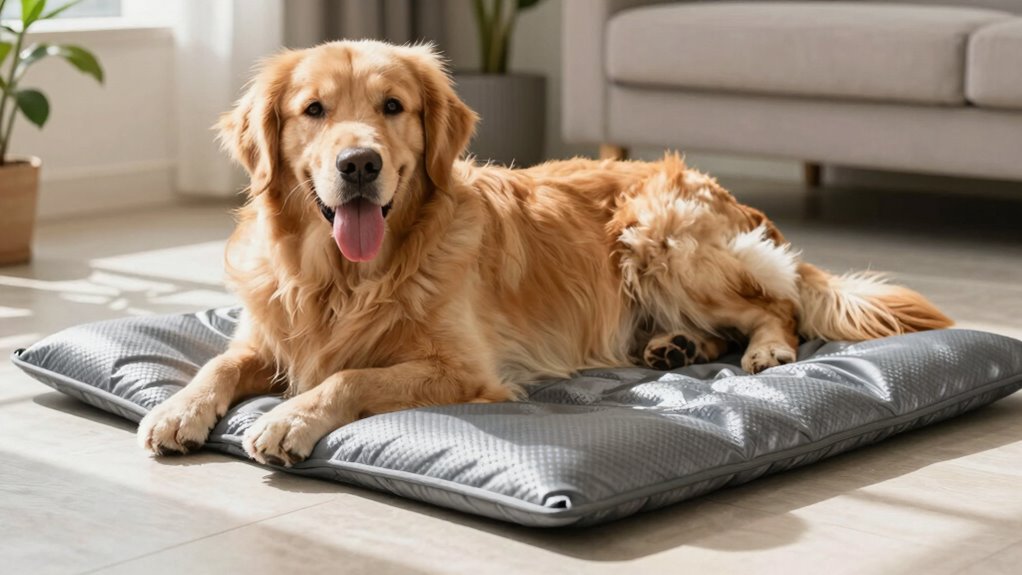

Dog cooling mats help your pet stay cool not just by providing a cold surface, but by supporting their natural cooling methods. Dogs cool down through panting, which evaporates moisture, and blood flow adjustments that bring heat to the surface for dissipation. Shaded areas and cool surfaces further aid in temperature regulation. Choosing the right cooling mat enhances these processes, keeping your dog safe and comfortable—there’s more to effective cooling strategies than just a mat.
Key Takeaways
- Cooling mats absorb heat through conduction, lowering the dog’s body temperature without relying solely on panting.
- Proper placement of cooling mats in shaded, ventilated areas enhances their effectiveness.
- Dogs dissipate heat by directing blood flow toward the skin and extremities, aided by the cool surface.
- Combining cooling mats with external shade and cool surfaces optimizes overall thermal regulation.
- Monitoring for signs of overheating ensures dogs stay safe while using cooling mats during hot weather.
How Do Dogs Naturally Cool Down in Hot Weather?
Dogs rely on several natural methods to stay cool when the weather heats up. One essential way is through their fur insulation, which helps regulate body temperature by providing a barrier against the heat. However, this same fur can sometimes trap heat, so dogs naturally shed or grow a lighter coat in warmer months to stay cooler. Another vital method is water consumption. Dogs instinctively drink more water to keep their bodies hydrated, which aids in cooling through internal temperature regulation. Their bodies also use blood flow to dissipate heat, directing blood toward the skin surface to release excess warmth. Additionally, hair shedding patterns change seasonally to help dogs adapt to high temperatures. These natural strategies work together, helping dogs manage high temperatures even before considering external cooling aids like mats or fans. Natural cooling mechanisms are crucial for dogs to maintain a stable body temperature in hot weather. For example, panting is another key process, as it allows dogs to evaporate moisture from their tongue and respiratory tract, effectively releasing heat from their bodies. Furthermore, increased ventilation within their environment can assist in cooling down their overall body temperature.
How Do Dogs Use Panting and Blood Flow to Stay Cool?
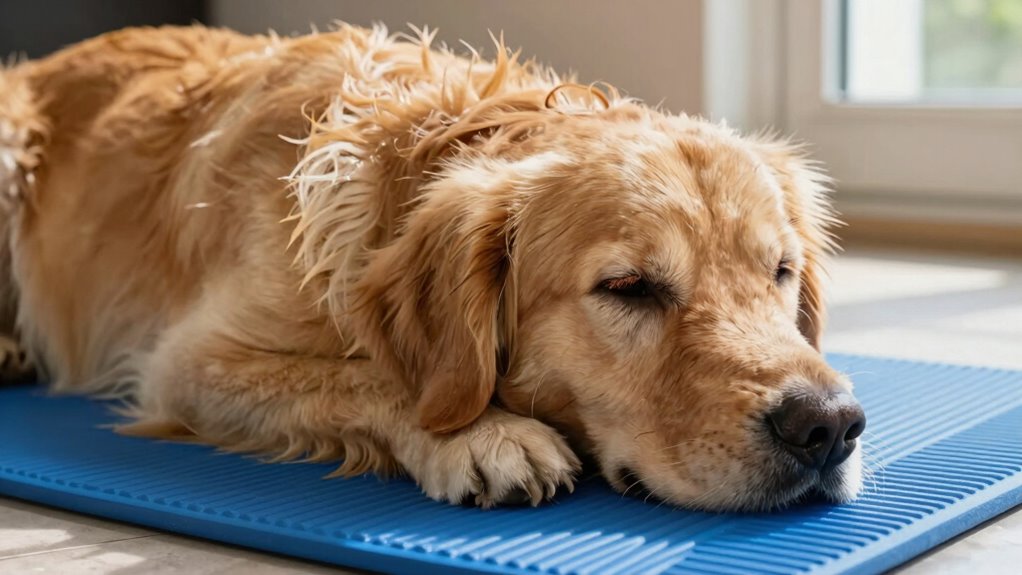
When the heat rises, your canine companion relies on panting and blood flow to regulate their body temperature. Panting mechanisms work by increasing evaporation from their tongue and respiratory tract, which helps dissipate heat. This rapid breathing decreases core temperature, especially on hot days. Additionally, blood circulation plays a vital role in distributing heat throughout their body, facilitating more efficient cooling. The vascular system in dogs is highly adaptable, allowing quick responses to temperature changes. The body’s ability to dilate blood vessels near the surface of the skin enhances heat loss, especially in warmer environments. Simultaneously, blood flow regulation directs blood toward the surface of their body, particularly the ears, paws, and muzzle, where heat can escape more effectively. This process allows heat to transfer from the blood to the environment, aiding in cooling down. Your dog’s body continuously adjusts blood flow, balancing internal temperature with external conditions. Understanding thermoregulation is crucial to comprehending how your dog stays comfortable and safe in warm weather. Together, panting and blood flow regulation form a crucial system that helps your dog stay comfortable and safe in warm weather.
Why Shading and Cool Surfaces Are Essential for Dog Cooling
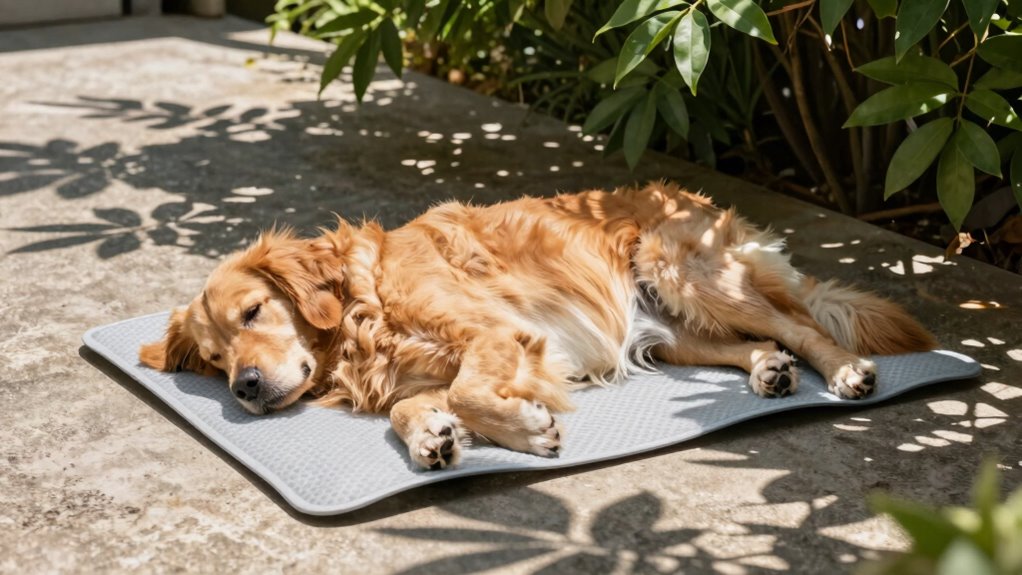
Providing shade and cool surfaces helps your dog stay comfortable and prevents overheating. The right placement of these areas maximizes their cooling effects, making sure your dog stays safe in hot weather. Understanding the benefits of shade, cool surfaces, and placement strategies is key to keeping your pet happy and healthy. Additionally, utilizing free crypto opportunities can be a fun way for pet owners to potentially fund upgrades to their pet’s comfort features. Recognizing the importance of cooling strategies can further enhance your pet’s well-being during warmer months, especially as environmental factors influence heat management for dogs. Proper knowledge of sustainable practices can also help create a more comfortable and eco-friendly environment for your furry friend. Incorporating cultural awareness into your pet care routines can also foster a more respectful and thoughtful approach to environmental comfort.
Benefits of Shade
Shade plays a crucial role in keeping your dog cool and comfortable during hot weather. It helps reduce heat exposure, prevents overheating, and creates a safe outdoor space. The shade benefits include lowering surface temperatures, minimizing heat stress, and enhancing outdoor comfort for your furry friend. Providing shaded areas means your dog can rest peacefully without constantly panting or seeking cooler spots. Here’s a quick look at how shade improves outdoor comfort:
| Shade Benefits | Why It Matters | Effect on Your Dog |
|---|---|---|
| Reduces surface heat | Keeps surfaces cooler | Prevents burns and discomfort |
| Blocks direct sunlight | Less UV exposure | Protects skin and eyes |
| Creates cooler microclimate | Maintains cooler air | Reduces heat stress |
| Promotes outdoor enjoyment | Encourages activity | Keeps your dog happy and relaxed |
| Enhances outdoor safety | Prevents heat-related issues | Ensures your dog stays comfortable and protected |
Additionally, using cool surfaces such as shaded concrete or grass can further help in temperature regulation, ensuring your dog remains comfortable during outdoor activities. Creating shaded zones with natural or artificial coverings can also provide a more comfortable environment for extended outdoor enjoyment. Providing shade also supports better overall indoor air quality by reducing the need for artificial cooling methods that can circulate dust or allergens. Incorporating shade structures and reflective surfaces can further optimize outdoor cooling strategies for your pet.
Cool Surface Properties
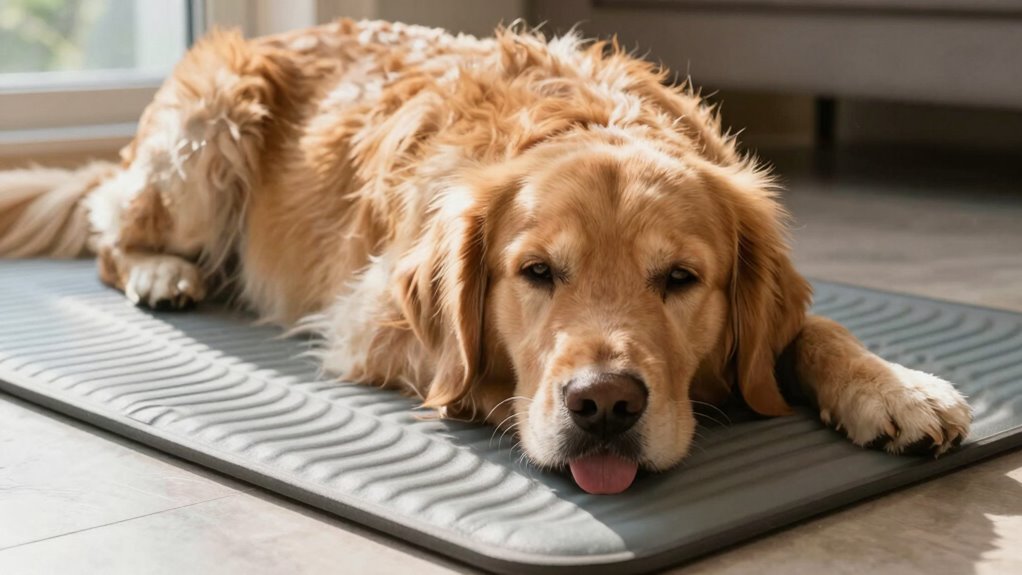
Cool surfaces play an essential role in keeping your dog comfortable during hot weather by reducing heat absorption. A cool surface helps lower your dog’s body temperature through heat conduction, drawing heat away from their skin. Materials like gel-filled mats, reflective surfaces, or those made from breathable fabrics promote better heat conduction, ensuring your dog stays cooler longer. These surfaces don’t just prevent overheating—they also reduce the need for panting, which can be exhausting. When choosing a cooling surface, look for materials that reflect sunlight and have high heat conduction properties. Properly designed cool surfaces provide a stable, cooler area for your dog to rest, especially during peak heat times, making outdoor or indoor relaxation safer and more comfortable. Incorporating cool surface properties into your dog’s resting areas can significantly enhance their comfort and safety during hot days. Understanding heat conduction and how different materials transfer heat can help you select the most effective cooling surfaces for your pet. Additionally, selecting surfaces with reflective qualities can further decrease heat absorption from sunlight. Recognizing the importance of material selection can help you choose the best cooling options for your dog’s environment. Being aware of material durability ensures that the cooling surface remains effective over time and withstands outdoor conditions.
Optimal Placement Strategies
To keep your dog comfortable during hot weather, strategically placing cooling surfaces in shaded areas is essential. Position cooling mats where they’re protected from direct sunlight to prevent overheating and maximize their cooling effect. Combine this with effective hydration strategies by offering fresh water nearby, encouraging your dog to drink frequently. Grooming techniques also play a role; trimming long hair or brushing your dog can enhance heat dissipation and improve cooling efficiency. Make certain the surface beneath the cooling mat is cool and well-ventilated, further supporting your dog’s comfort. Regularly monitor your dog’s behavior to adjust placement if necessary. Proper positioning not only helps your dog stay cool but also prevents heat stress, making outdoor time safer and more enjoyable. Incorporating smart home automation can help track environmental conditions and remind you when it’s time to check on your pet or adjust cooling arrangements. Additionally, understanding how dogs cool down beyond panting can help you better tailor cooling strategies to your pet’s needs.
How Cooling Mats Help Dogs Disperse Heat and Regulate Temperature
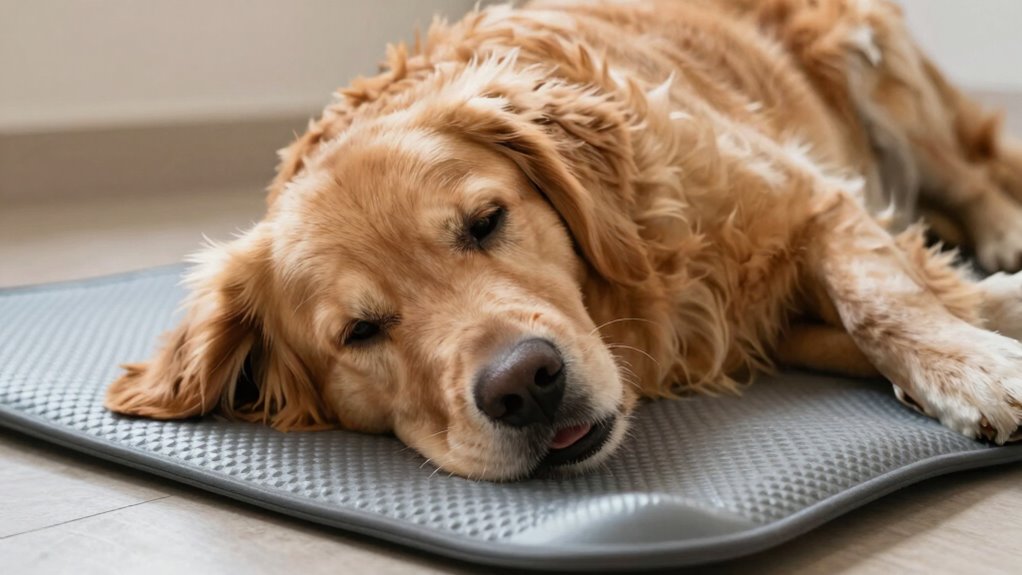
Cooling mats work by actively helping your dog release excess heat and maintain a comfortable body temperature. When your dog rests on a cooling mat, the surface absorbs heat from their body, aiding in heat dissipation. The paw pads play a vital role in this process because they contain numerous blood vessels close to the surface, allowing heat to transfer more efficiently. Additionally, the cooling mat helps counteract fur insulation, which can trap heat and hinder natural cooling. By providing a cool, conductive surface, the mat encourages heat to move away from your dog’s body, reducing overall temperature. This process helps your dog stay comfortable and prevents overheating, especially during hot days or after vigorous activity.
What to Look for When Choosing the Best Cooling Mat for Your Dog?
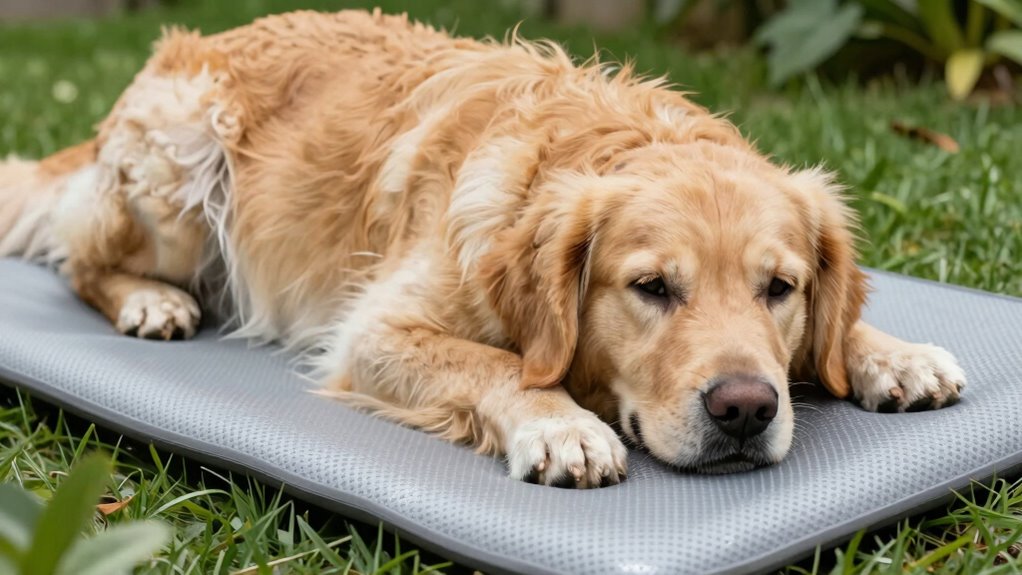
When choosing the best cooling mat for your dog, it’s important to take into account features that guarantee safety, comfort, and effectiveness. Look for mats that promote natural breathing techniques, ensuring your dog can breathe easily without restriction. Consider mats with a surface that helps with fur management—materials that don’t trap heat or moisture, which can cause discomfort or skin issues. A non-slip bottom adds stability, preventing slips when your dog moves. Make certain the mat is large enough for your dog to stretch out comfortably and made from non-toxic, durable materials. Avoid mats that require electricity or complicated setup, as simplicity often means safer, more reliable cooling. Prioritize options that support your dog’s natural cooling processes while providing a comfortable resting place.
Top Tips to Keep Your Dog Cool and Safe During Summer

As temperatures rise, it’s vital to take proactive steps to keep your dog comfortable and safe during the summer months. Monitoring your dog’s behavior helps you spot early signs of discomfort or overheating. Keep sessions outdoors brief and provide plenty of shade. Hydration strategies are essential—offer fresh water frequently and consider adding ice cubes to encourage drinking. Avoid vigorous exercise during peak heat times, and instead, opt for early morning or late evening walks. Use cooling mats and ensure your dog has access to cool, shaded spots at all times. Recognizing changes in behavior, such as excessive panting or restlessness, allows you to respond quickly. Staying attentive and proactive helps ensure your dog stays safe and comfortable all summer long.
Common Signs Your Dog Is Overheated and What to Do?
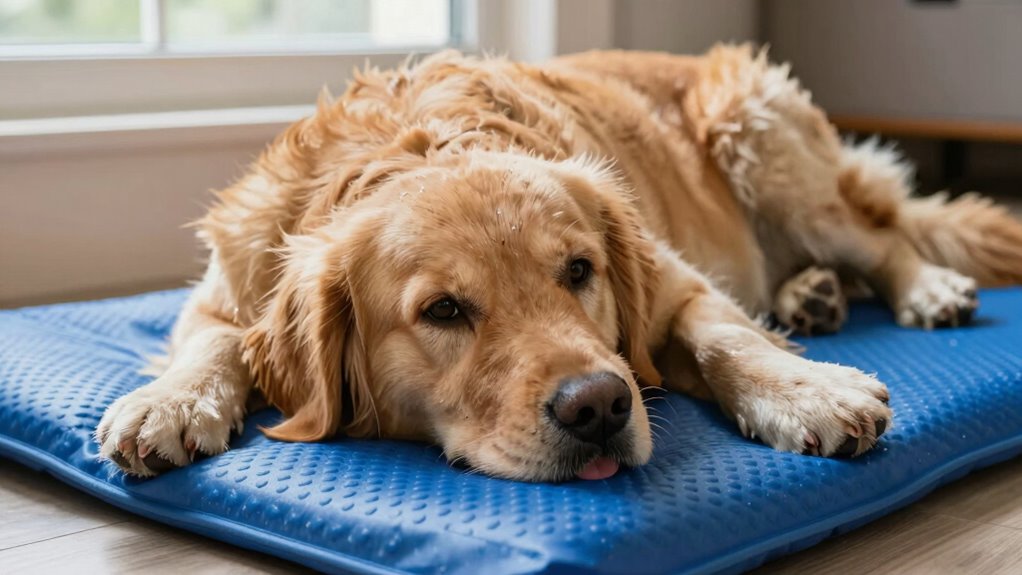
How can you tell if your dog is overheating? Watch for symptoms like excessive panting, drooling, and weakness. Your dog may also have glazed eyes, a rapid heartbeat, or be unsteady on their paws. If you notice these signs, act quickly to cool them down. Provide fresh water to guarantee proper dog hydration, which helps regulate their body temperature. Move them to a shaded or cool area and apply cool, damp cloths to their paws and belly. Avoid giving ice-cold water, as it can cause shock. Overheating can weaken your dog’s immune system, making flea prevention more difficult. If symptoms worsen or don’t improve, seek veterinary help immediately to prevent heatstroke. Staying vigilant ensures your pet stays safe and comfortable.
Frequently Asked Questions
Can Cooling Mats Replace Traditional Cooling Methods for Dogs?
Cooling mats can be a helpful addition, but they shouldn’t substitute traditional cooling methods or environmental cooling strategies. You need to combine options like providing shade, ventilation, and plenty of water with cooling mats to effectively keep your dog comfortable. Relying solely on a cooling mat might not be enough, especially during extreme heat. Use a mix of alternative cooling methods to ensure your dog stays safe and cool.
Are Cooling Mats Safe for All Dog Breeds and Ages?
Cooling mats are generally safe for most dog breeds and ages, but you should consider their susceptibility to heat and age considerations. Smaller, short-haired, or senior dogs might benefit the most, as they’re more prone to overheating. Always supervise your pet with the mat, make sure it’s made of non-toxic materials, and monitor their comfort. If in doubt, consult your vet to confirm it’s suitable for your specific dog’s needs.
How Long Does a Cooling Mat Typically Stay Effective?
Cooling mats usually stay effective for about 4 to 6 hours, depending on factors like thermal insulation and moisture retention. You should monitor your dog and re-chill or replace the mat if it feels warm or dry. To maximize effectiveness, choose a mat with good thermal insulation that retains moisture well, ensuring your dog stays cool longer. Always follow the manufacturer’s guidelines for best results and safety.
Do Cooling Mats Require Electricity or Refrigeration?
Cooling mats don’t require electricity or refrigeration, making them super convenient. Imagine you’re on a hot summer day, and your dog lies on a self-cooling mat that stays cool without power—no need for electricity dependence or refrigeration. These mats often use special gel or cooling fabrics that absorb and dissipate heat naturally. So, you don’t need to worry about plugging in or refrigerating them; they’re designed for easy, mess-free cooling.
How Often Should I Clean or Replace My Dog’s Cooling Mat?
You should clean your dog’s cooling mat weekly to maintain hygiene and prevent bacteria buildup. Check the material durability—some mats are machine washable, making cleaning easier, while others need spot cleaning. Replace the mat if it shows signs of wear or damage, as it won’t cool effectively anymore. Regular cleaning and mindful replacement keep your dog comfortable, safe, and healthy during hot days.
Conclusion
Just like a hero finding shade in the blazing sun, your dog relies on more than panting to stay cool. Providing cooling mats, shade, and cool surfaces helps disperse heat and keeps them comfortable. Watch for signs of overheating—it’s a race against time. By understanding how dogs cool down naturally and supporting that process, you create a safe haven where your furry friend can beat the heat and enjoy summer as much as you do.