
Understanding dog nutrition basics is essential for your pet’s health. You need to focus on the balance of protein, fat, and fiber. Protein supports growth and repairs tissues, while fat provides energy and helps with nutrient absorption. Fiber aids digestion and keeps your dog feeling full longer. Incorporating these elements into their diet through high-quality foods and homemade treats is crucial. Stick around to discover tips on how to effectively enhance your dog’s nutrition!

Get pet supplies delivered free — and shop member deals
- Fast, free delivery on millions of items
- Access to Prime Big Deal Days deals on October 6–7
- Prime Video, Amazon Music and more included
Key Takeaways
- A balanced diet for dogs includes essential components: protein, fat, and fiber for overall health and well-being.
- Protein is crucial for growth, tissue repair, and immune support; sources include lean meats, fish, and eggs.
- Fat serves as a major energy source and aids in vitamin absorption, with healthy options like fish oil and flaxseed oil.
- Fiber promotes healthy digestion and helps dogs feel full longer; include fruits and vegetables like pumpkin and carrots in their diet.
- Consult a veterinarian before introducing supplements and focus on a variety of nutrient-rich foods for optimal health.
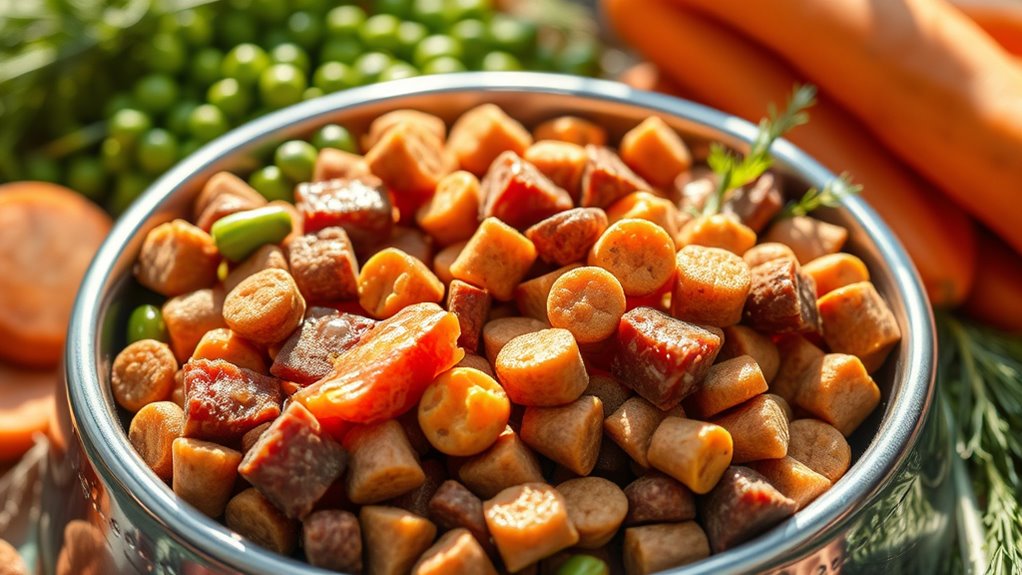
When it comes to keeping your dog healthy, understanding the basics of nutrition is essential. You want your furry friend to thrive, and that starts with what goes into their bowl. A balanced diet is indispensable, focusing on three key components: protein, fat, and fiber. Each plays a unique role in your dog’s overall health, and knowing how to incorporate them can make all the difference.
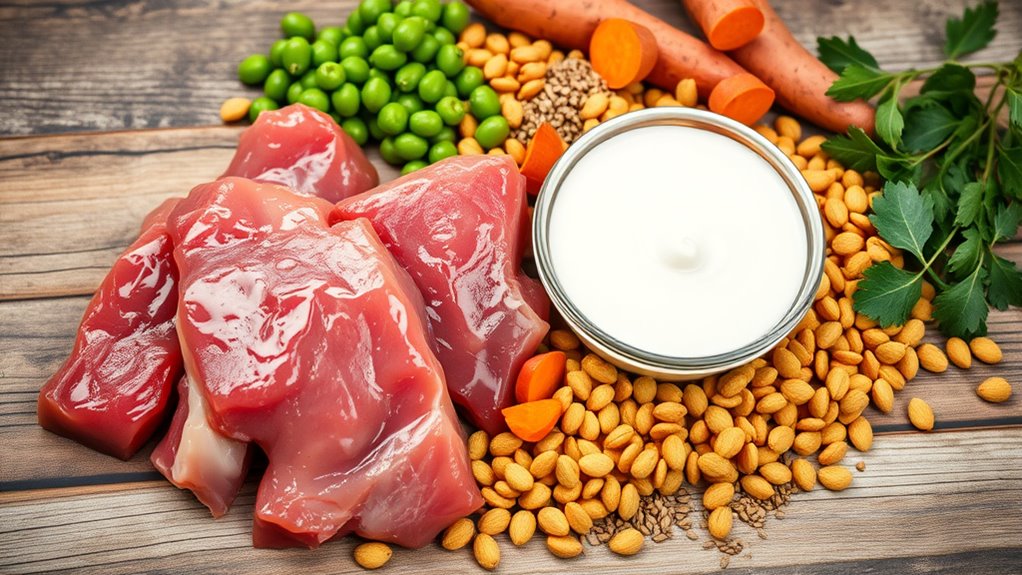
Protein is crucial for your dog’s growth, energy, and overall well-being. It helps in building and repairing tissues, and it’s necessary for a healthy immune system. Look for high-quality protein sources such as lean meats, fish, and eggs. If you enjoy cooking, consider making homemade dog treats that are rich in protein. You can whip up a batch of chicken or beef-flavored snacks that your dog will love, ensuring they get the nutrition they need without any harmful additives. Just be sure to balance these treats with their regular diet to maintain proper proportions.
Fat isn’t just a guilty pleasure; it’s a significant source of energy for your dog. Fats also help with the absorption of fat-soluble vitamins and keep your dog’s skin and coat healthy. Include healthy fats like fish oil or flaxseed oil in their diet. If you’re looking for a way to boost your dog’s fat intake, consider adding a small amount of dietary supplements designed specifically for dogs. These can provide essential fatty acids, which are great for their skin and overall health. Just remember to consult your vet before introducing any new supplements to ensure they’re right for your pup.
Fiber may not seem as glamorous as protein or fat, but it plays an important role in digestion. It helps maintain a healthy gut and can keep your dog feeling full longer, which is particularly useful if you’re managing their weight. You can find fiber in fruits and vegetables, so don’t be afraid to add some pumpkin or carrots to your dog’s meals. These can also make for healthy homemade dog treats, giving your dog a tasty snack loaded with nutrients.
Incorporating these nutritional basics into your dog’s diet will set the foundation for a happy and healthy life. By paying attention to protein, fat, and fiber, you’re ensuring that your furry companion thrives for years to come. Additionally, a balanced diet can significantly enhance your dog’s quality of life and longevity.
As an affiliate, we earn on qualifying purchases.
Frequently Asked Questions
Can Dogs Be Vegetarian or Vegan Without Health Issues?
Yes, dogs can be vegetarian or vegan, but you need to make certain they maintain a proper nutritional balance. A plant-based diet can meet their nutritional needs, provided you include a variety of protein sources, vitamins, and minerals. It’s essential to consult your vet to tailor a diet that suits your dog’s specific requirements. With careful planning, you can help your dog thrive on a vegetarian or vegan diet without health issues.
How Do I Know if My Dog Is Overweight?
You can tell if your dog is overweight by checking their body shape and weight. For instance, if your friend’s golden retriever, Max, has a rounded belly and you can’t feel his ribs, he might be carrying extra pounds. Keep an eye on calorie intake and practice portion control; consult with your vet about appropriate meal sizes. Regular exercise also helps maintain a healthy weight, so keep Max active and engaged!
What Are the Signs of Food Allergies in Dogs?
If your dog has food allergies, you might notice symptoms like itching, skin irritations, gastrointestinal issues, or chronic ear infections. You’ll want to observe any changes after introducing new foods. Allergy testing methods, such as elimination diets or blood tests, can help identify the specific allergens. Keep an eye on their behavior and consult your vet for a proper diagnosis and treatment plan to alleviate their discomfort.
Should I Feed My Dog Raw Food?
You should consider feeding your dog a raw diet if you’re looking for potential benefits like shinier coats and improved digestion. However, it’s essential to balance this with your dog’s specific needs. If you’re leaning towards a vegan option, be aware of concerns regarding protein sources and essential nutrients. Always consult with your vet to make certain your dog gets a well-rounded diet, regardless of the approach you choose.
How Often Should I Change My Dog’s Diet?
You should change your dog’s diet every six months to a year, depending on their age, health, and activity level. When considering a diet switch, do it gradually over a week, mixing the new food with the old to avoid digestive issues. Stick to a consistent feeding schedule during this period, as it helps your dog adjust better. Keep an eye on their response, and consult your vet if you notice any concerns.
Conclusion
So, if you think your pup can thrive on a gourmet diet of pizza and ice cream, think again! While they might beg with those big, soulful eyes, remember that a balanced diet rich in protein, fat, and fiber is what really keeps their tails wagging. After all, a healthy dog is a happy dog—unless they’re just really, really good at faking it. Don’t let their charm fool you; your dog deserves better than a fast-food feast!
Fall Picks
fall essentials
As an affiliate, we earn on qualifying purchases.