TL;DR

Get pet supplies delivered free with Prime
- Fast, free delivery on millions of items
- Prime Video, Amazon Music and more included
- Member-only deals all year
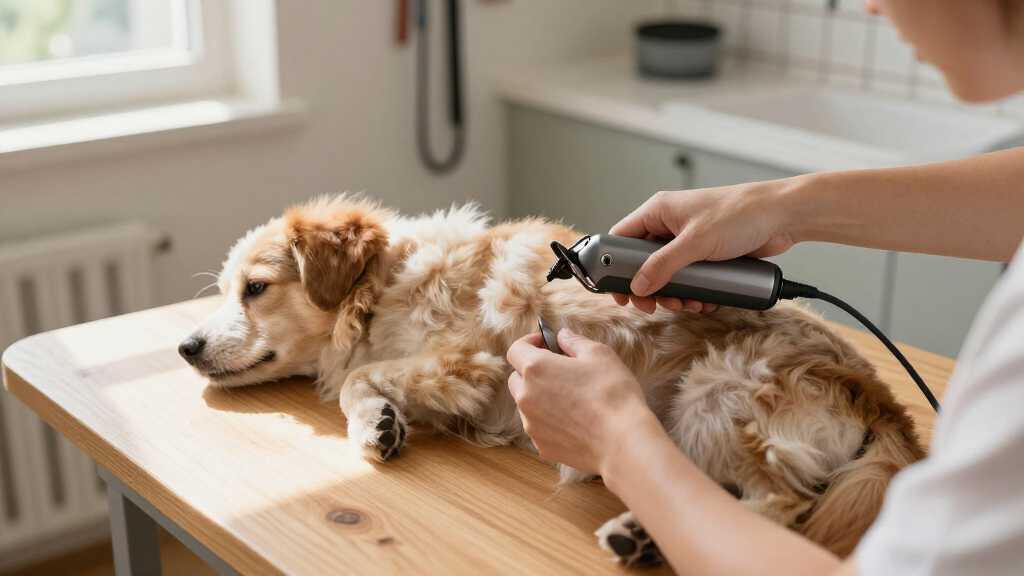
Choosing the right dog grooming clippers depends on coat type, power, and features. Proper preparation and maintenance make grooming safer and easier. Cordless models offer convenience, but performance varies widely.
Imagine the rich, earthy smell of freshly cut fur, the gentle hum of a powerful motor, and the sight of your dog looking tidy and happy. Grooming at home might seem daunting, but with the right dog grooming clippers, it becomes a manageable, even enjoyable, routine.
Whether you’re trimming a tiny Yorkie or managing a thick, curly retriever coat, choosing the right tools makes all the difference. This guide covers everything you need to know — from types and features to safety tips and maintenance — so you can groom confidently and keep your pet comfortable.
Choose a clipper based on your dog’s coat type, with high-torque models for dense or thick fur.
Regular maintenance — cleaning, oiling, sharpening — extends your clipper’s life and keeps it performing well.
Quiet, low-vibration models ease anxiety, making grooming less stressful for nervous dogs.
Proper coat preparation, including brushing and drying, simplifies clipping and reduces blade wear.
Evaluate features like battery life, noise level, and blade compatibility to find the best fit for your grooming routine.
What Types of Dog Clippers Match Your Grooming Style?
Dog grooming clippers come in a variety of styles, each suited for different tasks and dog coats. Understanding these types helps you pick the right model for your needs.
Light-duty trimmers are like tiny, precise scalpels. They’re perfect for paws, faces, and quick touch-ups. Think of them as your grooming scalpel — delicate but effective.
Adjustable-blade clippers are like Swiss Army knives. One blade supports several lengths, making them versatile for home grooming. They’re great for people who want to handle a variety of styles without switching tools constantly.
Detachable-blade clippers are the professional’s choice. They pack a punch with powerful motors and interchangeable blades, perfect for thick coats or full-body grooming. Imagine a Swiss Army knife turned into a power tool.
Then there are corded models, which run forever without losing juice, and cordless ones, offering freedom of movement around the dog. Think of cordless clippers as the mobility scooters of grooming — convenient but sometimes less powerful.
Choosing between these depends on your dog’s coat, your grooming frequency, and whether you prefer a quick touch-up or a full grooming session.
dog grooming clippers for thick coats
As an affiliate, we earn on qualifying purchases.
As an affiliate, we earn on qualifying purchases.
Power and Performance: How to Pick Clippers That Handle Thick Coats
Power is the heart of a good clipper — but it’s not just about wattage. A clipper with high torque can handle dense, curly, or double coats without snagging or overheating. For example, a thick-coated Labrador might need a professional-grade, high-torque model to get through the undercoat smoothly.
Motor design and blade quality matter just as much as raw wattage. A 15-watt motor with high torque can outperform a 20-watt motor that struggles with dense hair.
In practice, if your dog’s coat is thick or matted, look for clippers labeled as “professional,” “heavy-duty,” or with a torque rating. A weak motor tends to pull hair, cause uneven cuts, or overheat — turning grooming into a stressful ordeal for both of you.
Remember: a powerful clipper doesn’t mean it’s better for every coat. Fine, silky coats require less torque, and using too much power can sometimes damage delicate hair.
Blade Types and Lengths: Your Guide to the Perfect Cut
Dog clipper blades are a world of their own. They come in different sizes, materials, and configurations, each influencing the final look of your groom.
Blade sizes are like haircuts — a higher number usually means a shorter cut. For example, a size 10 blade cuts very close, while a size 7 leaves more length. Always check your clipper’s compatibility before buying blades or comb attachments.
Attachment combs are like guides — they set the hair at a certain length, making it easier to get an even trim. For example, a #3 comb leaves hair about 3/8 of an inch long, perfect for a neat, short look.
Quality matters. Steel blades are durable and sharpen well, while ceramic blades stay cool longer but are more fragile. Also, blades labeled as “ceramic-coated” are often just coated, not entirely ceramic, so check reviews.
Ensure blades are clean, sharp, and properly lubricated. Dull blades pull hair and cause discomfort, while dirty blades can spread bacteria or cause skin irritations.
Quiet, Cool, and Comfortable: Why Clipper Noise and Heat Matter
Ever tried trimming a dog that’s terrified of loud noises? Clipper noise and vibration can turn grooming into a tug-of-war — or worse, a trauma. Modern models focus on being quieter and smoother, making the process less stressful.
Blades heat up from friction, much like a frying pan. If they get too hot, they can burn a dog’s skin or cause discomfort. Checking blade temperature regularly during grooming helps avoid burns. For example, some professional clippers have built-in cooling systems or ceramic blades to stay cooler longer.
Low-noise, low-vibration models are a game-changer for anxious dogs. Imagine a nervous Poodle relaxing because the clipper hums softly and vibrates minimally. These features don’t just help dogs stay calm — they make grooming faster and safer.
Tip: Always follow manufacturer instructions for lubrication and cooling. A small investment in quality tools leads to a happier, healthier grooming experience.
Preparing Your Dog for a Smooth Groom: Step-by-Step
Good grooming starts before you turn on the clipper. A clean, dry coat with loose hair removed makes the process easier and safer. Think of it as preparing a canvas before painting.
Here’s a simple prep routine:
- Brush out loose hair and tangles thoroughly. Use a slicker brush for stubborn mats.
- Bathe your dog if necessary, but ensure the coat is completely dry before clipping.
- Dry the coat thoroughly — damp hair can cause blades to stick or rust.
- Use a fine-tooth comb to smooth out the coat and locate any mats or skin issues.
- Make sure blades are sharp, clean, and well-lubricated.
Imagine trying to cut through a tangled knot of hair with dull blades — it’s frustrating and uncomfortable. Proper prep reduces stress and gives you a cleaner, safer cut.
Safety First: How to Clip Without Hurting Your Dog
Clipping a dog’s coat demands gentle handling and awareness. The goal is to avoid nicks, cuts, or skin irritation. Think of it as grooming a delicate fabric — patience and care are key.
Always hold loose skin flat to prevent accidental cuts. Use your fingers like a gentle cushion around sensitive areas such as ears, armpits, and skin folds. Imagine gently sweeping through a fragile, flowing fabric — that’s how you handle a dog’s skin.
Never force the clipper through mats. If you hit resistance, stop and work on mat removal with scissors or consult a professional. Forcing blades can pull or cut skin, especially around tight mats or thin areas.
If your dog shows signs of pain, distress, or skin sores, stop immediately. Dogs with skin issues, wounds, or behavioral sensitivities should be handled by professionals to avoid accidents.
Remember: a calm, well-prepared dog and patience are your best tools for safe grooming.
Maintaining Your Clippers for Long-Lasting Performance
Regular upkeep keeps your clippers running like new. Think of it as maintaining a high-performance bicycle — clean, lubricated, and cared for, it performs better and lasts longer.
Here’s what to do:
- Brush hair from blades during and after grooming to prevent buildup.
- Apply clipper oil before and during use to reduce friction and heat.
- Disinfect blades with a pet-safe disinfectant to prevent bacteria transfer.
- Check cords, blade drives, hinges, and attachment combs for damage periodically.
- Replace dull blades or have them professionally sharpened to maintain cutting efficiency.
Neglecting maintenance leads to overheating, dull performance, and increased risk of injury. Proper care ensures your investment lasts for many grooming sessions to come.
Corded vs. Cordless: Which Clipper Style Fits Your Routine?
Choosing between corded and cordless clippers depends on your grooming style and dog’s temperament. Corded models offer continuous power, perfect for long grooming sessions or thick coats. Imagine a dependable workhorse that never tires.
Cordless clippers provide unmatched freedom of movement around the dog — no tangled cords or limited reach. Think of them as the wireless earbuds of grooming: convenient but sometimes less powerful or with limited runtime.
Modern cordless models often outperform older ones, with longer battery life, faster charging, and powerful motors. But check the runtime — a clipper with a 2-hour battery life is better for full grooming than one that lasts only 30 minutes.
In the end, consider your typical grooming sessions:
- Frequent quick touch-ups? Cordless is more flexible.
- Full grooming for a large or thick-coated dog? Corded might be more reliable.
- Or go for a hybrid with removable batteries for maximum versatility.
What to Look for When Buying Dog Grooming Clippers
Picking a good pair of clippers isn’t just about price. Focus on features that match your dog’s coat and your grooming style.
Compare these key criteria:
| Feature | Why It Matters |
|---|---|
| Power & Torque | Handles dense coats without snagging or overheating |
| Battery Runtime & Charging | Ensures you finish grooming without interruptions |
| Noise & Vibration | Reduces stress for anxious dogs |
| Blade Compatibility & Availability | Allows easy replacement and customization |
| Weight & Ergonomics | Prevents hand fatigue during long sessions |
Remember, a low price might mean difficulty finding replacement blades or lacking power. Consider total cost and performance as a package.
Your Most Common Questions About Dog Clippers Answered
Here are some of the most frequently asked questions to clear up common doubts:
- Can I use human clippers on my dog? Human clippers are usually less powerful, lack the torque needed for thick coats, and aren’t designed for canine skin. They might handle tiny touch-ups but aren’t suitable for full grooming.
- What clipper is best for thick or matted coats? Look for high-torque, detachable-blade models. Thick mats are hard to cut through, and forcing a weak clipper can cause skin injuries.
- Are cordless clippers powerful enough? Many modern cordless models can perform full grooms, but check torque and runtime. Not all cordless models are equal — some lack the power for dense fur.
- Why do clippers pull hair? Dull, dirty, or improperly fitted blades are common culprits. Poor coat prep or underpowered motors also cause snagging.
- Why do blades heat up? Friction creates heat, especially during prolonged use or with dull blades. Regular lubrication and cooling help prevent burns.
Frequently Asked Questions
Can I use human clippers on my dog?
They might handle minor touch-ups on a fine coat, but dog-specific clippers are safer and more effective for full grooming, especially with thick or dense fur. Human clippers typically lack the torque and blade system designed for canine coats.
What clipper is best for a thick or matted coat?
A high-torque, detachable-blade professional clipper is usually your best bet. For severe matting, it’s often better to seek professional help — trying to force through mats with a standard clipper risks skin injury and discomfort.
Are cordless clippers powerful enough?
Many modern cordless models offer impressive power and runtime, suitable for full grooming. Look for models with high torque, longer battery life, and good reviews to ensure they meet your needs.
Why are the clippers pulling the hair?
This usually happens because of dull blades, poor coat prep, or an underpowered motor. Regular cleaning, sharpening, and proper coat preparation help reduce snagging and pulling.
Why do clipper blades become hot?
Friction during use causes heat buildup. Dull blades and continuous use increase this risk. Regular lubrication and cooling, along with taking breaks, keep blades cool and your dog comfortable.
Conclusion
The right dog grooming clipper turns grooming from a chore into a simple, safe routine. With a clear understanding of different models, features, and safety tips, you can groom confidently at home.
Remember: patience and preparation are your best tools. A well-maintained clipper and a calm dog make for a smooth grooming experience — leaving both of you happy and looking sharp.
Fall Picks
fall essentials
As an affiliate, we earn on qualifying purchases.