TL;DR

Get pet supplies delivered free with Prime
- Fast, free delivery on millions of items
- Prime Video, Amazon Music and more included
- Member-only deals all year
Halloween dog costumes are a festive way to celebrate, but comfort and safety are key. This guide covers how to pick, fit, and accessorize costumes, plus current trends and safety tips to keep your pup happy and secure.
Imagine your dog dressed as a tiny superhero or a spooky ghost, wagging happily through your neighborhood. Halloween is all about fun, but it’s easy to forget that a costume should never come at the expense of your pup’s comfort or safety.
If you’re considering dressing up your furry friend this year, you’re about to learn how to choose costumes that fit well, keep your dog comfortable, and look adorable. Plus, I’ll share the latest trends and practical tips to make this Halloween a safe, happy celebration for everyone—including your four-legged buddy.
Prioritize your dog’s comfort and safety over appearance when choosing costumes.
Introduce costumes gradually, using treats and praise to build positive associations.
Opt for lightweight, well-fitting costumes and avoid small, loose parts that can be swallowed.
Use reflective or light-up accessories to make your dog visible at night and prevent accidents.
If your dog resists costumes, celebrate with themed accessories, treats, or festive photos instead.
How to Pick a Comfortable, Safe Halloween Dog Costume
The first step is choosing a costume your dog actually tolerates. Comfort and safety come first. A costume should let your dog walk, sit, lie down, breathe, and even relieve themselves without fuss. This is crucial because an uncomfortable costume can cause stress, anxiety, or even physical health issues like overheating or restricted breathing.
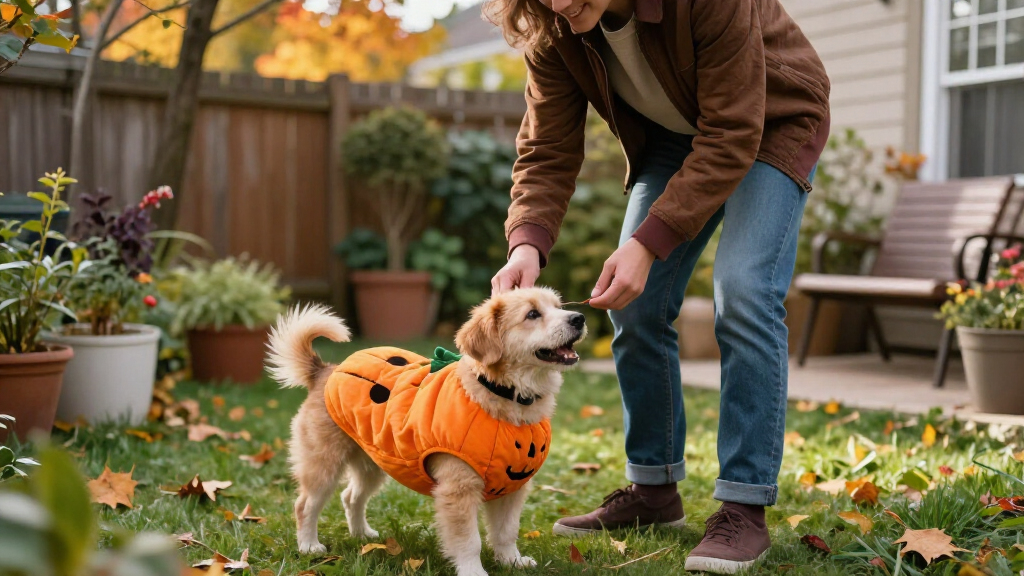
For example, a lightweight, fabric-based costume that covers your dog lightly, like a simple pumpkin or ghost, often works best. These choices minimize the risk of overheating and allow natural movement, which is vital for your dog’s safety and well-being. Avoid heavy, tight, or restrictive outfits that could cause overheating or discomfort because they can lead to stress or even health emergencies if your dog becomes too hot or struggles to breathe. Think of it like a cozy sweater—if it’s too tight or heavy, your dog might try to wiggle out or become stressed, which can escalate into panic or injury.
Always check for small parts that could be chewed off or swallowed, dangling pieces that could snag, and anything blocking their senses or breathing. Reflective trim or light-up accents are a bonus for visibility in the dark, but ensure these features don’t add weight or discomfort. Remember: safety isn’t just about looks; it’s about ensuring your pup’s well-being during the festivities. A well-chosen costume balances aesthetics with practicality, reducing the risk of accidents or distress, and making the experience enjoyable for your dog.
For instance, a small dog wearing a cute Frankenstein costume with sewn-in details will stay comfortable and look festive without risking choking or overheating. The key is to select costumes that are designed with your dog’s health in mind, considering their size, breed, and temperament.
Halloween dog costumes for small dogs
As an affiliate, we earn on qualifying purchases.
As an affiliate, we earn on qualifying purchases.
Top 5 Tricks to Get Your Dog Used to Their Costume
- Introduce the costume gradually: Let your dog sniff and explore it first. Praise and treats help build positive associations. This step is essential because dogs are naturally wary of new objects, especially something that covers their body or face. Giving them time to investigate reduces fear and builds trust, making it easier to progress to wearing the costume comfortably.
- Start with brief wears: Put the costume on for just a few minutes, then remove it. Gradually extend the time as your dog gets used to it. This incremental approach prevents overwhelming your dog and helps them associate the costume with positive experiences, like treats or praise, rather than stress or discomfort.
- Use treats and praise: Reward calm behavior and patience, turning costume time into a fun, rewarding experience. This creates a positive reinforcement loop, encouraging your dog to tolerate or even enjoy wearing the costume. Over time, your dog will learn that costume time equals treats and affection, reducing resistance.
- Check for signs of stress: If your dog freezes, tries to chew, or shows signs of discomfort, remove the costume immediately. Recognizing these cues early prevents escalation into panic or health issues. Giving your dog control over the situation fosters trust and reduces fear associated with costumes.
- Practice in different settings: Let your dog wear the costume around the house, then on short walks before the big night. Exposure to varied environments helps your dog become comfortable in different contexts, which is especially important for outdoor festivities or crowded areas. This gradual exposure reduces surprises and builds confidence.
For example, I once dressed my dog in a tiny pirate hat and a cape. At first, she just sniffed it, then wagged her tail when I gave her treats. Over a few days, she happily wore her pirate costume for short periods—ready for her neighborhood debut. This process underscores the importance of patience, positive reinforcement, and gradual exposure, which are key to ensuring your dog’s comfort and cooperation during Halloween.
Comparing Common Halloween Dog Costumes — Which Is Best for Your Pup?
| Costume Type | Pros | Cons |
|---|---|---|
| Classic Pumpkin | Lightweight, comfortable, easy to find in all sizes | May lack wow factor for photos |
| Superhero or Character | Fun, recognizable, great for photos | Can be bulky or heavy if not properly designed |
| Seasonal Sweaters or Hoodies | Very comfortable, less restrictive | Limited in festive appeal |
| Full-body Costumes (e.g., skeleton, ghost) | High cuteness factor, creative | Potentially hot or restrictive if too elaborate |
| Accessory-based (bandanas, ties) | Easy to add, less stressful for the dog | Less festive impact |
Choosing the right costume depends on your dog’s temperament and tolerance. For example, a tiny Chihuahua might prefer a lightweight bandana, while a larger, calm dog could rock a full skeleton suit for a photo shoot. Consider your dog’s personality and how they handle new experiences — some breeds or individual dogs may tolerate elaborate costumes better than others. The right choice balances style with your dog’s comfort, ensuring they enjoy the festivities without stress or discomfort. Think about how the costume’s material, fit, and complexity can impact your dog’s experience, and always prioritize their safety and well-being over appearance.
Safety First: How to Keep Your Dog Happy and Safe During Halloween
Safety should be your main concern. Costumes with small parts, dangling pieces, or tight fit can cause choking or injuries. Always supervise your dog when they’re in costume, especially outdoors or around candles and decorations. The implications of neglecting safety can be severe — choking hazards, burns, or stress-related health issues. Proper supervision minimizes these risks and ensures your pet’s safety during festivities.
Use a harness and leash attached to a well-fitting collar or harness—never rely solely on a costume collar. This is because costumes or collars can slip or cause discomfort, potentially leading to escape or injury. Reflective elements or blinking lights can make your dog more visible after dark, preventing accidents by alerting drivers and pedestrians to their presence. This visibility is crucial in busy neighborhoods or poorly lit areas, where a sudden movement or distraction could lead to dangerous situations.
Watch for signs of overheating or stress. Panting, excessive licking, or trying to remove the costume indicate discomfort. Remove the outfit immediately if your dog shows any of these signs. Overheating can happen quickly, especially with thick fabrics or in warm weather, leading to heatstroke. Recognizing early signs and acting swiftly prevents serious health consequences.
For example, I once saw a dog get overly warm in a thick, velvety Dracula cape during a chilly evening. The owner quickly took it off, and the pup enjoyed the rest of the night in a simple glow-in-the-dark bandana. This highlights the importance of choosing lightweight and breathable costumes and monitoring your dog’s temperature throughout the evening.
Remember: never leave a costumed dog unsupervised, especially in a crate or around other pets. Keep treats, candy, and decorations out of reach—chocolate and xylitol are toxic for dogs. Proper safety measures help prevent accidents, injuries, and health emergencies, making Halloween enjoyable and worry-free for everyone involved.
Trendy Halloween Dog Costumes You’ll See Everywhere This Year
Halloween pet fashion is booming. This year, popular themes include matching costumes, characters from movies, and seasonal styles. Think tiny Harry Potter and Hermione, or superhero pups dressed as Spider-Man or Wonder Woman. Retailers now offer adjustable, size-inclusive options that are more comfortable than ever.
One recent trend is matching owner-and-dog costumes, like a pair of pirates or superheroes. These coordinated outfits are not only adorable but also foster a sense of unity and fun, making photos more memorable and the experience more engaging. Seasonal sweaters with spooky patterns and glow-in-the-dark accents also add a festive touch without overwhelming your pup. These options tend to be lightweight and comfortable, ensuring your dog remains happy while looking festive.
For example, a friend’s dog wore a glow-in-the-dark ghost hoodie that lit up after dusk, making her easy to spot on neighborhood walks. The trend leans toward lightweight, adjustable designs that balance cuteness with comfort. This blend of style and practicality ensures your dog can enjoy the festivities without discomfort or restriction.
Check your favorite pet stores early—these styles sell out fast once everyone starts combining seasonal fun with practical considerations. Planning ahead allows you to select a costume that your dog will love and that fits well, ensuring a positive Halloween experience for both of you.
What to Do If Your Dog Won’t Wear a Costume — Alternatives That Still Say ‘Halloween!’
If your dog resists wearing a costume, don’t force it. Forcing a dog into uncomfortable clothing can cause stress, anxiety, or even lead to behavioral issues like fearfulness or aggression. Instead, focus on celebrating Halloween in ways that respect your pet’s comfort and preferences. Accessories like a themed bandana, a festive collar, or a cute bowtie can still add a fun, seasonal touch without causing distress. These smaller items are less invasive and often more acceptable to dogs that dislike full costumes.
Even a simple Halloween-themed toy or a spooky photo backdrop can make the night special without compromising your dog’s well-being. These options allow you to participate in the holiday spirit while ensuring your pet remains relaxed and happy.
For example, I once decorated my porch with Halloween lights and put a tiny pumpkin-shaped treat jar beside my dog’s bed. She loved snuggling next to it and enjoyed the treats, no costume required. This approach emphasizes that the essence of Halloween is about fun and togetherness, not just costumes.
Another idea is to take adorable photos with your dog in a simple Halloween bandana or a themed harness. These options add charm and festivity without stressing your pet or risking discomfort. Remember, the goal is to create positive associations with the holiday, making your pet feel safe and loved. Celebrating in ways that align with your dog’s comfort ensures a joyful and stress-free Halloween experience for everyone involved.
Conclusion
Remember, Halloween is about having fun—without risking your dog’s well-being. A comfortable, safe costume makes the holiday memorable for everyone, furry and human alike. So, choose wisely, introduce gradually, and enjoy the festivities together.
Your dog might not need a full costume to be the star of Halloween. Sometimes, a simple bandana or a glowing collar is all it takes to turn your pup into a spooky, adorable sidekick—without any fuss.
Halloween Picks
halloween
As an affiliate, we earn on qualifying purchases.