
TL;DR

Get pet supplies delivered free with Prime
- Fast, free delivery on millions of items
- Prime Video, Amazon Music and more included
- Member-only deals all year
Interactive dog toys invite dogs to solve puzzles, chase, or engage with people, providing mental and physical enrichment. Proper selection and supervision maximize their benefits and safety.
Imagine a toy that makes your dog think, move, and stay entertained for hours. That’s what interactive dog toys do. They turn playtime into a brain workout, keeping your pup happy and sharp. But they’re not just about fun—these toys can also curb destructive habits and slow down fast eaters.
In this article, you’ll learn how to pick safe, effective toys, explore the latest trends, and discover practical tips to get the most out of every chew, sniff, or puzzle session. Whether you’re a new dog owner or a seasoned pro, understanding these toys can transform your dog’s daily routine.
Choose toys that fit your dog’s size, strength, and play style for safety and engagement.
Introduce new toys gradually with treats and praise to build interest and confidence.
Regularly inspect and clean toys to prevent bacteria and breakage hazards.
Use a mix of traditional and tech-enabled toys to keep play exciting and fresh.
Rotating toys prevents boredom and extends their appeal, saving money and effort.
What Exactly Are Interactive Dog Toys—and Why Do They Matter?
Interactive dog toys are any toys that invite your dog to act—think puzzle feeders, treat-dispensing balls, scent mats, or electronic devices. They challenge your pup’s mind while encouraging movement and play. For example, a treat-dispensing toy might make your dog work for her snacks, turning mealtime into a mini brain game.
These toys matter because they provide mental stimulation, which reduces boredom and destructive behaviors. They can also slow down fast eaters and offer a safe outlet for energy. The importance of these toys lies in their ability to mimic natural behaviors like foraging and problem-solving. Without such stimulation, dogs may turn to destructive activities, like chewing furniture or digging, to satisfy their instincts. The tradeoff, however, is that some toys might be too complex or not durable enough for aggressive chewers, risking breakage or ingestion. Therefore, choosing the right toy is crucial to balance engagement with safety and longevity.
As an affiliate, we earn on qualifying purchases.
How to Pick the Right Interactive Toy for Your Dog’s Style and Size
Choosing a toy isn’t just about the coolest design. It’s about matching the toy to your dog’s size, age, and play style. A tiny puppy can choke on a large, hard ball, while a senior dog might struggle with complex puzzles requiring lots of movement.
Here’s a quick guide to picking the best toy:
- Size matters: The toy should be bigger than your dog’s mouth but easy enough to chew. A toy that’s too small can be swallowed or cause choking, while one too large may be ignored or difficult to manipulate.
- Durability: Active chewers need tougher toys—look for sturdy rubber or reinforced fabric. The tradeoff is that overly tough toys might be less appealing for gentle chewers or older dogs, so understanding your dog’s chewing habits helps in selecting the right level of durability.
- Interest: Some dogs love scent puzzles, others prefer tug toys or fetch balls. Know what excites your dog, but also consider variety—rotating different types can prevent boredom and stimulate different senses.
- Safety: Avoid toys with small parts that can break off or be swallowed. Often, cheaper toys compromise safety for cost, but investing in well-made toys reduces risks and long-term expenses.
For example, a Labrador with strong jaws might enjoy a tough rubber Kong, which withstands heavy chewing, while a small terrier benefits from a soft, treat-filled puzzle that’s easy to manipulate and less likely to cause frustration. Matching the toy to your dog’s specific needs ensures both safety and engagement, leading to more effective enrichment.
Latest Trends in Interactive Dog Toys — What’s New and Exciting?
The world of dog toys is always evolving, with new gadgets and designs that keep things fresh. Today, app-connected toys, remote treat dispensers, and toys that move or respond to your dog’s actions are gaining popularity.
For instance, some companies now offer electronic balls that roll unpredictably, encouraging chasing and pouncing. Others have remote-controlled treat dispensers you can operate from your phone—perfect for keeping your pup entertained even when you’re away.
These innovations bring convenience, but they also come with some caveats. They require regular maintenance, supervision, and setup. The tradeoff is that technology can sometimes create a false sense of independence, leading to reduced physical activity if overused. Remember, no tech can replace the bond you share with your dog or substitute physical exercise. Use these gadgets as a fun supplement, not a replacement, and always supervise their use to prevent accidents or overreliance.
Safety First: How to Keep Playtime Fun and Safe
Interactive toys are a fantastic addition, but safety should always come first. Always pick toys suited for your dog’s size and chewing strength. Regularly inspect toys for cracks, tears, or loose parts—discard any damaged items immediately.
Supervision is key, especially with toys that contain food or small parts. For example, a treat-dispensing ball might become a choking hazard if your dog tries to chew it apart. Clean toys regularly to prevent bacteria buildup, following the manufacturer’s instructions.
And if your dog guards food or toys, introduce puzzles gradually and consider consulting a trainer or vet to prevent guarding behaviors turning dangerous. Recognizing early signs of distress or frustration during play can prevent accidents and ensure a positive experience for your dog.
How to Make Your Dog Love Playing with Interactive Toys
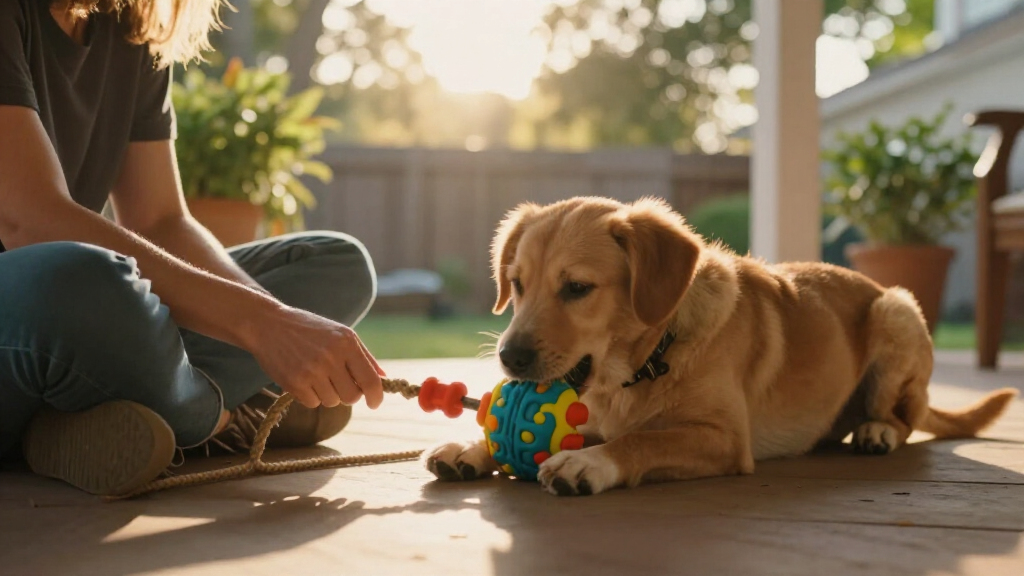
Getting your dog interested in a new toy isn’t automatic. Sometimes, they need a little coaxing. Start by introducing the toy with familiar treats or a favorite scent. Play with your dog using the toy to show it’s fun.
For example, if your dog is hesitant to try a puzzle feeder, put some tasty treats inside and gently encourage her to explore. Keep initial sessions short—5 to 10 minutes—and praise her frequently. Gradually increase the challenge as she gets comfortable.
Remember, some dogs prefer social play over solitary toys. Join in, use a happy voice, and make playtime a positive experience. Building positive associations with toys can significantly increase your dog’s willingness to engage and enjoy playtime, leading to better mental stimulation and bonding.
Practical Tips for Maintaining and Rotating Toys
Keeping your dog engaged means managing their toy collection wisely. Instead of leaving all toys out all the time, rotate a few at a time. This keeps each toy feeling fresh and prevents boredom.
For example, keep three or four toys in a basket, and swap them every few days. Clean toys regularly—especially those that hold food or saliva—to prevent bacteria and odors. Regular cleaning not only prolongs the life of the toys but also reduces the risk of infections.
Watch how your dog interacts with each toy. If she loses interest or the toy is damaged, it’s time to replace or repair it. Proper maintenance ensures toys remain safe and appealing, encouraging continued engagement and preventing potential health hazards.
Frequently Asked Questions
What counts as an interactive dog toy?
Any toy that invites your dog to act—like solving puzzles, chasing, sniffing, or retrieving—qualifies. This includes treat dispensers, scent mats, tug toys, and electronic devices.Are interactive toys good for dogs?
Yes, when suited to your dog’s preferences and used safely. They provide mental stimulation, reduce boredom, and can help manage destructive behaviors.Can toys prevent boredom or separation anxiety?
They can help keep your dog occupied, but they aren’t a cure-all for separation anxiety. Persistent distress should be addressed with professional advice from a veterinarian or trainer.How long should a dog play with one toy?
There’s no fixed time. Watch your dog’s interest—stop if she becomes frustrated or overexcited. Regular breaks and variety keep play safe and fun.Are electronic toys safe to leave alone?
Not automatically. Always supervise your dog with electronic toys, especially those with small parts or moving mechanisms, and follow the manufacturer’s instructions carefully.Conclusion
Interactive dog toys aren’t just a fad—they’re a smart way to keep your pup mentally sharp and physically active. The key is choosing the right toy, introducing it thoughtfully, and keeping safety in mind. When used wisely, these toys turn ordinary days into stimulating adventures.
Next time you see your dog excited about a puzzle or chasing a rolling ball, remember: you’re giving her more than just playtime—you’re feeding her mind and strengthening your bond.
Fall Picks
fall essentials
As an affiliate, we earn on qualifying purchases.