If your fish are hiding more than usual, it’s often a sign they’re stressed or uncomfortable. Stress can come from poor water quality, lack of hiding spots, aggression from other fish, or sudden environmental changes. Fish naturally seek shelter when feeling threatened or overwhelmed. Creating a calm, well-maintained environment with plenty of hiding places can help. To discover more ways to improve their wellbeing and why they hide, keep exploring this topic.

Get pet supplies delivered free with Prime
- Fast, free delivery on millions of items
- Prime Video, Amazon Music and more included
- Member-only deals all year
Key Takeaways
- Fish often hide due to stress from poor water quality, inappropriate tank conditions, or sudden environmental changes.
- Lack of hiding spots or decorations can cause fish to retreat for safety and comfort.
- Aggressive or territorial behavior may prompt fish to hide to avoid conflict.
- External disturbances like noise, bright lights, or frequent maintenance can increase stress levels.
- Illness or discomfort may lead fish to hide as a natural response to perceived threats.
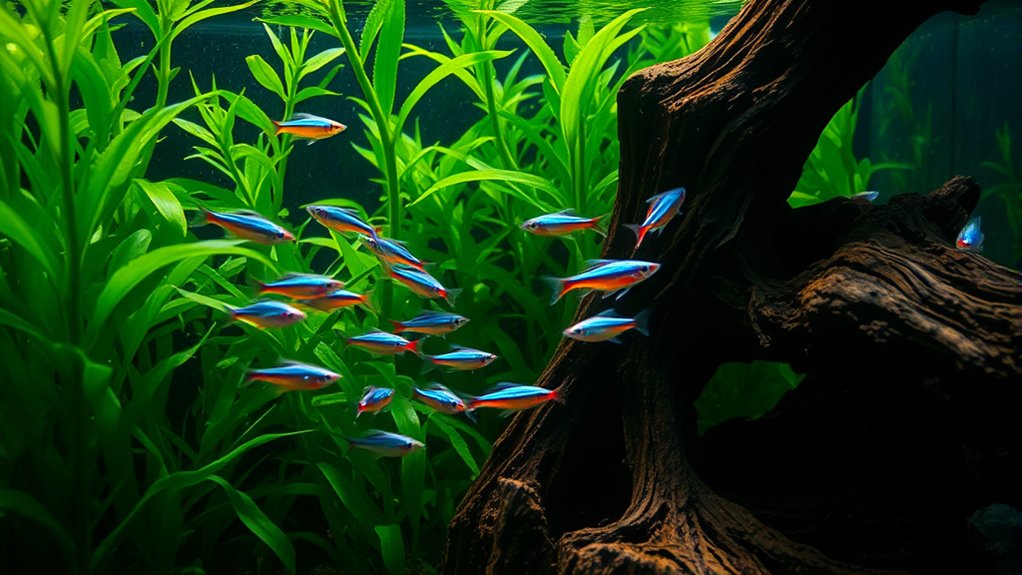
Understanding fish behavior is essential because their actions often reveal their stress levels and overall health. When your fish start hiding more than usual, it’s a clear sign that something might be wrong. Recognizing these signs early can help you address issues before they become serious. One common cause of hiding is an inappropriate aquarium setup. If your tank isn’t properly cycled, lacks hiding spots, or has unsuitable water conditions, your fish can become stressed. Fish need a comfortable environment that mimics their natural habitat, with adequate plants, caves, and decorations. Without these, they might retreat to the corners or hide behind plants, seeking safety.
Fish aggression can also lead to hiding. If one or more fish are territorial or aggressive, others may hide to avoid confrontation. This behavior is especially common in species known for their territorial nature or when the tank is overcrowded. When fish are constantly chased or harassed, they seek refuge in quiet, hidden areas to escape the aggression. Monitoring interactions closely can help you identify if aggression is the culprit. Sometimes, adjusting the aquarium setup can alleviate this problem—adding more hiding spots, rearranging decorations, or even separating aggressive individuals can reduce tension.
Environmental stressors are another significant factor. Sudden changes in water temperature, pH levels, or water quality can cause fish to feel insecure and hide. Fish are sensitive to their environment, and even minor fluctuations can trigger stress responses. Regular testing of water parameters and maintaining a consistent, suitable environment will help keep your fish comfortable. Additionally, overfeeding or underfeeding can cause stress, leading to hiding behavior. Overfeeding can lead to poor water quality, while underfeeding can weaken their immune system, both prompting hiding as a defensive response.
Noise, bright lights, or frequent disturbances around the tank can also make fish feel unsafe. If your tank is near a busy area or your routine involves sudden movements or loud sounds, your fish might hide to escape the perceived threat. To minimize this, place your aquarium in a quiet, low-traffic spot, and keep lighting consistent with a gentle day-night cycle. Remember, fish are prey animals by nature; they instinctively seek cover when they feel threatened. Proper aquarium maintenance including regular cleaning and water changes can significantly reduce stress-inducing factors.
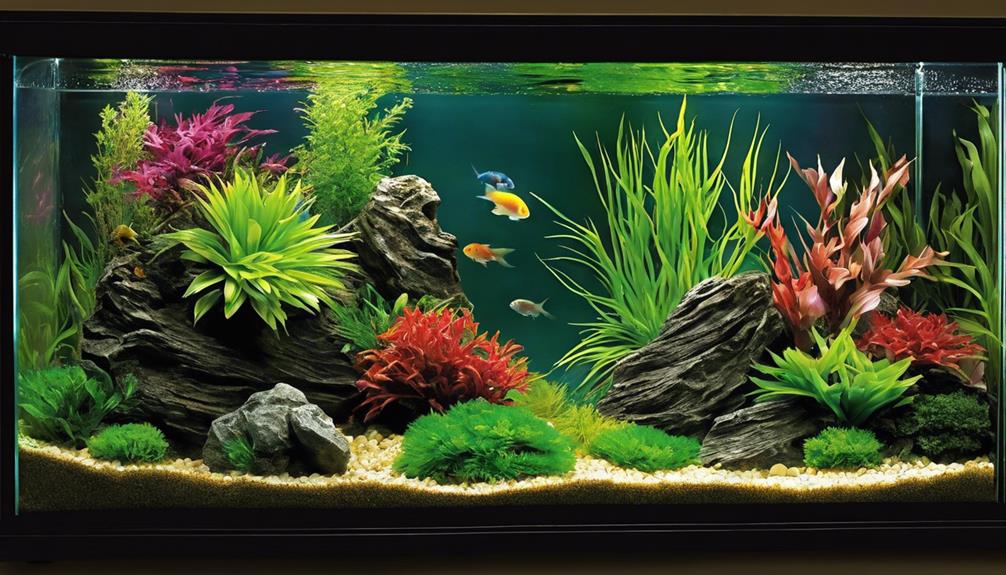
aquarium hiding spots decorations
As an affiliate, we earn on qualifying purchases.
As an affiliate, we earn on qualifying purchases.
Frequently Asked Questions
Can Fish Hiding Indicate Illness or Injury?
Fish hiding can sometimes indicate signs of illness or injury, especially if they suddenly start hiding more than usual. You should closely observe your fish for other symptoms like discoloration, spots, or abnormal swimming. If they’re hiding persistently and showing additional signs of distress, it’s a good idea to check water quality and consult a vet. Hiding is normal, but excessive hiding can signal underlying issues needing attention.
How Do Tank Mates Affect Fish Hiding Behavior?
Tank mates considerably influence your fish’s hiding behavior, especially if they display territorial behavior. If your fish feels threatened or crowded by aggressive or dominant tank mates, it’ll hide more often to protect itself. Choosing compatible tank mates helps reduce stress and territorial disputes, encouraging your fish to explore more openly. Observing their interactions allows you to identify potential conflicts and adjust the community to promote healthier, less hiding behavior.
Do Different Fish Species Hide for Different Reasons?
Different fish species hide for various reasons based on species-specific behavior and habitat preferences. Some fish naturally seek shelter to feel secure or escape predators, while others hide when stressed or unwell. Understanding these species-specific behaviors helps you provide appropriate environments, like plants or caves, that match their habitat preferences. By observing their hiding patterns, you can better meet their needs and ensure they stay healthy and stress-free.
Can Water Temperature Influence Fish Hiding Tendencies?
Imagine fish in a cozy, warm home—when the water temperature drops or rises unexpectedly, it’s like a sudden cold breeze or heatwave. This change influences their hiding behavior, making them seek shelter for comfort and safety. Water temperature directly affects their stress levels, prompting more hiding or less activity. So, maintaining stable water temperature helps keep your fish comfortable, reducing unnecessary hiding and promoting healthier, happier behavior.
How Long Should I Wait Before Removing Hiding Spots?
You should wait at least a few days before removing hiding spots, as fish need time to adjust and feel secure. This hiding spot timing allows them to settle into their environment and reduce stress. Rushing fish removal can cause unnecessary anxiety, so a fish removal delay is best until you’re sure they’re comfortable and no longer rely on hiding spots for security. Observe their behavior before making changes.
Conclusion
Understanding why your fish hide helps you create a safer, calmer environment for them. Just like a cautious squirrel scampers into a tree to feel secure, your fish retreat to hide when they’re stressed or scared. By observing their behavior and making simple changes, you can reduce their stress and help them feel more comfortable. Remember, a happy fish is like a bright gem—shining and lively in its home.
Evergreen bestsellers Picks
bestsellers
As an affiliate, we earn on qualifying purchases.



![Pentulive (Puppy Live) [Video]](https://aplaceforanimals.com/wp-content/uploads/2026/10/pentulive-puppy-live-video-featured-260x140.jpg)