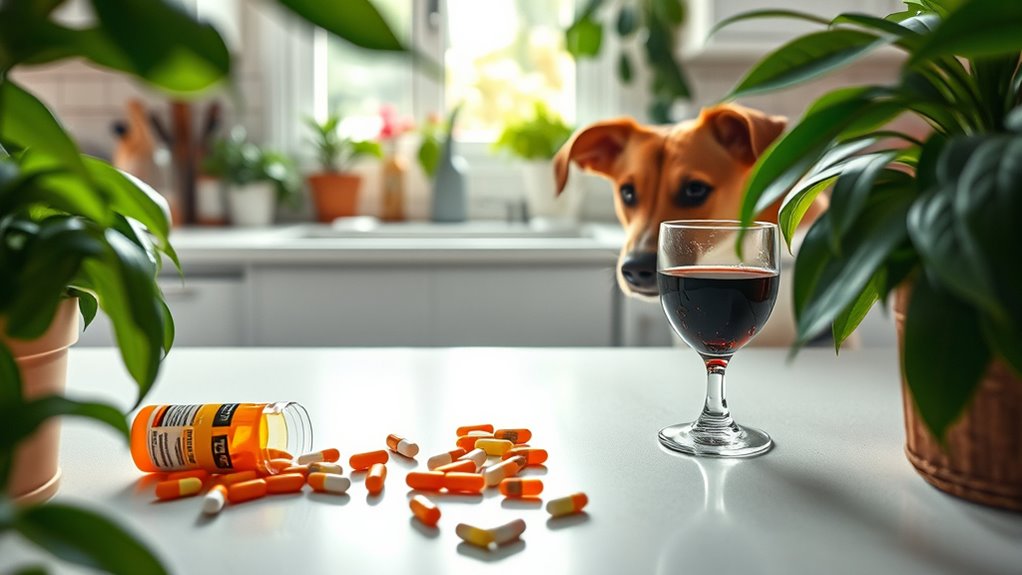

Keeping your pets safe from common household hazards is vital. Avoid toxic foods like chocolate, onions, and grapes, and store medications out of their reach. Use pet-friendly cleaners to prevent chemical exposure, and keep hazardous items secured. Designate safe areas and educate everyone in your home about potential dangers. Regularly check for any risks as your household changes. By staying informed and proactive, you’ll guarantee your furry friends stay safe and healthy. Explore more tips to enhance your pet’s safety.
Key Takeaways
- Keep toxic foods like chocolate, grapes, and onions out of pet reach to prevent accidental ingestion.
- Store household chemicals securely and use pet-safe cleaning alternatives to minimize exposure.
- Medications should be kept out of pet reach and disposed of properly to avoid poisoning.
- Designate pet-safe areas and use barriers to restrict access to hazardous zones in the home.
- Regularly review household hazards and educate all family members about pet safety.
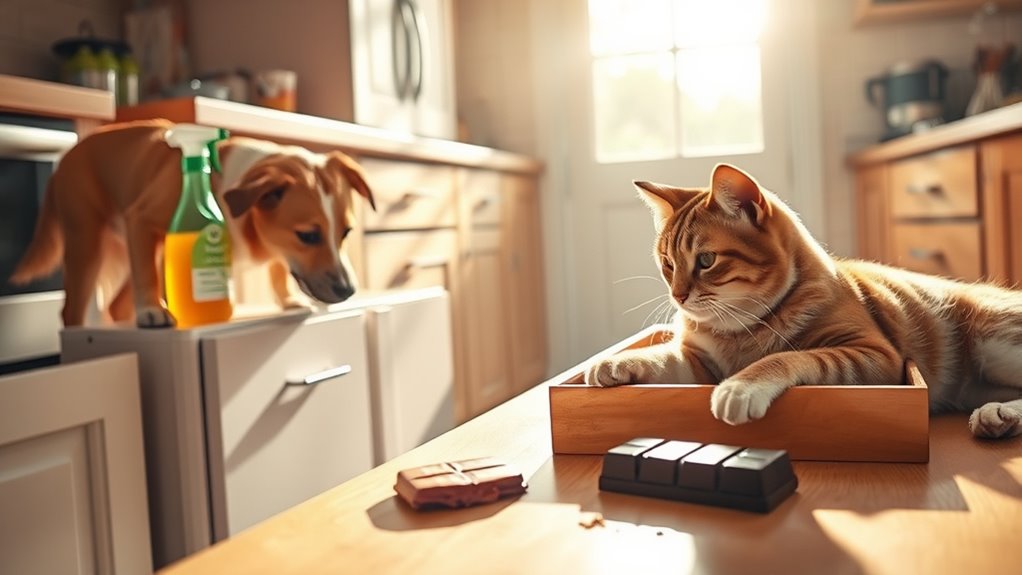
How can you guarantee your furry friends stay safe from harmful substances? It’s a question every pet owner should prioritize. Your pets rely on you to keep their environment safe, and being aware of the common household hazards is a vital part of that responsibility. Many toxic foods and household chemicals can pose serious risks to your beloved companions.
First, let’s talk about toxic foods. While you might enjoy sharing your meals, not all human food is safe for pets. Chocolate, grapes, raisins, onions, and garlic are just a few examples of foods you should keep out of reach. Even small amounts of these can lead to severe health issues or even be fatal. It’s important to know that certain artificial sweeteners, like xylitol, found in sugar-free gum and some baked goods, can cause a rapid insulin release in dogs, potentially leading to hypoglycemia. Always double-check what you’re feeding your pets, and if you’re unsure, it’s best to consult your vet.
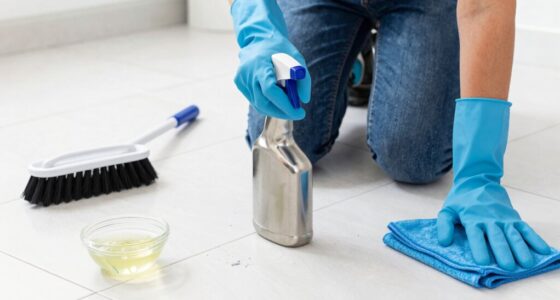
Now, let’s shift our focus to household chemicals. Many common cleaning products contain ingredients that are harmful to pets. Bleach, ammonia, and other strong cleaners can cause irritation to your pet’s skin, eyes, and respiratory system. If you’re cleaning with these chemicals, make sure your pets are kept in another room until everything is dry and the area is well-ventilated. It’s also wise to consider pet-safe cleaning alternatives that won’t pose a risk to your furry friends.
Keep an eye on your storage spaces, too. Medications, both human and veterinary, should be securely stored away from curious paws. Many pets are attracted to colorful pill bottles, and ingesting medications can lead to serious consequences. Always dispose of expired medications properly, as even a few leftover tablets can be tempting for your pet.
Lastly, remember to create a safe zone for your pets. Designating areas where harmful substances aren’t allowed can greatly reduce risks. Use baby gates or pet barriers to restrict access to certain rooms or cabinets. By maintaining a vigilant eye and a secure environment, you can help guarantee your furry friends enjoy a safe and healthy life, free from the dangers of toxic foods and household chemicals. Additionally, knowing about common household hazards can further help in preventing accidental poisonings.

Zerbuger Cat Litter Box Enclosure Furniture for Odor Control, Hidden Cabinet Cats Litter Ottoman with Flip-Up Lid,Cat Litter Box Bench with Storage Space, Dog Proof(Grey, X-Large)
【Pet Friendly】 Stick a cat litter box in the bench below, and your kitties will have their own...
As an affiliate, we earn on qualifying purchases.
Frequently Asked Questions
How Can I Pet-Proof My Home Effectively?
To pet-proof your home effectively, start with these pet proofing tips: secure toxic plants, store cleaning supplies and medications out of reach, and use childproof locks on cabinets. Keep cords and small objects hidden to prevent choking hazards. Create a safe space for your pet to relax and remove anything that could pose a risk. Regularly check for potential household hazard prevention to guarantee your environment remains safe for your furry friend.
What Symptoms Indicate My Pet Has Ingested Poison?
If your pet’s ingested poison, watch for signs of poisoning like vomiting, diarrhea, lethargy, or seizures. You might notice unusual drooling or difficulty breathing, which can indicate emergency symptoms. Don’t wait too long; if you see any of these signs, contact your vet immediately. Quick action can make a significant difference in your pet’s recovery, so stay alert and trust your instincts if something seems off with your furry friend.
Are There Specific Plants Toxic to Pets?
Yes, there are specific plants toxic to pets. Common toxic plants include azaleas, lilies, and oleander. For toxic plant identification, always research before bringing new greenery into your home. If you’re creating a pet safe garden, consider options like marigolds, sunflowers, and snapdragons, which are generally safe for pets. Keeping your furry friends away from harmful plants is vital for their health and safety, so always stay informed!
What Should I Do if My Pet Consumes Something Harmful?
If your pet consumes something harmful, act quickly! First, check for any symptoms and keep your pet calm. Then, contact your local poison control or your veterinarian for emergency response guidance. They’ll provide specific advice based on what your pet ingested. Don’t wait for symptoms to appear; getting help promptly can make a difference. Always have emergency numbers handy for swift action when your furry friend needs it most!
Can Certain Human Foods Be Safe for Pets?
Yes, some human foods can be safe for pets, but you need to be careful. Foods like cooked lean meats, carrots, and certain fruits make great safe pet treats. However, human food dangers exist, so avoid items like chocolate, onions, and grapes, which can be toxic. Always check with your vet before introducing new foods to your pet’s diet to guarantee they’re safe and suitable for their needs.

Mintakawa Automatic Cat Litter Box Self Cleaning - APP Control and Weight Monitoring - Ultra-Quiet, Suitable for Medium Cats and Kittens, Safe Anti-Pinch Litter Box (Assembly Required) - White
😸Ideal for small to medium cats: Designed to accommodate kittens and medium-sized cats, this litter box is suitable...
As an affiliate, we earn on qualifying purchases.
Conclusion
In the garden of your home, it’s essential to keep the weeds of danger at bay. By staying vigilant and informed about common household hazards, you can create a safe haven for your furry friends. Just like a watchful gardener, you nurture their well-being, protecting them from unseen threats. Remember, a little awareness goes a long way—your love and care can turn your home into a fortress, where tails wag freely and worries fade away.

UPFAS Automatic Cat Litter Box Self Cleaning - APP Control - Weight Monitoring - Ultra-Quiet, Medium Cats and Kittens Litter Box, Safe Anti-Pinch【Assembly Required】- Light Grey
😸Perfect for medium-sized cats aat litter box is ideal for medium-sized cats and kittens, making it a great...
As an affiliate, we earn on qualifying purchases.
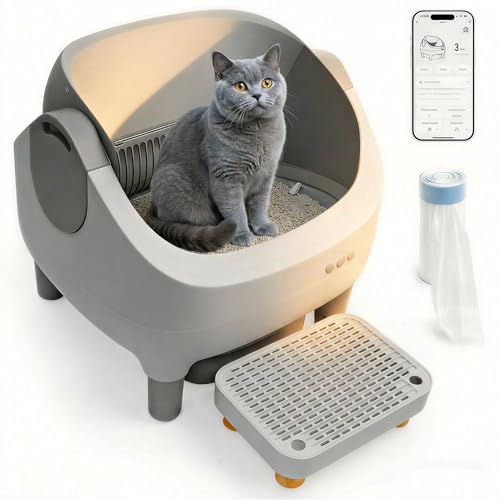
Automatic Litter Box with Raised Step, for Multiple Cats, Open Top Large Capacity Self Cleaning Litter Box, Safety Protection, Smart App Control, Odor-Free & Health Monitoring & Quiet Operation
【CAT MUST-HAVE】2026 LATEST UPGRADED AUTOMATIC LITTER BOX: Come with Mesh-style Step for Prevent Litter Tracking, Keeping Floors Clean...
As an affiliate, we earn on qualifying purchases.