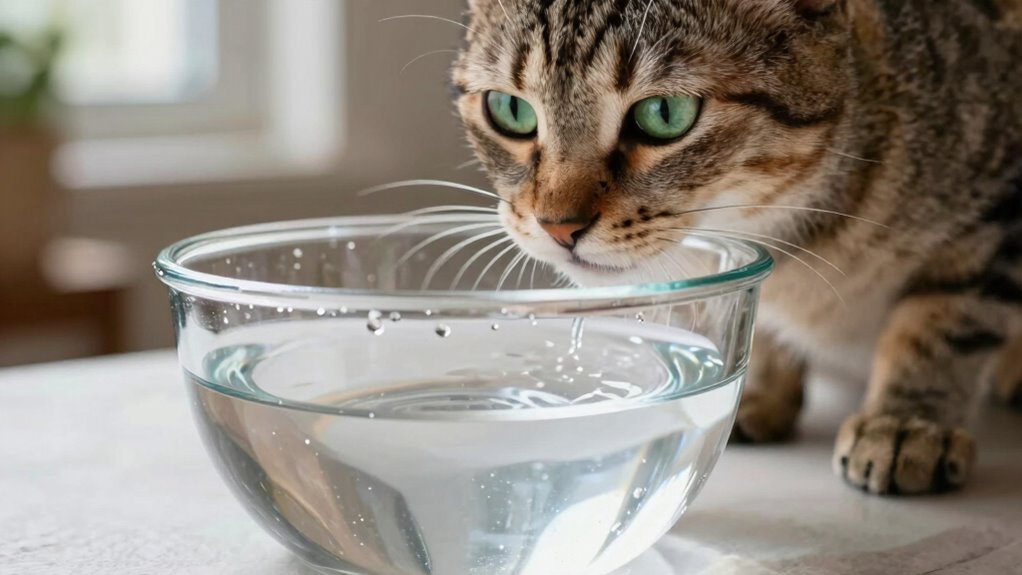

Your pet’s water intake is more important than many owners realize because proper hydration supports key functions like digestion, temperature regulation, and organ health. It also helps prevent issues like dehydration, infections, and organ damage. Ensuring fresh, clean water and encouraging your pet to drink regularly can make a big difference in their overall well-being. Keep an eye on their habits, as consistent hydration is essential—even if it’s easy to overlook. Stay with us to learn more.

Get pet supplies delivered free with Prime
- Fast, free delivery on millions of items
- Prime Video, Amazon Music and more included
- Member-only deals all year
Key Takeaways
- Proper hydration supports essential bodily functions like digestion, temperature regulation, and organ health in pets.
- Inadequate water intake can lead to dehydration, causing health issues such as urinary infections and organ damage.
- Water quality and accessibility directly influence a pet’s drinking habits and overall hydration status.
- Monitoring water consumption helps detect early signs of dehydration or health problems requiring intervention.
- Different pets have varying hydration needs based on age, breed, and health, making tailored hydration crucial.
Ensuring your pet drinks enough water is essential for their overall health and well-being. Proper hydration supports vital bodily functions, from digestion to temperature regulation, and helps prevent a range of health issues. As a pet owner, you might think offering water once a day is sufficient, but developing good hydration habits makes a significant difference. Your pet’s daily water intake depends on more than just the amount you fill their bowl; it’s about consistency, quality, and how well you’re encouraging them to drink regularly. Many owners overlook how crucial water quality is, often assuming that all water sources are equally good. However, tap water can contain chemicals or impurities that might deter your pet from drinking enough or could cause health concerns over time. Using filtered or fresh water can make a noticeable difference in how much your pet drinks and how well they stay hydrated.
Providing clean, fresh water regularly is key to keeping your pet healthy and well-hydrated.
Your pet’s hydration habits aren’t just about providing water; they’re about making drinking an appealing part of their routine. Some animals prefer fresh, clean water, while others might be picky or shy about drinking from their bowl if it’s stale or cloudy. Replacing water frequently, cleaning bowls regularly, and offering fresh water multiple times a day can encourage better intake. Also, consider the placement of their water source—placing it in a quiet, accessible spot helps prevent your pet from feeling stressed or hesitant to drink. If your pet resists drinking from their usual bowl, try offering water in different containers or even adding ice cubes for a refreshing twist, especially in warmer weather. Recognizing that water quality can influence hydration is vital, as contaminated or unappealing water sources might discourage your pet from drinking adequately. Additionally, ensuring the water source is free from impurities can help maintain your pet’s health and encourage consistent drinking habits.
You should also be aware that hydration habits vary based on your pet’s age, breed, and health status. Older pets or those with certain health conditions might need more encouragement or specific types of water. For example, pets with kidney issues may require specialized hydration support, so consulting your vet about water quality and intake is always wise. Regularly monitoring your pet’s hydration status and understanding signs of dehydration can help you catch potential issues early. Some pets may also benefit from hydration supplements, which can be recommended by your veterinarian for added support. Remember, dehydration can sneak up on your pet, leading to serious problems like urinary tract infections, lethargy, or even organ damage if left unchecked. To prevent this, monitor their water consumption and look for signs of dehydration, such as dry gums or decreased activity.
In the end, paying close attention to your pet’s hydration habits and water quality can greatly improve their quality of life. By making sure they drink enough clean water regularly, you’re helping them stay healthy, energetic, and happy.
As an affiliate, we earn on qualifying purchases.
Frequently Asked Questions
How Do I Know if My Pet Is Drinking Enough Water?
You can tell if your pet is drinking enough water by observing their behavior and physical signs. Monitor their water intake regularly, as water intake monitoring helps prevent dehydration. Be aware of pet hydration myths—like assuming all pets drink the same amount. Check for signs like dry gums, lethargy, or decreased urination. If you’re unsure, consult your vet to guarantee your pet stays properly hydrated and healthy.
Can Certain Foods Affect My Pet’s Hydration Levels?
Yes, certain pet foods can affect your pet’s hydration levels. Dry pet food, for example, has a lower water content and can lead to dehydration if your pet doesn’t drink enough water. Wet or canned food, on the other hand, has a higher hydration impact, helping keep your pet better hydrated. Always consider your pet’s diet and make sure they get enough water, especially if they eat dry food regularly.
What Are Signs of Dehydration in Pets?
Think of your pet as a plant; if they don’t get enough water, they wilt. Signs of dehydration include dry gums, lethargy, sunken eyes, and loss of skin elasticity. Many believe hydration myths or overlook subtle cues, but monitoring water consumption habits reveals much. If your pet shows these signs, increase water access and consult your vet promptly—hydration is crucial for their health and vitality.
Does Climate Influence How Much Water My Pet Needs?
Yes, climate effects considerably influence how much water your pet needs. Hot or humid weather causes hydration fluctuations, making your pet require more water to stay properly hydrated. Conversely, cooler temperatures may decrease their water intake. You should monitor your pet closely and guarantee they always have access to fresh water, especially during extreme weather, to prevent dehydration and maintain their overall health and comfort.
Are There Specific Water Types Better for Pets?
Did you know that pets drinking filtered water are less prone to health issues? When choosing water, opt for filtered over tap to remove contaminants, or use bottled water if your tap isn’t reliable. Water filtration guarantees your pet avoids harmful chemicals, and bottled water offers convenience and purity. Both options can improve your pet’s hydration and overall health, making them better choices than plain tap water.
Conclusion
Think of your pet’s water intake like a well-tended garden. When you’re attentive, watering it regularly, the flowers bloom and thrive. But neglect, even for a little while, leaves the garden parched and struggling. By ensuring your pet stays well-hydrated, you’re nurturing their health and happiness, allowing them to flourish just like a vibrant garden in full bloom. Remember, a well-watered pet is a happy, healthy companion for years to come.
Fall Picks
fall essentials
As an affiliate, we earn on qualifying purchases.