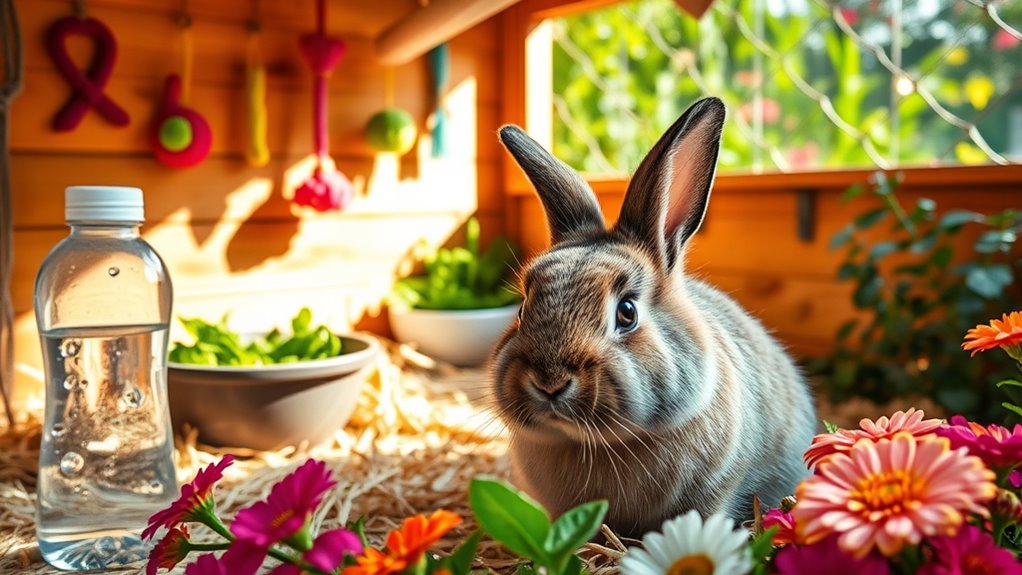

To care for your rabbit, focus on three main areas: housing, diet, and bonding. Give them a spacious, clean living environment with plenty of fresh hay and suitable fresh vegetables. Establish a consistent feeding schedule for stability and digestion. Spend quality time with your rabbit to strengthen your bond through gentle play and treats. Keeping an eye on their health is essential for their happiness. There’s plenty more to explore about ensuring your rabbit thrives.
Key Takeaways
- Provide a spacious, clean living environment with proper ventilation to ensure comfort and hygiene for your rabbit.
- Feed a balanced diet of hay, fresh vegetables, and limited pellets, adhering to a consistent morning and evening schedule.
- Regularly groom your rabbit to maintain healthy fur and check for any health issues in ears, paws, and teeth.
- Spend quality time daily with your rabbit to build trust and strengthen your bond through gentle interaction and healthy treats.
- Monitor your rabbit’s health by observing eating habits and activity levels, and schedule regular vet check-ups for preventive care.

Caring for a rabbit can be a rewarding experience, but it requires understanding their unique needs. One of the most important aspects of rabbit care is managing their diet effectively. Establishing consistent feeding schedules is vital for your rabbit’s health. Rabbits thrive on a diet primarily composed of hay, fresh vegetables, and a limited amount of pellets. Make sure to provide hay daily as it aids digestion and helps keep their teeth healthy. You should also introduce fresh greens, like romaine lettuce or parsley, gradually to ensure they don’t upset your rabbit’s stomach. Aim to feed your rabbit twice daily, morning and evening, to create a routine that helps them feel secure.
Understanding your rabbit’s unique dietary needs is essential for their health and happiness. Establish a consistent feeding routine with hay, fresh veggies, and pellets.
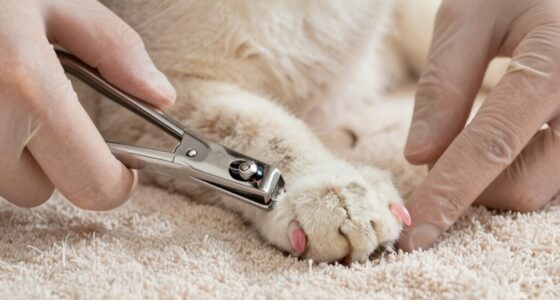
Another essential part of rabbit care is grooming. Regular grooming keeps your rabbit’s fur healthy and reduces shedding, which is especially important during seasonal changes. Depending on the breed, your rabbit may require different grooming techniques. For long-haired breeds, you’ll need to brush them at least a few times a week, while short-haired rabbits might only need a monthly brush. Use a soft brush to avoid irritating their skin. Don’t forget to check their ears, paws, and teeth during grooming sessions. Keeping their environment clean is also part of good grooming practices, so clean their living space regularly to prevent any buildup of waste.
Bonding with your rabbit is another significant aspect of their care. Spend time with them daily to build trust; engage in gentle play or simply sit beside them. Rabbits are social creatures and enjoy companionship, so being present and interacting will enrich their lives. If you want to encourage bonding, consider offering treats during your interactions. This creates positive associations with you, making them more comfortable around you. Additionally, incorporating healthy snacks into your bond-building routine can enhance your relationship with your rabbit.
Lastly, always monitor your rabbit’s health. Look for signs of illness, such as changes in eating habits or energy levels. Regular vet check-ups will help guarantee your rabbit stays healthy. Overall, by keeping a consistent feeding schedule, following grooming tips, and fostering a strong bond with your rabbit, you’re setting the stage for a happy, healthy life together. Embrace the joys and challenges of rabbit care, and you’ll find that your effort pays off in a loving and rewarding relationship.

Centvicam Automatic Cat Feeder with Camera-PF4
Automatic Cat Feeder with camera
As an affiliate, we earn on qualifying purchases.
Frequently Asked Questions
Can Rabbits Live Outdoors Year-Round in Cold Climates?
Yes, rabbits can live outdoors year-round in cold climates, but you need to take some winter precautions. Make sure they have a well-insulated outdoor shelter to protect them from harsh winds and freezing temperatures. Provide plenty of bedding to keep them warm and check their water regularly to prevent freezing. Monitor their health closely, as extreme cold can stress them. With proper care, your rabbits can thrive outside even in winter.
How Often Should I Clean My Rabbit’s Living Space?
Imagine a cozy, fresh-smelling space where your rabbit hops happily. To keep it that way, you should clean their living space at least once a week. Establish a cleaning schedule to remove waste and refresh bedding. If you notice any strong odors or soiled areas, clean it sooner. Regular bedding maintenance not only provides comfort but also helps prevent health issues, ensuring your furry friend stays happy and healthy in their environment.
What Are Signs of Stress in Rabbits?
You’ll notice signs of stress in your rabbit through various stress behaviors. Look for rapid breathing, hiding, or thumping their hind legs. If your rabbit exhibits aggression or stops eating, it could indicate rabbit anxiety. They might also engage in excessive grooming or pacing. Pay attention to these signals, as they reflect your pet’s emotional state. Creating a calm environment can help alleviate their stress and make them feel more secure.
Can Rabbits Be Litter Trained Successfully?
Yes, you can successfully litter train rabbits! Start by providing a designated litter box filled with rabbit-safe litter. Place it in areas where you notice your rabbit frequently eliminates. Consistency is key; reward them with treats when they use the box. Incorporate behavioral enrichment, like toys and tunnels, to keep them engaged and reduce accidents. With patience and positive reinforcement, your rabbit will learn to use the litter box effectively.
How Do I Introduce a New Rabbit to My Current Pet?
Introducing rabbits requires patience and proper bonding techniques. Start slowly, letting them sniff each other through a barrier. Gradually increase their interaction time in a neutral space. Monitor their body language—look for signs of curiosity rather than aggression. Offer treats to create positive associations. Keep sessions short and sweet to prevent stress. With consistent care and careful observation, you’ll foster a friendship that flourishes between your furry friends.

Automatic Cat Feeder with Camera - 5G WiFi Timed Cat Food Dispenser, 1080P HD Video with Night Vision, 1-15 Meals, 1-99 Portions, 2-Way Audio, Keeps Dry Food Fresh, 5L Auto Pet Feeder Also for Dogs
A Little Window into Your Pet’s Day: This automatic cat feeder features a high-definition 1080P camera with night...
As an affiliate, we earn on qualifying purchases.
Conclusion
In caring for your rabbit, remember that a cozy home, a balanced diet, and strong bonding are essential. Provide a spacious, safe environment, nourish them with fresh greens and quality pellets, and spend time nurturing your connection. By prioritizing their happiness, health, and trust, you’ll create a joyful life together. So, embrace the journey, enjoy the moments, and watch your bond flourish. Your commitment makes all the difference for your furry friend!

Automatic Cat Feeders with 2 Cameras and App, 4L 1080P HD Timed Pet Feeder Smart Dog Food Dispenser 2-Way Audio for Cats/Small Dogs, Cat Food Dispenser with Night Vision/Motion Alerts, WiFi 2.4G/5G
【Auto Cat Feeder with Dual HD Cameras】The device comes equipped with dual HD cameras that provide a 90°+130°...
As an affiliate, we earn on qualifying purchases.

PETKIT Automatic Cat Dog Feeder with Camera, AI-Powered Motion Capturing, 1080P HD Video with Night Vision, 2.4G WiFi Pet Feeder with 2-Way Audio, Dual Hopper Pet Food Dispenser with Desiccant
1080P HD High-quality Camera: The camera quality of this PETKIT Yumshare Dual-Hopper automatic pet feeder is superb! 1080P...
As an affiliate, we earn on qualifying purchases.