
Searching for the best animal encyclopedias for kids? The top pick, National Geographic Kids Animal Encyclopedia, 2nd Edition, stands out for its stunning visuals and engaging facts. The Animal Book offers a visually rich experience perfect for younger children, while Knowledge Encyclopedia Ocean provides an in-depth look at marine life for older kids. Buyers often face tradeoffs between detailed content and readability, along with considerations of price and age appropriateness. Keep reading for a detailed breakdown of the best options to find the ideal fit for your child’s curiosity and learning style.
Complete the kit


Key Takeaways
- The top-ranked encyclopedias combine vivid imagery with accessible language, making learning engaging for different age groups.
- Price varies significantly; more comprehensive, detailed books tend to cost more but offer richer content.
- Visual-heavy options excel for younger children, while text-dense encyclopedias suit older or more advanced readers.
- Many encyclopedias include interactive features or online content, which can boost engagement but may affect durability.
- Choosing the right age range and reading level is key to ensuring the encyclopedia remains both educational and enjoyable.
| First Animal Encyclopedia: A First Reference Guide to the Animals of the World |  | Best Overall for Beginners | Target Age: 3-7 years | Number of Pages: 96 | Format: Hardcover | VIEW ON AMAZON | See Our Full Breakdown |
| The Animal Book: A Visual Animal Kingdom Encyclopedia for Kids |  | Best for Visual Learners | Target Age: 5-10 years | Number of Pages: 160 | Format: Hardcover | VIEW ON AMAZON | See Our Full Breakdown |
| National Geographic Kids Animal Encyclopedia, 2nd Edition | 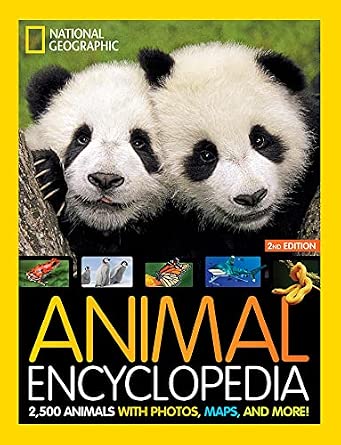 | Most Extensive and Educational | Target Age: 8-14 years | Number of Pages: 384 | Format: Hardcover | VIEW ON AMAZON | See Our Full Breakdown |
| Knowledge Encyclopedia Ocean |  | Best for Marine and Ocean Enthusiasts | Target Age: 8-12 years | Number of Pages: 192 | Format: Hardcover | VIEW ON AMAZON | See Our Full Breakdown |
| Eyewitness Encyclopedia of Animals |  | Most Detailed and Reference-Heavy | Target Age: 10+ years | Number of Pages: 320 | Format: Hardcover | VIEW ON AMAZON | See Our Full Breakdown |
| National Geographic Little Kids First Big Book of Animals |  | Best for Young Beginners Interested in Animals | Intended Age Range: 3-7 years | Pages: 64 | Format: Hardcover | VIEW ON AMAZON | See Our Full Breakdown |
| Knowledge Encyclopedia – Animals (Knowledge Encyclopedia for Children) |  | Best for Curious Young Readers Interested in Detailed Facts | Intended Age Range: 7-11 years | Pages: 128 | Format: Hardcover | VIEW ON AMAZON | See Our Full Breakdown |
| National Geographic Little Kids First Big Book of the Ocean |  | Best for Marine Life Enthusiasts at a Young Age | Intended Age Range: 3-7 years | Pages: 64 | Format: Hardcover | VIEW ON AMAZON | See Our Full Breakdown |
| National Geographic Little Kids First Encyclopedia of Almost Everything |  | Best for Broad Early Learning Across Multiple Topics | Intended Age Range: 5-9 years | Pages: 160 | Format: Hardcover | VIEW ON AMAZON | See Our Full Breakdown |
| Encyclopedia of Animals |  | Best for In-Depth Animal Study and Enthusiasts | Intended Age Range: 10+ years | Pages: 400 | Format: Paperback | VIEW ON AMAZON | See Our Full Breakdown |
| animal encyclopedias for kid | Format | Coverage | Target Age | Number of Pages |
|---|---|---|---|---|
| First Animal Encyclopedia: A F | Hardcover | Global animals | 3-7 years | 96 |
| The Animal Book: A Visual Anim | Hardcover | Animal kingdom | 5-10 years | 160 |
| National Geographic Kids Anima | Hardcover | Global wildlife | 8-14 years | 384 |
| Knowledge Encyclopedia Ocean | Hardcover | Oceans and seas | 8-12 years | 192 |
| Eyewitness Encyclopedia of Ani | Hardcover | Habitat, behavior, characteristics | 10+ years | 320 |
| National Geographic Little Kid | Hardcover | — | — | — |
| Knowledge Encyclopedia | Hardcover | Global animal species | — | — |
| National Geographic Little Kid | Hardcover | — | — | — |
| National Geographic Little Kid | Hardcover | Multiple subjects including animals | — | — |
| Encyclopedia of Animals | Paperback | Wide range of animals and habitats | — | — |
More Details on Our Top Picks
First Animal Encyclopedia: A First Reference Guide to the Animals of the World
This encyclopedia stands out as an excellent starting point for young children just beginning their animal exploration. Its colorful illustrations and simple facts make it accessible for early readers, providing a broad overview of animals from around the world. Compared with the National Geographic Kids Animal Encyclopedia, it is more straightforward and less dense, making it better suited for younger or less experienced readers. Its tradeoff is that it offers limited depth, which might leave older kids wanting more detailed information. Overall, this pick makes the most sense for parents seeking a gentle, engaging introduction to animals for their preschool or early elementary children.
Pros:- Bright, colorful illustrations that captivate young readers
- Simple, easy-to-understand facts suitable for beginners
- Provides a broad, global overview of animals
Cons:- Lacks detailed or advanced information for older or more curious kids
- May be too basic for children with prior animal knowledge
Best for: Parents of preschoolers and early elementary kids seeking a simple, engaging animal overview
Not ideal for: Older children or those looking for in-depth scientific details—they might find this too basic
- Target Age:3-7 years
- Number of Pages:96
- Format:Hardcover
- Illustrations:Colorful illustrations
- Coverage:Global animals
- Content Level:Beginner
Our verdict“This encyclopedia is ideal for young children just starting their animal journey who need clear, engaging visuals and simple facts.”
The Animal Book: A Visual Animal Kingdom Encyclopedia for Kids
This vibrant encyclopedia is perfect for kids who love colorful images and engaging visuals. Its bright photographs and illustrations make the animal kingdom come alive, inspiring curiosity in young readers. Unlike the First Animal Encyclopedia, which is more straightforward, this book emphasizes stunning visuals to communicate facts, making it especially appealing for visual learners. However, it doesn’t include detailed scientific explanations or interactive features, which might limit its usefulness for older or more inquisitive children. Overall, this book is best suited for children who enjoy a richly illustrated experience that sparks their interest in animals.
Pros:- Vivid, high-quality photographs that captivate children
- Engaging layout that promotes curiosity
- Broad coverage of animal species
Cons:- Lacks detailed scientific information
- No specific specifications or ratings available
Best for: Kids who respond best to vivid images and visual storytelling
Not ideal for: Children seeking in-depth or textual scientific explanations—they might find it too image-heavy
- Target Age:5-10 years
- Number of Pages:160
- Format:Hardcover
- Illustrations:Full-color photographs
- Coverage:Animal kingdom
- Content Level:Intermediate
Our verdict“This encyclopedia is ideal for visually motivated kids eager to explore animals through stunning imagery and engaging facts.”
National Geographic Kids Animal Encyclopedia, 2nd Edition
This edition offers a comprehensive view of 2,500 animals, combining stunning photos, maps, and detailed descriptions. It surpasses the First Animal Encyclopedia in depth and breadth, making it perfect for kids with serious curiosity about wildlife. The inclusion of maps and detailed facts supports a deeper understanding of animal habitats and behaviors. Its main tradeoff is that its size and density might be overwhelming for very young readers, or those new to animal books. Overall, this encyclopedia makes the most sense for older elementary or middle-grade students who want a detailed and rich resource.
Pros:- Extensive collection of animal photos and facts
- Includes maps and habitat details
- Suitable for dedicated young learners
Cons:- Can be overwhelming for younger or less experienced readers
- No specific price or ratings info
Best for: Older children and animal enthusiasts seeking detailed, comprehensive information
Not ideal for: Young children or casual readers who prefer simple facts and colorful visuals over detailed descriptions
- Target Age:8-14 years
- Number of Pages:384
- Format:Hardcover
- Photos:2500+
- Maps Included:Yes
- Coverage:Global wildlife
Our verdict“This encyclopedia is best for older kids or aspiring wildlife experts who want an in-depth, detailed reference about animals worldwide.”
Knowledge Encyclopedia Ocean
This book focuses specifically on ocean life, offering detailed insights into marine ecosystems, creatures, and underwater phenomena. Its beautiful illustrations and clear explanations make it engaging for all ages, especially those fascinated by the sea. Compared to the broader animal encyclopedias, such as The Animal Book, this one narrows the scope to the ocean environment but provides equally compelling visuals. Its main drawback is that it offers limited information outside the marine world, making it less suitable for children interested in land animals or broader wildlife topics. This makes it a great pick for kids who are passionate about ocean life but less ideal for those wanting a general animal encyclopedia.
Pros:- Beautiful, detailed ocean illustrations
- Engaging explanations of marine ecosystems
- Suitable for a wide age range
Cons:- Limited to ocean-related topics
- No interactive features included
Best for: Kids interested specifically in marine life and ocean ecosystems
Not ideal for: Children seeking a general animal encyclopedia covering land and air animals—this book is ocean-centric
- Target Age:8-12 years
- Number of Pages:192
- Format:Hardcover
- Illustrations:Colorful, detailed
- Focus:Marine life
- Coverage:Oceans and seas
Our verdict“This book is perfect for young ocean lovers who want a detailed, visually appealing exploration of marine life, but less ideal for general wildlife interests.”
Eyewitness Encyclopedia of Animals
This encyclopedia offers a wealth of information about animals, including their habitats, behaviors, and characteristics, making it a strong choice for students or dedicated animal enthusiasts. Its detailed descriptions surpass the more simplified entries found in First Animal Encyclopedia, providing a more comprehensive view. Compared to the National Geographic Kids Animal Encyclopedia, it leans more toward a thorough reference, with rich photographs and illustrations. Its main limitation is the lack of interactive or digital features, which could engage tech-savvy young readers. This book makes the most sense for students or older kids who want a detailed, in-depth resource for animal facts and habitat information.
Pros:- Rich, detailed descriptions of numerous species
- Extensive illustrations and photographs
- Excellent for research and deeper learning
Cons:- No interactive content or digital features
- Limited edition or publication date info available
Best for: Older students and serious animal lovers seeking a detailed, reference-style book
Not ideal for: Younger children or casual readers who prefer simplified facts and colorful visuals
- Target Age:10+ years
- Number of Pages:320
- Format:Hardcover
- Images:Photographs and illustrations
- Content Depth:High
- Coverage:Habitat, behavior, characteristics
Our verdict“This encyclopedia is best for dedicated learners and students who desire a comprehensive, detailed reference on animals and their habitats.”
National Geographic Little Kids First Big Book of Animals
This book stands out for its bright, colorful illustrations and simple facts that introduce young children to a variety of animals. Compared with the National Geographic Little Kids First Big Book of the Ocean, this edition covers land animals more broadly but lacks depth in scientific details, making it ideal for very young learners. It’s perfect for parents or educators seeking an engaging, visually appealing starting point without overwhelming young readers with complex information. However, its limited scope means it’s not suitable for children ready for more detailed scientific content. This pick makes the most sense for early learners who want fun facts and vivid images to inspire curiosity about wildlife.
Pros:- Bright, colorful illustrations that captivate young children
- Simple, engaging facts suitable for early learners
- Wide variety of animals introduces basic biodiversity concepts
Cons:- Lacks detailed scientific information for advanced study
- Limited content depth, not suitable for older children or learners seeking comprehensive detail
Best for: Parents of preschoolers or early elementary kids new to animals who need simple, colorful introductions.
Not ideal for: Older children or those seeking in-depth scientific explanations or detailed taxonomy.
- Intended Age Range:3-7 years
- Pages:64
- Format:Hardcover
- Illustration Style:Colorful, cartoon-like
- Focus:Land animals
- Content Type:Basic facts and illustrations
Our verdict“This book is perfect for very young children starting their animal adventure with engaging visuals and basic facts.”
Knowledge Encyclopedia – Animals (Knowledge Encyclopedia for Children)
Compared with the National Geographic Little Kids First Big Book of Animals, this encyclopedia offers more detailed facts and a broader range of animals, making it suitable for children who want to learn more about specific species. Its colorful images and engaging explanations help children develop a deeper understanding of animal biology, but it doesn’t provide the scientific depth that older or more advanced learners might seek. This resource is ideal for children who have a budding interest in animals and enjoy exploring facts that go beyond basic introductions. However, its lack of technical detail and absence of multimedia limits its appeal for those seeking a more immersive experience. It makes the most sense for children ready for a richer, fact-oriented approach to animals.
Pros:- Rich, detailed facts that deepen understanding
- Vivid, engaging images complement the text
- Suitable for children developing a serious interest in animals
Cons:- Lacks scientific depth for advanced learners
- No multimedia or interactive content included
Best for: Young readers with a curiosity about animals who want a detailed yet accessible encyclopedia.
Not ideal for: Children looking for highly scientific content or multimedia-rich resources.
- Intended Age Range:7-11 years
- Pages:128
- Format:Hardcover
- Illustration Style:Colorful, realistic images
- Coverage:Global animal species
- Content Type:Detailed facts and descriptions
Our verdict“Ideal for children eager to explore animals with more detailed facts and colorful visuals without technical jargon.”
National Geographic Little Kids First Big Book of the Ocean
This book captivates early learners with its stunning images and fun facts about ocean creatures, making it a natural companion to the Little Kids First Big Book of Animals. While it excels at introducing marine life in a colorful, accessible way, it provides limited information about the broader ocean ecosystem beyond surface-level facts. Its engaging visuals and approachable language make it perfect for inspiring curiosity about underwater worlds, but it doesn’t delve into scientific details or habitat specifics, which might disappoint older or more advanced learners. This makes it an excellent choice for young children with a budding interest in marine environments but less suitable for those seeking comprehensive ocean science.
Pros:- Beautiful illustrations and photos that fascinate children
- Fun, accessible facts that spark curiosity about marine life
- Perfect for early exploration of underwater worlds
Cons:- Limited scientific detail or habitat information
- No content on broader ocean ecology or conservation issues
Best for: Parents and educators seeking a visually appealing introduction to marine life for early learners.
Not ideal for: Children looking for in-depth oceanography or detailed habitat information.
- Intended Age Range:3-7 years
- Pages:64
- Format:Hardcover
- Illustration Style:Colorful, vibrant images
- Focus:Marine animals
- Content Type:Fun facts and pictures
Our verdict“This book makes marine life accessible and engaging for young children just starting to explore underwater environments.”
National Geographic Little Kids First Encyclopedia of Almost Everything
This encyclopedia broadens the scope beyond animals, covering science, geography, and other topics, making it ideal for children who enjoy a variety of subjects. Compared with the Knowledge Encyclopedia – Animals, it offers a more diverse range of content but sacrifices some depth in each area, making it less suitable for children seeking detailed information on animals alone. Its colorful, engaging layout ensures kids stay interested across many topics, but it may feel too basic for older or more advanced learners. It’s a good choice for early elementary children who want a well-rounded, colorful introduction to many subjects, though not for those who want comprehensive detail.
Pros:- Wide range of topics covered with engaging visuals
- Colorful layout keeps learners interested across subjects
- Good introduction to multiple areas for early education
Cons:- Limited depth for serious or advanced learners
- Content may be too basic for older children seeking detailed info
Best for: Parents seeking a multi-topic encyclopedia for early learners with broad curiosity.
Not ideal for: Children who want specialized, in-depth animal science or detailed scientific explanations.
- Intended Age Range:5-9 years
- Pages:160
- Format:Hardcover
- Illustration Style:Colorful, cartoon-like
- Coverage:Multiple subjects including animals
- Content Type:Varied facts and illustrations
Our verdict“This encyclopedia appeals to young children with diverse interests who want a colorful overview of many subjects, including animals.”
Encyclopedia of Animals
This resource offers extensive, detailed information on a wide variety of animals, including behaviors, habitats, and characteristics, making it suitable for students and animal lovers who want a comprehensive reference. Compared with the Knowledge Encyclopedia – Animals, it provides more in-depth descriptions and scientific explanations but lacks multimedia content like photos or videos, which could enhance engagement. Its detailed entries are better suited for older children or enthusiasts who need a thorough understanding, rather than casual learners or younger kids. This encyclopedia is an excellent choice for those looking for a serious, detailed resource, but it’s less accessible for early or casual readers.
Pros:- Extensive, detailed information on a broad range of animals
- Great resource for serious study or reference
- Includes habitat, behavior, and characteristics info
Cons:- No multimedia content like images or videos
- Lacks accessibility features for casual or young learners
Best for: Students, educators, or animal enthusiasts needing an in-depth, detailed reference guide.
Not ideal for: Young children or casual learners who prefer colorful visuals and simple explanations.
- Intended Age Range:10+ years
- Pages:400
- Format:Paperback
- Illustration Style:Black and white diagrams, detailed illustrations
- Coverage:Wide range of animals and habitats
- Content Type:In-depth scientific descriptions
Our verdict“Ideal for older children or enthusiasts seeking a detailed, comprehensive animal encyclopedia for serious study.”

How We Picked
To evaluate these animal encyclopedias for kids, I focused on content quality, visual appeal, age appropriateness, durability, and value. I considered whether each book balanced engaging visuals with factual accuracy and whether it suited a broad age range or a specific developmental stage. Additionally, I looked at the diversity of topics covered, ease of use, and features like interactive elements or supplementary online resources. The ranking reflects a combination of these factors, prioritizing books that offer a compelling learning experience while remaining accessible and durable for kids.| animal encyclopedias for kid | Format | Illustration Style | Content Type |
|---|---|---|---|
| First Animal Encyclopedia: A F | Hardcover | — | — |
| The Animal Book: A Visual Anim | Hardcover | — | — |
| National Geographic Kids Anima | Hardcover | — | — |
| Knowledge Encyclopedia Ocean | Hardcover | — | — |
| Eyewitness Encyclopedia of Ani | Hardcover | — | — |
| National Geographic Little Kid | Hardcover | Colorful, cartoon-like | Basic facts and illustrations |
| Knowledge Encyclopedia | Hardcover | Colorful, realistic images | Detailed facts and descriptions |
| National Geographic Little Kid | Hardcover | Colorful, vibrant images | Fun facts and pictures |
| National Geographic Little Kid | Hardcover | Colorful, cartoon-like | Varied facts and illustrations |
| Encyclopedia of Animals | Paperback | Black and white diagrams, detailed illustrations | In-depth scientific descriptions |
Factors to Consider When Choosing Animal Encyclopedias For Kids
Choosing the right animal encyclopedia for your child involves more than just picking the most colorful book. Consider your child’s age, reading level, and interests to ensure the book will be both engaging and educational. Think about how much detail your child can handle—some books are packed with facts, while others focus on striking visuals. Durability matters if the book will be handled frequently. Additionally, features like online content or interactive elements can enhance learning but may come with extra costs or maintenance. Keep these factors in mind to select a resource that will foster a love of animals and discovery.Age and Reading Level
Matching the book’s complexity to your child’s age is essential. Younger children benefit from books with large pictures and simple language, while older kids might enjoy detailed entries and scientific terminology. Misjudging this can lead to frustration or boredom. Carefully check age recommendations and sample pages if available to ensure the content aligns with your child’s reading skills and curiosity level.
Content Depth and Scope
Some encyclopedias focus on broad overviews with colorful images, ideal for general interest. Others delve into specific topics like marine life or endangered species, suited for more curious or advanced learners. Consider whether your child prefers quick facts, detailed descriptions, or a mix. Keep in mind that overly dense texts can be overwhelming, especially for early readers, while superficial content might not satisfy older or more inquisitive kids.
Visuals and Design
Vivid images and appealing layouts can significantly boost a child’s interest in learning about animals. However, excessively flashy designs might distract from the information. Balance is key; look for books that combine high-quality photographs with clear, readable text. Also, consider if the design is durable enough for frequent handling, especially for younger children who may be rougher on books.
Durability and Format
Animal encyclopedias for kids should withstand regular use, especially if intended for classroom or home library use. Hardcovers tend to last longer than paperbacks, and spiral-bound books can be more resilient for active readers. Consider if the format includes features like fold-out pages or plastic covers that protect against wear and tear. Also, think about portability if your child wants to carry it around or use it outdoors.
Additional Features
Extras such as online resources, interactive quizzes, or augmented reality can enrich the learning experience but may add to the cost or require tech setup. Decide if these features are necessary for your child’s engagement style or if a straightforward book will suffice. Keep in mind that digital content can become outdated or inaccessible if not maintained properly, so choose wisely based on your child’s tech comfort level.
Frequently Asked Questions
Should I choose a visual-heavy encyclopedia or one with more detailed text?
The decision depends on your child’s age and learning preferences. Younger children tend to engage more with books filled with vivid pictures and simple captions, which can spark curiosity and make learning fun. Older kids or those with a strong interest in science might prefer encyclopedias with more detailed explanations and scientific terminology. Often, a combination of both—visuals for engagement and detailed text for depth—works best as children grow and develop their reading skills.
Are online or interactive features worth paying extra for?
Interactive features can significantly enhance engagement by providing dynamic content, quizzes, or multimedia elements. They can make learning more immersive and cater to different learning styles. However, they also require technical compatibility and maintenance, and some may become outdated. If your child is tech-savvy and enjoys digital content, these extras can be valuable, but for a more straightforward, durable resource, a printed book might be preferable. Consider your child’s preferences and your willingness to manage digital access when choosing.
Is it better to buy a single comprehensive encyclopedia or multiple books covering specific topics?
A single, well-rounded encyclopedia offers convenience and breadth, providing a broad overview of many animals and ecosystems. However, specialized books can offer more in-depth coverage of particular areas like marine life or endangered species, which can satisfy intense curiosity or specific interests. For most children, a balanced approach—starting with a general encyclopedia and supplementing with focused books—works best. Think about your child’s interests and how much detail they want to explore at once.
How important is the book’s durability for my child’s age?
Durability becomes increasingly important as children get younger or more active with their books. Hardcovers and spiral-bound formats tend to withstand rough handling better, reducing the need for replacements. If the encyclopedia will be used frequently or by multiple children, investing in a more durable option makes sense. Conversely, if the book is for occasional use or a more careful reader, a standard paperback might suffice, but always check the quality of materials to avoid quick wear.
Should I prioritize a colorful, visually appealing book or one with more factual content?
Visual appeal can ignite a child’s interest and make learning enjoyable, especially for younger or less experienced readers. However, for children with a strong curiosity about animals, a book with richer factual content can provide more satisfying answers to their questions. The ideal choice balances both aspects: engaging visuals to attract attention and accurate, well-organized information to support learning. Consider your child’s preferences and whether they need motivation or deeper knowledge.
Conclusion
For parents of young children just beginning their animal adventures, the National Geographic Little Kids First Big Book of Animals offers a friendly, visual introduction. Those seeking a comprehensive yet accessible resource might prefer the National Geographic Kids Animal Encyclopedia, 2nd Edition as the best overall choice. Budget-conscious families will find great value in books like Knowledge Encyclopedia Animals, which balances detail with affordability. For older kids or animal enthusiasts craving depth, specialized titles like Eyewitness Encyclopedia of Animals provide in-depth information. Finally, if premium quality and extensive content are priorities, investing in a durable, richly illustrated encyclopedia can make a lasting addition to your child’s library.