

Choosing the right MacBook Pro for software development involves balancing power, portability, and value. The Apple MacBook Pro with M5 Max stands out as the best overall with its top-tier performance and extensive RAM, ideal for demanding coding and multitasking. The 2026 MacBook Pro with M5 Pro Chip offers a larger display and faster Wi-Fi, making it a solid choice for developers who need a bigger workspace. Meanwhile, the 2025 MacBook Pro with M5 Chip provides a more affordable option without sacrificing essential features. However, buyers face tradeoffs between raw power, portability, and cost, especially given the high price of premium models. Continue reading for a detailed breakdown to help you find the best fit for your development needs.

Get pet supplies delivered free with Prime
- Fast, free delivery on millions of items
- Prime Video, Amazon Music and more included
- Member-only deals all year
Complete the kit



Key Takeaways
- The highest-end MacBook Pro with M5 Max is best suited for developers running intensive workloads, but it comes at a premium price.
- Larger displays, like the 16.2-inch model, provide more workspace but reduce portability, a key factor for mobile developers.
- Memory and SSD options significantly impact performance, especially when running multiple virtual machines or large codebases.
- Refurbished and older models like the 2021 MacBook Pro can save money but may lack the latest connectivity and hardware improvements.
- Choosing between the latest M5 chips and earlier models involves balancing budget against future-proofing and performance needs.


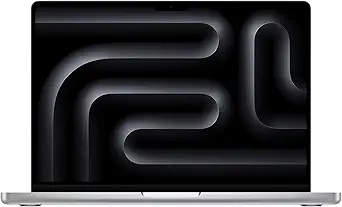


| macbook pro for software development | Processor | Display | Memory | Storage |
|---|---|---|---|---|
| Apple MacBook Pro Laptop with | M5 Max, 18-core CPU | 14.2-inch Liquid Retina XDR | 64GB Unified Memory | 2TB SSD |
| Apple 2026 MacBook Pro Laptop | M5 Pro, 18-core CPU and 20-core GPU | 16.2-inch Liquid Retina XDR | 48GB Unified Memory | 1TB SSD |
| Apple 2025 MacBook Pro Laptop | M5, 10-core CPU and GPU | 14.2-inch Liquid Retina XDR | 16GB Unified Memory | 1TB SSD |
| Apple 2021 MacBook Pro with M1 | M1 Max, 10-core CPU | 14-inch Retina LED | 64GB RAM | 2TB SSD |
| Apple 2026 MacBook Air 15-inch | M5 chip | 15.3-inch Liquid Retina | 16GB Unified Memory | 512GB SSD |
| Apple 2025 MacBook Pro Laptop | Apple M5 chip with 10-core CPU and GPU | 14.2-inch Liquid Retina XDR | 16GB Unified Memory | 1TB SSD |
More Details on Our Top Picks
Apple MacBook Pro Laptop with M5 Max, 18-core CPU, 40-core GPU, 14.2-inch Liquid Retina XDR Display, 64GB RAM, 2TB SSD, Silver
This MacBook Pro stands out for its exceptional processing power thanks to the M5 Max chip, which outperforms the M5 Pro in tasks involving heavy compilation, virtual machines, or AI workloads. Its 40-core GPU accelerates graphics-intensive development, making it ideal for demanding workflows like game engine development or 3D rendering. The stunning 14.2-inch Liquid Retina XDR display offers high brightness and contrast, providing a more comfortable coding environment during long sessions. Compared to the 2025 M5-based models, this variant delivers superior performance but comes at a significantly higher price and weight, limiting portability. The premium build and extensive ports, including HDMI and SDXC, support a wide range of peripherals, reducing reliance on adapters. Tradeoffs include its cost and bulkiness, which may deter those prioritizing portability or budget-conscious buyers.
Pros:- Unmatched processing and GPU power for intensive workloads
- Excellent display with high brightness and contrast
- Robust port selection including HDMI and SDXC
Cons:- High price point may be prohibitive for many users
- Heavy and less portable compared to smaller models
- Limited upgrade options post-purchase
Best for: Professional developers working on resource-heavy applications, 3D modeling, or AI training who need maximum performance.
Not ideal for: Travelers or students needing a lightweight, budget-friendly machine for lightweight coding and portability.
- Processor:M5 Max, 18-core CPU
- GPU:40-core GPU
- Display:14.2-inch Liquid Retina XDR
- Memory:64GB Unified Memory
- Storage:2TB SSD
- Battery Life:All-day
Our verdict“This is the best choice for developers who prioritize raw power and extensive connectivity over portability.”
Apple 2026 MacBook Pro Laptop with M5 Pro Chip, 16.2-inch Liquid Retina XDR Display, 48GB RAM, 1TB SSD, Wi-Fi 7, Space Black
This model makes the most sense for developers who need a larger display for multitasking, code management, and debugging, especially compared to the 2025 M5 MacBook Pro, which has a slightly smaller screen. Its M5 Pro chip balances power and efficiency, handling complex compilation and virtual environments well, though it doesn’t quite match the raw GPU strength of the M5 Max found in the top-tier model. The 48GB RAM allows for heavy multitasking, and Wi-Fi 7 ensures faster network speeds essential for cloud-based development workflows. Its weight at 4.71 pounds indicates it’s less portable than the 15.3-inch Air but still manageable for most workspaces. The inclusion of multiple ports, including SDXC and HDMI, makes peripheral management easier. The main tradeoff is the high cost and weight, which might be less appealing to those who prioritize ultralight setups or budget constraints.
Pros:- Large, vivid 16.2-inch Liquid Retina XDR display
- Powerful M5 Pro chip with AI capabilities
- Excellent connectivity options including Wi-Fi 7 and multiple ports
Cons:- High price may restrict access for some
- Heavy at nearly 4.7 pounds, less portable than smaller models
- Limited information on real-world battery life
Best for: Developers needing a large display, robust multitasking, and excellent connectivity for complex projects.
Not ideal for: Frequent travelers or students seeking a lightweight, budget-friendly device for casual coding.
- Processor:M5 Pro, 18-core CPU and 20-core GPU
- Display:16.2-inch Liquid Retina XDR
- Memory:48GB Unified Memory
- Storage:1TB SSD
- Connectivity:Wi-Fi 7, Thunderbolt 5
- Ports:Three Thunderbolt 5, SDXC, HDMI
Our verdict“Ideal for developers who need a large screen and extensive connectivity for demanding multitasking, despite its weight and cost.”
Apple 2025 MacBook Pro Laptop with M5 Chip, 14.2-inch Liquid Retina XDR Display, 16GB RAM, 1TB SSD, Silver
This 2025 MacBook Pro features a powerful M5 chip with a 10-core CPU and GPU, making it well-suited for typical development tasks, especially when compared to the older M1 Max model, which, while powerful, consumes more power and is heavier. Its 14.2-inch Liquid Retina XDR display offers excellent brightness and contrast for long coding sessions. With 16GB RAM, it strikes a balance between performance and weight, ideal for developers who need a portable yet capable machine. The limited port selection may be a concern for those with complex peripheral needs, but overall, its performance and display quality make it a dependable choice for most development workflows. Tradeoffs involve some compromise on ports and maximum RAM capacity, which could limit certain workflows.
Pros:- High-performance M5 chip with good CPU and GPU power
- Excellent display with high contrast and brightness
- Lightweight and portable for daily use
Cons:- Limited port options for complex setups
- Higher price for the specifications compared to similar models
- Only 16GB RAM may limit heavy multitasking for some users
Best for: Professional developers seeking a powerful yet portable machine for daily coding and testing.
Not ideal for: Developers working on graphics-intensive projects or needing extensive peripheral connectivity.
- Processor:M5, 10-core CPU and GPU
- Display:14.2-inch Liquid Retina XDR
- Memory:16GB Unified Memory
- Storage:1TB SSD
- Battery Life:All-day
- Ports:Three Thunderbolt 4, MagSafe 3, SDXC, HDMI
Our verdict“A balanced choice for developers who want strong performance in a portable form factor for everyday coding tasks.”
Apple 2021 MacBook Pro with M1 Max Chip, 14-inch, 64GB RAM, 2TB SSD, Silver (Renewed)
This renewed 14-inch MacBook Pro with the M1 Max chip remains a compelling option for developers demanding high specs at a reduced cost, especially compared to the latest M5 models. Its 64GB RAM and 2TB SSD ensure smooth multitasking and fast data access for large projects or virtual machine use. The Retina display provides excellent resolution and color fidelity, suitable for detailed UI work or multimedia development. While it’s slightly heavier at 6.9 pounds and may have cosmetic imperfections, the performance remains robust for most professional workloads. The main tradeoff involves the potential variability in battery health and the fact that it’s a renewed product, which may affect longevity. This pick is perfect for power users willing to accept some cosmetic or age-related compromises for significant savings.
Pros:- Exceptional performance with M1 Max and 64GB RAM
- Large 2TB SSD for extensive storage needs
- High-resolution Retina display
Cons:- Renewed product may have cosmetic imperfections
- Heavier and bulkier than newer models
- Battery health may vary, affecting longevity
Best for: Developers needing high-end specs at a lower cost, especially for multitasking and large projects.
Not ideal for: Travelers or those preferring brand-new devices with maximum warranty assurance.
- Processor:M1 Max, 10-core CPU
- GPU:24-core GPU
- Display:14-inch Retina LED
- Memory:64GB RAM
- Storage:2TB SSD
- Weight:6.9 pounds
Our verdict“Best suited for budget-conscious developers requiring serious power and large storage capacity, despite potential cosmetic and longevity concerns.”
Apple 2026 MacBook Air 15-inch Laptop with M5 Chip, 16GB RAM, 512GB SSD, Liquid Retina Display, Touch ID, Wi-Fi 7, Midnight
This 15.3-inch MacBook Air offers a larger display with the M5 chip’s AI-driven performance, which makes it a practical choice for developers who prioritize mobility over raw power—especially when compared to the heavier MacBook Pro options. Its long battery life of up to 18 hours surpasses many professional models, making it ideal for on-the-go coding sessions or remote work. The Liquid Retina display provides vibrant colors and sharp images, enhancing coding and debugging. While it lacks the high-end GPU of the Pro models, it still handles most development environments comfortably. Its weight at just over 3.3 pounds makes it easy to carry, though the slightly larger size can be less convenient for tight spaces. The limited ports might be a hurdle for complex peripheral setups. Tradeoffs involve less GPU power and fewer ports, but the balance favors portability and battery life.
Pros:- Large, vibrant Liquid Retina display
- Up to 18 hours of battery life
- Compact and lightweight for portability
Cons:- Limited to two external displays
- Less powerful GPU compared to Pro models
- Premium price for a mid-tier chip
Best for: Students and mobile developers who need a large screen with long battery life for daily coding and testing.
Not ideal for: Developers working on graphics-intensive projects or needing multiple external displays and extensive peripherals.
- Display:15.3-inch Liquid Retina
- Processor:M5 chip
- Memory:16GB Unified Memory
- Storage:512GB SSD
- Battery Life:Up to 18 hours
- Weight:3.32 pounds
Our verdict“The best choice for developers who value portability and screen size over high-end graphics and extensive ports.”
Apple 2025 MacBook Pro Laptop with M5 Chip, 14.2-inch Liquid Retina XDR Display, 16GB RAM, 1TB SSD, Space Black
This MacBook Pro with the M5 chip’s 10-core CPU and GPU stands out for handling demanding software development tasks while maintaining a sleek form factor. It surpasses the M1 Max-based 2021 model in raw processing speed, making compile times and multitasking smoother. The Liquid Retina XDR display offers remarkable clarity and contrast, perfect for detailed coding and design work. However, compared to the larger M5 Max models, its limited ports might require additional hubs, and its weight can challenge portability during long coding sessions. The all-day battery life ensures extended productivity, but the premium price tag reflects its high-end specs. This pick makes the most sense for developers who want top-tier performance without carrying the bulk of the larger models.
Pros:- Exceptional CPU and GPU performance with the M5 chip for compiling and multitasking
- Stunning Liquid Retina XDR display enhances coding clarity and media work
- All-day battery life supports long work sessions without frequent charging
- Seamless integration within the Apple ecosystem for workflows
Cons:- Premium price point may be a barrier for budget-conscious buyers
- Limited port options require extra hubs or adapters
- Relatively heavy for those prioritizing ultra-portability
Best for: Software developers who need powerful processing in a portable, integrated package
Not ideal for: Developers requiring extensive I/O options or working in environments with strict weight limits, due to its weight and port limitations
- Processor:Apple M5 chip with 10-core CPU and GPU
- Display:14.2-inch Liquid Retina XDR
- Memory:16GB Unified Memory
- Storage:1TB SSD
- Battery Life:All-day
- Ports:Three Thunderbolt 4, MagSafe 3, SDXC card slot, HDMI, headphone jack
Our verdict“This MacBook Pro is ideal for developers who prioritize power and display quality over portability and port variety.”

How We Picked
These products were evaluated based on performance benchmarks relevant to software development, such as CPU and GPU power, RAM capacity, and storage speed. Usability factors like display quality, keyboard comfort, and port selection were critical, as developers need reliable hardware for long coding sessions. Build quality, battery life, and future-proofing—especially with the latest M5 chips and Wi-Fi standards—also influenced rankings. Cost was a consideration, but premium models were favored for their ability to handle demanding tasks over time. Products were compared to identify which best balance raw power, portability, and value for developers at different experience levels.| macbook pro for software development | Processor | Battery Life | Ports |
|---|---|---|---|
| Apple MacBook Pro Laptop with | M5 Max, 18-core CPU | All-day | — |
| Apple 2026 MacBook Pro Laptop | M5 Pro, 18-core CPU and 20-core GPU | — | Three Thunderbolt 5, SDXC, HDMI |
| Apple 2025 MacBook Pro Laptop | M5, 10-core CPU and GPU | All-day | Three Thunderbolt 4, MagSafe 3, SDXC, HDMI |
| Apple 2021 MacBook Pro with M1 | M1 Max, 10-core CPU | — | — |
| Apple 2026 MacBook Air 15-inch | M5 chip | Up to 18 hours | — |
| Apple 2025 MacBook Pro Laptop | Apple M5 chip with 10-core CPU and GPU | All-day | Three Thunderbolt 4, MagSafe 3, SDXC card slot, HDMI, headphone jack |
Factors to Consider When Choosing Macbook Pro For Software Development
Selecting the ideal MacBook Pro for software development requires balancing several key factors beyond raw specifications. Understanding your typical workflow and mobility needs can help determine the right configuration. Display size and quality influence coding comfort and multitasking, while RAM and storage options impact performance and future-proofing. Price and upgradeability are also crucial considerations—spending more upfront can save headaches later. Pay attention to connectivity options like Wi-Fi 7 and ports, which support seamless integration with development tools and peripherals. Finally, consider whether investing in the latest hardware aligns with your long-term development goals and budget constraints.Performance and Processing Power
For software development, CPU and GPU performance directly affect compile times, virtualization, and running resource-intensive IDEs. The M5 Max offers unparalleled power, ideal for heavy-duty tasks, but it comes with a high cost. If your work involves frequent multitasking or complex simulations, prioritizing a higher-tier chip makes sense. Conversely, for lighter coding or web development, a mid-range M5 Pro or M5 chip can provide sufficient speed at a lower price. Matching your workload with the hardware ensures you avoid overpaying or facing sluggish performance during critical tasks.
Display Size and Quality
A larger, high-resolution display improves productivity by giving more space for code, debugging, and testing simultaneously. The 16.2-inch models excel here, but they add weight and reduce portability. Retina XDR displays deliver crisp visuals and accurate color, reducing eye strain during long sessions. Developers working remotely or needing a portable setup might prefer the 14-inch models for their lighter footprint, even if it means sacrificing some screen real estate. Prioritize display size and quality based on how often you’ll be mobile versus working at a dedicated desk.
Memory and Storage Options
More RAM allows for smoother multitasking, virtual machine operation, and handling large codebases. The 64GB configurations are suitable for power users, while 16GB or 48GB strikes a balance for most developers. SSD speed and capacity influence load times and data transfer, especially when working with large files or cloud development environments. Opting for higher specs upfront can prevent bottlenecks down the line, but it also increases initial costs. Consider your typical project size and future needs to choose the right combination of memory and storage.
Connectivity and Ports
The latest Macs include Thunderbolt ports, HDMI, SD card slots, and MagSafe charging, which are vital for connecting peripherals, external displays, and storage devices. Wi-Fi 7 support ensures faster, more stable internet—crucial for cloud-based development and collaboration. Some older or refurbished models may lack the newest ports or Wi-Fi standards, limiting expandability and speed. Think about your peripheral setup and whether you need multiple external displays or specialized hardware, as this can significantly influence which model best suits your workflow.
Budget and Future-Proofing
Investing in the latest M5 chips and hardware features increases longevity, but it also raises the entry price. Cheaper, older models or refurbished units can offer significant savings, yet may lack features like Wi-Fi 7 or the newest ports, potentially requiring future upgrades. Consider your planned lifespan for the device and whether you prefer to pay more now for a machine that remains capable longer. Sometimes, spending a bit more on a high-spec model ensures your investment stays relevant for years, especially if your development work demands the latest hardware.
Frequently Asked Questions
Is it worth buying a MacBook Pro with the latest M5 chip for software development?
Absolutely, investing in the latest M5 chip generally means better performance, improved power efficiency, and longer software support. For demanding tasks like virtualization, compiling large projects, or running multiple IDEs simultaneously, the newest hardware enhances productivity and reduces frustration. While the upfront cost is higher, the longevity and future-proofing make it a worthwhile choice for serious developers who want a reliable machine that stays current for years.
Should I prioritize display size over portability for my development work?
It depends on your typical work environment and mobility needs. A larger display, such as the 16.2-inch model, provides more workspace, which can boost productivity during long coding sessions. However, it also adds weight and bulk, making it less convenient for frequent travel. If you mostly work from a fixed location, prioritizing a bigger screen makes sense. Conversely, if portability is critical—say, commuting or working remotely—then a smaller, lighter model might serve you better, even if it offers slightly less screen real estate.
Can older MacBook Pro models still meet the needs of modern software development?
Older models, like the 2021 MacBook Pro with M1 Max, still offer solid performance for many development tasks. They can handle coding, testing, and even some virtualization, but lack the latest features such as Wi-Fi 7, the newest ports, and improvements in CPU efficiency. Over time, software updates may also favor newer hardware. If budget constraints are a priority, a recent refurbished or used model can suffice, but for long-term use and maximum compatibility, investing in the latest hardware is generally more future-proof.
What is the most important feature to consider for a development-focused MacBook Pro?
The most critical feature for software development is the processor performance, particularly the CPU and RAM capacity. These determine how smoothly your IDE runs, how fast code compiles, and how well the machine handles multitasking and virtualization. Display quality and size are also vital for reducing eye strain and increasing productivity during long hours of coding. Balancing these aspects based on your project complexity and mobility needs will help ensure you select a MacBook Pro that supports your workflow effectively.
Is it better to buy a new or refurbished MacBook Pro for development?
Refurbished MacBook Pros can provide significant savings and still deliver high performance, especially if purchased from reputable sources with warranty options. They are often recent models that have been restored to factory standards, making them a cost-effective choice for many developers. However, buying new ensures you get the latest hardware, software support, and potentially longer lifespan. Your decision should depend on your budget, how long you plan to keep the device, and whether having the latest features is a priority for your development needs.


