Amphibians, like frogs and salamanders, are declining rapidly worldwide due to threats such as habitat loss and diseases, particularly chytridiomycosis caused by chytrid fungus. Habitat destruction from urban development and agriculture disrupts their ecosystems, while disease outbreaks lead to severe population declines. These factors together jeopardize their essential roles in maintaining ecological balance. If you’re curious about the specific impacts and ways to help, there’s much more to explore on this critical conservation issue.
Key Takeaways
- Amphibians are crucial for ecosystems, serving as both predators and prey, but are facing alarming population declines globally.
- Major threats to amphibians include habitat loss from urban development and agriculture, leading to decreased shelter and breeding grounds.
- Chytridiomycosis, caused by the chytrid fungus, disrupts amphibians’ skin functions, leading to respiratory and hydration issues.
- The combination of disease and habitat destruction significantly accelerates the decline of amphibian populations worldwide.
- Conservation efforts such as habitat preservation, raising awareness, and supporting research are essential to mitigate these threats.
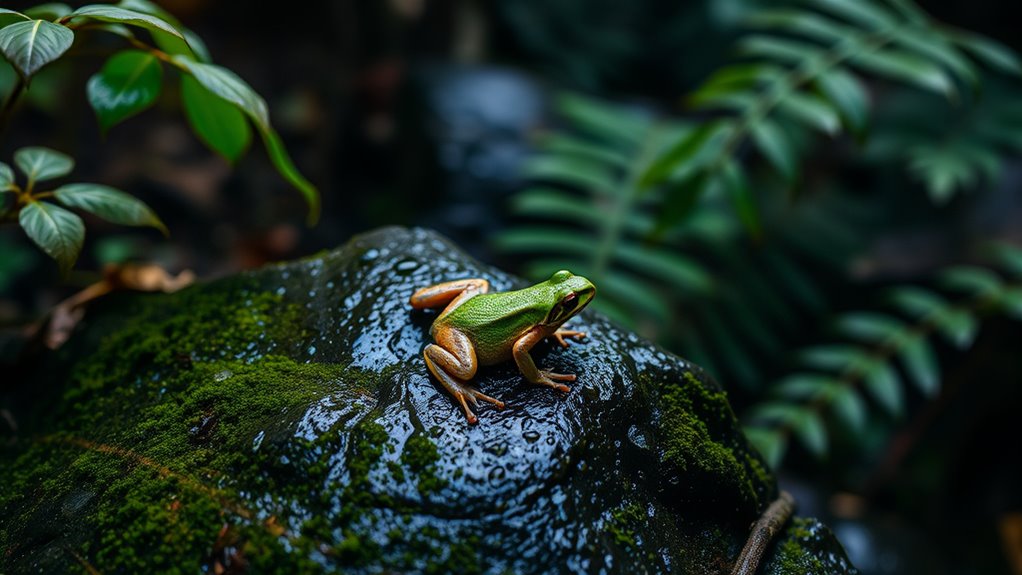
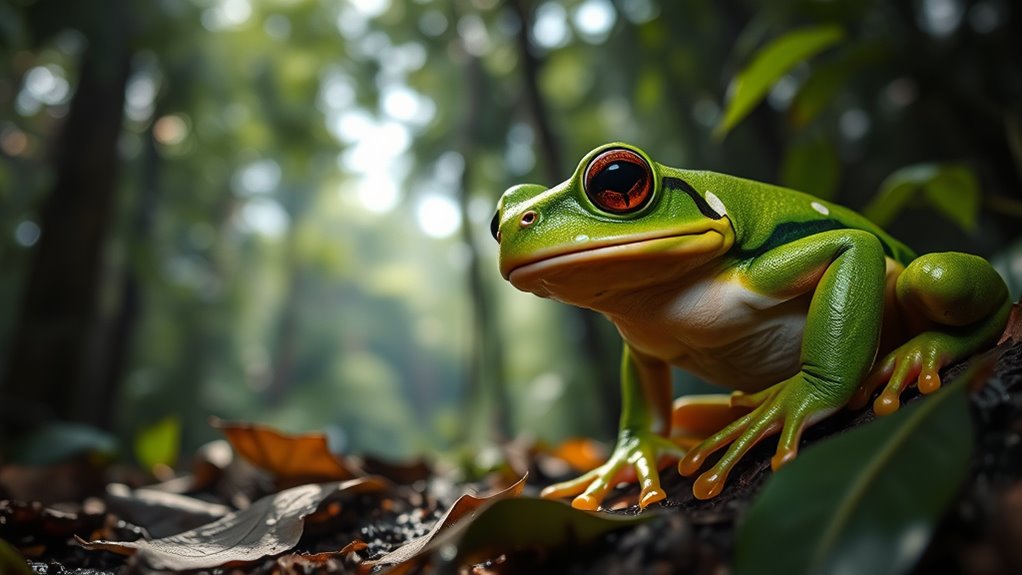
As you explore the world of amphibians, you might be surprised to learn that these fascinating creatures are facing alarming declines globally. Amphibians, including frogs, toads, and salamanders, play essential roles in their ecosystems, acting as both predators and prey. However, their populations are plummeting, primarily due to two major threats: habitat loss and disease, particularly chytridiomycosis caused by the chytrid fungus.
Habitat loss is one of the leading causes of amphibian decline. As urban development expands and agriculture intensifies, natural habitats are being destroyed or fragmented. When you visit wetlands or forests, think about how these areas provide necessary breeding grounds and shelter for amphibians. Deforestation and pollution not only reduce available habitats but also alter the environmental conditions necessary for their survival. Without these ecosystems, many amphibian species struggle to find the resources they need to thrive.
On top of habitat loss, the chytrid fungus presents a grave threat. This pathogen spreads rapidly through water sources, making it easy for amphibians to contract it. The fungus transmission occurs when infected amphibians shed spores into their environment, infecting both local populations and newcomers. Once a population is exposed, the effects can be devastating. The fungal infection disrupts their skin functions, which are essential for respiration and hydration. As a result, many species face severe declines, and some have even gone extinct.
You might be wondering what you can do to help. Raising awareness about these issues is essential. By sharing information on social media or speaking to friends and family, you can help educate others about the importance of amphibians and the threats they face. Supporting conservation efforts and organizations dedicated to preserving habitats can also make a difference. Every little effort counts, whether it’s volunteering for clean-up initiatives or donating to research on amphibian diseases.
Frequently Asked Questions
What Are the Signs of Chytrid Fungus Infection in Amphibians?
You can spot signs of chytrid fungus infection in amphibians through careful symptom identification. Look for lethargy, abnormal skin shedding, and skin discoloration, like a rough or peeling texture. Early detection is vital, so observe changes in behavior or appetite. Additionally, watch for excessive mucus production or swollen limbs, as these can indicate health issues. If you notice any of these symptoms, it’s essential to seek advice from a wildlife expert.
How Can I Help Conserve Amphibian Populations?
You can help conserve amphibian populations by participating in habitat restoration projects in your area. Plant native vegetation and remove invasive species to create a healthy environment for them. Get involved in citizen science initiatives to monitor amphibian populations and report your findings. Your observations can provide valuable data to researchers. Educating others about the importance of amphibians and their habitats also goes a long way in fostering appreciation and support for conservation efforts.
Are Certain Amphibian Species More Resistant to Chytrid Fungus?
Some amphibian species do show greater resistance to chytrid fungus, with studies indicating that around 30% of certain populations may survive infections. This resistance often stems from genetic variability, allowing them to adapt better to threats. For instance, species like the African clawed frog exhibit traits that help them combat the fungus. By focusing on preserving these resilient species, you can contribute to the overall health of amphibian populations and biodiversity.
What Role Do Amphibians Play in Their Ecosystems?
Amphibians play a pivotal role in maintaining ecosystem balance. They act as both predators and prey, influencing predator-prey dynamics. By controlling insect populations, they help prevent overpopulation and the spread of diseases. In turn, amphibians serve as food for birds, mammals, and reptiles, supporting higher trophic levels. Their presence indicates a healthy environment, reflecting the overall well-being of their ecosystems. So, protecting them is essential for sustaining biodiversity and ecological stability.
How Does Climate Change Affect Amphibian Health?
Climate change creates chaotic consequences for amphibians’ health. As temperatures rise and climate variability increases, their habitats undergo significant alteration, making it tough for them to thrive. You’ll notice that wetter areas might become drier, while others flood unexpectedly, disrupting their delicate ecosystems. This fluctuation can lead to stress, weakened immune systems, and increased vulnerability to diseases. You can see how these transformations threaten amphibian populations and the overall balance of their environments.
Conclusion
In summary, amphibian declines are a pressing global issue, driven largely by the chytrid fungus but also influenced by habitat loss and climate change. Take the golden toad of Costa Rica as an example; it vanished from the wild in the 1980s, largely due to these factors. This highlights the urgent need for conservation efforts. By protecting habitats and addressing disease, we can help guarantee that amphibians thrive for generations to come.