Creating a bee-friendly backyard makes a huge difference by planting native, flowering plants that bloom at different times, providing continuous nectar and pollen. Avoid pesticides, and use organic methods to protect pollinators. Composting enriches your soil naturally, encouraging healthier plants that attract more bees. This combined approach helps restore local ecosystems, turning your yard into a safe haven for wildlife. To discover more simple actions you can take, keep exploring how you can make your neighborhood a thriving pollinator corridor.

Get pet supplies delivered free with Prime
- Fast, free delivery on millions of items
- Prime Video, Amazon Music and more included
- Member-only deals all year
Key Takeaways
- Plant native, blooming flowers year-round to provide continuous nectar and pollen for local pollinators.
- Avoid pesticides, opting for organic gardening to protect bees and beneficial insects.
- Implement composting to enrich soil, promoting healthy plants that attract more pollinators.
- Creating a diverse, pesticide-free habitat transforms neighborhoods into thriving pollinator corridors.
- Small sustainable actions support biodiversity, restoring ecosystems and safeguarding wildlife in the community.
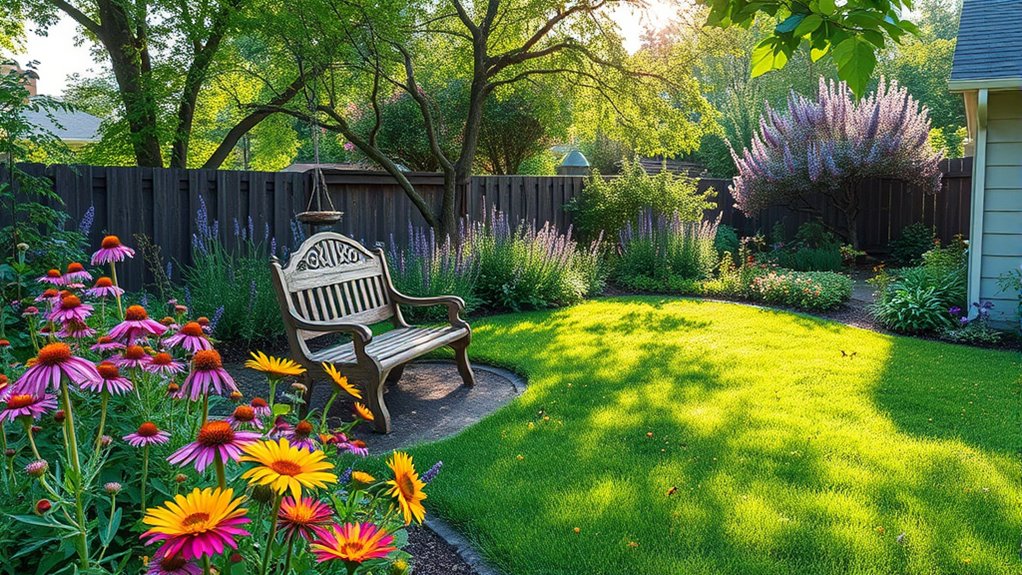
Creating a bee-friendly backyard is one of the best ways to support pollinator populations and promote a healthier ecosystem. By planting the right pollinator plants, you not only attract bees but also provide essential food sources for a variety of pollinators. Choose a mix of native flowers that bloom at different times of the year to guarantee a continuous supply of nectar and pollen. Bright, tubular flowers like coneflowers, bee balm, and asters work well because they’re easily accessible to bees. Avoid pesticides and chemicals that can harm these indispensable insects, and instead opt for organic gardening practices. When you create a vibrant, diverse landscape with pollinator plants, you encourage bees to thrive right in your backyard.
In addition to planting, backyard composting plays a fundamental role in supporting a bee-friendly environment. Composting reduces waste and creates rich, nutritious soil, which helps your plants grow strong and healthy. A healthy garden with robust plants offers more nectar and pollen, making your backyard an even more inviting haven for pollinators. Plus, composting minimizes the need for chemical fertilizers, further protecting bees from harmful substances. It’s simple to start — just set up a compost bin or pile, and add kitchen scraps like fruit and vegetable peels, coffee grounds, and yard waste. Turning organic waste into compost not only benefits your garden but also contributes to a sustainable environment, reinforcing your commitment to supporting pollinators.
By combining strategic planting with backyard composting, you create an ecosystem that sustains and attracts bees naturally. Your pollinator plants become a indispensable food source, supporting their health and reproductive success. Meanwhile, composting enriches your soil, making it easier for your plants to flourish. As your backyard becomes more inviting to bees, you’ll notice an increase in pollination activity around your garden, which benefits all your plants and even neighboring landscapes. This interconnected approach fosters a balanced environment where wildlife, including bees and other pollinators, can coexist and thrive.
Over time, your efforts can transform your neighborhood into a thriving pollinator corridor, supporting not just bees but other beneficial insects and wildlife as well. Your small actions ripple outward, helping to restore local ecosystems and promote biodiversity. Creating a bee-friendly backyard requires intentional choices, but the impact is profound. By planting pollinator-friendly flora and practicing backyard composting, you’re actively contributing to the health of your environment, turning your yard into a safe haven that saves and sustains wildlife.
native flowering plants for bees
As an affiliate, we earn on qualifying purchases.
As an affiliate, we earn on qualifying purchases.
Frequently Asked Questions
How Do Bees Communicate Within a Backyard Environment?
You might wonder how bees communicate within a backyard. They use bee communication methods like the waggle dance to share information about pollination techniques, such as the location of flowering plants. When a bee finds a good nectar source, it performs this dance to inform others. By understanding these methods, you can create a bee-friendly environment that encourages healthy pollination and supports local wildlife.
What Are the Best Plants to Attract Native Bees?
When it comes to attracting native bees, you’ve got to get your hands dirty with some pollinator-friendly landscaping. Native plant selection is key—think goldenrod, coneflowers, and milkweed, which provide essential nectar and pollen. These plants draw in bees naturally, making your backyard a hub for pollination. By planting wisely, you’re killing two birds with one stone: supporting local wildlife and creating a vibrant, buzzing oasis that everyone can enjoy.
How Can I Prevent Bee Stings in My Backyard?
To prevent bee stings in your backyard, keep your distance from active hives and avoid sudden movements. Honey bee domestication means they’re generally gentle, but hive maintenance can stir them up, so handle hives carefully and wear protective gear. Educate family members about bee behavior, and plant bee-friendly flowers to keep bees busy. Respect their space, and you’ll enjoy a safe, thriving backyard environment.
Are There Specific Tools to Monitor Bee Health?
Think of monitoring bee health like using a stethoscope to listen to a heartbeat. You can use hive monitoring tools to keep track of hive temperature, humidity, and activity levels, helping you detect issues early. These tools also help assess the pesticide impact on bees, ensuring they stay healthy. By regularly checking your hive, you catch problems before they become serious, giving your neighborhood bees a better chance to thrive.
Can a Small Backyard Truly Support a Diverse Bee Population?
Yes, your small backyard can support a diverse bee population with urban gardening and pesticide alternatives. By planting native flowers, creating bee habitats, and avoiding harmful chemicals, you provide essential resources. Even limited space matters, as it offers nectar, pollen, and shelter. Your efforts help sustain local bees, promoting biodiversity and helping their populations thrive amidst urban environments. Every small step counts toward building a healthy, bee-friendly space.
Conclusion
By transforming your backyard into a haven for bees, you’re planting more than flowers—you’re sowing hope. With each bloom, you invite life to flourish, turning your space into a vibrant sanctuary. Remember, a small change can ripple outward, creating a wave of wildlife revival. So, why not step outside today? Embrace your role as a guardian of nature’s delicate dance, and watch your backyard become a beacon of life, energy, and renewal.
Halloween Picks
halloween
As an affiliate, we earn on qualifying purchases.