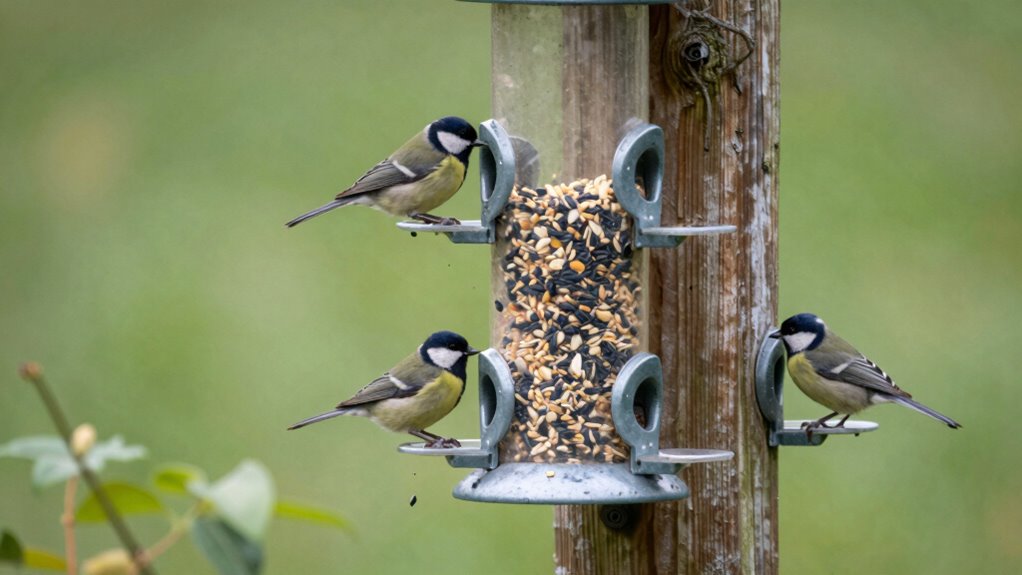
To prevent disease spread with smart bird feeders, focus on proper hygiene, durable materials, and responsible feeding habits. Clean your feeders regularly with warm water and avoid harsh chemicals. Choose feeders made from weather-resistant, easy-to-clean materials with features like drainage to reduce moisture. Use fresh, uncontaminated seed and monitor for signs of illness. Incorporating sensors and alerts helps maintain a healthy environment. Keep learning how to safely feed wild birds without risking their health by exploring these tips further.
Key Takeaways
- Regularly clean and disinfect feeders using warm water and safe techniques to prevent pathogen buildup.
- Use durable, easy-to-clean feeders with smooth surfaces and removable parts for thorough sanitation.
- Incorporate water quality practices and avoid leftover chemicals to reduce waterborne and cross-species diseases.
- Monitor seed quality, store properly, and avoid moldy or spoiled food to prevent bacterial and fungal infections.
- Observe birds for signs of illness, and promptly remove sick individuals to prevent disease spread within flocks.
How Diseases Spread Among Wild Birds
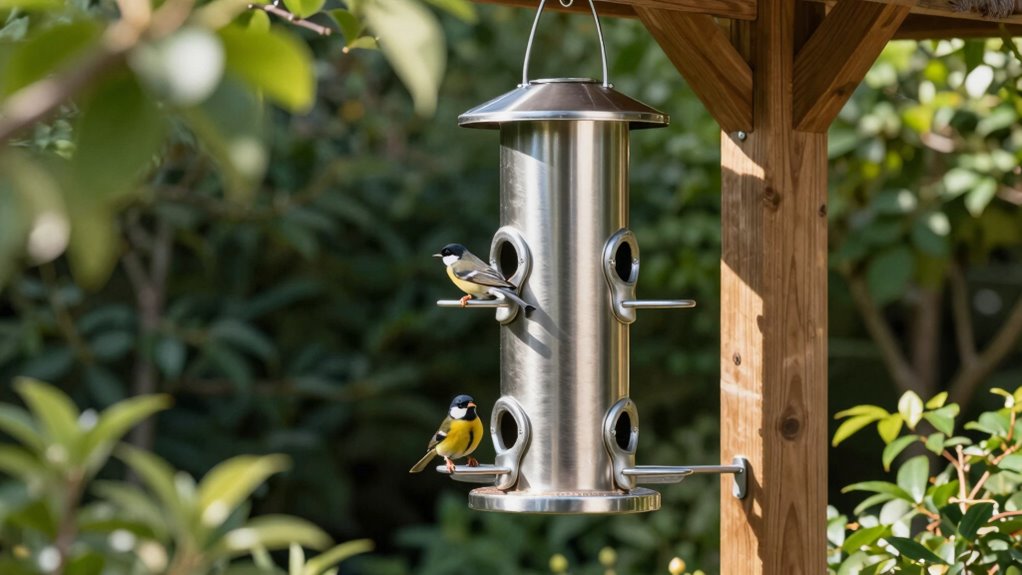
Wild birds often come into close contact at feeders, which can facilitate the spread of diseases. When birds gather for food, pathogens like bacteria and viruses can transfer easily from bird to bird. During bird migration, large flocks travel across regions, increasing the chance of disease transmission, especially if some birds are carrying illnesses. Predator threats also influence bird behavior, sometimes causing stress that weakens their immune systems and makes them more susceptible to disease. Poor hygiene at feeders, such as moldy seed or unclean surfaces, further exacerbates health risks. The combination of crowded feeding sites, migratory patterns, and predator pressures creates a perfect storm for disease spread among wild bird populations. Being aware of these factors helps you reduce health risks for the birds you feed.
What Features Make Bird Feeders Safer for Birds
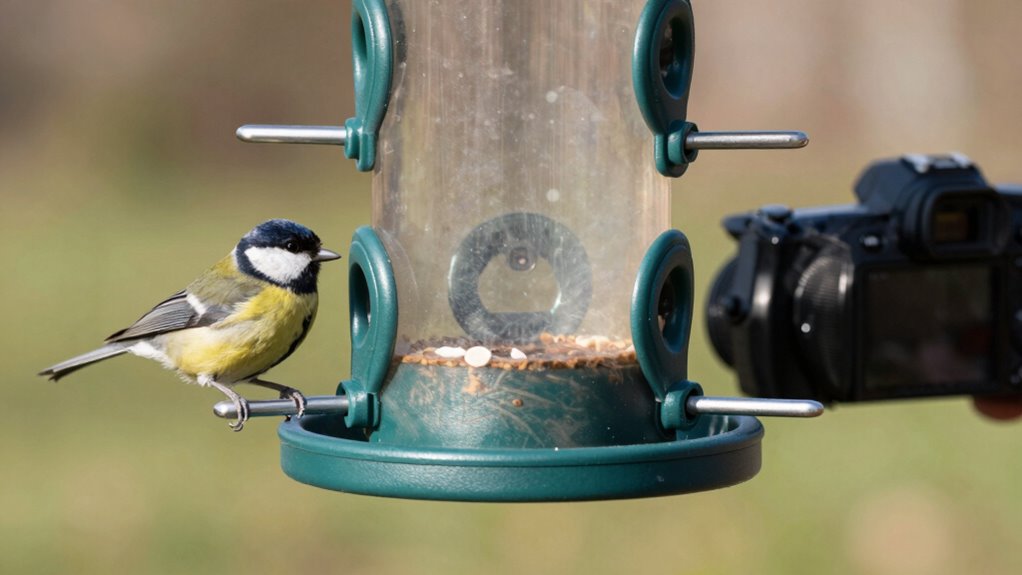
Choosing bird feeders made from durable, easy-to-clean materials helps keep birds safe and healthy. A well-designed feeder minimizes waste, so leftover seed doesn’t rot or attract pests. Focusing on these features can make your feeder safer for the birds you want to attract. Incorporating Free Floating designs can also help prevent the spread of disease by allowing better airflow and easier cleaning. Additionally, selecting feeders with appropriate drainage can help reduce excess moisture that fosters mold and bacteria growth. Proper hygiene practices are also essential to maintaining a healthy environment for visiting birds. Using high-quality materials further reduces the risk of bacteria buildup and ensures longevity of the feeder. Following routine cleaning schedules is crucial to prevent the buildup of germs and keep the feeding area safe.
Material Durability and Cleanability
When selecting a bird feeder, it’s vital to take into account the materials used because durability and cleanability directly impact bird safety. A long-lasting material ensures the feeder resists weather and wear, reducing the need for frequent replacements. Proper cleanability minimizes harmful bacteria buildup, making maintenance easier and safer for birds. Consider these features:
- Choose feeders made of stainless steel or high-quality plastic, which have a longer material lifespan.
- Opt for designs with smooth surfaces and removable parts to simplify cleaning and reduce bacteria retention.
- Regularly clean your feeder, especially if it’s made from less durable materials, to prevent disease transmission.
- Incorporating material durability and cleanability into your selection process helps ensure your feeder remains safe and effective over time. Prioritizing these features helps you create a safer environment, reducing disease spread and protecting your feathered friends. Additionally, selecting materials that are resistant to weathering and corrosion can further extend the life of your feeder and maintain its safety for birds. Choosing materials with antimicrobial properties can provide an extra layer of protection for your backyard avian visitors. Using microbial growth resistance in your material choice can also help prevent the spread of avian diseases.
Design to Minimize Waste
Selecting a bird feeder that minimizes waste helps protect birds from potential hazards and reduces unnecessary mess. To achieve this, focus on features that control how bird seed is dispensed and where you place your feeder. Proper bird seed selection, such as choosing high-quality, appropriate-sized seeds, reduces spillage. Consider feeders with perches or trays that limit seed overflow. Placement is equally important—situate feeders away from dense foliage and on stable surfaces to prevent seed scatter. Here’s a visual to guide you:
| Feature | Benefit | Placement Tips |
|---|---|---|
| Seed ports with perches | Minimize seed spillage | Hang feeders at eye level |
| Secure lids or covers | Keep seed dry and contained | Avoid placing near trees |
| Narrow feeding openings | Limit excess seed dispersion | Place in open, safe areas |
| Elevated positions | Reduce ground waste | Keep away from debris |
Additionally, selecting feeders made from durable, non-toxic materials can further ensure safety and longevity. Using waste-reducing designs can also help decrease seed loss and prevent waste buildup. Incorporating innovative manufacturing practices can enhance the sustainability and safety of bird feeders, aligning with environmentally friendly principles. Proper cleaning and maintenance routines ensure ongoing hygiene and reduce disease transmission among wild birds.
How to Clean and Maintain Bird Feeders Properly
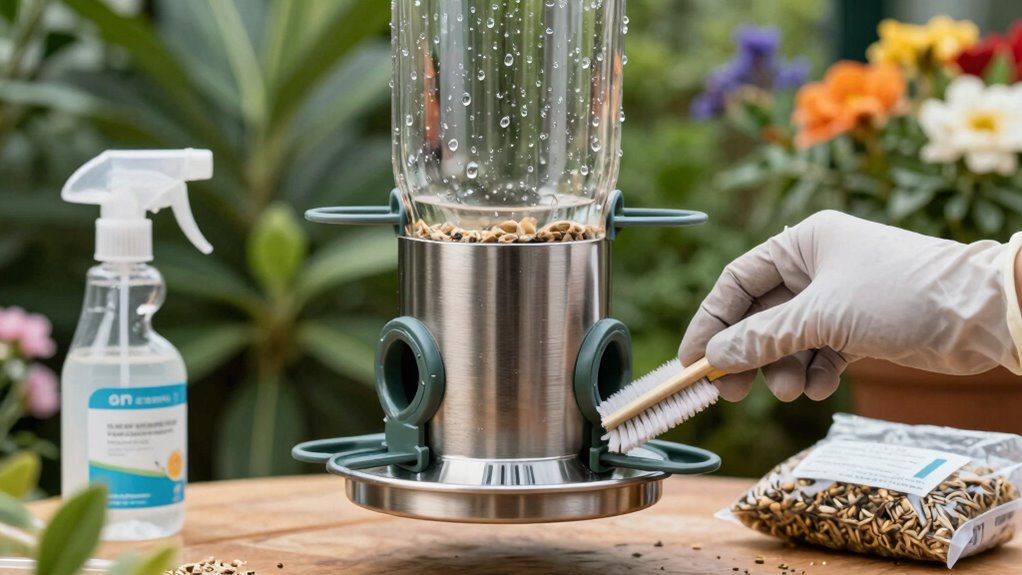
Keeping your bird feeders clean is essential for bird health, so make sure to follow regular cleaning routines. Use a proper disinfectant to eliminate germs without harming the birds. Consistent maintenance helps prevent disease and keeps your feathered visitors safe. Additionally, choosing safe cleaning techniques ensures that your routine supports the well-being of visiting birds while maintaining a hygienic environment. Regularly inspecting and maintaining your feeders can further reduce the risk of contamination and ensure they remain safe for birds to visit. Understanding water quality and its impact on bird health can also help you implement better water management practices, which parallels maintaining clean feeders to prevent the spread of waterborne pathogens among birds. Proper water management and cleanliness are critical for disease prevention in bird populations.
Regular Cleaning Procedures
Regular cleaning of your bird feeders is essential to prevent the spread of disease and keep visiting birds healthy. To do this effectively, follow these steps:
- Schedule seasonal cleaning to remove built-up mold, mold spores, and debris that can harm birds. Incorporating proper maintenance practices can further enhance the longevity and safety of your feeders.
- During cleaning, inspect your equipment for damage or wear, ensuring feeders are safe and functional.
- Use warm water and a brush to scrub all surfaces thoroughly, avoiding harsh chemicals that can leave harmful residues.
- Incorporating sustainable materials into your feeders can help reduce environmental impact and support healthier ecosystems.
Proper Disinfectant Use
To effectively disinfect your bird feeders, it’s important to choose the right disinfectant and use it properly. Understanding disinfectant chemistry helps you select solutions that effectively kill bacteria and fungi without harming birds. Look for products with proven sanitizer effectiveness, especially those labeled for bird or food-safe use. Always follow the manufacturer’s instructions for dilution and contact time to ensure maximum effectiveness. Rinse feeders thoroughly after disinfecting to remove any residue, as leftover chemicals can be harmful. Regular cleaning with an appropriate disinfectant minimizes the risk of disease transmission. Proper disinfectant use not only keeps feeders sanitary but also promotes healthier bird populations. Additionally, understanding how to disinfectant effectiveness help prevent the spread of avian diseases. Maintaining proper cleaning protocols ensures that your bird feeders remain safe and hygienic for visiting birds. Using disinfectants that are compatible with indoor air quality standards can reduce the risk of chemical exposure for both birds and humans.
Which Bird Foods Minimize Contamination Risks

Choosing bird foods that minimize contamination risks is essential for maintaining a healthy feeding environment. Fresh, high-quality options help prevent mold and bacteria from spreading among your feathered visitors. To reduce health issues, focus on these three:
- Use dried, uncontaminated bird seed that’s stored properly, avoiding mold and pests.
- Offer fruit options like apples or berries, which are less likely to harbor bacteria if fresh and washed.
- Avoid overly processed or moist foods that can spoil quickly and promote mold growth.
Practical Tips for Responsible Bird Feeding
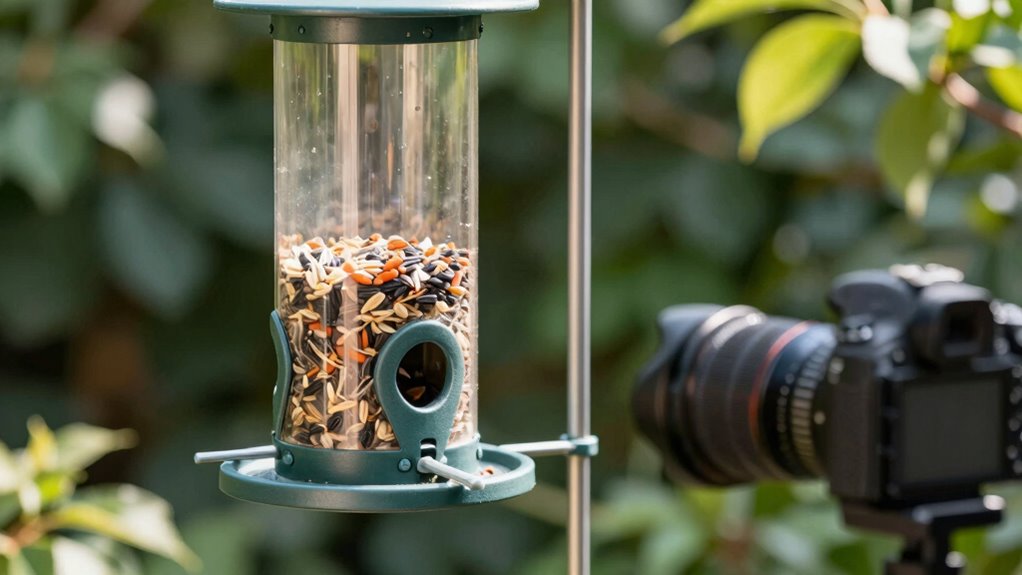
Maintaining a healthy feeding environment starts with practicing responsible bird feeding. To support bird migration and nest protection, place feeders in locations that minimize disturbance and avoid overcrowding. Clean your feeders regularly to prevent disease spread and remove old seed or debris. Use appropriate feeders that discourage larger pests and protect vulnerable nests nearby. Limit feeding times to avoid dependency and encourage natural foraging behaviors. Keep your yard clutter-free to reduce hiding spots for pests and predators. During migration seasons, pause feeding if you notice signs of disease or bird distress. Remember, responsible feeding not only benefits the birds but also helps prevent the spread of illness. Your attentive care supports healthy bird populations and preserves their natural behaviors during critical life stages.
How Smart Technology Helps Prevent Bird Diseases
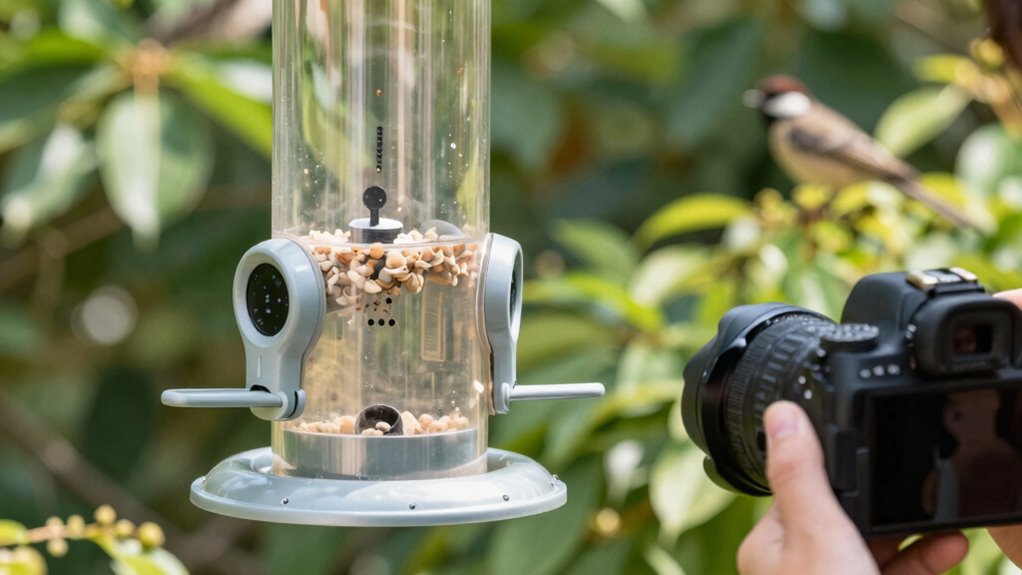
Smart technology is revolutionizing how bird enthusiasts prevent the spread of diseases at feeders. With sensor integration, your smart feeder detects bird activity and monitors seed levels, reducing the risk of mold and contamination. App alerts notify you immediately if contamination is detected or if cleaning is needed, giving you peace of mind. Here are three ways this technology makes a difference:
Smart feeders use sensors and app alerts to prevent mold, contamination, and promote healthy birdwatching.
- Real-time monitoring helps you respond quickly to potential health hazards.
- Automatic alerts prevent you from neglecting essential cleaning routines.
- Data tracking allows you to identify patterns, such as overcrowding or food spoilage, before problems arise.
Common Mistakes to Avoid When Feeding Birds
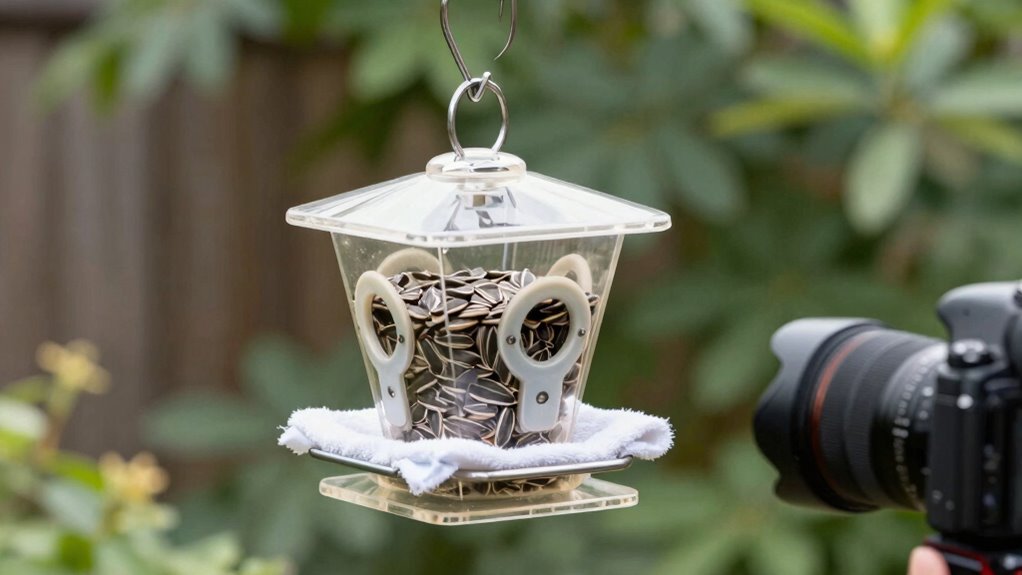
While feeding birds can be a rewarding experience, many enthusiasts make simple mistakes that can harm the birds or reduce their chances of visiting. One common mistake is overfeeding or underfeeding, which affects feeding frequency. Too much food can lead to spoiled seed and attract pests, while too little may discourage birds from returning. It’s important to establish a consistent feeding schedule that matches the needs of local bird species. Another mistake is poor seed selection. Using low-quality or incorrect seed types can harm birds or make the feeder less attractive. Always choose fresh, appropriate seed for the species you want to attract. Avoid filling your feeder excessively at once, and clean it regularly to prevent disease. These small adjustments make a big difference in maintaining healthy, happy birds.
How to Recognize Signs of Sick Birds and Keep Them Healthy

Feeding birds responsibly also means paying attention to their health. By observing signs of illness, you can prevent the spread of disease and protect your feathered visitors. Regular bird health monitoring helps you catch problems early. Watch for:
- Unusual behavior, like lethargy or lack of fear, which signals possible illness.
- Visible signs of distress, such as ruffled feathers or drooping wings.
- Physical symptoms like discharge from the eyes or beak, or abnormal droppings.
If you notice any of these signs, remove the sick bird from your feeders to prevent disease spread. Keep your feeding area clean and provide fresh water. Staying alert and attentive guarantees you keep your birds healthy and safe.
Frequently Asked Questions
What Are the Most Effective Ways to Attract Specific Bird Species?
To attract specific bird species, focus on native plants and seasonal migrations. Use feeders with food suited for your target species, like sunflower seeds for finches or suet for woodpeckers. Place feeders in sheltered, quiet spots and keep them clean to encourage visits. Adjust your offerings with the seasons, providing nectar for hummingbirds or berries during migrations, ensuring you support and attract your desired native species effectively.
How Does Climate Influence Bird Disease Transmission at Feeders?
Climate impacts disease transmission at feeders through temperature fluctuations and humidity levels. When temperatures rise or fall rapidly, it stresses birds, weakening their immune systems and making infections more likely. High humidity creates damp conditions that promote mold and bacteria growth on feeders, increasing disease risk. To reduce this, clean your feeders regularly, guarantee proper ventilation, and avoid feeding during extreme weather to keep birds healthy and safe.
Can Using Natural or Organic Bird Food Reduce Disease Risks?
Did you know that feeding birds organic options can lower disease transmission by reducing exposure to artificial chemicals? Using natural remedies, like plain seeds and organic mixes, helps prevent the spread of germs compared to processed foods. Organic food encourages healthier immune systems in birds, decreasing their vulnerability. So, choosing natural or organic bird food not only benefits their health but also minimizes disease risks, creating a safer environment at your feeder.
Are There Specific Bird Feeder Placements That Minimize Disease Spread?
You should place feeders in open, sunny areas with good airflow to minimize disease spread. Keep them away from dense shrubs and crowded spots, which can harbor germs. Regularly clean and disinfect your feeder to prevent contamination. Proper feeder placement and consistent maintenance are key for disease prevention, helping keep birds healthy and encouraging safe, ongoing visits. Always monitor for signs of illness and adjust your feeder location if needed.
How Does Bird Diversity at Feeders Impact Disease Transmission?
Higher species diversity at your feeders actually reduces disease risk. When multiple bird species visit, it lowers the chance of pathogen buildup from a single species, which often carries specific diseases. Diverse bird populations promote healthy interactions, decreasing the likelihood of disease transmission. So, by encouraging a variety of species, you help maintain a healthier environment for all your feathered visitors.
Conclusion
By following these tips, you can enjoy birdwatching without risking their health. But beware—small mistakes can have big consequences. Are you prepared to spot signs of illness or prevent outbreaks before they spread? The right choices and vigilant care could make all the difference. Stay alert, stay responsible, and your feathered friends will thank you. Ready to become a true bird guardian? The secret to healthier birds might be closer than you think.