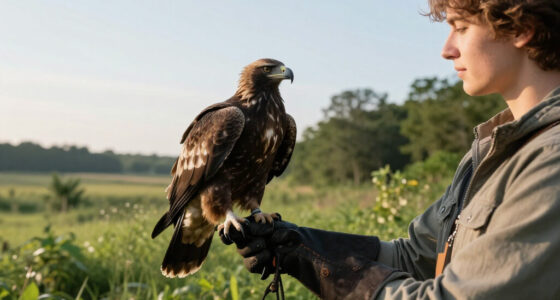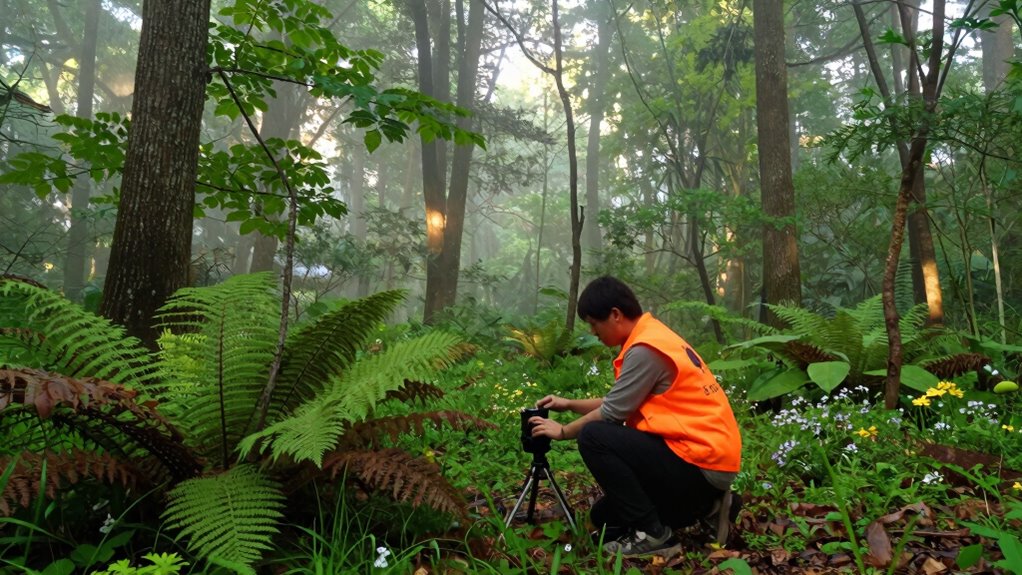

Citizen science helps you track wildlife change by engaging everyday people in collecting valuable data on animals’ behaviors, migrations, and responses to urban stressors like noise and pollution. Your observations, photos, and notes contribute to large datasets that scientists analyze for patterns and shifts. By following standardized protocols, your efforts guarantee accurate information that improves our understanding of how wildlife adapts to changing environments. If you explore further, you’ll discover even more ways this community effort enhances conservation.

Get pet supplies delivered free — and shop member deals
- Fast, free delivery on millions of items
- Access to Prime Big Deal Days deals on October 6–7
- Prime Video, Amazon Music and more included
Key Takeaways
- Citizen science gathers large, diverse datasets on wildlife behavior and migration patterns across urban environments.
- Volunteers follow standardized protocols to ensure accurate and reliable data collection.
- Real-time observations help identify localized and regional wildlife responses to environmental changes.
- Public participation raises awareness and encourages practices that support urban biodiversity.
- Citizen-generated data complements traditional research, filling gaps and enabling timely insights into wildlife adaptation.
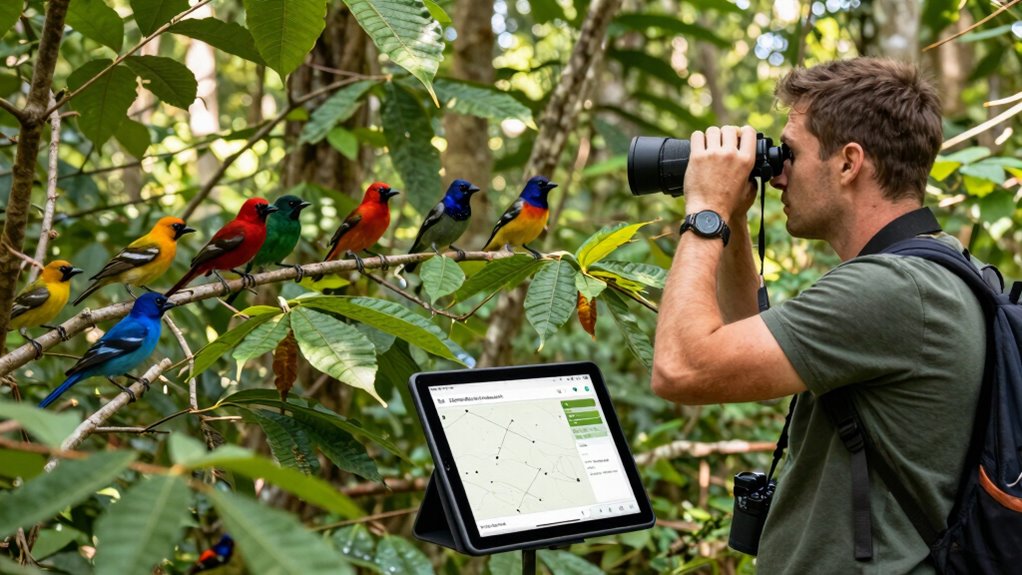
Citizen science has become a powerful tool for tracking wildlife change, engaging everyday people in scientific discovery. As a participant, you play a pivotal role in observing and recording local wildlife, which helps scientists understand how species adapt to urban environments. Urban adaptation is a significant focus in citizen science projects because cities are rapidly expanding, and wildlife must adjust to new challenges like noise, pollution, and altered habitats. Your observations can reveal how animals, such as birds, insects, and mammals, modify their behaviors or migrate to find suitable conditions within urban spaces. These insights are essential for developing conservation strategies tailored to changing landscapes.
One of the main benefits of citizen science is its ability to gather large amounts of data across diverse locations. When you contribute your sightings, you’re helping create a more detailed picture of wildlife trends than scientists could achieve alone. However, the success of these projects depends heavily on data accuracy. As a volunteer, you need to follow specific protocols to guarantee your observations are reliable. This might involve learning how to identify species correctly or documenting your findings with photographs or detailed notes. Training materials and smartphone apps often guide you through these processes, making it easier to record consistent, high-quality data. When everyone adheres to standardized methods, the collective dataset becomes more trustworthy, allowing scientists to detect genuine patterns rather than anomalies caused by inconsistent reporting. Consistent data collection is crucial for accurate analysis.
Consistent, accurate data collection by volunteers enhances scientific understanding of urban wildlife trends.
Your involvement also contributes to understanding how animals adapt their behaviors in response to urban stressors. For instance, if you notice certain bird species singing at different times or insects appearing earlier in the season, these changes may signal how wildlife responds to shifting temperatures or human activity. Because citizen scientists are spread across cities and neighborhoods, your observations help identify localized trends and broader regional shifts. This grassroots data collection complements traditional research methods, filling gaps where professional surveys might be limited by resources or accessibility. Additionally, citizen science projects often utilize real-time data collection to provide immediate insights into wildlife changes.
Furthermore, citizen science fosters a sense of stewardship and awareness about urban ecosystems. When you actively participate, you become more conscious of the delicate balance between human development and wildlife survival. Your contributions not only aid scientific research but also encourage communities to implement more wildlife-friendly practices. As cities continue to grow, your role in monitoring wildlife adaptation becomes increasingly important. You help bridge the gap between science and everyday life, ensuring that urban environments remain vibrant and resilient for both people and wildlife alike. Recognizing the importance of public engagement can motivate more individuals to get involved and make a difference.
As an affiliate, we earn on qualifying purchases.
Frequently Asked Questions
How Do Volunteers Ensure Data Accuracy in Citizen Science Projects?
You guarantee data accuracy in citizen science projects through careful data validation, where you double-check observations and follow standardized protocols. Staying motivated as a volunteer helps you stay diligent and precise. You might also participate in training sessions, use reliable tools, and collaborate with others to verify your data. These steps help maintain high-quality information, making your contribution valuable for tracking wildlife changes accurately.
What Training Is Provided to Citizen Scientists for Wildlife Monitoring?
You receive training in species identification, data submission protocols, and observation techniques to guarantee accurate wildlife monitoring. This training includes workshops, online tutorials, and field guides, helping you confidently recognize species, record data correctly, and follow standardized procedures. By mastering these skills, you contribute reliable information, support conservation efforts, and enhance the collective understanding of wildlife changes, demonstrating the power of informed, active participation in citizen science.
Can Citizen Science Data Influence Government Wildlife Policies?
Yes, your citizen science data can influence government wildlife policies. Policymakers often rely on this data for policy integration, making informed decisions based on real-world observations. However, your data must undergo data validation to guarantee accuracy and credibility. When your findings are validated and integrated into official reports, they can shape regulations, conservation strategies, and resource allocation, ultimately improving wildlife management and protection efforts.
How Is Privacy Maintained When Tracking Wildlife Locations?
You guarantee wildlife privacy and location confidentiality by anonymizing data before sharing it. While tracking animals, you avoid revealing precise locations that could lead to poaching or habitat disturbance. Think of it as protecting a secret; the true whereabouts are concealed, yet you gather enough info to monitor population trends. This careful balance maintains wildlife privacy while still enabling valuable citizen science contributions to conservation efforts.
What Are the Common Challenges Faced by Citizen Scientists?
You face challenges like accurately identifying wildlife in diverse habitats and ensuring your data is valid. Wildlife habitats can be tricky to navigate, leading to misidentifications, while inconsistent observation methods may affect data validation. Additionally, limited training and resources can hinder your ability to contribute effectively. Overcoming these challenges requires careful observation, following standardized protocols, and collaborating with others to improve data quality and truly help track wildlife change.
Conclusion
As you continue to contribute, you hold the power to uncover secrets of wildlife change that could reshape conservation efforts. Your observations might reveal unexpected shifts or emerging threats no one else has seen. The story isn’t over yet—you’re on the front lines of a critical discovery. Keep watching, recording, and sharing. Because in this ongoing journey, every detail you notice could be the key to revealing a future where wildlife and humans thrive together. The next revelation could be just around the corner.
Fall Picks
fall essentials
As an affiliate, we earn on qualifying purchases.