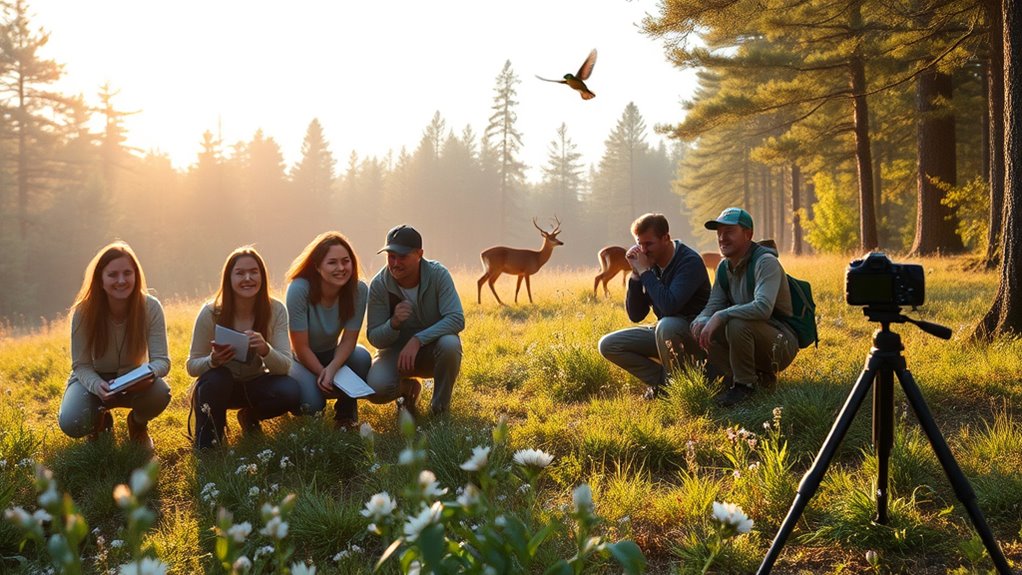
Citizen science for wildlife monitoring lets you actively track and conserve biodiversity. You don’t need a scientific background; just curiosity and a willingness to learn. You’ll gather valuable data that informs conservation strategies and enhances your connection to nature. By observing and documenting urban wildlife, you can help assess the impacts of urban expansion on ecosystems. Join a community of nature enthusiasts and discover how your contributions can make a real difference in wildlife conservation efforts.
Key Takeaways
- Citizen science allows individuals to collect important data on wildlife, aiding in monitoring and conservation efforts.
- Observations made by citizens help track urban biodiversity and assess the impacts of urbanization on ecosystems.
- Standardized methods in data collection ensure accuracy and reliability, enhancing the value of citizen-contributed data for researchers.
- Training and resources are available for participants, making wildlife monitoring accessible to those without a scientific background.
- Collaborative efforts in citizen science foster community engagement and increase awareness of wildlife conservation initiatives.

Have you ever wondered how everyday people can make a real impact in wildlife conservation? It’s easier than you might think. Citizen science is a powerful tool that allows you to contribute to wildlife monitoring efforts while deepening your understanding of the natural world. By participating in citizen science projects, you can help gather valuable data that researchers use to make informed decisions about conservation strategies.
Citizen science empowers you to impact wildlife conservation and enrich your connection to nature through meaningful participation.
Urban ecology is a significant area where your involvement can truly shine. As cities expand, wildlife habitats often shrink, leading to various ecological challenges. You might not realize it, but the green spaces in your neighborhood can serve as essential habitats for various species. By observing and documenting the wildlife you encounter—whether it’s birds, insects, or plants—you help scientists track biodiversity in urban environments. This information is indispensable for understanding how urbanization affects wildlife populations and ecosystems.
When engaging in citizen science, one of your key roles is data validation. As you collect observations, you’re not just taking notes; you’re contributing to a larger pool of knowledge that needs to be accurate and reliable. By following specific protocols and using standardized methods, you guarantee that your data can be effectively analyzed and used for conservation efforts. It’s indispensable to report your findings in a clear and consistent manner, as this enhances their value and utility for researchers.
The beauty of citizen science lies in its accessibility. You don’t need a scientific background to get involved; all you need is curiosity and a willingness to learn. Many organizations offer training and resources to help you develop your skills in observation and data collection. You’ll find that the more you engage with the environment around you, the more you’ll appreciate the intricate relationships between species and their habitats.
Participating in citizen science projects not only benefits wildlife but can also foster a sense of community. You can connect with fellow nature enthusiasts, share your findings, and learn from one another. This collaborative spirit enhances your experience and amplifies the impact of your efforts.
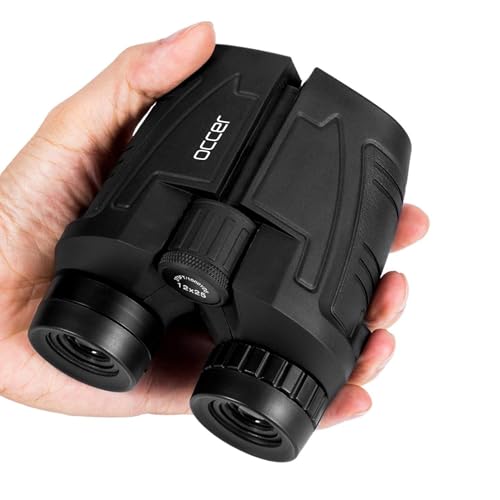
Occer 12×25 Compact Binoculars for Adults and Kids, Large Eyepiece Waterproof Binocular with Low Light Vision,High Powered Easy Focus Binoculars for Bird Watching,Outdoor Hunting,Travel,Sightseeing
【HIGH-POWERED LARGE EYEPIECE BINOCULARS】 This binoculars for adults has 12x magnification, 25mm objective lens and wide field of…
As an affiliate, we earn on qualifying purchases.
As an affiliate, we earn on qualifying purchases.
Frequently Asked Questions
How Do I Get Involved in Wildlife Monitoring Projects?
To get involved in wildlife monitoring projects, start by searching for local volunteering opportunities. Many organizations offer training programs that teach you essential skills for data collection and species identification. You can also join online platforms that connect volunteers with wildlife projects. By participating in these initiatives, you not only contribute to conservation efforts but also gain valuable experience and knowledge about local wildlife. Immerse yourself and make a difference today!
What Tools or Equipment Do I Need for Participation?
To participate in wildlife monitoring, you’ll need a few essential tools. A good pair of binoculars helps with bird identification, allowing you to spot and observe various species. A smartphone or tablet is handy for accessing data submission platforms, where you can report your findings. Additionally, field guides or apps for identifying birds and other wildlife will enhance your experience. Don’t forget a notebook for jotting down observations during your outings!
Is There an Age Requirement for Citizen Scientists?
There aren’t strict age restrictions for citizen scientists; anyone can join in! While some projects may recommend volunteers be a certain age, many welcome contributions from kids, teens, and adults alike. Younger participants often team up with adults for guidance, enriching the experience for everyone. You’ll find that your enthusiasm and curiosity matter more than age. So, grab your gear and get involved—there’s a place for you in this exciting adventure!
What Kind of Wildlife Can I Help Monitor?
You can help monitor various wildlife, including birds, mammals, reptiles, and insects. By participating in species identification, you’ll learn to recognize different animals and their behaviors. Habitat observation is also essential; you’ll observe where these species thrive and how they interact with their environment. Engaging in these activities not only enhances your knowledge but also contributes valuable data to conservation efforts, helping protect the wildlife you care about.
How Is the Collected Data Used by Researchers?
Did you know that over 70% of global biodiversity data comes from citizen science? Researchers use the collected data to monitor wildlife populations, assess ecosystem health, and inform conservation strategies. They rely on data validation methods to guarantee accuracy, which strengthens their findings. This collaborative approach fosters partnerships between scientists and volunteers, allowing you to contribute meaningfully while enhancing research efforts. Your observations can make a real difference in understanding and protecting wildlife.
urban wildlife observation kit
As an affiliate, we earn on qualifying purchases.
As an affiliate, we earn on qualifying purchases.
Conclusion
Involving yourself in citizen science for wildlife monitoring not only nurtures your connection to nature but also strengthens the collective effort to protect our planet’s biodiversity. Imagine the impact we can create when each of us contributes our observations and data; together, we can paint a clearer picture of our ecosystems. So, why wait? Join the movement, and let your voice be a powerful tool for change, helping wildlife thrive for generations to come.
citizen science wildlife monitoring kit
As an affiliate, we earn on qualifying purchases.
As an affiliate, we earn on qualifying purchases.

The Naturalist's Notebook: An Observation Guide and 5-Year Calendar-Journal for Tracking Changes in the Natural World around You
As an affiliate, we earn on qualifying purchases.
As an affiliate, we earn on qualifying purchases.