Climate change is reshaping wildlife migration patterns in significant ways. Rising temperatures push species toward cooler areas, altering their traditional routes and timings. You might notice birds are nesting earlier, while mammals migrate to higher elevations. Urban expansion fragments habitats, making safe travel more difficult for animals and increasing human-wildlife conflicts. These shifts can disrupt ecosystems and challenge species’ survival. There’s a lot more about the consequences and potential solutions waiting for you to explore.
Key Takeaways
- Climate change is causing species to shift their migration patterns to find suitable climates and resources due to rising temperatures.
- Birds are returning to nesting grounds earlier each year as a result of seasonal shifts linked to climate change.
- Urban expansion and habitat fragmentation disrupt natural migration routes, forcing wildlife into suburban areas and increasing human-wildlife conflicts.
- Changes in agricultural practices, such as monoculture farming, reduce biodiversity and compel animals to migrate in search of food.
- Altered migration patterns can destabilize ecosystems, leading to increased competition for resources and survival challenges for wildlife.

As climate change reshapes our planet, wildlife migration patterns are shifting dramatically. You might notice that many animal species are moving to new areas, seeking out climates that better suit their needs. This shift is often a response to rising temperatures, altered precipitation patterns, and changing food availability. For instance, you may observe birds returning to their nesting grounds earlier in the year or mammals migrating to higher altitudes to escape the heat. These changes can have profound implications for ecosystems and the delicate balance of nature.
As climate change alters our planet, wildlife migration patterns are shifting, impacting ecosystems and the balance of nature.
Urban expansion plays a significant role in disrupting these natural migration routes. As cities grow, they’re encroaching on wildlife habitats, fragmenting landscapes and making it difficult for animals to travel safely. You might see how roads, buildings, and other infrastructure can act as barriers, forcing wildlife to find new, often perilous paths. In your daily life, you could witness the effects of urban sprawl when you spot animals like deer or coyotes venturing into suburban neighborhoods, searching for food and shelter in places that were once their natural habitat.
Moreover, agricultural practices are also influencing wildlife migration. As farming techniques evolve, you may notice changes in land use that impact local ecosystems. The expansion of monoculture crops can reduce biodiversity, leaving many species without the food sources they rely on. When you think about the fields that used to be rich with diverse plants, it’s clear that these changes can push animals to migrate in search of more suitable environments. You might even observe certain species adapting to agricultural landscapes, but not without consequences for their health and survival.
These shifts in migration patterns can lead to increased competition for resources, as animals find themselves in unfamiliar territories. You might see more conflicts between wildlife and human populations as animals adapt to urban spaces or agricultural lands. This can result in challenges for both humans and animals, such as property damage or increased road accidents.
As you consider the broader implications of climate change on wildlife migration, it’s essential to recognize how interconnected these issues are. The choices we make in urban planning, land use, and agricultural practices can either mitigate or exacerbate the challenges wildlife face. By being mindful of our impact, you can contribute to creating a more sustainable future for both humans and the incredible wildlife that share our planet. Additionally, understanding the impact of changing food availability can help us address the challenges faced by migrating species.
Frequently Asked Questions
How Does Climate Change Specifically Affect Animal Breeding Patterns?
Climate change affects animal breeding patterns by causing phenological shifts, which alter breeding timing. As temperatures rise, many species start their reproductive cycles earlier in the year to match the availability of food and suitable habitats. This can lead to mismatches between the timing of birth and the peak food supply, impacting survival rates of young animals. You’ll notice that some animals may struggle to adapt to these new conditions, affecting their overall population dynamics.
What Role Do Human Activities Play in Wildlife Migration Changes?
Human activities are like a double-edged sword, cutting through natural migration patterns. Urban expansion fragments habitats, pushing wildlife into smaller areas, while pollution impacts air and water quality, making environments inhospitable. You might notice that animals struggle to find food and safe passage as cities grow. By altering landscapes and introducing toxins, your actions directly influence how and where wildlife migrates, reshaping ecosystems in ways that can have lasting consequences.
Are Certain Species More Vulnerable to Climate-Induced Migration?
Yes, certain species are definitely more vulnerable to climate-induced migration. You’ll find that habitat fragmentation can severely restrict their movement, making it harder for them to adapt to changing conditions. Invasive species further complicate this issue, outcompeting native species for resources and space. These challenges can lead to decreased populations and even extinction in the most affected species. It’s essential to understand these dynamics to protect vulnerable wildlife effectively.
How Can Local Communities Help Support Migrating Wildlife?
Imagine a garden where every flower helps the others thrive. You can support migrating wildlife by engaging in community-led conservation efforts. Join local groups focused on habitat restoration, planting native species that provide shelter and food for wildlife. Organize clean-up events to keep migration paths clear. Educate your neighbors about the importance of these creatures. Together, you can cultivate a vibrant ecosystem that welcomes every visitor, ensuring nature flourishes for generations to come.
What Technologies Are Used to Track Wildlife Migration Patterns?
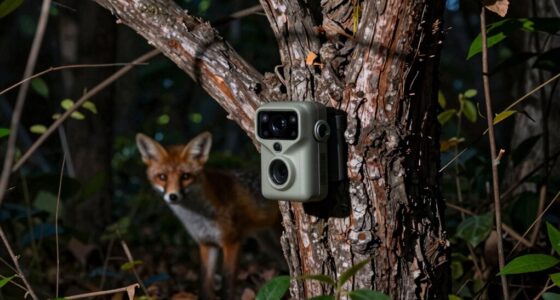
You can track wildlife migration patterns using technologies like satellite telemetry and GPS tracking. Satellite telemetry allows you to monitor animals over vast distances, providing real-time data on their movements. GPS tracking, on the other hand, enables you to gather precise location data, which helps in understanding migration routes. By utilizing these tools, researchers can gain invaluable insights into wildlife behaviors and habitats, ultimately aiding in conservation efforts.
Conclusion
As the seasons shift like a well-worn compass, you’ll see wildlife adapting to a new world. Imagine a butterfly, once bound to familiar blooms, now searching for warmth in distant gardens. Just like this delicate creature, you too must navigate the changing landscape of our planet. It’s not just about survival; it’s about understanding the journey we all share. Embrace your role as a steward of nature, ensuring that future generations can witness the dance of migration.