
TL;DR

Get pet supplies delivered free with Prime
- Fast, free delivery on millions of items
- Prime Video, Amazon Music and more included
- Member-only deals all year
A new copper-lined vest designed to help injured penguins recover is gaining attention among wildlife researchers. The device aims to improve healing and reduce stress, though its effectiveness is still being evaluated. This development highlights ongoing innovations in animal rehabilitation techniques.
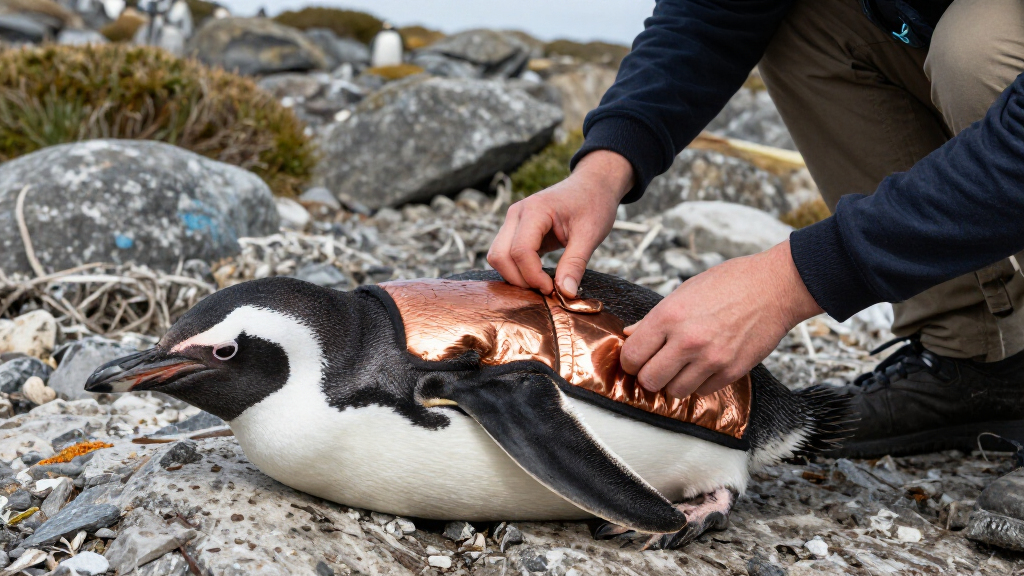
Wildlife rehabilitation experts are testing a novel copper-lined vest designed to aid injured penguins in their recovery process. The device, which incorporates copper’s known antimicrobial properties, aims to reduce infection risk and stress in vulnerable birds. The development has attracted increased attention from conservationists and researchers, as efforts to improve animal healing methods continue to evolve.
The copper-lined vest was introduced by a team of wildlife researchers as part of an experimental rehabilitation protocol for injured penguins, particularly those affected by infections or wounds. Early trials, conducted at a rehabilitation center in the Southern Hemisphere, suggest that the vest may help accelerate healing and improve overall health outcomes. The device is made of lightweight, flexible material with embedded copper layers, designed to be comfortable for the penguins while providing antimicrobial benefits.
According to the research team, preliminary observations indicate that penguins wearing the vest show signs of reduced inflammation and stress compared to control groups. The vest is also believed to help prevent secondary infections, which are common in injured wildlife. However, the researchers emphasize that comprehensive data on long-term outcomes is still being collected, and the device is currently in the testing phase.
The innovation has garnered interest from conservation groups and veterinary specialists, who see potential in combining traditional treatment with novel materials like copper to enhance recovery rates among injured wildlife. No definitive conclusions have yet been published, and further studies are planned to evaluate the vest’s efficacy across different penguin species and injury types.
Potential Impact on Wildlife Rehabilitation Practices
The development of the copper-lined vest could mark a significant step forward in wildlife rehabilitation techniques, especially for species vulnerable to infections. If proven effective, the device might become a standard tool in conservation efforts worldwide, reducing recovery times and improving survival rates for injured penguins and possibly other wildlife. This approach reflects a broader trend towards integrating innovative materials and technology into animal care, which could reshape existing protocols and enhance the success of rehabilitation programs.
animal antimicrobial recovery vest
As an affiliate, we earn on qualifying purchases.
As an affiliate, we earn on qualifying purchases.
Innovative Materials in Animal Recovery Efforts
Interest in using advanced materials like copper in animal health is growing, driven by the material’s known antimicrobial properties. Copper has been used in medical settings to reduce bacterial infections, and its application in wildlife care is an emerging area of study. The recent spike in coverage and research interest appears to be linked to broader efforts to improve outcomes for injured or ill animals in rehabilitation centers. Historically, treatment methods have relied heavily on antibiotics and supportive care, but new approaches incorporating materials like copper are gaining attention as supplementary tools.
The current focus on penguins stems from their vulnerability to environmental threats and injuries, which often lead to lengthy recoveries. The copper vest represents an attempt to leverage material science to enhance traditional veterinary practices, with initial testing phases underway and promising early signs.
Unverified Claims About Effectiveness and Adoption
While early observations are promising, it is not yet confirmed how effective the copper-lined vest will be across larger populations or different injury types. The long-term impacts, potential side effects, and optimal design parameters remain under investigation. Additionally, the process for widespread adoption in wildlife rehabilitation centers has not been established, and regulatory or ethical considerations are still being addressed.
Next Steps in Testing and Validation
Researchers plan to expand testing to include more penguins and varied injuries, collecting data on healing times, infection rates, and behavioral responses. Peer-reviewed studies are expected to be published within the next year, and if results are favorable, efforts to scale production and integrate the vest into standard rehabilitation protocols will follow. Meanwhile, conservation groups are monitoring developments for potential early adoption.
Key Questions
How does the copper-lined vest work?
The vest is embedded with copper layers, which are believed to have antimicrobial properties that can reduce bacterial infections and inflammation, potentially speeding up recovery.
Are there any risks associated with using the vest?
Risks are currently unknown; further research is needed to assess any possible skin irritation or behavioral impacts on penguins over longer periods.
When will the vest be widely available for use?
Widespread adoption depends on the outcomes of ongoing studies and regulatory approvals, which are expected within the next 12 to 24 months.
Could this technology be used for other animals?
Potentially, yes. If proven effective, similar designs could be adapted for other wildlife or even domestic animals needing infection control during recovery.
Source: hn
Halloween Picks
halloween
As an affiliate, we earn on qualifying purchases.