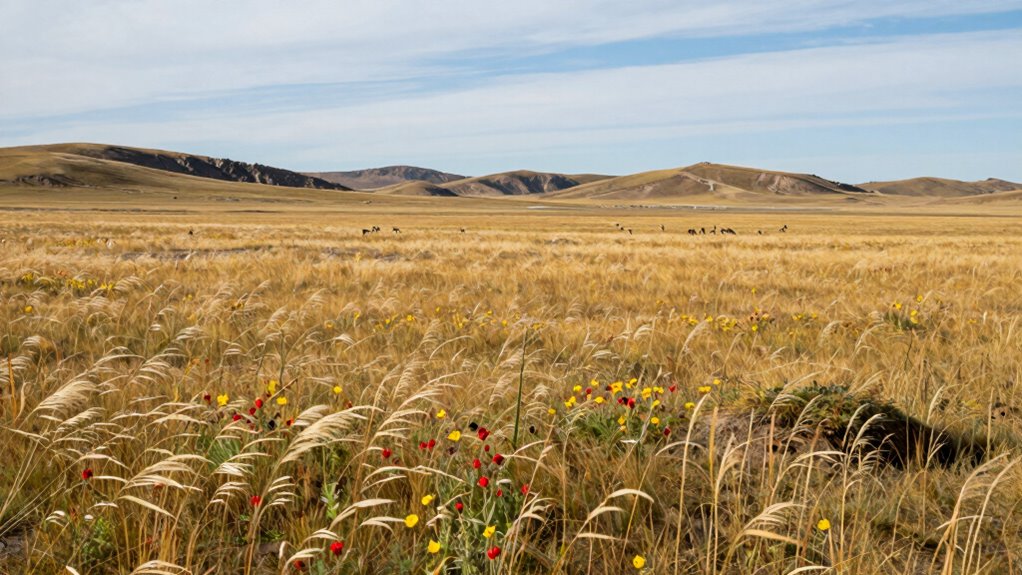

Grasslands need conservation because they support diverse species, from plants to animals, and help maintain ecological balance. They act as essential carbon sinks, which fight climate change, and contribute to overall ecosystem health. However, threats like agriculture, urbanization, and climate shifts are causing rapid loss of these habitats. Protecting and restoring grasslands ensures biodiversity and climate stability for the future. Keep exploring to discover how you can make a difference.
Key Takeaways
- Grasslands support diverse species and maintain ecological balance, which benefits global biodiversity.
- They act as natural carbon sinks, helping mitigate climate change impacts.
- Conservation prevents soil degradation and promotes ecosystem productivity.
- Preserving grasslands safeguards unique habitats and prevents habitat fragmentation.
- Sustainable management ensures their ecological functions continue supporting local communities.
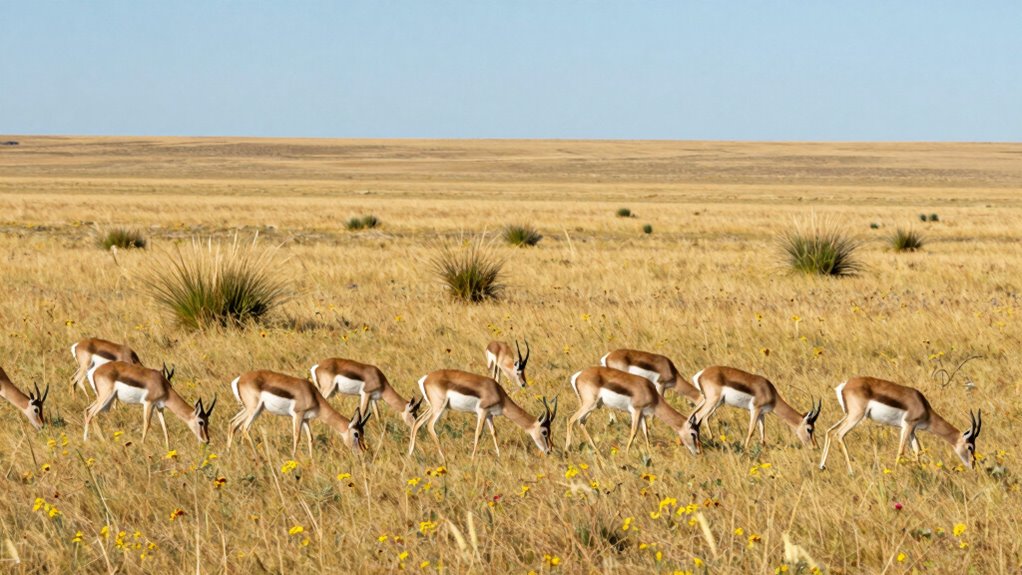
Grasslands are fundamental ecosystems that support a diverse array of plant and animal species, yet they face increasing threats from agriculture, urbanization, and climate change. If you care about preserving natural beauty and ecological balance, understanding why grasslands need conservation becomes essential. One key reason is the rich grassland biodiversity that these ecosystems harbor. These vast open areas are home to countless species of grasses, wildflowers, insects, birds, and mammals, many of which are uniquely adapted to this environment. When grasslands decline, so does this incredible diversity, disrupting food webs and threatening species with extinction. Protecting grasslands means safeguarding this biodiversity, which contributes to overall ecosystem resilience and health.
Grasslands host diverse species, vital for ecological balance and resilience. Protecting them preserves biodiversity and ecosystem health.
You might wonder how human activities, especially farming and urban development, impact these ecosystems. Expanding agriculture often involves converting native grasslands into crop fields or grazing lands, which leads to habitat loss. Urbanization encroaches further, fragmenting what remains and making it harder for wildlife to survive and migrate. Climate change exacerbates these issues by altering rainfall patterns and increasing temperatures, which can degrade soil quality and reduce the productivity of these ecosystems. Without intervention, grassland loss accelerates, and the delicate balance supporting countless species crumbles. Additionally, biodiversity plays a crucial role in maintaining the ecological integrity of these habitats. Recognizing the importance of healthy soil and plant cover is vital because they act as natural carbon sinks, helping to mitigate climate change. Protecting these ecosystems also involves understanding the significance of their ecological functions, which support both local and global environmental health. Implementing conservation strategies that prioritize habitat preservation can significantly reduce the rate of grassland degradation.
However, implementing sustainable grazing practices offers a powerful way to conserve grasslands. Rather than overgrazing, which strips vegetation and damages the soil, sustainable grazing involves managing livestock numbers and grazing periods to mimic natural grazing patterns. This approach maintains plant diversity and prevents soil erosion, guaranteeing that grasslands continue to thrive. When you support or adopt sustainable grazing, you’re helping maintain the ecological functions that grasslands provide. Properly managed grazing can even promote plant diversity by preventing dominance of invasive species and encouraging native grasses to flourish.
Conservation efforts should also include protecting remaining grassland patches, restoring degraded areas, and creating corridors that connect fragmented habitats. These actions allow species to move freely, find food, and reproduce, which is imperative for maintaining grassland biodiversity. Restoration of degraded landscapes can significantly boost ecological resilience and help recover lost habitats. Moreover, engaging local communities in conservation initiatives can foster sustainable practices and increase awareness of the grasslands’ value. Education and awareness are equally important—by understanding the ecological significance of grasslands, you can advocate for policies that prioritize sustainable land use and conservation initiatives. Every effort counts, whether it’s supporting local conservation programs or making mindful choices about land development.
In the end, conserving grasslands isn’t just about saving open spaces; it’s about preserving the complex web of life that depends on them. By recognizing their value and adopting sustainable practices like grazing, you contribute to the health of these critical ecosystems and ensure they continue to support diverse species for generations to come.
Top picks for "grassland need conservation"
As an affiliate, we earn on qualifying purchases.
Frequently Asked Questions
How Do Grasslands Differ From Other Ecosystems?
You’ll notice that grasslands differ from other ecosystems because they have a unique plant diversity dominated by grasses and few trees. Their soil composition is rich in organic matter, supporting vast herbivore populations. Unlike forests or wetlands, grasslands experience frequent fires and droughts, shaping their landscape. This combination of plant types, soil, and climate makes grasslands essential for ecosystems and agriculture, highlighting why they deserve conservation efforts.
What Are the Main Threats to Grassland Biodiversity?
You might not realize it, but your favorite grasslands face subtle challenges that threaten their beauty and balance. Invasive species quietly overtake native plants, disrupting delicate ecosystems. Meanwhile, climate change gently shifts weather patterns, stressing native flora and fauna. These threats diminish biodiversity, making it harder for grasslands to thrive. By understanding and addressing these issues, you can help preserve these essential and vibrant ecosystems for future generations.
Can Grasslands Be Restored After Degradation?
Yes, grasslands can be restored after degradation. You can achieve this by reintroducing native plants, which help rebuild the natural ecosystem. Additionally, controlling soil erosion is vital to prevent further damage and stabilize the land. Restoring native vegetation not only improves biodiversity but also restores soil health, making the grassland resilient again. With proper effort, degraded grasslands can thrive and support diverse wildlife once more.
How Do Grasslands Support Local Communities?
Did you know that over 1.5 billion people rely on grasslands for their livelihoods? You support local communities by practicing sustainable grazing, which maintains healthy ecosystems and prevents land degradation. Healthy grasslands provide essential resources like fodder, firewood, and medicinal plants, boosting local economies. By conserving and sustainably managing these landscapes, you help secure food, income, and cultural heritage for those who depend on them daily.
What Are the Key Indicators of Grassland Health?
You can tell grassland health by observing soil quality and plant diversity. Healthy soil is rich, well-drained, and retains nutrients, supporting diverse plant life. High plant diversity indicates a resilient ecosystem, with various species thriving and maintaining balance. If you notice soil erosion, compacted soil, or declining plant variety, it signals poor health. Monitoring these indicators helps you understand grasslands’ condition and take steps to protect and restore them effectively.
Conclusion
Remember, grasslands are nature’s gentle guardians, quietly nurturing countless species and maintaining Earth’s delicate balance. When you choose to support their preservation, you’re helping safeguard these quiet treasures, ensuring they continue to whisper their ancient stories for generations to come. By tending to these humble landscapes, you nurture the broader tapestry of life, proving that even the most unassuming places hold immense value. Your actions can help keep these essential regions vibrant and resilient, like a soft, enduring lullaby of nature.