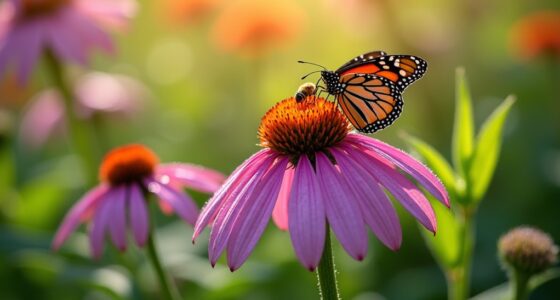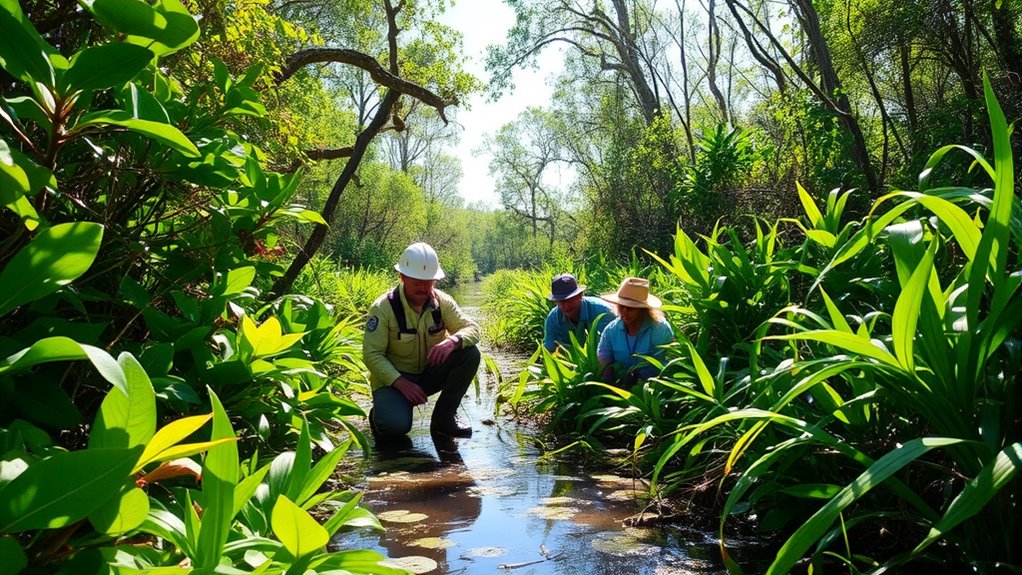

Invasive species thrive far from their native habitats, outcompeting local flora and disrupting ecosystems. They can dominate food chains, leading to the decline of native species. To manage them, you can help by supporting biological control efforts or participating in habitat restoration projects. Removing invasives and replanting native species creates balance. Your involvement, no matter how small, contributes to preserving biodiversity and ecosystem health. There’s so much more to discover about effective strategies!
Key Takeaways
- Invasive species disrupt ecosystems by outcompeting native species for resources, leading to declines in biodiversity.
- The absence of natural predators allows invasive species to thrive and spread rapidly in new environments.
- Management strategies include biological control, which introduces natural enemies to curb invasive populations sustainably.
- Habitat restoration involves removing invasive species and replanting native flora to restore ecological balance.
- Community involvement in conservation efforts and education on native plants can significantly enhance local biodiversity.
Invasive Species
Have you ever wondered how certain plants and animals manage to thrive in environments far from their native homes? This phenomenon often leads to the establishment of invasive species, which can dramatically impact local ecosystems. These non-native species can outcompete local flora and fauna for resources, disrupt food chains, and alter habitats. When you look around, you might notice that some of these invaders are thriving in your area, changing the landscape you know and love.
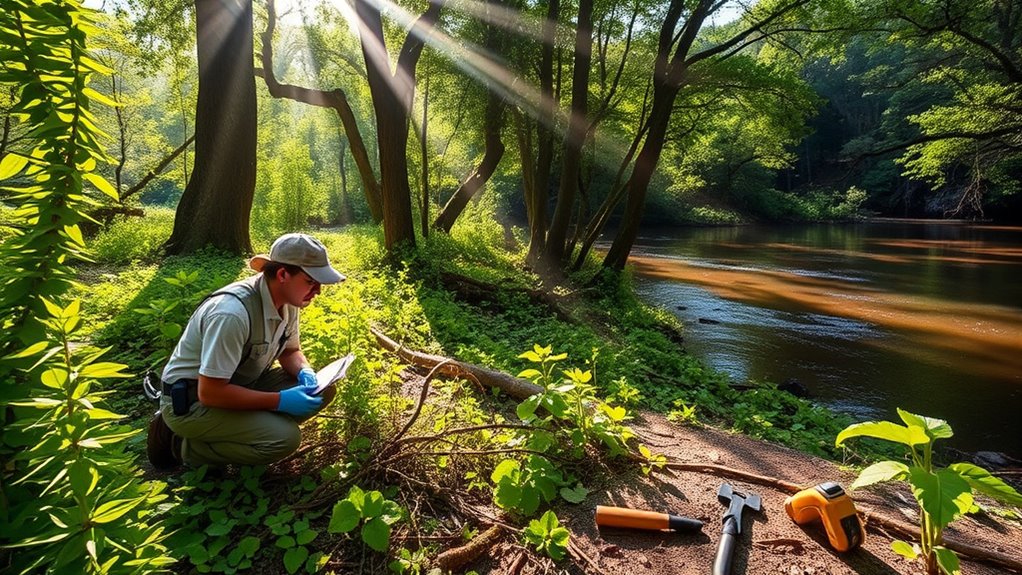
Invasive species thrive in new environments, competing with local flora and fauna, and transforming familiar landscapes.
Invasive species often spread rapidly because they lack natural predators in their new environments. For instance, when a plant or animal is introduced to a new habitat, it may find itself in a place with abundant resources and no competition. This unchecked growth can lead to a decline in native species, as they struggle to compete for food, space, and light. You may have seen this with certain plants that choke out local vegetation or animals that dominate the food web.
One effective method of managing invasive species is through biological control. This approach involves introducing a natural enemy to help keep invasive populations in check. Think about it: if an invasive insect is wreaking havoc on your local crops, introducing a predator that feeds on that insect can help restore balance without the need for harmful pesticides. This method, when done carefully, can be a sustainable way to manage invasives without causing further harm to the ecosystem. Additionally, understanding the importance of legal representation can aid in developing effective management strategies for invasive species.
Habitat restoration also plays a vital role in combating the impact of invasive species. When you engage in habitat restoration efforts, you’re not just removing invaders; you’re also working to reestablish the native species that belong in that ecosystem. This might involve replanting native flora or creating conditions that favor indigenous wildlife. By restoring habitats, you’re giving native species a fighting chance against their invasive counterparts.
You might feel overwhelmed by the scale of the invasive species problem, but remember that every small effort counts. Whether you’re participating in local clean-ups, supporting biological control programs, or learning about native plants for your garden, you’re contributing to the solution. Understanding the dynamics of invasive species and actively participating in habitat restoration can make a significant difference in preserving your local ecosystem. So, take action and help protect the biodiversity that surrounds you!
Frequently Asked Questions
How Do Invasive Species Affect Local Economies?
Invasive species can substantially affect local economies by driving up economic costs and impacting jobs. They often damage crops, fisheries, and ecosystems, leading to reduced yields and increased management expenses. You might notice that local industries struggle as resources become scarce or require costly interventions. Additionally, when businesses face these challenges, job opportunities decline, affecting your community’s overall prosperity. It’s essential to address these issues for healthier economies and sustainable livelihoods.
Can Invasive Species Ever Be Beneficial to Ecosystems?
Yes, invasive species can sometimes benefit ecosystems by enhancing native resilience or contributing to ecological balance. For instance, they might fill ecological niches left vacant by declining species, providing food or habitat for local wildlife. However, you should be cautious, as their presence can also lead to long-term negative impacts. It’s important to evaluate each situation carefully to understand how they interact with local species and environments before determining their overall effect.
What Are the Legal Regulations Regarding Invasive Species?
Legal regulations regarding invasive species vary by region, but you’ll often find laws focused on prevention, control, and removal. You need to stay informed about local and federal regulations to guarantee regulation compliance. Legal enforcement can involve fines for introducing or spreading invasive species. Check with environmental agencies in your area for specific guidelines, as they can provide resources and support to help you understand your responsibilities in managing invasive species effectively.
How Can Citizens Help Control Invasive Species?
You can help control invasive species by participating in local volunteering programs focused on removal efforts. Join community clean-up events and help educate others about the impacts of these species. Share your knowledge through workshops and social media to raise public awareness. By engaging with your neighbors, you foster a sense of responsibility and encourage collective action. Every effort counts, and your involvement can make a significant difference in preserving local ecosystems.
What Are the Long-Term Effects of Invasive Species on Biodiversity?
Invasive species can drastically reduce biodiversity by leading to native plant decline, which disrupts local ecosystems. As these invaders outcompete native species, they weaken ecosystem resilience, making it harder for habitats to recover from disturbances. Over time, you might notice fewer native plants and animals, resulting in less overall ecological balance. Understanding these long-term effects helps you appreciate the importance of protecting your local biodiversity from harmful invaders.
Conclusion
Managing invasive species might seem overwhelming, but it’s essential for protecting our ecosystems. While you may think it’s too late to make a difference, every small action counts. By staying informed and participating in local efforts, you can help mitigate their impact. Remember, it’s not just about saving native plants and animals; it’s about preserving the balance of nature for future generations. Together, we can tackle this challenge and foster a healthier, more diverse environment.