Light pollution disrupts nocturnal wildlife by interfering with their natural behaviors, such as hunting, mating, and navigation. Species like owls and fireflies struggle in urban environments where artificial lights drown out their cues. This can lead to declining populations and imbalanced ecosystems. Simple changes in your lighting choices, like using downward-facing fixtures, can help mitigate these effects. Want to discover more about how light pollution impacts these amazing creatures?
Key Takeaways
- Urban lighting disrupts natural behaviors of nocturnal wildlife, affecting their hunting, mating, and navigation skills.
- Light pollution interferes with fireflies’ bioluminescent mating signals, leading to declining populations.
- Nocturnal animals rely on darkness for survival; artificial lights hinder their adaptations over generations.
- Disruption of individual species from light pollution can alter food webs and overall ecosystem health.
- Simple mitigation measures, like using downward-facing lights, can help protect nocturnal wildlife and preserve natural night environments.

As urban areas expand and artificial lights flood the night, you might not realize the profound impact light pollution has on nocturnal wildlife. The vibrant glow of urban lighting disrupts the natural rhythms that many animals rely on for their survival. For creatures like owls, bats, and fireflies, the darkness of night serves as a critical time for hunting, mating, and steering their environment. When you light up the night sky, you’re not just illuminating streets and sidewalks; you’re also altering habitats and disorienting species that have adapted over millennia to thrive in darkness.
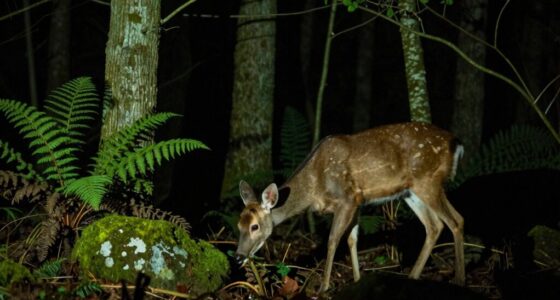
Wildlife adaptation to nocturnal life is a remarkable process that has taken countless generations. Many animals have developed unique hunting techniques, physical features, and behaviors to make the most of the night. For instance, owls possess extraordinary eyesight, allowing them to spot prey in near-total darkness. However, when bright urban lighting saturates their habitats, it can confuse these predators, making it harder for them to hunt effectively. You may find it surprising, but a simple streetlight can diminish their ability to detect the subtle movements of their quarry.
Additionally, light pollution affects mating habits among nocturnal species. Fireflies, known for their enchanting displays of bioluminescence, use their lights to attract mates. When urban lighting drowns out their natural signals, these insects struggle to find partners. This disruption can lead to declining populations, which further impacts the ecosystems they inhabit. If you think about it, the ripple effects of light pollution extend far beyond individual species; they can alter entire food webs and ecosystems.
It’s essential to recognize that wildlife isn’t the only one affected by light pollution. You, too, experience the consequences, such as disrupted sleep patterns and diminished stargazing opportunities. By understanding the relationship between urban lighting and wildlife adaptation, you can become part of the solution. Simple changes, like using downward-facing lights or opting for warmer hues, can help preserve the natural beauty of the night.
As urban development continues, consider the nocturnal wildlife that shares your space. By being mindful of your lighting choices, you can minimize your impact on these creatures and help maintain the delicate balance of nature. In doing so, you’ll not only contribute to healthier ecosystems but also guarantee that future generations can enjoy the wonders of the night sky and the incredible wildlife that thrives within it.
Frequently Asked Questions
How Does Light Pollution Affect Human Health and Sleep Patterns?
Light pollution profoundly affects your health and sleep patterns. It disrupts melatonin production, which is essential for regulating your sleep cycle. When you’re exposed to excessive artificial light at night, you may experience sleep disturbances, making it harder to fall asleep or stay asleep. This can lead to fatigue, decreased productivity, and even long-term health issues. Reducing light exposure at night can help restore your natural sleep rhythms and improve overall well-being.
Are There Specific Species Most Impacted by Light Pollution?
Sure, let’s make the nightlife a little less “lit”! Some species, like sea turtles and migratory birds, are particularly vulnerable to light pollution. Their nocturnal adaptations, finely tuned over millions of years, get completely thrown off by artificial lights. Instead of finding their way, they might end up lost or confused. So, while you’re enjoying that bright city skyline, remember that nature’s nightlife deserves a little darkness too!
What Are Effective Solutions for Reducing Light Pollution?
To effectively reduce light pollution, you can advocate for smart lighting systems that adjust brightness based on need and time of day. Participating in community initiatives, like organizing neighborhood awareness campaigns, can also make a difference. Encourage local businesses and municipalities to adopt dark-sky friendly practices, such as using shielded fixtures and minimizing light trespass. Together, these solutions can create a more balanced environment for both people and wildlife.
How Can Individuals Help Combat Light Pollution in Their Communities?
You can help combat light pollution in your community by promoting community awareness about its impacts. Start by organizing local events or discussions to educate others on responsible lighting practices. Encourage your neighbors to use outdoor lights that are shielded and dimmed, and advocate for timers or motion sensors to reduce unnecessary illumination. By leading by example and sharing information, you’ll inspire others to join the effort in creating a darker, healthier environment.
Does Light Pollution Influence Plant Life and Growth Cycles?
You might think of artificial illumination as a dazzling night sky, but it actually disrupts plant life and growth cycles. When you shine too much light on your garden, you interfere with photosynthesis, which plants depend on for energy. This can lead to stunted growth and altered blooming times. By reducing excessive lighting, you’re not just preserving your nighttime beauty; you’re also helping plants thrive in their natural rhythms.
Conclusion
In the dance of night, light pollution steps on the toes of our nocturnal wildlife, disrupting their rhythms and routines. As you dim your lights and embrace the darkness, remember that every small change counts. By reducing artificial glare, you’re not just protecting these creatures; you’re preserving the enchanting symphony of the night. So let’s turn down the brightness and let nature reclaim its stage—after all, a little darkness can illuminate the beauty around us.