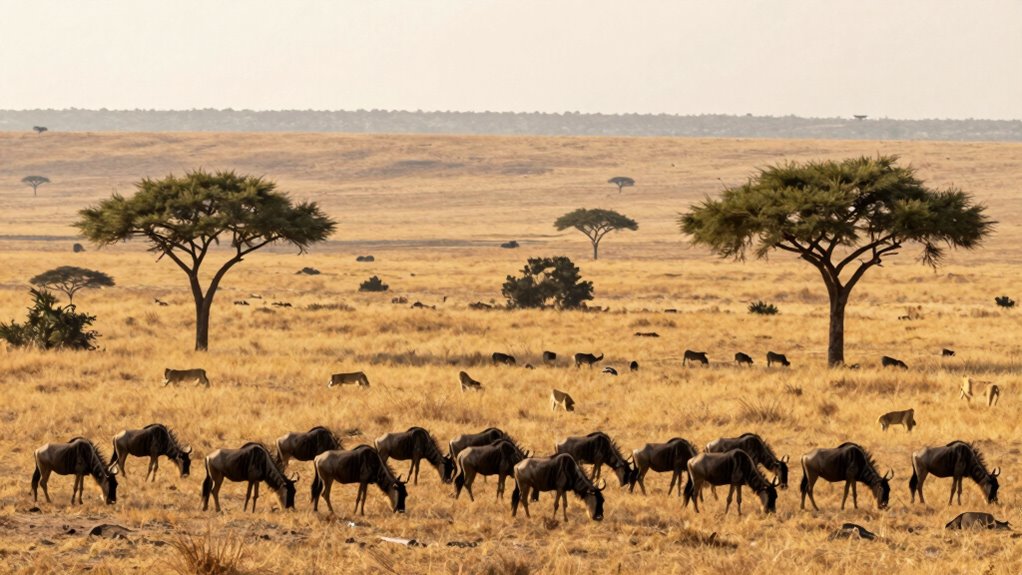

When top predators disappear, you cause a buildup of prey populations, which can lead to overgrazing and habitat degradation. This unchecked growth impacts vegetation, soil health, and water quality, ultimately reducing biodiversity. Without predators controlling them, prey species may overpopulate, making ecosystems less resilient and more vulnerable to disturbances like invasive species. If you want to understand how these changes affect the environment and what can be done, keep exploring these essential ecological roles.

Get pet supplies delivered free with Prime
- Fast, free delivery on millions of items
- Prime Video, Amazon Music and more included
- Member-only deals all year
Key Takeaways
- Prey populations often grow unchecked, leading to overgrazing and habitat degradation.
- Vegetation decline reduces biodiversity and disrupts ecosystem structure.
- Loss of top predators causes imbalanced food chains and decreased ecosystem stability.
- Ecosystems become more vulnerable to invasive species and environmental stresses.
- Human communities face ecological impacts like reduced water quality and increased climate vulnerability.
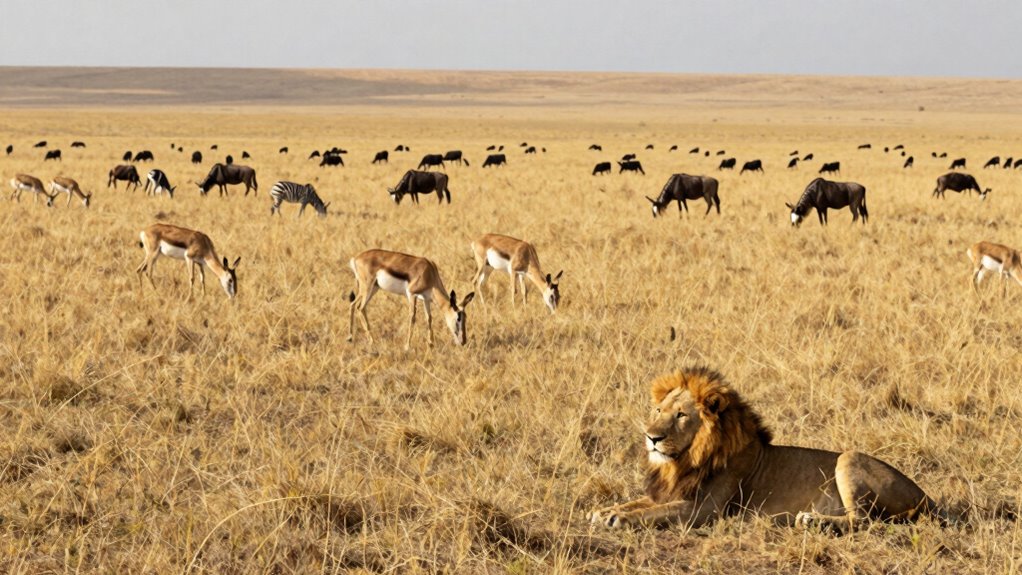
Have you noticed how many top predators are vanishing from ecosystems worldwide? Their disappearance isn’t just about losing majestic animals; it triggers a chain reaction that considerably alters the environment you see around you. When top predators like wolves, lions, or sharks disappear, the balance of nature shifts dramatically. Without these apex predators controlling prey populations, the prey species often multiply unchecked, leading to what ecologists call ecosystem imbalance. This imbalance affects everything from plant life to other animal populations, ultimately changing the landscape and health of ecosystems you rely on.
The loss of top predators triggers a chain reaction, destabilizing ecosystems and impacting environments we all depend on.
You might not realize it, but top predators play an essential role in maintaining the stability of prey population dynamics. They keep prey numbers in check, preventing overgrazing or overconsumption of resources. When predators are removed, prey species often experience population booms. These surges can seem like positive news initially, but unchecked prey populations tend to overexploit their environment. This overconsumption leads to habitat degradation, which then impacts other species that depend on the same resources. For example, if wolves disappear from a forest, deer populations may explode, over-browsing young trees and shrubs. As a result, the entire ecosystem begins to shift, often becoming less diverse and less resilient.
This imbalance doesn’t just affect animals and plants; it also influences the quality of the environment you experience daily. Vegetation loss from overgrazing can reduce habitat complexity, impacting other species and even influencing soil health and water quality. With fewer predators, the natural checks and balances vanish, creating a cascade of effects that ripple through the entire ecosystem. You might notice changes in local biodiversity, such as fewer bird species or declining fish populations, which are signals of these broader disruptions. These shifts threaten the stability of ecosystems, making them more vulnerable to invasive species and climate change. Ecosystem balance is fundamental to sustaining healthy environments.
In the absence of top predators, the delicate balance of prey population dynamics gets disrupted, leading to unpredictable and often harmful outcomes. Ecosystems become less resilient, and their ability to recover from disturbances diminishes. This imbalance impacts not just wildlife but the human communities that depend on healthy ecosystems for clean water, fertile soil, and a stable climate. The disappearance of top predators might seem like a distant problem at first, but it’s a fundamental change that echoes through every aspect of the environment, ultimately affecting your world in ways you might not immediately see. Recognizing the importance of keystone species is crucial for understanding how to protect and restore ecological balance. Additionally, understanding how top predators influence their environment can help inform conservation efforts worldwide.
wildlife camera trap for predator monitoring
As an affiliate, we earn on qualifying purchases.
As an affiliate, we earn on qualifying purchases.
Frequently Asked Questions
How Do Top Predators Influence Climate Change?
You might not realize it, but top predators influence climate change through predator-prey dynamics that help maintain ecological balance. By controlling herbivore populations, predators prevent overgrazing, which preserves plant life that absorbs carbon dioxide. This balance stabilizes ecosystems, supporting climate regulation. Without top predators, unchecked herbivores can damage vegetation, reducing carbon absorption, and accelerating climate change. So, protecting these predators helps keep ecosystems resilient and climate-friendly.
What Role Do Top Predators Play in Disease Control?
You might think top predators only hunt for food, but they also control disease transmission by regulating prey populations. When predators keep prey numbers in check, it disrupts predator-prey dynamics that could otherwise lead to disease spread. Without these predators, prey populations grow unchecked, increasing the risk of disease transmission among animals and humans. So, top predators are essential for maintaining healthy ecosystems and preventing outbreaks.
Can Ecosystems Recover After Predator Extinction?
Yes, ecosystems can recover after predator extinction, but the process is complex. Without top predators, trophic cascades occur, disrupting prey populations and altering ecosystem dynamics. This imbalance can threaten ecosystem stability, making recovery slow or incomplete. Your actions to protect predators help maintain these crucial interactions, ensuring ecosystems can bounce back and remain resilient over time. Preserving top predators is essential for long-term ecological health and stability.
How Do Predators Affect Genetic Diversity?
Predators act as the gatekeepers of genetic diversity, shaping the flow of genes like skilled conductors of an orchestra. When they vanish, populations face genetic bottlenecks, narrowing the gene pool and risking biodiversity loss. Without predators, certain traits become dominant, reducing variability and making species more vulnerable to diseases and environmental changes. You can see how their absence silences the symphony of life, risking a less resilient ecosystem.
What Are the Economic Impacts of Losing Top Predators?
When top predators disappear, you face significant economic consequences. Predator removal disrupts natural balance, leading to overpopulation of prey species that damage crops, fisheries, and forests. This imbalance forces you to spend more on pest control, habitat restoration, and resource management. Additionally, tourism declines as ecosystems lose their health and appeal, further hurting local economies. Overall, losing top predators creates a cascade of costs that affect your environment and financial stability.
Conclusion
When top predators vanish, the entire ecosystem shifts, often leading to overpopulation of prey and imbalance. You might think ecosystems can stabilize on their own, but without these keystone species, chaos can ensue, affecting plants, other animals, and even humans. It’s not just about losing animals; it’s about risking the health of the whole environment you depend on. Protecting predators isn’t optional—it’s essential for maintaining nature’s delicate balance.
Evergreen bestsellers Picks
bestsellers
As an affiliate, we earn on qualifying purchases.





![Pentulive (Puppy Live) [Video]](https://aplaceforanimals.com/wp-content/uploads/2026/10/pentulive-puppy-live-video-featured-260x140.jpg)