
Marine Protected Areas (MPAs) do work! They protect essential marine ecosystems and allow fish populations to recover by limiting harmful activities like overfishing. MPAs also create safe havens for juvenile fish and boost biodiversity. Plus, they attract eco-tourism, benefiting local economies. While challenges exist, like local fishermen’s concerns, well-managed MPAs demonstrate remarkable success. If you’re curious about their specific impacts and management strategies, there’s more to explore!

Get pet supplies delivered free with Prime
- Fast, free delivery on millions of items
- Prime Video, Amazon Music and more included
- Member-only deals all year
Key Takeaways
- MPAs effectively protect marine ecosystems by limiting harmful human activities, aiding in the recovery of fish populations.
- They serve as nurseries for juvenile fish, enhancing biodiversity and supporting resilient marine ecosystems.
- Eco-tourism generated by MPAs boosts local economies and raises awareness about marine conservation.
- Community involvement is crucial for balancing conservation efforts with the needs of local fishermen.
- Well-managed MPAs have proven to be effective tools for marine conservation and sustainable resource management.
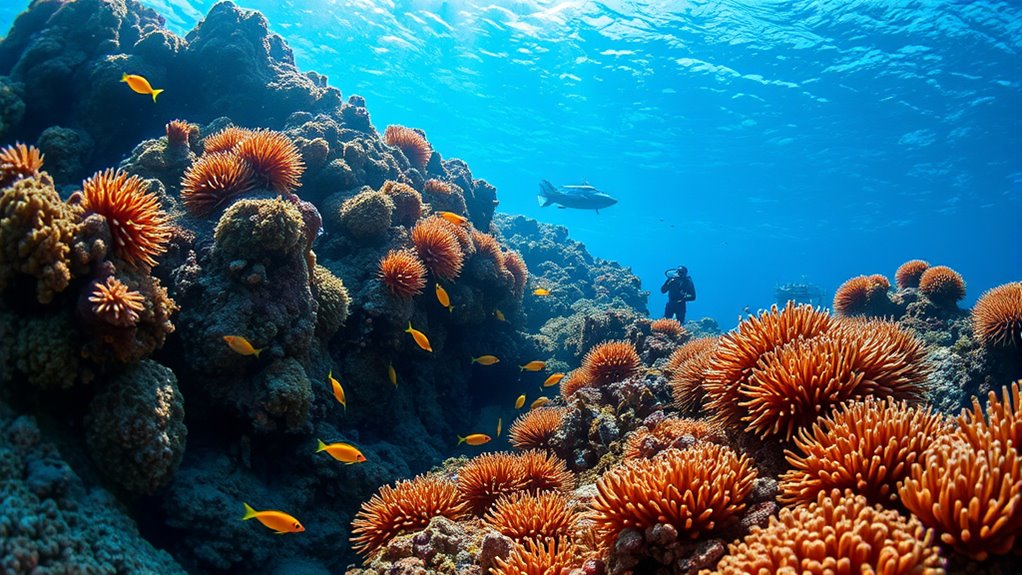
Have you ever wondered how Marine Protected Areas (MPAs) can safeguard our oceans? These designated regions play a pivotal role in conserving marine ecosystems and enhancing fish populations. When you think about the challenges our oceans face—overfishing, pollution, and habitat destruction—MPAs emerge as a beacon of hope. They limit human activities like fishing and drilling, allowing marine life to thrive without the pressures of exploitation. This gives fish populations a chance to recover and flourish, ultimately benefiting the entire marine ecosystem.
Marine Protected Areas (MPAs) are vital to restoring our oceans, allowing fish populations to recover and ecosystems to thrive.
As you explore the impact of MPAs on fish populations, you’ll notice that they often serve as essential nurseries for juvenile fish. By providing a safe environment, these areas allow young fish to grow and mature away from potential predators and fishing nets. When you immerse yourself in an MPA, you can see the vibrant underwater world teeming with life, showcasing the success of these protected areas. The abundance of fish not only supports the ecosystem but also creates a healthier environment for other marine species, including those that rely on fish for food.
But it’s not just about fish populations; the tourism impact of MPAs is significant as well. Picture yourself on a boat, gliding over crystal-clear waters, or snorkeling among vibrant coral reefs. These experiences draw tourists from all around the globe, enthusiastic to witness the beauty of marine life in its natural habitat. This influx of visitors generates income for local economies, creating jobs and supporting conservation efforts. You might even find that the more successful an MPA is at protecting marine life, the more appealing it becomes for eco-tourism.
However, while the benefits of MPAs are clear, they’re not without their challenges. You might encounter local fishermen concerned about restricted access to traditional fishing grounds. Balancing conservation with community needs is essential for the long-term success of MPAs. By fostering collaboration between conservationists and local stakeholders, you can find sustainable solutions that benefit both the environment and the people who depend on it.
marine protected area snorkeling gear
As an affiliate, we earn on qualifying purchases.
As an affiliate, we earn on qualifying purchases.
Frequently Asked Questions
How Are Marine Protected Areas Funded and Maintained?
Marine protected areas (MPAs) are funded through various sources like government budgets, grants, and donations from NGOs. You’ll find that local communities often contribute too. However, maintenance challenges arise due to limited resources, competing interests, and enforcement issues. To keep these areas thriving, it’s vital to guarantee stable funding and engage stakeholders in conservation efforts. By addressing these challenges, you can help maintain the health and effectiveness of MPAs.
What Are the Economic Impacts of Marine Protected Areas on Local Communities?
Imagine a thriving coral reef bursting with life, drawing visitors like a magnet. Marine protected areas can boost local economies by promoting sustainable tourism, turning the tide for communities that rely on fishing and recreation. You’ll find that these areas encourage economic diversification, allowing locals to embrace new opportunities like eco-tours and educational programs. While some may fear restrictions, the long-term benefits often outweigh the short-term costs, creating a vibrant future for all.
How Do Marine Protected Areas Affect Fishing Regulations?
Marine protected areas often lead to stricter fishing restrictions to conserve fish populations and habitats. You might notice that some areas have limits on size, species, or seasons for fishing. This can create enforcement challenges, as local authorities need to monitor compliance and manage illegal fishing activities. While these regulations aim to protect marine ecosystems, they can also disrupt traditional fishing practices, affecting local fishermen and their livelihoods.
What Types of Ecosystems Are Typically Protected in These Areas?
Imagine swimming through a vibrant underwater paradise, where coral reefs burst with color and life dances around you. In marine protected areas, you’ll often find these essential ecosystems, along with lush seagrass beds. Coral reefs shelter countless marine species, while seagrass beds serve as nurseries for fish and other creatures. Protecting these habitats not only preserves biodiversity but also supports the health of our oceans, ensuring future generations can experience their beauty.
Can Marine Protected Areas Help Combat Climate Change Effects?
Yes, marine protected areas can help combat climate change effects. They promote habitat preservation, allowing ecosystems to thrive and maintain biodiversity. Healthier marine environments enhance carbon sequestration, as thriving seagrasses and mangroves absorb more carbon dioxide. By limiting human activities in these areas, you’re not only protecting marine life but also contributing to the fight against climate change. Your support for such initiatives can make a significant difference in mitigating climate impacts.
Conclusion
As you stand on the shore, waves crashing at your feet, you can’t help but wonder: do Marine Protected Areas truly work? The vibrant coral reefs and schools of fish swimming just beyond the horizon whisper secrets of resilience and hope. Yet, lurking beneath the surface, challenges threaten their success. Will these sanctuaries thrive, or will they fade into memory like sand slipping through your fingers? The answer lies in our hands, waiting to be uncovered.
Halloween Picks
halloween
As an affiliate, we earn on qualifying purchases.