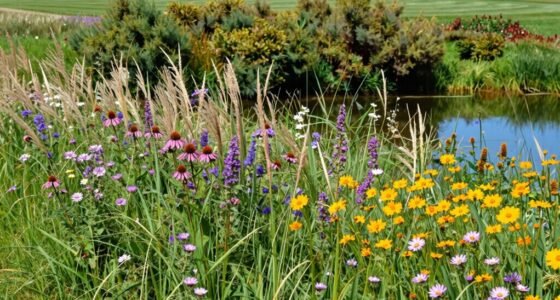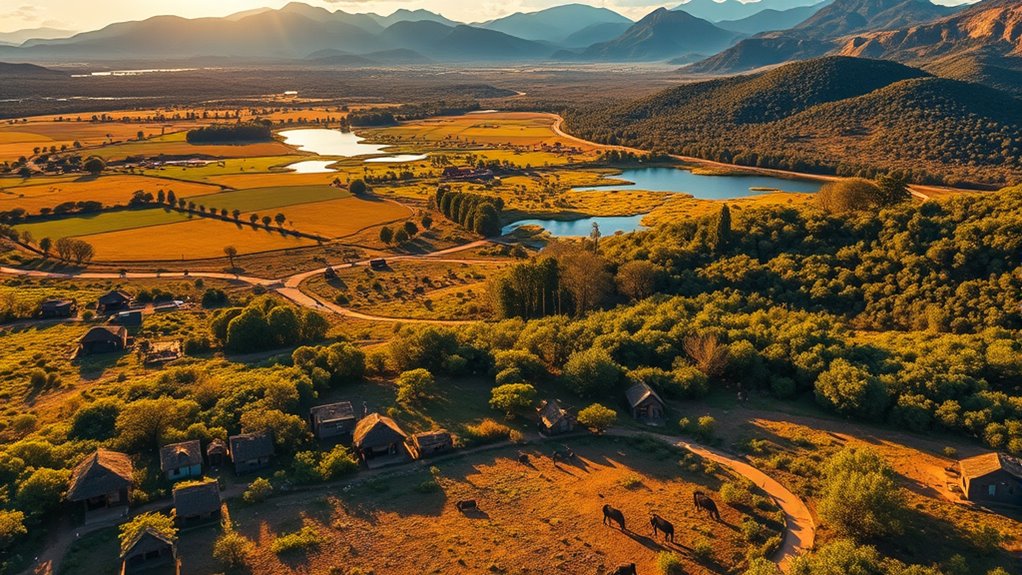

Protected areas like parks, reserves, and community conservancies are essential for preserving biodiversity and protecting wildlife habitats. They provide safe spaces for animals, support wildlife corridors, and enhance local economies through ecotourism. You’ll find that these areas encourage community involvement in conservation and serve as sites for valuable scientific research. By engaging with these protected spaces, you actively contribute to the health of our planet and guarantee a brighter future for nature. There’s so much more to explore about these important areas.

Get pet supplies delivered free with Prime
- Fast, free delivery on millions of items
- Prime Video, Amazon Music and more included
- Member-only deals all year
Key Takeaways
- Protected areas like parks and reserves preserve biodiversity and provide safe habitats for various wildlife species.
- Community conservancies engage local populations in conservation efforts, fostering pride and sustainable resource management.
- Wildlife corridors within protected areas facilitate animal migration, enhancing genetic diversity and population resilience.
- Ecotourism initiatives in these areas boost local economies and promote environmental awareness among communities.
- Protected areas serve as vital research sites for understanding ecosystems and developing effective conservation strategies.

Have you ever wondered what makes protected areas so essential for our planet? These designated spaces—parks, reserves, and community conservancies—play a crucial role in preserving biodiversity and maintaining ecological balance. When you think about it, they’re like lifelines for countless species, providing safe habitats where wildlife can thrive without the looming threat of human interference. You might be surprised to learn that these areas also support wildlife corridors, which facilitate animal movements between habitats. This connectivity is vital for species survival, especially as climate change and urban development disrupt their natural environments.
By enabling animals to migrate and reproduce, wildlife corridors ensure genetic diversity and resilience. Imagine a herd of elephants needing to travel between feeding grounds and watering holes. If their path is obstructed by roads or buildings, their population may dwindle. Protected areas help mitigate this risk by preserving those essential corridors, allowing wildlife to flourish despite external pressures.
Wildlife corridors are essential for species survival, ensuring migration and genetic diversity amid human development.
Moreover, protected areas can substantially boost local economies through ecotourism initiatives. When you visit a national park or a community conservancy, you’re not just enjoying nature; you’re participating in a sustainable way of supporting local communities. These initiatives often create jobs and promote environmental awareness, encouraging visitors to connect with the land and its inhabitants. You might even find yourself captivated by the beauty of a pristine landscape while supporting conservation efforts.
When communities engage in ecotourism, they develop a vested interest in maintaining their natural resources. You’ll see locals actively participating in conservation activities, fostering a sense of pride in their environment. This collaboration creates a win-win situation where both the ecosystem and the community benefit. As you explore these protected areas, you’re not just an observer; you’re part of a larger mission to sustain the planet’s health.
In addition to supporting wildlife corridors and ecotourism initiatives, protected areas also serve as vital research sites. Sustainable living practices are often studied here, as scientists examine these ecosystems to understand the impacts of climate change and human activity, providing valuable data that can guide conservation strategies. So next time you step into a protected area, remember that your visit contributes to a broader effort to preserve our planet for future generations. You’re part of a movement that values nature’s beauty and recognizes its importance for our survival.
wildlife conservation binoculars
As an affiliate, we earn on qualifying purchases.
As an affiliate, we earn on qualifying purchases.
Frequently Asked Questions
How Can I Volunteer in Protected Areas or Parks?
You can find volunteer opportunities in protected areas by researching local conservation programs online or through community organizations. Many parks and nature reserves offer structured volunteer initiatives, especially during peak seasons. Check their websites or social media pages for announcements. Joining local environmental groups or conservation-focused nonprofits can also connect you with projects needing help. Don’t forget to sign up for newsletters for updates on upcoming volunteer events or training sessions!
What Are the Entry Fees for National Parks and Reserves?
The entry fees for national parks and reserves vary widely, depending on the location and season. Most places have specific entrance fee policies, so it’s best to verify their official websites for updated information. Some parks offer fee exemptions for children, seniors, or local residents, so you might qualify for a discount. Always plan ahead to guarantee you have the correct amount ready for a smooth entry into the park.
Are Pets Allowed in Protected Areas and Parks?
“Curiosity killed the cat,” but in many parks, pets aren’t allowed. Restrictions often apply to guarantee animal safety and preserve wildlife. Before you plan your visit, check the specific park’s policy on pets. Some parks might allow leashed dogs, while others strictly prohibit any animals. It’s important to respect these rules to protect both your furry friends and the park’s natural inhabitants. Always be responsible and keep your pet at home if needed.
How Can I Report Environmental Issues in Protected Areas?
You can report environmental issues in protected areas by contacting local wildlife protection agencies or park management. If you notice pollution or other harmful activities, take note of specifics like location and time, then reach out through their official website or hotline. Many organizations encourage community involvement, so don’t hesitate to voice your concerns. Your efforts can help preserve these essential ecosystems and ensure a healthier environment for wildlife and future generations.
What Activities Are Prohibited in Community Conservancies?
In community conservancies, you can’t engage in activities that disturb wildlife or lead to illegal harvesting. This includes poaching, hunting without permits, or collecting plants and animals without permission. You should also avoid any actions that could disrupt the ecosystem, like pollution or habitat destruction. Respecting these rules helps protect the area’s natural resources and guarantees that wildlife thrives for future generations, so always be mindful of your actions.
Conclusion
In a world where nature’s treasures often face uncertainty, protected areas serve as sanctuaries for wildlife and a refuge for future generations. By embracing parks, reserves, and community conservancies, you’re not just preserving landscapes; you’re nurturing a legacy of biodiversity and harmony. It’s a gentle reminder that when you safeguard these havens, you’re not only protecting nature, but also enriching the human spirit. Together, let’s champion these essential spaces and guarantee they flourish for years to come.
Halloween Picks
halloween
As an affiliate, we earn on qualifying purchases.