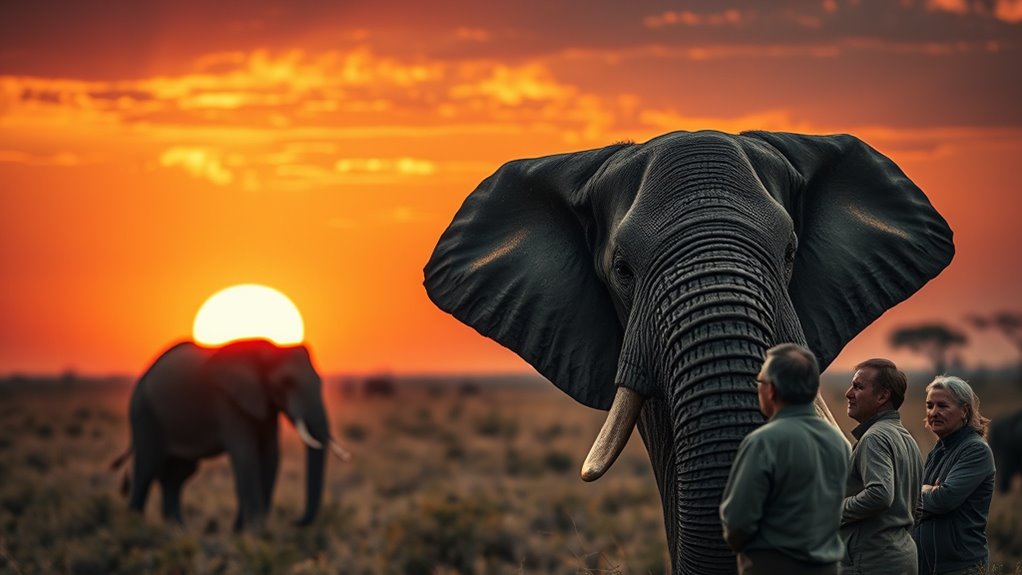

Trophy hunting ignites fierce debates about its conservation impacts. On one hand, it can generate essential revenue for anti-poaching efforts and habitat preservation, benefiting local communities and endangered species. On the other, it raises ethical dilemmas about killing animals for sport. Critics argue it disrupts ecosystems and commodifies wildlife. Balancing the economic benefits with moral concerns complicates the discussion even further. Keep exploring to discover more about the nuances of trophy hunting and its effects on conservation.
Key Takeaways
- Trophy hunting generates revenue that supports conservation programs, anti-poaching efforts, and habitat preservation, benefiting both wildlife and local communities.
- Income from hunting licenses can finance eco-tourism initiatives, creating jobs and promoting sustainable economic development in rural areas.
- The practice may contribute to species protection by providing financial incentives for landowners to maintain wildlife habitats.
- Critics argue that trophy hunting disrupts ecosystem balance and raises ethical concerns about the commodification of animal life for sport.
- Personal values and beliefs significantly shape opinions on the morality and effectiveness of trophy hunting in contributing to conservation efforts.

As debates around trophy hunting heat up, you might find yourself questioning the ethics and implications of this controversial practice. You may wonder whether it truly benefits conservation efforts or merely serves as a facade for exploiting wildlife. The ethical considerations surrounding trophy hunting are complex, often pitting animal rights against economic benefits. Supporters argue that responsible hunting can generate substantial revenue for conservation initiatives, while opponents contend that it undermines animal welfare and biodiversity.
When you explore the economic benefits of trophy hunting, you’ll find that it can provide significant funding for conservation programs. In many regions, particularly in Africa, the income from hunting licenses can help finance anti-poaching efforts, habitat preservation, and community development. Local communities often rely on this income, leading to a delicate balance between wildlife conservation and economic survival. As a result, you might see that in some areas, the presence of trophy hunting has actually contributed to the protection of endangered species. The funds generated can support wildlife reserves, promote eco-tourism, and create jobs, which can be essential for communities that would otherwise struggle to make ends meet. Additionally, many whole-house water filtration systems can improve water quality in these communities, contributing to better health outcomes alongside economic benefits.
However, this raises ethical questions. You might ask yourself if killing an animal for sport can ever be justified, even if it helps fund conservation. Detractors argue that trophy hunting commodifies wildlife, reducing majestic creatures to mere trophies. They fear that the focus on hunting certain species may lead to imbalances in ecosystems, as selective hunting can disrupt natural population dynamics. You may find it hard to reconcile the idea of conservation with the act of killing, even if it serves a greater purpose.
As you consider both sides of the debate, it’s essential to weigh the potential benefits against the moral implications. Are the economic advantages worth the ethical sacrifices? Can we truly call it conservation when it involves taking the life of an animal? You’ll realize that the answer isn’t straightforward, as personal beliefs and values play a significant role in shaping your perspective on trophy hunting.
Ultimately, the trophy hunting debate demands a careful examination of both its ethical considerations and economic benefits. As you navigate through this complex issue, you’re encouraged to think critically about the implications your views have on wildlife conservation and the future of biodiversity. The conversation is ongoing, and your voice matters in this pivotal dialogue.

Amazon Basics 5-Shelf Adjustable Heavy Duty Steel Wire Rack, Space Saving Storage Shelving Organizer for Kitchen, Garage, No-Tool Assembly, 350 lbs Weight Capacity, 36" x 14" x 72", Chrome
5 shelf wire rack offers handy storage space and easy access to tools and supplies
As an affiliate, we earn on qualifying purchases.
Frequently Asked Questions
What Are the Ethical Concerns Surrounding Trophy Hunting?
Trophy hunting raises significant ethical concerns, particularly regarding animal rights. You might struggle with moral dilemmas, such as the justification of killing animals for sport versus the potential benefits to conservation efforts. Critics argue that it prioritizes human enjoyment over animal welfare, leading to unnecessary suffering. You’re faced with questions about the value of life and whether profit should come at the expense of vulnerable species, prompting deeper reflection on our responsibilities toward wildlife.
How Do Local Communities Benefit From Trophy Hunting?
Local communities can thrive like flowers in a sunny field through trophy hunting. It fosters community empowerment by providing jobs and funding for schools and healthcare. Economic development flourishes as hunters pay fees that support local infrastructure and conservation efforts. This collaboration often leads to better wildlife management, ensuring that both the community and nature benefit. Ultimately, you’ll see how responsible practices can uplift local populations while preserving their environment.
What Species Are Most Commonly Hunted for Trophies?
You’ll find that the most commonly hunted species for trophies include elephants, lions, leopards, and various types of deer. These animals are often prioritized in sustainable practices, balancing conservation needs with hunting interests. By focusing on these species, you can help guarantee that hunting contributes positively to local economies and wildlife management. It’s essential to support initiatives that promote responsible hunting, ensuring species populations remain healthy while providing benefits to communities.
How Is Trophy Hunting Regulated Internationally?
Trophy hunting’s regulated internationally through various agreements, like CITES, which controls the wildlife trade. Countries set hunting quotas to guarantee sustainable practices, limiting how many animals can be harvested each year. You’ll find that regulations vary by species and region, aiming to balance conservation efforts with local economic needs. It’s essential to stay informed about these regulations to understand their impact on wildlife and conservation initiatives.
What Alternatives Exist to Trophy Hunting for Conservation?
Eco-tourism alternatives and community-based conservation offer vibrant, viable options to trophy hunting. You can immerse yourself in the breathtaking beauty of nature while supporting local economies. Engage with communities that rely on wildlife for sustainable tourism, fostering a sense of stewardship. These experiences can create meaningful connections between people and the environment, ensuring that wildlife thrives without the need for hunting. By choosing eco-tourism, you contribute to conservation while enjoying unforgettable adventures.

Amazon Basics 4-Shelf Adjustable Heavy Duty Steel Wire Rack Storage Shelving, Sturdy Garage Shelving, 350 lbs Capacity Per Shelf, Easy No-Tool Assembly, 36" x 14" x 54", Black
4 shelf wire rack offers handy storage space and easy access to tools and supplies
As an affiliate, we earn on qualifying purchases.
Conclusion
In the grand tapestry of conservation, trophy hunting threads a complex narrative. While critics argue it undermines wildlife populations, proponents highlight its potential to fund essential conservation efforts. You hold the power to shape this debate; your choices can either support sustainable practices or turn a blind eye to the challenges at hand. As we navigate this intricate dance between ethics and ecology, let’s remember: every action echoes in the wild, shaping the future of our planet.

Amazon Basics 5-Shelf Adjustable, Heavy Duty Storage Shelving Unit on 4" Wheel Casters, Easy to Move Portable Wire Shelving, No Tools Needed for Easy Assembly, 30" x 14" x 64.8", Chrome
5 shelf wire rack offers handy storage space and easy access to tools and supplies
As an affiliate, we earn on qualifying purchases.

Amazon Basics 3-Shelf Adjustable Heavy Duty Steel Wire Rack Storage Shelving Organizer with Storage Space, Versatility and Ease of Use for Kitchen, Garage, 23.2" L x 13.4" W x 30" H, Black
3 shelf wire rack offers handy storage space and easy access to tools and supplies
As an affiliate, we earn on qualifying purchases.