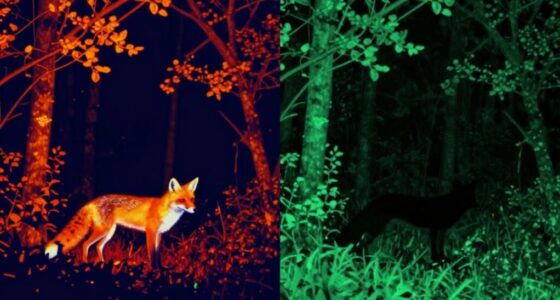
Urban wildlife thrives by adapting to city life and using coexistence strategies, like green spaces. Rooftop gardens offer crucial habitats and resources for birds and other species. These green oases serve as essential stopovers for migratory birds, providing food and shelter. By planting native plants, you can attract local wildlife while enhancing urban biodiversity. Engaging with urban nature enriches your surroundings and highlights the importance of conservation efforts. Discover more about how these strategies benefit both wildlife and city life.
Key Takeaways
- Incorporate rooftop gardens to provide safe habitats and food sources for birds and other wildlife in urban areas.
- Plant native species in green spaces to attract local wildlife and enhance biodiversity in cities.
- Promote awareness and education about the importance of urban wildlife to foster community engagement and conservation efforts.
- Create wildlife corridors and green pathways to facilitate safe movement and migration of species through urban environments.
- Encourage responsible human-wildlife interactions to minimize conflicts and promote coexistence within city landscapes.
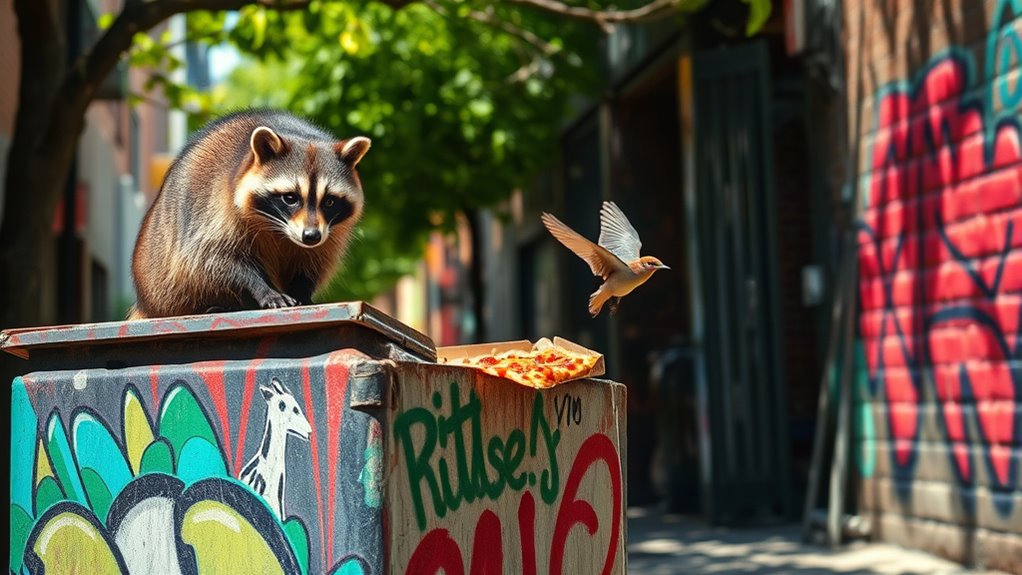
Have you ever noticed the surprising variety of wildlife that thrives in urban environments? You might think of cities as concrete jungles devoid of nature, but look closer, and you’ll see a bustling ecosystem right under your nose. From squirrels scurrying along power lines to birds nesting in unexpected places, urban wildlife is remarkably resilient. One fascinating aspect of this coexistence is bird migration. Each year, countless birds make their way through cities, stopping to rest, feed, and sometimes even nest.
As you walk down the street, pay attention to the chirping and flapping overhead. Many species, such as sparrows and pigeons, have adapted to urban life, finding food and shelter in abundance. You might be surprised to learn that some migratory birds even seek out rooftop gardens as safe havens during their long journeys. These green spaces provide not just a break from the urban hustle but also essential resources like food and nesting materials.
Rooftop gardens play a significant role in supporting urban wildlife. When you think about it, these elevated green spaces are like little oases amidst the concrete. You can create a suitable habitat for birds by planting native flowers and shrubs that attract them. When you cultivate these gardens, you’re not just beautifying your surroundings; you’re also contributing to the well-being of local wildlife. Imagine enjoying your morning coffee while watching a variety of birds flit about, all thanks to your rooftop oasis.
Moreover, these gardens can help mitigate the urban heat island effect, providing cooler microclimates for both humans and wildlife. As you tend to your plants, you might also notice butterflies and bees buzzing around, enhancing the biodiversity of your urban space. This interaction enriches your environment and fosters a deeper connection to the natural world. Additionally, engaging with cruise destinations can inspire a greater appreciation for the diverse ecosystems we encounter, further motivating us to protect our urban wildlife.
Encouraging wildlife in the city isn’t just beneficial for the animals; it enhances your quality of life as well. You’ll find that observing these creatures can be a source of joy and tranquility amidst the hustle and bustle. So, next time you hear the soft rustle of wings or see a flash of color in the urban landscape, remember that you’re witnessing nature’s resilience. By creating and supporting spaces like rooftop gardens, you’re playing an active role in nurturing urban wildlife, making your city just a little more vibrant and alive.
Frequently Asked Questions
How Do Urban Wildlife Species Adapt to City Environments?
Urban wildlife species adapt to city environments by becoming skilled at urban foraging. They learn to find food in parks, gardens, and even trash bins, making the most of available resources. Additionally, they develop noise adaptation, allowing them to thrive despite the constant sounds of city life. You might notice birds chirping louder or raccoons becoming active at night, showcasing their ability to navigate and survive in bustling urban landscapes.
What Are the Most Common Urban Wildlife Species?
You’ll often encounter species like squirrels, raccoons, and pigeons in urban environments. These animals thrive on urban foraging, scavenging for food scraps and adapting to city life. During bird migration seasons, you might notice various songbirds and larger birds like hawks passing through. They utilize city parks and green spaces as stopover points to rest and refuel, showcasing how urban areas can support diverse wildlife despite the challenges of city living.
How Can I Attract Beneficial Wildlife to My Garden?
To attract beneficial wildlife to your garden, think of it as creating a haven, much like the lush gardens of Eden. Start with native plantings that provide food and shelter for local species. Incorporate wildlife-friendly landscaping by adding brush piles, water sources, and diverse plant layers. These elements draw in pollinators, birds, and beneficial insects, fostering a vibrant ecosystem. By nurturing this environment, you’ll invite nature’s helpers to thrive right in your backyard.
Are There Any Laws Protecting Urban Wildlife?
Yes, there’re laws protecting urban wildlife through various wildlife legislation aimed at conservation. These laws often focus on habitat preservation and preventing harm to specific species. You might find local regulations that address the protection of birds, small mammals, and even certain plants that support urban ecosystems. By understanding and adhering to these regulations, you can contribute to urban conservation efforts while enjoying the benefits of diverse wildlife in your surroundings.
What Should I Do if I Encounter a Wild Animal?
When you encounter a wild animal, think of it as a fellow traveler on your path. First, stay calm and observe from a distance; you wouldn’t want to spook a shy creature. If it approaches, maintain your space and don’t attempt to touch or feed it—safe handling is key. Remember, human-wildlife conflicts often arise from misunderstandings. Give it time to wander off, and you’ll both continue your journeys peacefully.
Conclusion
In the dance between city life and nature, you’ll find beauty in the unexpected. Picture a hawk soaring above crowded streets while raccoons rummage through urban backyards. Embracing these moments can transform your perspective, turning a simple stroll into an adventure of discovery. By fostering coexistence with urban wildlife, you not only enrich your environment but also nurture a deeper connection with the world around you. Together, we can create a vibrant tapestry of life in the city.