Wetland conservation is vital because marshes provide essential benefits to both ecosystems and communities. They absorb excess rainfall, helping to prevent floods. Wetlands also improve water quality and serve as habitats for diverse species, enhancing biodiversity. Plus, by acting as carbon sinks, they play a key role in mitigating climate change. Protecting these areas supports overall ecosystem resilience and community well-being. If you want to explore more about their significance and conservation efforts, keep going!
Key Takeaways
- Marshes provide crucial ecosystem services, including flood control, water purification, and habitat support for diverse species.
- They act as natural sponges, absorbing excess rainfall and preventing flooding in surrounding areas.
- Protecting marshes enhances biodiversity, ensuring the survival of various plant and animal species.
- Healthy wetlands contribute to climate change mitigation by sequestering carbon and maintaining ecosystem resilience.
- Community involvement in conservation efforts fosters awareness and strengthens local actions to preserve marshes for future generations.
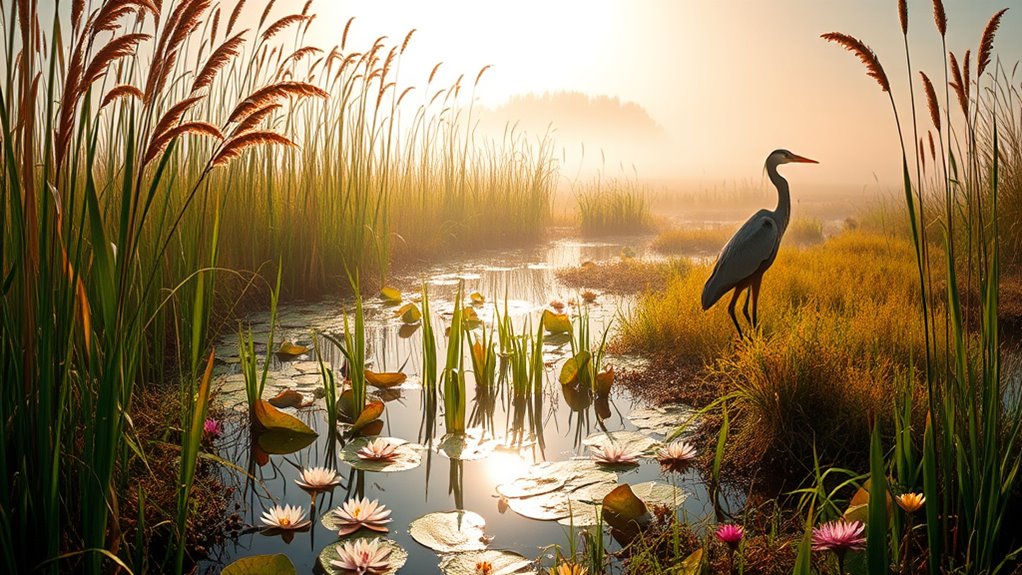
Why should we care about wetland conservation? Wetlands are essential ecosystems that provide a host of benefits, including flood control, water purification, and habitat for a myriad of species. When you think about marshes, swamps, and bogs, picture them as nature’s sponges. They absorb excess rainfall and help prevent flooding in nearby areas. If we don’t prioritize their conservation, we risk losing these natural defenses, which impacts us all.
Restoration techniques are fundamental in the fight to preserve wetlands. You might wonder how we can bring damaged wetlands back to life. Techniques like planting native vegetation, creating water retention basins, and controlling invasive species are just a few strategies that can rejuvenate these habitats. You’ve probably seen or heard about projects where communities come together to restore local wetlands. When you engage in such initiatives, you contribute not only to the environment but also to your community’s well-being. These restoration efforts can yield immediate and long-term benefits, enhancing biodiversity and improving water quality.
However, effective restoration isn’t solely about the hands-on techniques; it also requires robust policy frameworks that support conservation efforts. Local, state, and federal policies play a pivotal role in ensuring wetlands are protected from development and pollution. By advocating for policies that prioritize wetland conservation, you’re helping to shape a future where these ecosystems thrive. Engaging in discussions about land use and environmental regulations can also empower you to influence decision-making processes that affect wetlands in your area.
You might think that individual actions don’t matter in the grand scheme of things, but they do. Every effort counts, whether you’re volunteering for a local restoration project or supporting legislation aimed at wetland conservation. When communities unite and push for better policies, the impact can be substantial. By staying informed and advocating for sustainable practices, you can help ensure that marshes remain resilient against climate change and human encroachment. Furthermore, understanding the importance of open communication about environmental issues can enhance community involvement and awareness in conservation efforts.
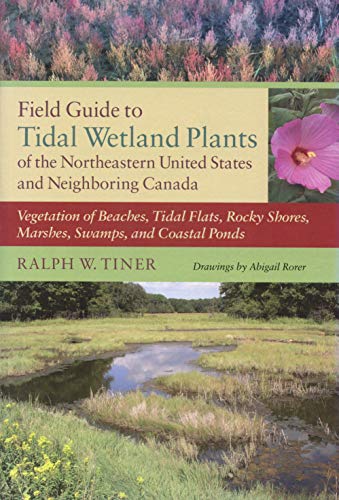
Field Guide to Tidal Wetland Plants of the Northeastern United States and Neighboring Canada: Vegetation of Beaches, Tidal Flats, Rocky Shores, Marshes, Swamps, and Coastal Ponds
As an affiliate, we earn on qualifying purchases.
As an affiliate, we earn on qualifying purchases.
Frequently Asked Questions
How Do Wetlands Contribute to Carbon Sequestration?
Wetlands contribute to carbon sequestration by acting as significant carbon storage systems. When you observe these ecosystems, you’ll notice they trap carbon in plant biomass and sediments. The slow decomposition of organic matter here enhances nutrient cycling, which further promotes plant growth and carbon capture. By maintaining healthy wetlands, you’re helping to lock away carbon dioxide, mitigating climate change and preserving the balance of natural processes vital for the environment.
What Species Rely on Marshes for Habitat?
Marshes are a sanctuary for countless species, like a treasure chest of biodiversity. You’ll find various bird species, such as herons and ducks, nesting and foraging in these rich ecosystems. They also provide essential amphibian habitats, where frogs and salamanders thrive. Without marshes, these creatures would struggle to find safe places to live and reproduce. By protecting marshes, you’re ensuring a future for these unique species and the balance of our environment.
How Can Individuals Help in Wetland Conservation?
You can help in wetland conservation by participating in native plant restoration projects in your community. Planting native species improves habitat quality and supports local wildlife. Additionally, you can reduce pollution by minimizing your use of chemicals in gardening and properly disposing of waste. Supporting legislation aimed at protecting wetlands and educating others about their importance also makes a difference. Every small action contributes to the health and sustainability of these essential ecosystems.
What Are the Economic Benefits of Preserving Marshes?
Preserving marshes is like investing in a savings account; the more you nurture it, the greater the returns. Economically, they provide flood protection, reducing costly damages. Marshes also support fisheries and tourism, boosting local economies. The economic impact of preserving these ecosystems can reach millions, ensuring sustainable resource preservation. By protecting marshes, you’re not only safeguarding nature but also enhancing community livelihoods and fostering long-term financial stability for future generations.
How Can Climate Change Impact Wetland Ecosystems?
Climate change can drastically impact wetland ecosystems. You might notice climate-induced flooding, which alters water levels and can drown plant life. Additionally, temperature shifts affect species distribution, pushing some plants and animals out of their natural habitats. These changes disrupt the delicate balance of ecosystems, leading to loss of biodiversity. As a result, the wetlands you value for their beauty and utility can suffer, impacting local wildlife and your community.

Wetland Meadow Mix (Mix 128), Seed Packet, True Native Seed (Northeastern US)
Species is US Native, not introduced alien
As an affiliate, we earn on qualifying purchases.
As an affiliate, we earn on qualifying purchases.
Conclusion
So, you think ignoring marshes won’t affect you? Ironically, while you enjoy that pristine view or sip your morning coffee, those wetlands are quietly working to filter your water and protect your home from floods. By undervaluing their role, you might just be signing up for a future where nature’s benefits become scarce. Embrace wetland conservation, and you’ll not only safeguard these essential ecosystems but also ensure your own comfort and security. After all, who doesn’t love a little irony?

Varify 17in1 Complete Drinking Water Test Kit – 100 Strips + 2 Bacteria Tester Kits – Well, Tap, Home, City Water Testing Strip for Lead, Alkaline, Chlorine, Hardness, Iron, Fluoride, Copper & More
17 IMPORTANT PARAMETERS: The Varify Premium Drinking Water Test Kit offers an unrivaled, complete analysis of your drinking…
As an affiliate, we earn on qualifying purchases.
As an affiliate, we earn on qualifying purchases.
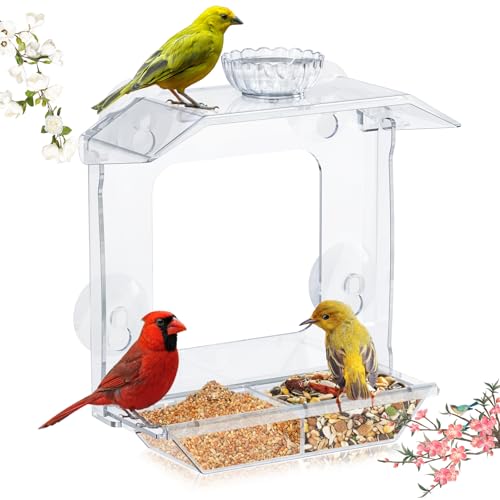
SVEDVK Clear Window Bird Feeder with Strong Suction Cups – Clear Bird Feeding Station with Dual Seed Tray & Water Bowl – Easy to Install and Clean for Outdoor Viewing
Watch Birds Up Close from Your Window – Turn your home window into a live birdwatching station! The…
As an affiliate, we earn on qualifying purchases.
As an affiliate, we earn on qualifying purchases.