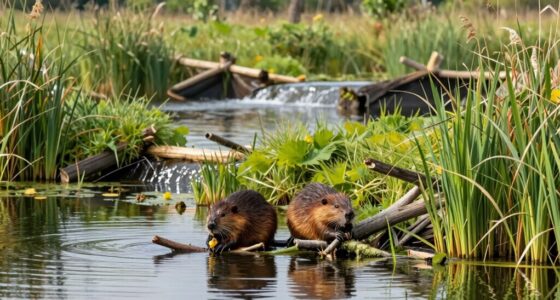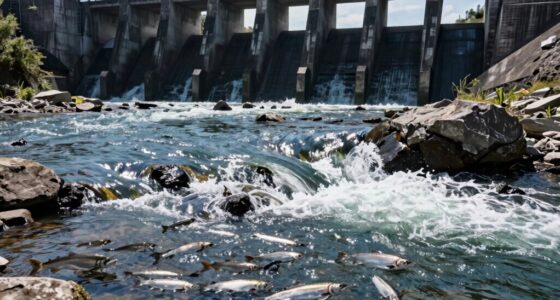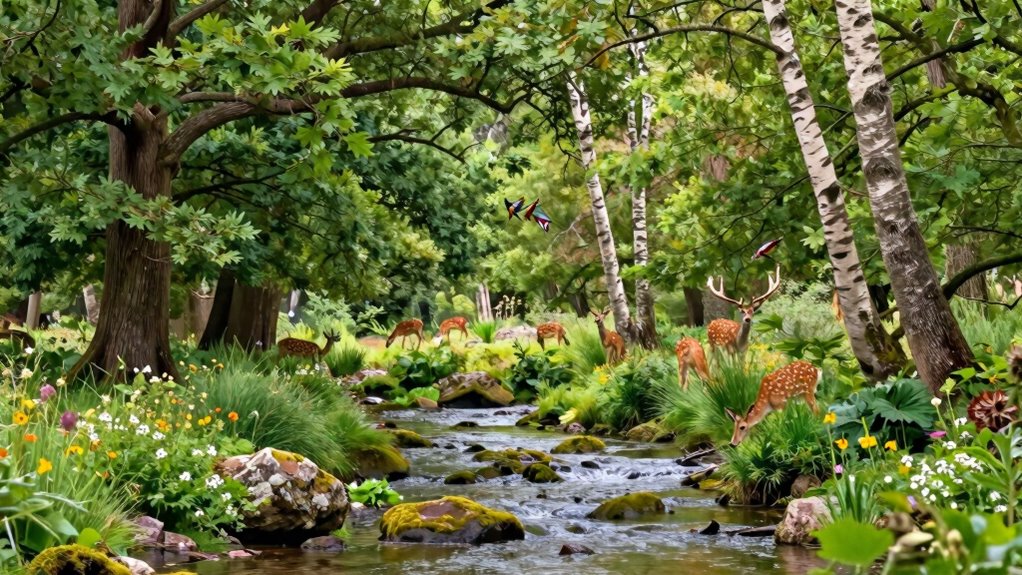

Rewilding means allowing your local ecosystem to recover by restoring natural processes and reintroducing native species. It involves removing invasive plants, reconnecting fragmented habitats, and creating self-sustaining environments. As ecosystems regain balance, native predators, herbivores, and pollinators help control pests and promote biodiversity. This process leads to healthier soil, cleaner water, and more resilient landscapes. If you want to see how these changes shape ecosystems, keep exploring what rewilding can achieve.

Get pet supplies delivered free with Prime
- Fast, free delivery on millions of items
- Prime Video, Amazon Music and more included
- Member-only deals all year
Key Takeaways
- Rewilding restores ecosystem resilience by reintroducing native species and natural processes, reducing human intervention.
- It enhances habitat connectivity, allowing species to migrate, reproduce, and thrive naturally.
- Rewilding promotes ecological interactions that control pests, pollinate plants, and maintain biodiversity.
- It improves soil, water quality, and landscape health, supporting ecosystem services.
- Long-term, rewilding creates self-sustaining ecosystems that support endangered species and climate balance.
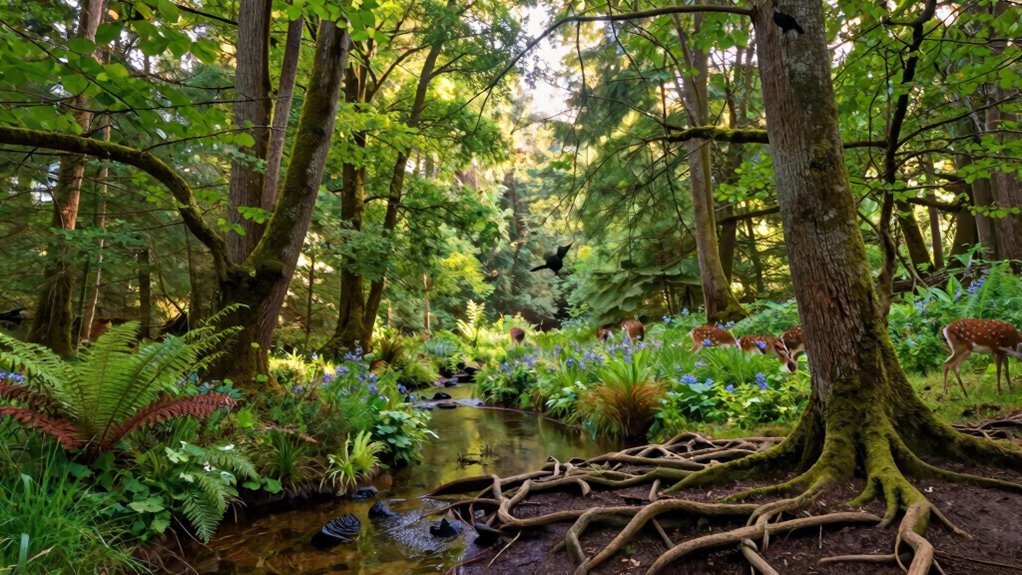
Rewilding offers a promising approach to restoring the health and resilience of local ecosystems. When you focus on rewilding, you’re essentially working to bring back native species that once thrived in the area. These native species are vital because they are adapted to the local environment and play a key role in maintaining ecological balance. By reintroducing or protecting these species, you help foster a more natural and self-sustaining habitat. It’s about shifting away from human-centric management towards letting nature reclaim its space, allowing ecosystems to function more naturally.
At its core, habitat restoration is a fundamental part of rewilding. It involves restoring the land, water, and vegetation to conditions that support native species and natural processes. When you undertake habitat restoration, you’re removing invasive plants, replanting native flora, and reconnecting fragmented habitats. This process creates corridors that enable animals and plants to move freely, which is indispensable for their survival and genetic diversity. Restoring these habitats encourages the return of species that might have disappeared or struggled due to habitat loss or degradation. Incorporating native species conservation into your efforts helps ensure the long-term success of rewilding projects. Additionally, understanding the role of ecological interactions can help guide more effective restoration strategies. Understanding ecosystem functions can further enhance the success of rewilding initiatives by ensuring all natural processes are supported.
Rewilding isn’t just about planting trees or protecting land; it’s about understanding and facilitating natural processes. As you work on rewilding projects, you’ll notice how the presence of native species stabilizes the ecosystem. For example, native predators control rodent populations, native herbivores help maintain plant diversity, and pollinators ensure the reproduction of native plants. These interactions create a resilient web of life that can better withstand environmental changes and shocks. Recognizing the importance of biodiversity is essential for effective rewilding efforts. Promoting biodiversity also enhances ecosystem services that benefit local communities, such as clean water and air. Developing a comprehensive understanding of ecological balance can help optimize rewilding strategies to support long-term ecosystem health.
By prioritizing native species in your rewilding efforts, you’re helping to restore the original character of a landscape. This approach reduces the need for ongoing human intervention, as healthy ecosystems become more self-sufficient. Over time, this can lead to increased biodiversity, improved soil and water quality, and a more balanced climate. Rewilding transforms the landscape into a living system that supports a wide range of species, including those that are endangered or locally extinct.
Ultimately, rewilding for habitat restoration is about giving nature space to thrive on its own terms. Your role is to support and facilitate these processes, allowing ecosystems to evolve naturally. When you focus on native species and restore habitats, you’re helping to create a resilient, vibrant environment that sustains both wildlife and the local community. It’s a powerful way to heal landscapes and foster a more harmonious relationship between humans and the natural world.
As an affiliate, we earn on qualifying purchases.
Frequently Asked Questions
How Long Does Rewilding Take to Show Visible Results?
Rewilding can show visible results in a few years, but ecological balance and biodiversity recovery often take decades. You might notice increased plant growth or animal sightings within 5-10 years, yet full ecosystem restoration could take 20-50 years or more. Patience is key, as rewilding gradually transforms landscapes, encouraging native species to return and thrive, ultimately creating a healthier, more resilient ecosystem.
Can Rewilding Harm Existing Human Communities?
Rewilding can sometimes harm existing human communities through human displacement and cultural impacts. As land is restored to natural habitats, people might be forced to leave their homes or lose access to traditional resources. This process can threaten cultural practices and local livelihoods. While rewilding benefits ecosystems, it’s essential to carefully balance conservation efforts with the needs of communities to minimize negative effects and promote sustainable coexistence.
What Are the Biggest Challenges in Rewilding Projects?
You face the mountains of challenge in rewilding projects, where habitat connectivity is a fragile thread weaving ecosystems together. Wildlife corridors act as essential arteries, yet balancing human development with nature’s wild rhythm feels like dancing on a tightrope. Securing funding, steering through land ownership, and gaining community support are steep climbs. But with perseverance, you can access nature’s full symphony, restoring harmony and energy to the land.
How Do Rewilding Efforts Address Invasive Species?
Rewilding efforts directly target invasive species by removing or controlling them to protect native species and restore ecosystem balance. You’ll see projects focusing on eradicating invasive plants, animals, or insects that threaten native biodiversity. By doing so, rewilding helps native species thrive, rebuilds natural habitats, and stabilizes ecosystems. This proactive approach guarantees that native species regain their rightful place and ecosystems function as they naturally should.
Is Rewilding Suitable for Urban or Heavily Developed Areas?
Rewilding can work in urban or heavily developed areas, enhancing urban biodiversity and creating essential green infrastructure. You might think dense city spaces can’t support rewilding, but even small parks and vacant lots can become crucial habitats. By restoring native plants and encouraging wildlife, you improve air quality, reduce heat, and foster ecological resilience. So, you can transform your city into a thriving, nature-rich environment that benefits everyone.
Conclusion
Rewilding breathes new life into your local ecosystems, like a gentle river carving fresh paths through familiar land. It’s a dance of renewal, where nature’s wild spirit awakens and spreads, weaving resilience into the fabric of your environment. By embracing rewilding, you become a guardian of this vibrant symphony, ensuring future generations will marvel at a thriving, untamed wilderness that pulses with raw, unbridled energy. It’s your chance to help nature reclaim its rightful, majestic throne.
Halloween Picks
halloween
As an affiliate, we earn on qualifying purchases.